

 Preview
 Send
Send Share
Share
 Details

 Download
 Similars
 X-Ray
X-Ray Diaporama
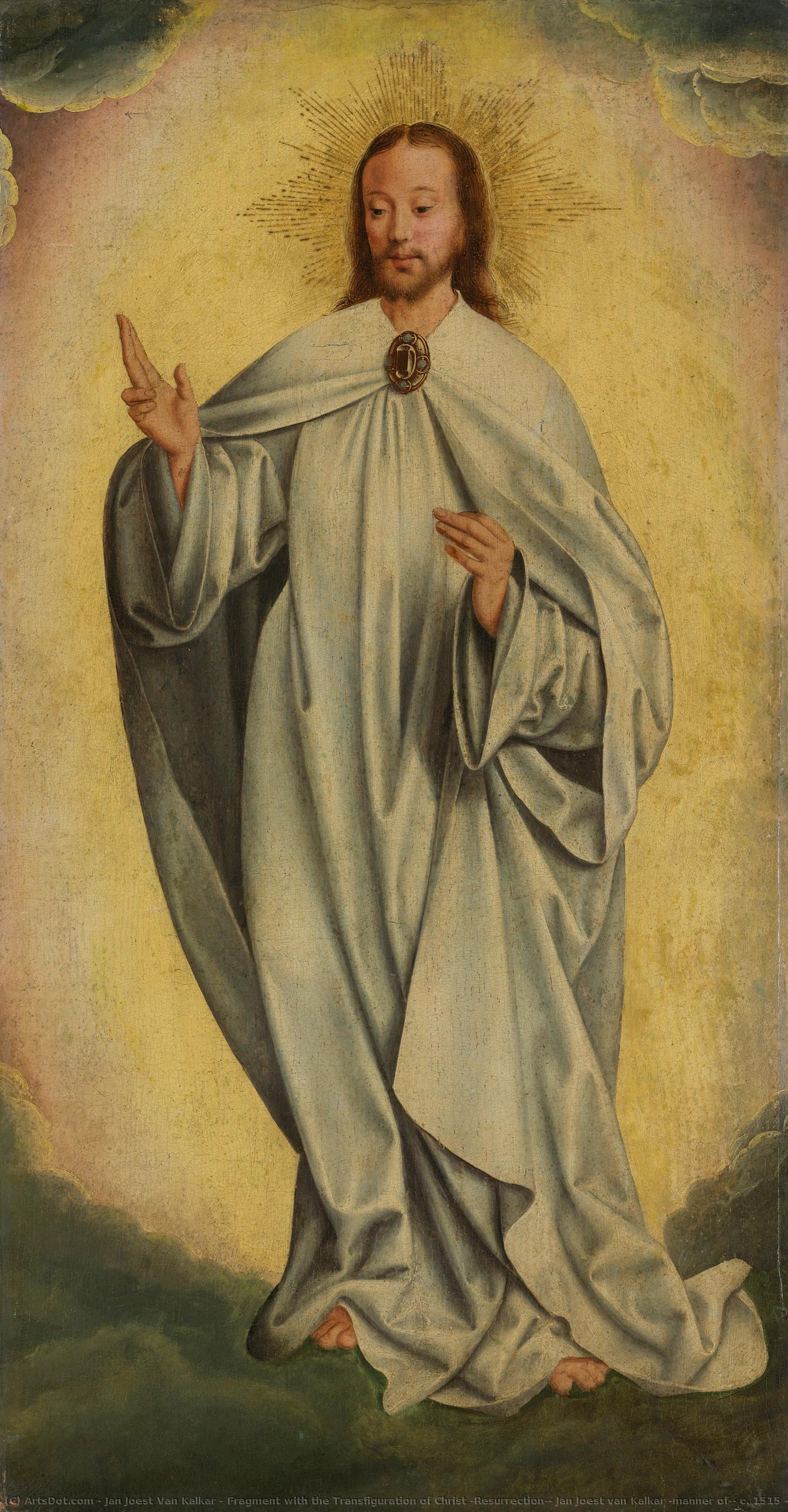
Fragment with the Transfiguration of Christ (Resurrection), Jan Joest van Kalkar (manner of), c. 1515 - c. 1520
 1520
1520 70.0 x 37.0 cm
 Read More
Purchase a high-resolution, enhanced digital image, far superior to the online preview.
Each file is meticulously prepared by our in-house specialists using advanced tools and expert manual retouching. We ensure every image has exceptional clarity, precise color accuracy, and fine detail.
The final file is delivered via email within 72 hours, optimized for immediate use in professional, editorial, and print environments. This is the same quality trusted by top-tier design studios, publishers, and galleries.
Digital Image
Download a high-resolution file for personal display, printing, and creative projects. ( Buy Print Buy Hand Made Painting)
Included in Every Digital Image Order
Expert Digital Delivery, Guaranteed
When you choose ArtsDot.com, you're not just getting an image - you're receiving a professionally enhanced digital artwork, crafted with precision and backed by a satisfaction guarantee. Here's everything that comes with your order, automatically:

Fast Email Delivery
Your high-resolution digital image file will be emailed to you within 72 hours of ordering - ready for immediate use.

AI-Enhanced Digital File
Your artwork is professionally optimized using advanced AI tools and manual editing, ensuring maximum detail, clarity, and color accuracy.

Free Lifetime Re-Delivery
Accidentally deleted or lost your file? No worries - we'll resend it to you anytime, free of charge.

No Import Fees - Ever
Enjoy your artwork instantly with zero customs, duties, or delivery fees - digital downloads are always tax-free.

Color Accuracy Guarantee
We ensure your digital image reflects the original colors as closely as possible using professional tools and color management.

60-Day Satisfaction Guarantee
If you're not satisfied with your digital image, we'll revise it or refund 100% within 60 days - no questions asked.

100% Money-Back Guarantee
Not satisfied? Get a full refund within 60 days of receiving your digital file - no questions asked.

Bulk Order Discounts
Buy 3 images, save 10% - Buy 5, save 15% - Buy 10+, save 20%. Great for creative projects, galleries, and agencies.
Related Artworks

Artist Biography
life and artistic journey
jan joest van calcar, a german painter from either kalkar or wesel, remains an enigma in the art world despite his significant contributions to early netherlandish painting. active during the 15th century, van calcar's life is shrouded in mystery, with his identity established only in 1874 by jacob anton wolff and oskar eisenmann.artistic style and influences
van calcar's work is characterized by its exquisite transparency of coloring and fine detail, aligning him with the school of scorel. unlike his contemporaries, such as jan van eyck, van calcar's style is more subdued, yet his use of oil paint reflects a nascent understanding of the medium.notable works and legacy
although only one artwork, the last judgment, is confidently attributed to van calcar, its impact on the development of early netherlandish painting is undeniable. this work, housed in st. joriskerk, showcases van calcar's mastery of oil paint and his unique approach to religious themes.- influence on early netherlandish painting: van calcar's innovative use of color and detail paved the way for future generations of netherlandish artists.
- contribution to the development of oil painting: van calcar's work demonstrates an early understanding of oil paint, solidifying his place in the history of early netherlandish painting.
further exploration
for a deeper understanding of jan joest van calcar and his contemporaries, explore the following resources: * jan van eyck's biography on ArtsDot, offering insights into the development of early netherlandish painting. * early netherlandish painting on wikipedia, providing a comprehensive overview of the period and its notable artists.- discover van calcar's the last judgment at st. joriskerk, a testament to his innovative approach to religious art.
- delve into the world of early netherlandish painting with ArtsDot's extensive collection, featuring works from jan van eyck, gerard david, and other pioneers of the period.
conclusion
jan joest van calcar, though shrouded in mystery, has left an indelible mark on the history of early netherlandish painting. his innovative use of color and detail has influenced generations of artists, cementing his place as a pioneer in the development of this pivotal art movement.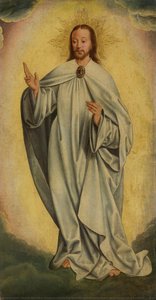
jan joest van calcar
1519 , Germany
Quick Facts
- Artistic Movement Or Style: School of Scorel
- Artists Or Movements Influenced By This Artist: ['Early Netherlandish Painting']
- Artists Who Influenced This Artist: ['Jan van Eyck']
- Date Of Death: 1519
- Full Name: Jan Joest van Calcar
- Nationality: German
- Notable Artworks: ['The Last Judgment']
- Place Of Birth: Kalkar, Germany

