

 Preview
 Send
Send Share
Share
 Details

 Download
 Similars
 X-Ray
X-Ray Diaporama
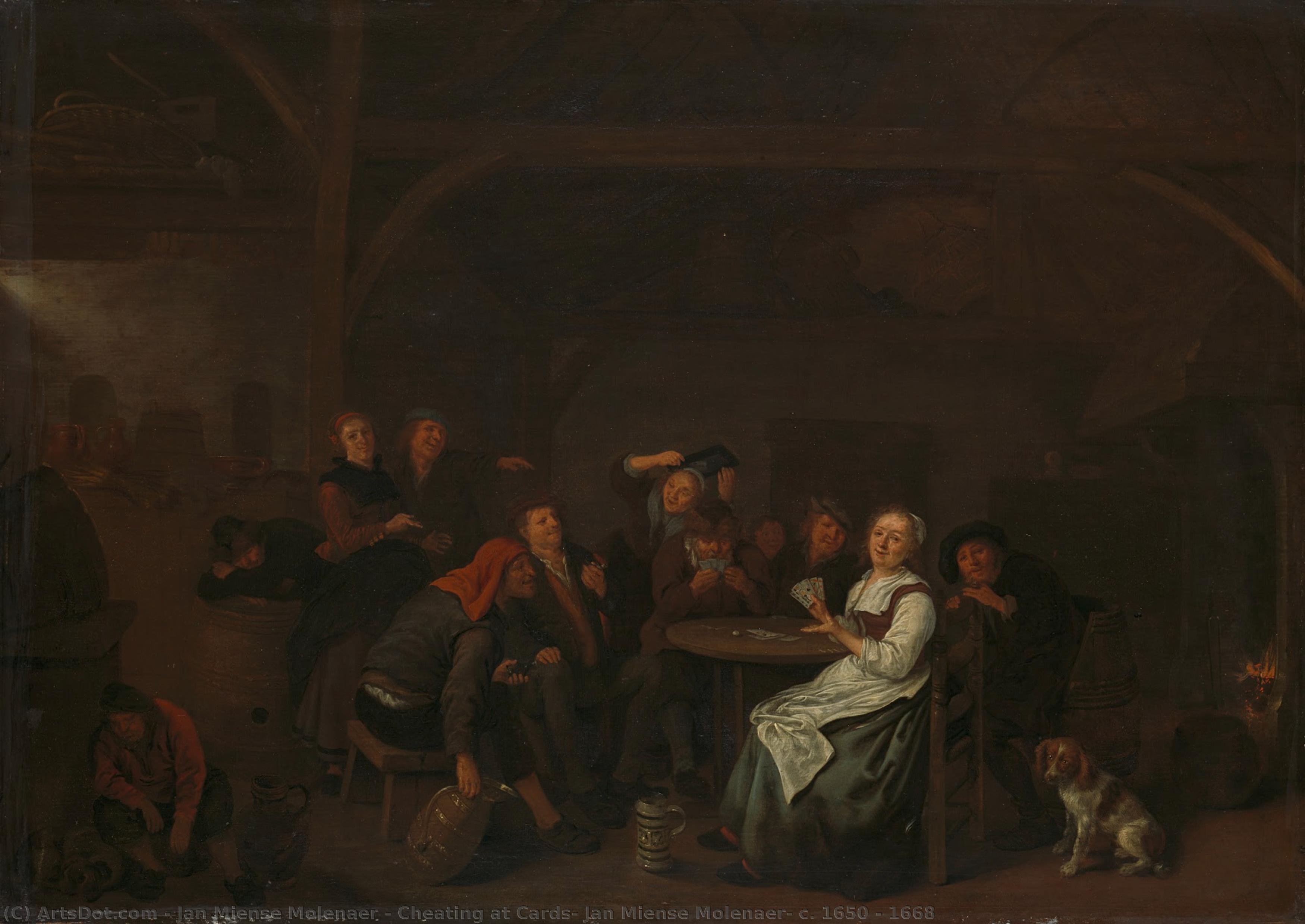
Cheating at Cards, Jan Miense Molenaer, c. 1650 - 1668
 Oil On Panel
- Dutch Golden Age
 1668
1668- Early Modern
 49.0 x 69.0 cm
 Read More
Purchase a high-resolution, enhanced digital image, far superior to the online preview.
Each file is meticulously prepared by our in-house specialists using advanced tools and expert manual retouching. We ensure every image has exceptional clarity, precise color accuracy, and fine detail.
The final file is delivered via email within 72 hours, optimized for immediate use in professional, editorial, and print environments. This is the same quality trusted by top-tier design studios, publishers, and galleries.
Digital Image
Download a high-resolution file for personal display, printing, and creative projects. ( Buy Print Buy Hand Made Painting)
Included in Every Digital Image Order
Expert Digital Delivery, Guaranteed
When you choose ArtsDot.com, you're not just getting an image - you're receiving a professionally enhanced digital artwork, crafted with precision and backed by a satisfaction guarantee. Here's everything that comes with your order, automatically:

Fast Email Delivery
Your high-resolution digital image file will be emailed to you within 72 hours of ordering - ready for immediate use.

AI-Enhanced Digital File
Your artwork is professionally optimized using advanced AI tools and manual editing, ensuring maximum detail, clarity, and color accuracy.

Free Lifetime Re-Delivery
Accidentally deleted or lost your file? No worries - we'll resend it to you anytime, free of charge.

No Import Fees - Ever
Enjoy your artwork instantly with zero customs, duties, or delivery fees - digital downloads are always tax-free.

Color Accuracy Guarantee
We ensure your digital image reflects the original colors as closely as possible using professional tools and color management.

60-Day Satisfaction Guarantee
If you're not satisfied with your digital image, we'll revise it or refund 100% within 60 days - no questions asked.

100% Money-Back Guarantee
Not satisfied? Get a full refund within 60 days of receiving your digital file - no questions asked.

Bulk Order Discounts
Buy 3 images, save 10% - Buy 5, save 15% - Buy 10+, save 20%. Great for creative projects, galleries, and agencies.
Collectible Description
Related Artworks

Artist Biography
The Intimate World of a Dutch Master
jan miense molenaer, a name whispered among the masters of the Dutch Golden Age, evokes images of domestic warmth and vibrant human interaction. Born in Haarlem in 1610, his life unfolded against the rich tapestry of 17th-century Dutch society. Molenaer was not merely a chronicler of scenes; he was an observer who possessed an uncanny ability to capture the fleeting moments of everyday existence. His artistic journey saw him developing a style that initially echoed the early brilliance of Frans Hals, suggesting a mastery of capturing spontaneous gesture. Yet, as his career matured, his hand began to settle into a more nuanced dialogue with the atmospheric depth characteristic of Adriaen van Ostade.
A Painter of Genre and Spirit
His genius found its most expressive outlet in the genre scene—the depiction of ordinary life elevated to high art. Molenaer’s canvases are imbued with a palpable sense of intimacy; one feels as if the very air within the painting is warm and scented with music or shared laughter. Whether portraying musicians gathered for a spirited performance, as seen in works like The Music Makers, or capturing the quiet communion of family life, his subjects possess an undeniable vitality. These scenes are marked by a detailed realism that eschews idealization, grounding the viewer firmly within the tangible world of Haarlem. Furthermore, his association with Judith Leyster, who shared his studio space and was herself a celebrated genre painter and portraitist, speaks to a vibrant artistic circle where talent flourished through collaboration.
Technique and Enduring Influence
Molenaer’s technical prowess lay in his masterful handling of color and composition. He built scenes not just with paint, but with emotional resonance, creating compositions that feel both structured and utterly spontaneous. His ability to imbue simple domestic moments with such depth is remarkable. While some of his subjects touch upon biblical narratives, it is the celebration of human connection—the shared rhythm of music or the gesture captured in a piece like La Main Chaude (Handjeklap)—that defines his enduring appeal. The echoes of his technique resonate strongly through subsequent generations; artists such as Jan Steen and Gerard ter Borch clearly absorbed lessons from Molenaer’s nuanced approach to light and human psychology, cementing his place as a pivotal figure whose style helped define the zenith of Dutch painting.
A Legacy Etched in Canvas
The works attributed to jan miense molenaer continue to draw admirers across continents. From the esteemed collections housed in the Mauritshuis Royal Picture Gallery to the Rijksmuseum, his paintings serve as vivid portals into a bygone era. They invite us not just to look at art, but to participate in it—to listen to the music, to feel the warmth of the gathering. His legacy is one of profound observation: proving that the most monumental art can often be found within the delicate beauty of an ordinary moment.
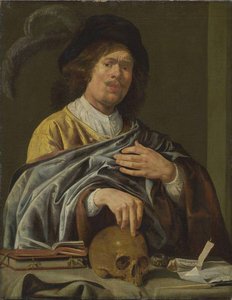
jan miense molenaer
1610 - 1668 , Netherlands
Quick Facts
- Artistic Movement Or Style: Dutch Golden Age painting
- Artists Or Movements Influenced By This Artist:
- Jan Steen
- Gerard ter Borch
- Artists Who Influenced This Artist:
- Frans Hals
- Adriaen van Ostade
- Date Of Birth: 1610
- Date Of Death: 1668
- Full Name: Jan Miense Molenaer
- Nationality: Dutch
- Notable Artworks:
- The Music Makers
- The Duet
- Family Making Music
- La Main Chaude
- Place Of Birth: Haarlem, Netherlands

