 Preview
 Send
Send Share
Share
 Details

 Download
 Similars
 X-Ray
X-Ray Diaporama
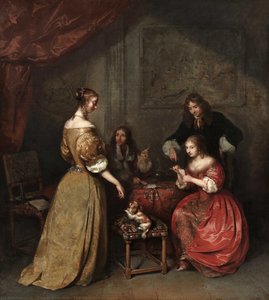
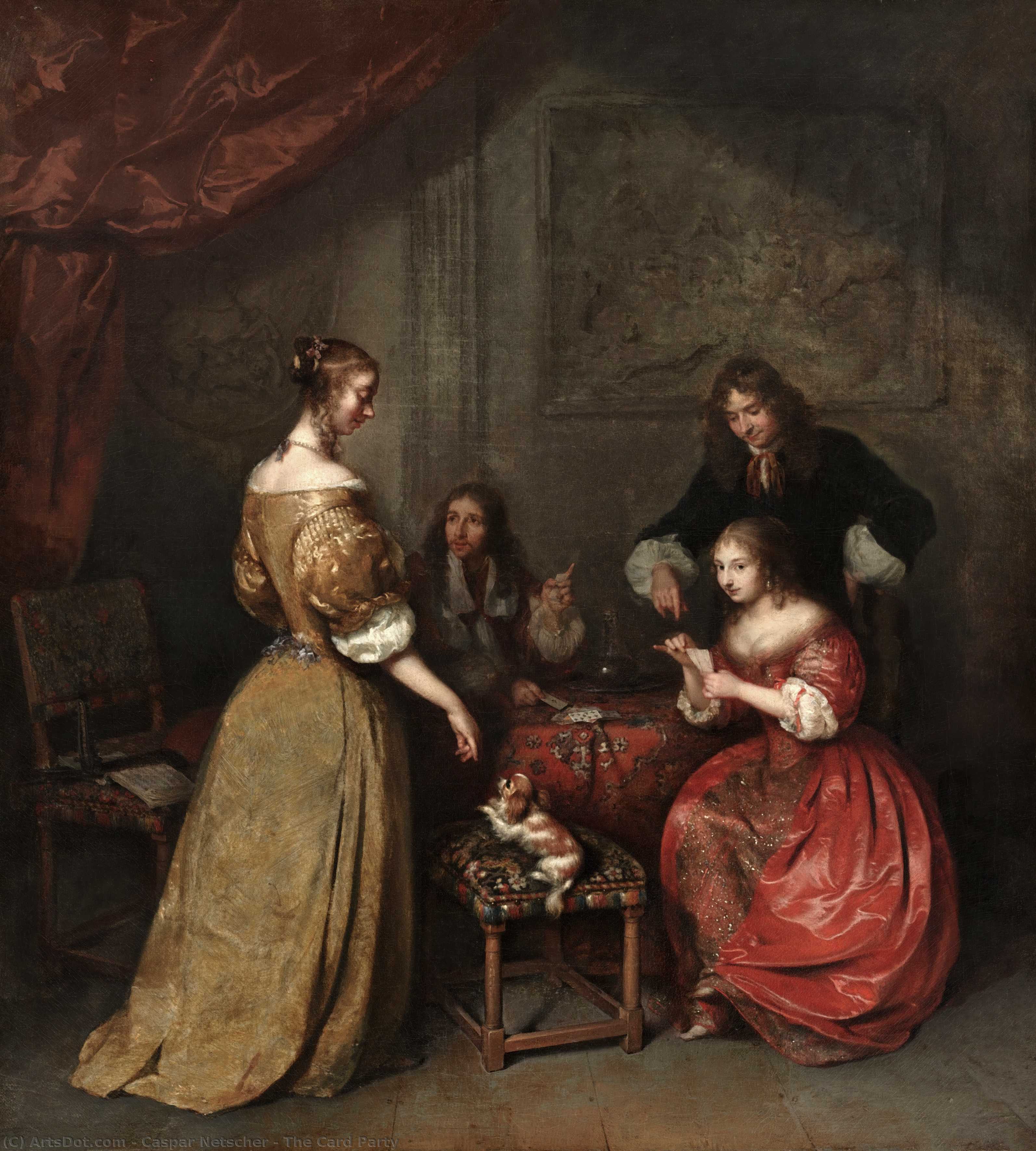
The Card Party
 Oil On Canvas
- WallArt
- Baroque
 1665
1665- Early Modern
 50.0 x 45.0 cm
 Metropolitan Museum of Art
 Read More
Hand Made Oil Reproduction
Hand-painted oil on canvas in your size and frame, made to order by our artists. ( Buy Print Buy Image)




P118B $10

P118H $10

P118W $10

P438Z $10

P508JH $12

P508YH $12

P805H $10

P805Z $10

P919BZ $10

P919G $10

P919XJ $10

P959ZH $10

P968JZ $12

W106C $8

W218G $10

W218JH $8

W218Y $10

W307PJ $10

W316G $10

W316PJ $8

W316Y $10

W398PJ $8

W4111J $10

W500HY $15

W500JH $15

W692G $12

W849H $8

W940BG $15

W953PJ $8




Pick from our preset sizes that match the artwork's original proportions.

You may enter your own dimensions to fit a specific frame or space. If your selected size does not match the original image's proportions, we will either crop the artwork or extend the painting with additional hand-painted elements. A digital mockup will be sent for your approval before production begins.
Please note that the on-screen preview does not reflect the actual cropping or extension. Only the mockup will accurately show the final composition.
While custom sizes are available, we recommend selecting a dimension from the predefined list to preserve the original proportions.
After order, ArtsDot.com team will email client for instructions and provide a mockup preview
Worldwide Delivery () in 3/4 weeks instead of standard 5 weeks. (17 August). No compromise on quality.

Free Worldwide Express Shipping

High-Quality Linen Canvas

Full Shipping Insurance

Customs Tax Refund Guarantee

True Color Matching Guarantee

60-Day Return Policy (Defects Only)

100% Money-Back Guarantee

Bulk Discount Offer
 Glass option is only available in size under 110 CM

The Card Party
Reproduction Medium
Reproduction Size
-


Total Price
$ 363
Artwork Description
A Glimpse into 17th-Century Dutch Society
Caspar Netscher’s “The Card Party,” painted in 1665, isn't merely a depiction of a game; it’s a meticulously crafted window into the vibrant social life of the Dutch Golden Age. This oil on canvas work, measuring a modest 50 x 45 cm, transports us to a richly furnished room, brimming with the subtle pleasures and carefully constructed appearances of a prosperous household. Netscher, a master of capturing both the outward elegance and the underlying psychology of his subjects, has created an image that speaks volumes about wealth, status, and the rituals of social interaction during this period of remarkable artistic and economic flourishing.
The scene unfolds around a table laden with the trappings of leisure – overflowing wine glasses, delicate porcelain cups, and, most prominently, a collection of intricately patterned oriental rugs. These rugs weren’t simply decorative; they were symbols of status and trade, reflecting the Dutch Republic's extensive connections to the East. Their presence immediately establishes the scene’s affluence and hints at the family’s engagement with global commerce. The inclusion of such luxurious details underscores a key characteristic of Dutch art – a commitment to realism that extended beyond mere representation to encompass the social and economic realities of the time.
The Art of Netscher: Detail, Light, and Psychological Depth
Netscher’s technique is characterized by an almost obsessive attention to detail. Every fold in the fabric, every glint of light on a wine glass, every expression on the faces of the players is rendered with painstaking precision. This meticulousness isn't simply about accuracy; it’s a deliberate strategy to draw the viewer into the scene and invite them to contemplate the nuances of human interaction. The artist masterfully employs chiaroscuro – the dramatic contrast between light and shadow – to sculpt the figures, creating a sense of volume and depth that is remarkably lifelike.
Notice how Netscher uses light not just to illuminate the scene but also to guide our eye. The primary source of illumination appears to be coming from an unseen window, casting long shadows across the table and highlighting the faces of those engaged in the game. This strategic use of light creates a sense of intimacy and drama, drawing us into the heart of the gathering. Furthermore, Netscher’s brushwork is remarkably subtle, layering colors with incredible delicacy to achieve a luminous quality that is both captivating and deeply satisfying to the eye.
Symbolism and Social Commentary
The card game itself holds multiple layers of meaning. While ostensibly a pastime, it represents more than just casual entertainment. In 17th-century Dutch society, gambling was often associated with risk, fortune, and even deception. The women exchanging cards – particularly the central figure – are not simply participants in a game; they’re engaging in a subtle dance of social maneuvering, potentially testing each other's wit and assessing their worth within the confines of their social circle. The dog at the lower left corner adds a touch of domesticity and warmth to the scene, reminding us that even amidst the complexities of social interaction, there is always room for companionship.
Beyond the immediate depiction of a card game, “The Card Party” offers a valuable glimpse into the broader cultural context of the Dutch Golden Age. It reflects a society that valued both wealth and intellectual pursuits, where art flourished alongside commerce and innovation. Netscher’s masterpiece stands as a testament to this remarkable era – an era defined by its artistic brilliance, economic prosperity, and sophisticated social customs.
A Timeless Masterpiece
Currently residing in the Metropolitan Museum of Art in New York, “The Card Party” continues to captivate viewers with its exquisite detail, psychological depth, and evocative portrayal of a bygone era. Whether you’re an art enthusiast, a collector seeking a stunning addition to your collection, or simply someone who appreciates the beauty of masterful painting, this work offers a profound and rewarding experience.
Related Artworks

Artist Biography
Caspar Netscher: A Master of Dutch Baroque Portraiture
Caspar Netscher (1639 – January 15, 1684) stands as a pivotal figure in the Dutch Golden Age, renowned for his exquisitely detailed portraits and genre paintings that captured the spirit of his era. Born in Heidelberg, Germany, he honed his artistic skills under the tutelage of Hendrick Coster before embarking on a formative journey to Rome where he absorbed influences from Caravaggio and Peter Paul Rubens – styles which would profoundly shape his distinctive approach to painting. Returning to Amsterdam, Netscher established himself as a celebrated artist, securing patronage from William III and achieving considerable wealth and acclaim for his captivating canvases.- Early Life & Training: Netscher’s formative years were spent in Arnhem, where he received initial instruction from Hendrick Coster. This early exposure to artistic principles laid the groundwork for his subsequent studies with Gerard Terborch, a collaboration that cemented his understanding of Northern Baroque aesthetics.
- Roman Influences: Netscher's trip to Rome proved instrumental in broadening his artistic horizons. He immersed himself in the artistic fervor of the city, absorbing techniques and stylistic considerations from masters like Caravaggio and Rubens – artists who championed dramatic chiaroscuro (light and shadow) and emotionally charged compositions.
- Amsterdam Career & Patronage: Netscher swiftly ascended to prominence in Amsterdam’s art world, becoming a master painter by 1659. His success was fueled by royal patronage from William III, who commissioned numerous portraits showcasing the monarch's grandeur and authority. This association solidified Netscher’s reputation as one of the most sought-after artists of his time.
Distinctive Style & Technique
Netscher’s artistic style is characterized by a remarkable sensitivity to light and shadow, a hallmark of Baroque painting. He meticulously crafted scenes with subtle gradations of tone, creating an illusionistic depth that captivated viewers. Unlike many contemporaries who favored brighter palettes, Netscher employed muted colors—often browns and ochres—to convey a sense of solemn dignity and realism. His brushwork was exceptionally refined, achieving astonishing textural detail – particularly evident in depictions of fabrics like silk and brocade, where he skillfully rendered the shimmering surface qualities with remarkable accuracy. This meticulous technique distinguishes him from other artists of his time and contributes to the enduring beauty of his works.Notable Works & Legacy
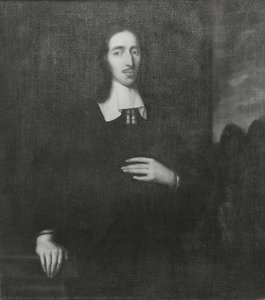
Netscher’s oeuvre comprises a substantial collection of portraits depicting royalty, nobility, and prominent citizens of Amsterdam. Among his most celebrated paintings are “Portrait of Pieter de Graeff,” showcasing the Lord Mayor's dignified countenance and opulent attire; "Portrait of Willem III," commemorating the King’s reign with regal splendor; and “William III (copy after),” a masterful rendition capturing the solemn grandeur of William III in armor. These canvases exemplify Netscher’s artistic prowess and continue to inspire admiration for their technical brilliance and expressive power. His influence extended beyond portraiture, influencing genre paintings that explored themes of domestic life and social interaction with nuanced observation. Caspar Netscher's legacy resides not only in his stunning artworks but also in his contribution to establishing a distinctive international style within the Northern Netherlands—a testament to his enduring artistic significance.References
- Britannica. “Caspar Netscher.”
- Wikipedia. “Caspar Netscher.”
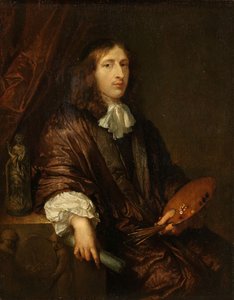
netscher, caspar
1639 - 1684 , Germany
Quick Facts
- Artistic Movement Or Style: Baroque
- Artists Or Movements Influenced By This Artist: ['International Style']
- Artists Who Influenced This Artist: ['Gerard Terborch']
- Date Of Birth: 1639 Heidelberg Germany
- Date Of Death: 1684
- Full Name: Caspar Netscher
- Nationality: Dutch
- Notable Artworks:
- Portrait of Pieter de Graeff
- Portrait of Willem III
- Place Of Birth: Heidelberg Germany
Related Articles

Dutch Masters: 10 Golden Age Paintings That Still Inspire |
Journey into the Dutch Golden Age! Explore 10 iconic paintings by Rembrandt, Vermeer & Hals. Discover the stories behind these Baroque masterpieces and find museum-quality art reproductions to elevate your home decor on .

Golden Age Reflections: Dutch Baroque Painting & Cultural Innovation
Explore the Dutch Golden Age of painting! Discover key artists like Vermeer & ter Borch, their innovative techniques, and the rich cultural context behind these Baroque masterpieces. Learn about collecting & appreciating this iconic art period.

Illuminating Innovation: Exploring the Dutch Golden Age of Painting
Explore the Dutch Golden Age of painting with ArtsDot. Discover Rembrandt, Vermeer & other Masters. Learn about key characteristics, iconic artworks, and lasting influence. Expert insights for collectors & enthusiasts.
Illuminating Realism: Exploring the Dutch Golden Age of Painting (1600-1700)
Explore the Dutch Golden Age of painting (1600-1700) with ArtsDot. Discover Rembrandt, Vermeer & other masters. Learn about techniques, history & find museum-quality reproductions.
Illuminating a Century of Change: Artistic Expression & Societal Shifts in 17th-Century Europe
Explore the artistic brilliance of the 17th-century Dutch Golden Age & Baroque period. Discover Rembrandt, genre painting, and chiaroscuro techniques. Expert insights for art lovers & collectors.