 Preview
 Send
Send Share
Share
 Details

 Download
 Similars
 X-Ray
X-Ray Diaporama
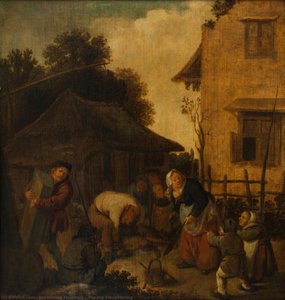
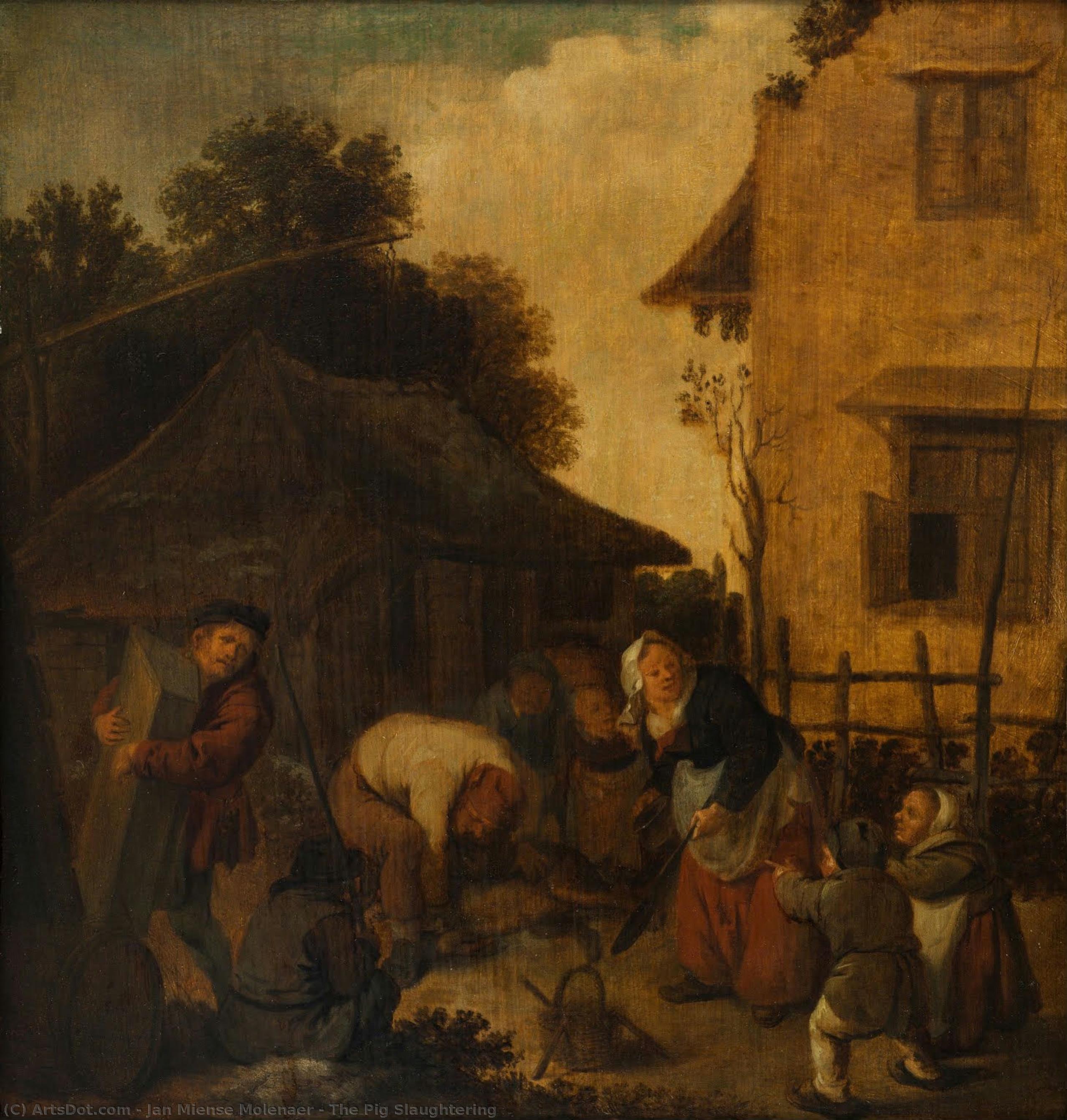
The Pig Slaughtering
 Oil
Oil- WallArt
- Dutch Golden Age
 Early Modern
 30.0 x 28.0 cm
 Read More
Hand Made Oil Reproduction
Hand-painted oil on canvas in your size and frame, made to order by our artists. ( Buy Print Buy Image)




P118B $10

P118H $10

P118W $10

P438Z $10

P508JH $12

P508YH $12

P805H $10

P805Z $10

P919BZ $10

P919G $10

P919XJ $10

P959ZH $10

P968JZ $12

W106C $8

W218G $10

W218JH $8

W218Y $10

W307PJ $10

W316G $10

W316PJ $8

W316Y $10

W398PJ $8

W4111J $10

W500HY $15

W500JH $15

W692G $12

W849H $8

W940BG $15

W953PJ $8




Pick from our preset sizes that match the artwork's original proportions.

You may enter your own dimensions to fit a specific frame or space. If your selected size does not match the original image's proportions, we will either crop the artwork or extend the painting with additional hand-painted elements. A digital mockup will be sent for your approval before production begins.
Please note that the on-screen preview does not reflect the actual cropping or extension. Only the mockup will accurately show the final composition.
While custom sizes are available, we recommend selecting a dimension from the predefined list to preserve the original proportions.
After order, ArtsDot.com team will email client for instructions and provide a mockup preview
Worldwide Delivery () in 3/4 weeks instead of standard 5 weeks. (17 August). No compromise on quality.

Free Worldwide Express Shipping

High-Quality Linen Canvas

Full Shipping Insurance

Customs Tax Refund Guarantee

True Color Matching Guarantee

60-Day Return Policy (Defects Only)

100% Money-Back Guarantee

Bulk Discount Offer
 Glass option is only available in size under 110 CM

The Pig Slaughtering
Reproduction Medium
Reproduction Size
-


Total Price
$ 263
Artwork Description
A Visceral Glimpse into Dutch Rural Life
In the heart of a rustic backyard, amidst the raw and unvarnished reality of 17th-century peasant life, Jan Miense Molenaer captures a moment of profound intensity. The Pig Slaughtering is not merely a depiction of a chore; it is a theatrical tableau of survival and communal effort. The canvas vibrates with the energy of a tumultuous scene where the boundaries between life and death, labor and ritual, blur into a single, focused event. At the center of this drama, a peasant clad in a stark white shirt and a striking red hat performs the grim necessity of the task, his movements precise as he stabs the pig. Nearby, his wife stands in a state of watchful anticipation, her role just as vital as she prepares to collect the lifeblood that will sustain them through the leaner months ahead. The composition draws the eye through a crowd of nine figures, some kneeling in the dirt and others peering from the periphery, creating a sense of being an uninvited guest at a private, essential ceremony of the hearth.
The mastery of Molenaer lies in his ability to elevate the mundane into the monumental. While the subject matter is grounded in the gritty textures of rural existence, his technique breathes a sophisticated life into every fold of fabric and every shadow cast upon the earth. His brushwork, reminiscent of the spontaneous gestures found in the works of Frans Hals, lends a sense of immediacy to the figures, making their movements feel caught in mid-motion. There is an atmospheric depth to the scene that suggests a world far larger than the frame—a world where the air is heavy with the scent of the outdoors and the weight of seasonal preparation. For the discerning collector or interior designer, this piece offers more than just visual interest; it provides a window into a lost era of tactile reality, making it an exquisite focal point for spaces that value character, history, and narrative depth.
The Hidden Language of Virtue and Wisdom
Beyond the surface-level grit of the slaughter, Molenaer weaves a complex tapestry of moral symbolism that would have been deeply resonant to his contemporary audience. In the Dutch Golden Age, such scenes were rarely just about the task at hand; they were often allegorical reflections of character. The act of slaughtering and curing meat for the winter was a profound symbol of wisdom and sensibility. To prepare for the scarcity of winter was to demonstrate foresight, prudence, and the virtuous management of resources. This tradition of finding moral dogmas within everyday labor can be traced back to the legendary etchings of Pieter Brueghel the Elder, where the seasonal rhythms of life served as metaphors for Christian virtues. When viewing this painting, one is invited to look past the blood and the toil to see the underlying celebration of a disciplined, prepared, and communal way of life.
This layer of meaning transforms the artwork from a simple genre scene into a profound meditation on human resilience. The emotional impact of the piece stems from this tension between the visceral violence of the moment and the quiet, noble intention behind it. It is a painting that rewards deep contemplation, offering layers of insight for those who seek art with intellectual substance. Whether displayed in a curated gallery setting or as a centerpiece in a sophisticated home, The Pig Slaughtering serves as a powerful reminder of the dignity found in labor and the enduring strength of the human spirit in the face of nature's cycles.
Related Artworks
Artist Biography
The Intimate World of a Dutch Master
jan miense molenaer, a name whispered among the masters of the Dutch Golden Age, evokes images of domestic warmth and vibrant human interaction. Born in Haarlem in 1610, his life unfolded against the rich tapestry of 17th-century Dutch society. Molenaer was not merely a chronicler of scenes; he was an observer who possessed an uncanny ability to capture the fleeting moments of everyday existence. His artistic journey saw him developing a style that initially echoed the early brilliance of Frans Hals, suggesting a mastery of capturing spontaneous gesture. Yet, as his career matured, his hand began to settle into a more nuanced dialogue with the atmospheric depth characteristic of Adriaen van Ostade.
A Painter of Genre and Spirit
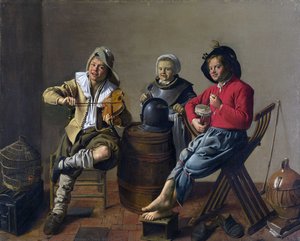
His genius found its most expressive outlet in the genre scene—the depiction of ordinary life elevated to high art. Molenaer’s canvases are imbued with a palpable sense of intimacy; one feels as if the very air within the painting is warm and scented with music or shared laughter. Whether portraying musicians gathered for a spirited performance, as seen in works like The Music Makers, or capturing the quiet communion of family life, his subjects possess an undeniable vitality. These scenes are marked by a detailed realism that eschews idealization, grounding the viewer firmly within the tangible world of Haarlem. Furthermore, his association with Judith Leyster, who shared his studio space and was herself a celebrated genre painter and portraitist, speaks to a vibrant artistic circle where talent flourished through collaboration.
Technique and Enduring Influence
Molenaer’s technical prowess lay in his masterful handling of color and composition. He built scenes not just with paint, but with emotional resonance, creating compositions that feel both structured and utterly spontaneous. His ability to imbue simple domestic moments with such depth is remarkable. While some of his subjects touch upon biblical narratives, it is the celebration of human connection—the shared rhythm of music or the gesture captured in a piece like La Main Chaude (Handjeklap)—that defines his enduring appeal. The echoes of his technique resonate strongly through subsequent generations; artists such as Jan Steen and Gerard ter Borch clearly absorbed lessons from Molenaer’s nuanced approach to light and human psychology, cementing his place as a pivotal figure whose style helped define the zenith of Dutch painting.
A Legacy Etched in Canvas
The works attributed to jan miense molenaer continue to draw admirers across continents. From the esteemed collections housed in the Mauritshuis Royal Picture Gallery to the Rijksmuseum, his paintings serve as vivid portals into a bygone era. They invite us not just to look at art, but to participate in it—to listen to the music, to feel the warmth of the gathering. His legacy is one of profound observation: proving that the most monumental art can often be found within the delicate beauty of an ordinary moment.
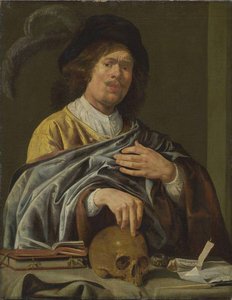
jan miense molenaer
1610 - 1668 , Netherlands
Quick Facts
- Artistic Movement Or Style: Dutch Golden Age painting
- Artists Or Movements Influenced By This Artist:
- Jan Steen
- Gerard ter Borch
- Artists Who Influenced This Artist:
- Frans Hals
- Adriaen van Ostade
- Date Of Birth: 1610
- Date Of Death: 1668
- Full Name: Jan Miense Molenaer
- Nationality: Dutch
- Notable Artworks:
- The Music Makers
- The Duet
- Family Making Music
- La Main Chaude
- Place Of Birth: Haarlem, Netherlands
Related Articles

Dutch Masters: 10 Golden Age Paintings That Still Inspire |
Journey into the Dutch Golden Age! Explore 10 iconic paintings by Rembrandt, Vermeer & Hals. Discover the stories behind these Baroque masterpieces and find museum-quality art reproductions to elevate your home decor on .
Jan Steen: A Master of Dutch Genre Painting & the Golden Age
Explore the life & art of Jan Steen, a leading Dutch Golden Age painter renowned for his humorous genre scenes & insightful social commentary. Discover his techniques, legacy, and collecting tips.

Golden Age Reflections: Dutch Baroque Painting & Cultural Innovation
Explore the Dutch Golden Age of painting! Discover key artists like Vermeer & ter Borch, their innovative techniques, and the rich cultural context behind these Baroque masterpieces. Learn about collecting & appreciating this iconic art period.

Illuminating Innovation: Exploring the Dutch Golden Age of Painting
Explore the Dutch Golden Age of painting with ArtsDot. Discover Rembrandt, Vermeer & other Masters. Learn about key characteristics, iconic artworks, and lasting influence. Expert insights for collectors & enthusiasts.
Illuminating Realism: Exploring the Dutch Golden Age of Painting (1600-1700)
Explore the Dutch Golden Age of painting (1600-1700) with ArtsDot. Discover Rembrandt, Vermeer & other masters. Learn about techniques, history & find museum-quality reproductions.