 Preview
 Send
Send Share
Share
 Details

 Download
 Similars
 X-Ray
X-Ray Diaporama
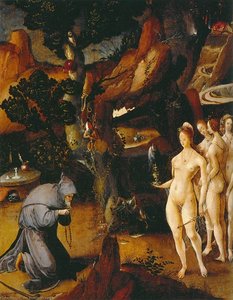
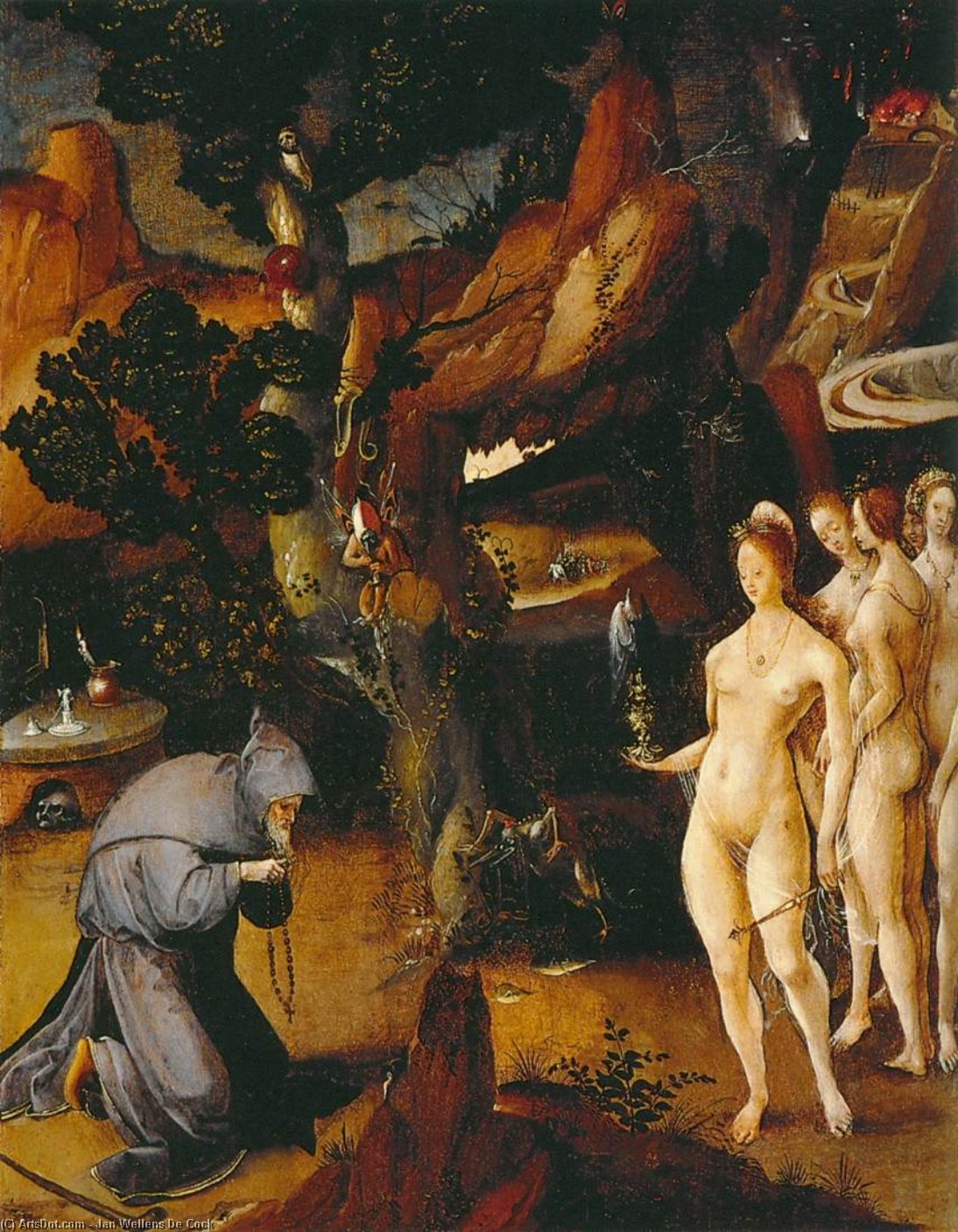
Temptation of St Anthony
 Oil On Canvas
- WallArt
- Renaissance
 1520
1520- Early Modern
 60.0 x 46.0 cm
 Museo Thyssen-Bornemisza
 Read More
Hand Made Oil Reproduction
Hand-painted oil on canvas in your size and frame, made to order by our artists. ( Buy Print Buy Image)




P118B $10

P118H $10

P118W $10

P438Z $10

P508JH $12

P508YH $12

P805H $10

P805Z $10

P919BZ $10

P919G $10

P919XJ $10

P959ZH $10

P968JZ $12

W106C $8

W218G $10

W218JH $8

W218Y $10

W307PJ $10

W316G $10

W316PJ $8

W316Y $10

W398PJ $8

W4111J $10

W500HY $15

W500JH $15

W692G $12

W849H $8

W940BG $15

W953PJ $8




Pick from our preset sizes that match the artwork's original proportions.

You may enter your own dimensions to fit a specific frame or space. If your selected size does not match the original image's proportions, we will either crop the artwork or extend the painting with additional hand-painted elements. A digital mockup will be sent for your approval before production begins.
Please note that the on-screen preview does not reflect the actual cropping or extension. Only the mockup will accurately show the final composition.
While custom sizes are available, we recommend selecting a dimension from the predefined list to preserve the original proportions.
After order, ArtsDot.com team will email client for instructions and provide a mockup preview
Worldwide Delivery () in 3/4 weeks instead of standard 5 weeks. (23 August). No compromise on quality.

Free Worldwide Express Shipping

High-Quality Linen Canvas

Full Shipping Insurance

Customs Tax Refund Guarantee

True Color Matching Guarantee

60-Day Return Policy (Defects Only)

100% Money-Back Guarantee

Bulk Discount Offer
 Glass option is only available in size under 110 CM

Temptation of St Anthony
Reproduction Medium
Reproduction Size
-


Total Price
$ 263
Artwork Description
The Spiritual Struggle Captured in Oil
Before you stands a profound meditation on spiritual endurance, Jan Wellens de Cock's depiction of Temptation of St Anthony. This canvas is not merely a religious scene; it is a visceral confrontation between divine grace and earthly allure. The composition immediately draws the eye to the central figure, Saint Anthony, kneeling in an attitude of profound supplication, his grasp upon the cross serving as both shield and anchor against the surrounding chaos. The air around him feels thick with dramatic tension, palpable enough to almost touch.
The artist has masterfully orchestrated a gathering of figures—at least six spectral forms arrayed around the saint—each embodying a different facet of temptation. These naked figures, rendered with an unsettling immediacy, represent the myriad distractions and worldly desires that challenge the soul's path toward enlightenment. The sheer intricacy of the grouping suggests a narrative density that rewards prolonged contemplation.
Symbolism Woven into Every Detail
Every object within this sacred drama carries symbolic weight, inviting the viewer to look deeper than the surface action. Observe the scattered cups; they might speak to earthly pleasures or ritualistic offerings, while the bird perched delicately on a branch introduces an element of fragile, natural beauty juxtaposed against human struggle. The cross itself is the ultimate symbol of sacrifice and redemption, serving as the focal point around which all other energies orbit. These elements combine to create a rich tapestry of Christian iconography, inviting both scholarly study and deep personal reflection.
The style, characteristic of the period, blends meticulous detail with dramatic emotionalism. It speaks to a time when religious art served not just as decoration, but as a powerful vehicle for moral instruction and spiritual fervor.
Mastery in Technique and Composition
Painted around 1520, this work showcases Jan Wellens de Cock's skilled handling of oil paint. The technique allows for both the smooth, almost ethereal rendering of the surrounding figures and the more grounded, weighty depiction of St. Anthony’s piety. The composition is a breathtaking exercise in balance; despite the multitude of bodies and objects crammed into the frame, there is an underlying structure that guides the viewer's gaze back to the central act of devotion. It is a complex visual symphony.
For those who appreciate the depth of Old Master painting, this piece offers a window into the technical prowess of early Netherlandish art—a period renowned for its luminous detail and psychological intensity.
Bringing Sacred Drama Home
Owning a reproduction of Temptation of St Anthony is to invite a piece of profound spiritual drama into your living space or study. It transcends mere decoration; it becomes a focal point for contemplation, sparking conversations about virtue, struggle, and resilience. The rich tonality and the sheer narrative power ensure that this artwork will command attention while simultaneously inviting quiet introspection from its admirers. It is a timeless piece, perfectly suited to environments where history, art, and deep thought intersect.
Related Artworks

Artist Biography
Alessandro di Mariano Filipepi: The Enchanting Botticelli
Sandro Botticelli, born Alessandro di Mariano di Vanni Filipepi around 1445 in Florence, Italy, was a painter whose work profoundly shaped the trajectory of the Italian Renaissance. His life, though tragically short, spanning from approximately 1445 to 1510, witnessed a remarkable evolution in artistic style and a rediscovery of his legacy centuries later. Initially apprenticed to various masters – first Maso Finiguerra, then Fra Filippo Lippi – Botticelli’s early career was marked by the creation of frescoes for Florentine churches and cathedrals, establishing him as a skilled craftsman within the established artistic traditions of the city. His youth was characterized by a restless spirit, a penchant for wit, and a reputation for youthful mischief, traits that perhaps contributed to his early withdrawal from formal schooling – a deviation from the norm at the time.Early Influences and Florentine Apprenticeship
Botticelli’s artistic development was deeply rooted in the late Gothic style prevalent in Florence during his formative years. The influence of Fra Filippo Lippi, particularly his mastery of tempera painting and meticulous attention to detail, is readily apparent in Botticelli's early works. However, he quickly transcended mere imitation, demonstrating a burgeoning sense of composition and an emerging interest in classical motifs – a trend that would become increasingly prominent throughout his career. His apprenticeship with Antonio del Pollaiuolo exposed him to the techniques of oil painting, further expanding his artistic toolkit and allowing for richer color palettes and greater textural possibilities. Crucially, Botticelli’s connections through Lippi afforded him patronage from influential families like the Medici, securing commissions that propelled his career forward.The Zenith of Mythological Vision
The period between 1478 and 1490 represents the apex of Botticelli's artistic achievement. During this time, he produced some of his most celebrated works – paintings steeped in classical mythology and imbued with a unique blend of elegance, grace, and psychological depth. Perhaps his most iconic creations are *The Birth of Venus* and *Primavera*, both housed within the Uffizi Gallery in Florence. *The Birth of Venus* depicts the goddess emerging from a giant scallop shell, while *Primavera* portrays a vibrant allegorical scene celebrating spring, populated by mythological figures such as Venus, Flora, Zephyrus, and Mercury. These works are not merely decorative; they are complex narratives filled with symbolic meaning, reflecting Botticelli’s engagement with humanist philosophy and his fascination with the beauty of the human form. The use of flowing lines, delicate drapery, and a restrained palette contributes to an atmosphere of ethereal serenity, characteristic of his style.Religious Works and the Development of Style
While renowned for his mythological paintings, Botticelli’s output encompassed a wide range of religious subjects throughout his career. He produced numerous depictions of the *Madonna and Child*, often rendered in the elegant round format known as *tondi*. These works demonstrate his technical skill and his ability to convey profound emotion through subtle gestures and expressions. As the 1490s progressed, Botticelli’s style underwent a noticeable shift. His paintings became more personal, imbued with a melancholic quality and a departure from the idealized beauty of his earlier work. This evolution is evident in *The Mystic Nativity*, one of the few works definitively dated to 1501, which showcases a darker palette and a more introspective mood. Some art historians suggest this stylistic change reflects the growing influence of Leonardo da Vinci, whose innovative techniques were beginning to challenge the established conventions of Renaissance painting.Rediscovery and Lasting Legacy
Botticelli’s work largely faded from public consciousness after his death in 1510. For centuries, his paintings were dismissed as mannered or overly sentimental. However, during the late 19th century, a renewed interest in Italian Renaissance art led to a reassessment of Botticelli's oeuvre. The Pre-Raphaelites championed his work, recognizing its lyrical beauty and its evocative power. This rediscovery sparked a profound appreciation for Botticelli’s unique artistic vision, solidifying his place as one of the most important figures of the Early Renaissance. Today, Botticelli’s paintings are celebrated for their exquisite detail, their graceful forms, and their enduring capacity to transport viewers to a world of myth, beauty, and human emotion. His influence continues to resonate in art history, inspiring generations of artists with his innovative approach to composition, color, and symbolism.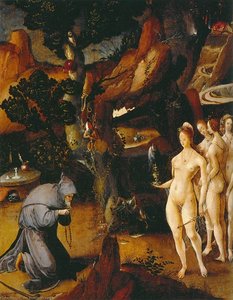
jan wellens de cock
1510 - 1570 , Netherlands
Quick Facts
- Artistic Movement Or Style: Early Renaissance
- Artists Or Movements Influenced By This Artist: ['Pre-Raphaelites']
- Artists Who Influenced This Artist: ['Fra Filippo Lippi']
- Date Of Birth: c. 1445
- Date Of Death: 1510
- Full Name: Alessandro di Mariano di Vanni Filipepi
- Nationality: Italian
- Notable Artworks:
- Primavera
- The Birth of Venus
- Adoration of the Magi
- Place Of Birth: Florence, Italy
Related Articles
Giclée Prints: Archival Quality & Aesthetic Nuances for the Discerning Collector
Explore the world of giclée prints with ArtsDot. Learn about archival quality, aesthetic nuances & investment potential. Expert guidance for discerning art collectors seeking museum-quality reproductions and lasting value.
El Greco's Masterpieces: Explore 25 Iconic Paintings & Spiritual Visions | ArtsDot
Journey through El Greco's 25 most iconic paintings! Explore the spiritual depth & dramatic beauty of this Spanish Renaissance master. Discover art history, techniques & find museum-quality reproductions for your home at ArtsDot.com.

Transforming Spaces: A Comprehensive Exploration of Wall Decor Through Art History & Contemporary Practice
Explore the art of transforming spaces with our comprehensive guide to wall decor. From historical movements to contemporary trends, discover how to curate impactful interiors and commission bespoke artwork for a truly personalized aesthetic.

Echoes of Time: Exploring the Enduring Appeal & Historical Context of Vintage Art Prints
Explore the captivating world of vintage art prints! Discover their history, collecting tips & enduring appeal. Expert insights on chromolithography and building a legacy collection with ArtsDot.

The Enduring Legacy of Fine Art Prints: Technique, History & Aesthetic Impact
Explore the rich history & techniques of fine art prints. Discover investment potential, assess authenticity, and learn how to preserve your collection with expert guidance. Trusted insights for discerning collectors.