 Preview
 Send
Send Share
Share
 Details

 Download
 Similars
 X-Ray
X-Ray Diaporama
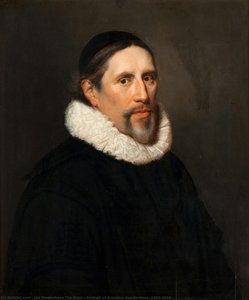
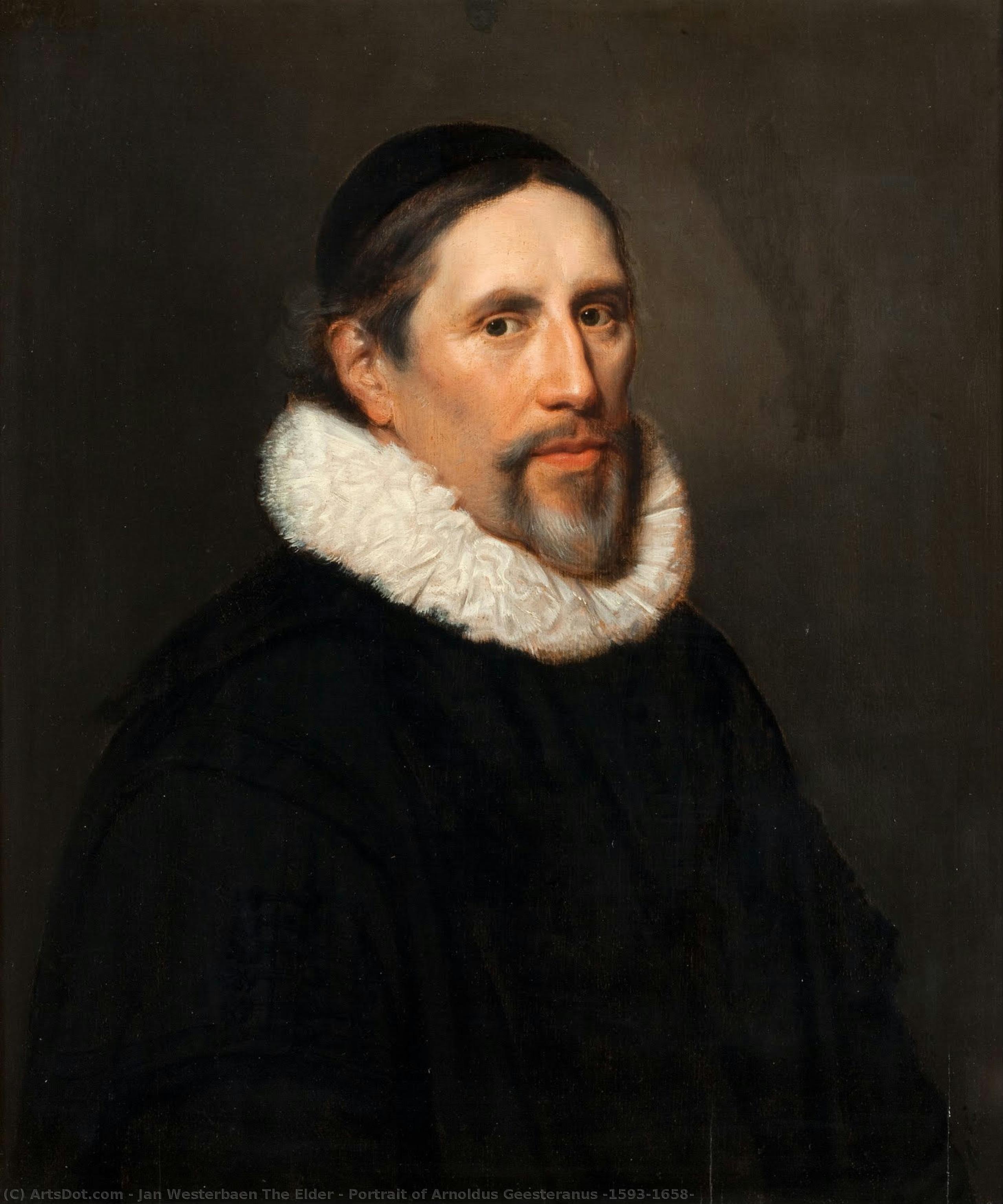
Portrait of Arnoldus Geesteranus (1593-1658)
 Acrylic On Canvas
- WallArt
- Dutch Baroque
 1647
1647 67.0 x 57.0 cm
 Mauritshuis
 Read More
Hand Made Oil Reproduction
Hand-painted oil on canvas in your size and frame, made to order by our artists. ( Buy Print Buy Image)




P118B $10

P118H $10

P118W $10

P438Z $10

P508JH $12

P508YH $12

P805H $10

P805Z $10

P919BZ $10

P919G $10

P919XJ $10

P959ZH $10

P968JZ $12

W106C $8

W218G $10

W218JH $8

W218Y $10

W307PJ $10

W316G $10

W316PJ $8

W316Y $10

W398PJ $8

W4111J $10

W500HY $15

W500JH $15

W692G $12

W849H $8

W940BG $15

W953PJ $8




Pick from our preset sizes that match the artwork's original proportions.

You may enter your own dimensions to fit a specific frame or space. If your selected size does not match the original image's proportions, we will either crop the artwork or extend the painting with additional hand-painted elements. A digital mockup will be sent for your approval before production begins.
Please note that the on-screen preview does not reflect the actual cropping or extension. Only the mockup will accurately show the final composition.
While custom sizes are available, we recommend selecting a dimension from the predefined list to preserve the original proportions.
After order, ArtsDot.com team will email client for instructions and provide a mockup preview
Worldwide Delivery () in 3/4 weeks instead of standard 5 weeks. (27 August). No compromise on quality.

Free Worldwide Express Shipping

High-Quality Linen Canvas

Full Shipping Insurance

Customs Tax Refund Guarantee

True Color Matching Guarantee

60-Day Return Policy (Defects Only)

100% Money-Back Guarantee

Bulk Discount Offer
 Glass option is only available in size under 110 CM

Portrait of Arnoldus Geesteranus (1593-1658)
Reproduction Medium
Reproduction Size
-


Total Price
$ 263
Artwork Description
A Dignified Portrait Reflecting Renaissance Influence
Jan Westerbaen the Elder’s “Portrait of Arnoldus Geesteranus” stands as a testament to the flourishing artistic landscape of 17th century Holland, specifically capturing a moment in time during the Baroque era. Executed in 1647, this oil on panel painting resides within the Mauritshuis museum collection and exemplifies Westerbaen’s masterful ability to convey both psychological depth and meticulous realism – characteristics that would become hallmarks of his oeuvre. The subject himself, Arnoldus Geesteranus, was a prominent Dutch jurist and statesman, reflecting the intellectual fervor of the period. Westerbaen skillfully portrays him with an unwavering gaze directed towards the viewer, conveying a sense of seriousness and contemplative introspection. The inclusion of a wig and white collar underscores the formality of his social standing, aligning perfectly with the conventions of portraiture during this era.Style and Technique: Blending Dutch Tradition with English Flair
Westerbaen’s artistic approach skillfully merges elements of Dutch and English painting traditions. Like many artists of his time, he embraced chiaroscuro – dramatic contrasts between light and shadow – to sculpt form and imbue the portrait with emotional resonance. The subtle gradations of tone create a palpable sense of depth, drawing attention to Geesteranus’s facial features and conveying an aura of dignified composure. Furthermore, Westerbaen's meticulous attention to detail is evident in the rendering of textures—the fabric of the wig, the collar, and even the wall behind him—demonstrating his dedication to capturing the nuances of reality.Historical Context: The Baroque Era’s Pursuit of Ideal Beauty
Painted during the Baroque period (approximately 1600-1750), “Portrait of Arnoldus Geesteranus” reflects the broader artistic trends of its time. Baroque art prioritized grandeur, emotion, and theatricality, aiming to inspire awe and convey profound spiritual or intellectual ideas. Westerbaen’s depiction aligns with this aesthetic sensibility by presenting a portrait that is both aesthetically pleasing and psychologically engaging—a reflection of the humanist values prevalent during the Renaissance and continuing into the Baroque era.Symbolism: Dignity and Reflection
The pose itself – direct gaze, upright posture – speaks to notions of dignity and intellectual prowess. The wall serves as a subtle backdrop, symbolizing stability and contemplation, mirroring Geesteranus’s inner state. These elements contribute to the portrait's overall impact, inviting viewers to contemplate not only the subject’s appearance but also his character and intellect—a hallmark of Baroque portraiture’s ambition to capture the essence of human experience.Emotional Impact: Capturing Inner Character
Ultimately, Westerbaen succeeds in conveying a powerful emotional impression. The portrait transcends mere likeness; it captures Geesteranus's inner spirit – his thoughtfulness and seriousness – inviting contemplation on virtue and intellect. This enduring quality ensures that “Portrait of Arnoldus Geesteranus” continues to resonate with audiences today as an exemplar of Renaissance artistic ideals translated into the Baroque style.Related Artworks
Artist Biography
early life and training
jan westerbaen the elder, a prominent dutch painter, was born in the hague in 1603. as the son of a wealthy catholic patrician family, he had the opportunity to pursue his artistic inclinations from an early age. westerbaen's initial training in drawing was under the guidance of jan antonisz. van ravesteyn, a renowned portrait artist from the hague.artistic influences and career
in 1623, westerbaen moved to england, where he spent 16 years, absorbing influences from notable artists such as anthony van dyck, cornelis janssens van ceulen, and daniel mytens. this period significantly shaped his style, which would later be characterized by its blend of dutch and english artistic traditions.notable works and associations
- **portrait of arnoldus geesteranus (1593-1658)** (mauritshuis, the hague, netherlands, oil on panel): this piece exemplifies westerbaen's mastery of portraiture, showcasing his subject in a dignified yet approachable manner. - **association with constantijn huygens**: westerbaen enjoyed the patronage of constantijn huygens, which introduced him to the royal court, further solidifying his reputation as a portrait artist of note.later life and legacy
upon returning to the hague in 1640, westerbaen married maria van ravesteyn, daughter of his former drawing teacher. he became deacon of the guild of st. luke in 1645 and later headed the confrerie pictura for a period. in 1666, he was awarded a silver goblet for his service to this group. key points:- jan westerbaen the elder was a dutch painter born in the hague in 1603.
- he studied drawing with jan antonisz. van ravesteyn and later moved to england, influenced by anthony van dyck, cornelis janssens van ceulen, and daniel mytens.
- westerbaen's notable works include "portrait of arnoldus geesteranus (1593-1658)" at the mauritshuis, the hague.
- he was awarded a silver goblet in 1666 for his service to the confrerie pictura.
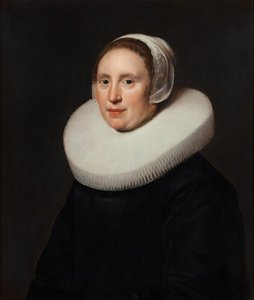
jan westerbaen the elder
1603 - 1671 , Netherlands
Quick Facts
- Artistic Movement Or Style: Dutch landscape painting
- Artists Or Movements Influenced By This Artist:
- Terborch
- Metsu
- Artists Who Influenced This Artist:
- Rafel Camphuysen
- Jochem Camphuysen
- Date Of Birth: 1603/1604
- Date Of Death: 1677
- Full Name: Aert van der Neer
- Nationality: Dutch
- Notable Artworks:
- Moonlit Landscape
- Winter in Holland
- Place Of Birth: Amsterdam, Netherlands
Related Articles
Jan Steen: A Master of Dutch Genre Painting & the Golden Age
Explore the life & art of Jan Steen, a leading Dutch Golden Age painter renowned for his humorous genre scenes & insightful social commentary. Discover his techniques, legacy, and collecting tips.
Jan van Goyen: Master of Dutch Landscape & Atmospheric Perspective
Discover Jan van Goyen, the master of Dutch landscape painting. Explore his subtle technique, atmospheric realism & lasting influence on art history. Learn about this 17th-century pioneer at ArtsDot.

Dutch Baroque Masters: 10 Paintings That Shaped an Era | ArtsDot
Journey through the Golden Age with our guide to the Top 10 Dutch Baroque masterpieces! Explore iconic paintings by Rembrandt, Vermeer & Frans Hals. Find museum-quality art reproductions and elevate your home decor at ArtsDot.com.
Illuminating a Century of Change: Artistic Expression & Societal Shifts in 17th-Century Europe
Explore the artistic brilliance of the 17th-century Dutch Golden Age & Baroque period. Discover Rembrandt, genre painting, and chiaroscuro techniques. Expert insights for art lovers & collectors.
Masterpieces of the 17th Century: Art, History & Decor Inspiration | ArtsDot
Journey through 17th century art with masterpieces by Rembrandt, Vermeer & Caravaggio. Explore Baroque paintings, Dutch Golden Age techniques & timeless beauty. Find museum-quality reproductions and elevate your home decor on ArtsDot.com.