 Preview
 Send
Send Share
Share
 Details

 Download
 Similars
 X-Ray
X-Ray Diaporama
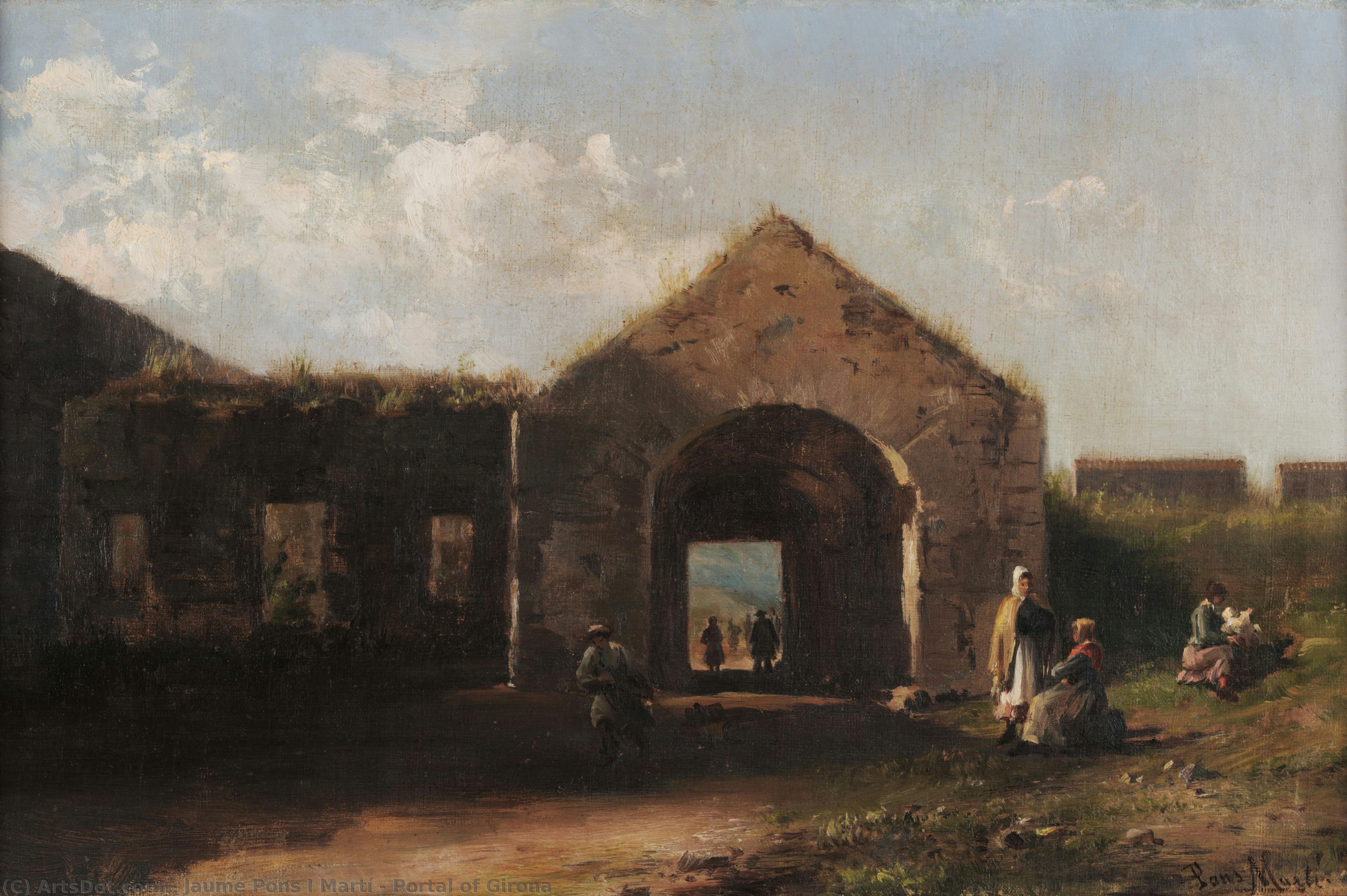
Portal of Girona
 Impressionism
 31.0 x 47.0 cm
 Girona Art Museum
 Read More
Hand Made Oil Reproduction
Hand-painted oil on canvas in your size and frame, made to order by our artists. ( Buy Print Buy Image)




P118B $10

P118H $10

P118W $10

P438Z $10

P508JH $12

P508YH $12

P805H $10

P805Z $10

P919BZ $10

P919G $10

P919XJ $10

P959ZH $10

P968JZ $12

W106C $8

W218G $10

W218JH $8

W218Y $10

W307PJ $10

W316G $10

W316PJ $8

W316Y $10

W398PJ $8

W4111J $10

W500HY $15

W500JH $15

W692G $12

W849H $8

W940BG $15

W953PJ $8




Pick from our preset sizes that match the artwork's original proportions.

You may enter your own dimensions to fit a specific frame or space. If your selected size does not match the original image's proportions, we will either crop the artwork or extend the painting with additional hand-painted elements. A digital mockup will be sent for your approval before production begins.
Please note that the on-screen preview does not reflect the actual cropping or extension. Only the mockup will accurately show the final composition.
While custom sizes are available, we recommend selecting a dimension from the predefined list to preserve the original proportions.
After order, ArtsDot.com team will email client for instructions and provide a mockup preview
Worldwide Delivery () in 3/4 weeks instead of standard 5 weeks. (26 August). No compromise on quality.

Free Worldwide Express Shipping

High-Quality Linen Canvas

Full Shipping Insurance

Customs Tax Refund Guarantee

True Color Matching Guarantee

60-Day Return Policy (Defects Only)

100% Money-Back Guarantee

Bulk Discount Offer
 Glass option is only available in size under 110 CM

Portal of Girona
Reproduction Medium
Reproduction Size
-


Total Price
$ 263
Related Artworks

Artist Biography
Gustave Courbet: A Revolutionary Vision of Reality
Born in Ornans, France, in 1819, Gustave Courbet’s life and art were inextricably linked to a profound rejection of academic tradition and a passionate commitment to portraying the world as he saw it. His early years, marked by a rebellious spirit instilled by his anti-monarchical family, foreshadowed a career dedicated to challenging established artistic norms. Initially drawn to lithography, Courbet quickly gravitated towards painting, establishing himself as a pivotal figure in the Realist movement – a reaction against the idealized Romanticism that dominated much of the early 19th century.
Courbet’s artistic journey was not without obstacles. His ambitious works, particularly “The Painter's Studio,” were repeatedly rejected by official Salon exhibitions, including the prestigious 1855 exhibition in Paris. This rejection, rather than deterring him, fueled his determination to create an alternative platform for his art. In a bold move, he organized his own independent exhibition in 1855, showcasing “The Painter’s Studio” alongside other works, effectively establishing the "Pavilion of Realism" and forcing the Parisian art world to confront a new, unvarnished perspective.
The Palette of Everyday Life
Courbet's artistic philosophy centered on depicting subjects from everyday life – peasants, laborers, landscapes, and still lifes – with uncompromising honesty. He eschewed historical or mythological themes, believing that true art should reflect the realities of contemporary existence. His paintings are characterized by a deliberate lack of idealization; figures are rendered in their natural state, often depicted with unflattering details and without romantic embellishment. This commitment to realism extended beyond mere representation; Courbet sought to capture the essence of his subjects, conveying their dignity, struggles, and humanity.
Consider “The Stone Breakers” (1849-50), a monumental work that depicts two elderly laborers engaged in backbreaking work. The painting’s scale is deliberately imposing, forcing the viewer to confront the harsh realities of rural poverty. Similarly, his landscapes, such as "Pluie de Printemps" ("Spring Rain," 1873-74) and “The Haystacks” (1870-72), are not picturesque vistas but rather honest portrayals of the natural world, imbued with a sense of atmosphere and emotion. His use of color was equally revolutionary; he favored earthy tones and muted palettes, rejecting the bright, vibrant hues often associated with academic painting.
Symbolism and Social Commentary
While committed to Realism, Courbet’s work is not devoid of symbolism or social commentary. “The Painter's Studio” itself is a complex allegory, representing the artist’s struggle for recognition and independence within the constraints of the art establishment. The figures in the painting – the artist, his model, and the child – each embody different aspects of the artistic process and the societal pressures faced by an aspiring artist. The inclusion of the nude woman, often interpreted as a symbol of inspiration or muse, adds another layer of complexity to the work’s meaning.
Furthermore, Courbet's paintings frequently addressed social issues, such as poverty, labor exploitation, and the plight of the marginalized. “A Burial at Ornans” (1849-50), a massive canvas depicting a village funeral, is particularly notable for its unflinching portrayal of rural life and its critique of societal inequalities. The painting’s scale and realism shocked many viewers, who were accustomed to more conventional depictions of death and mourning.
Legacy and Influence
Gustave Courbet's impact on the course of art history is undeniable. He challenged the conventions of academic painting and paved the way for subsequent movements such as Impressionism and Post-Impressionism. His emphasis on realism, his rejection of idealized subjects, and his willingness to address social issues inspired generations of artists to break free from traditional constraints and explore new forms of expression.
Despite facing criticism and censorship throughout his career, Courbet remained steadfast in his artistic vision. He died in Paris in 1877, leaving behind a body of work that continues to resonate with viewers today. His paintings serve as a powerful reminder of the transformative potential of art – its ability to challenge perceptions, provoke thought, and illuminate the complexities of human experience. His legacy endures not only through his individual masterpieces but also through the profound influence he exerted on the development of modern art.
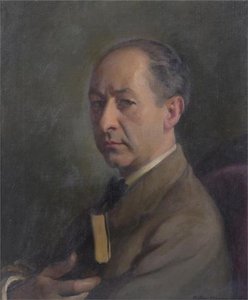
jaume pons i martí
1855 - 1931 , Spain
Quick Facts
- Artistic Movement Or Style: Realism
- Artists Or Movements Influenced By This Artist:
- Impressionism
- Cubism
- Artists Who Influenced This Artist: ['Jean-François Millet']
- Date Of Birth: 1855
- Date Of Death: 1931
- Full Name: Jean Désiré Gustave Courbet
- Nationality: French
- Notable Artworks:
- The Painter’s Studio
- L'Atelier du Peintre
- Bonjour Monsieur Courbet
- Place Of Birth: Ornans, France
Related Articles

Impressionistic Landscapes: 10 Masterpieces That Changed Art & Decor
Journey into the heart of Impressionism! Explore 10 masterpieces by Monet, Renoir & Degas that revolutionized landscape art. Discover their stories, techniques & find museum-quality reproductions to elevate your home decor on ArtsDot.com.

Impressionist Landscapes: 10 Masterpieces for Your Home | ArtsDot
Journey through 10 iconic Impressionist landscapes by Monet, Renoir & Degas. Explore the history, techniques & emotions behind these masterpieces. Find museum-quality reproductions for your home at ArtsDot.com – where art comes to life! Discover all masterpieces on ArtsDot.com

Evocations of Place: A Historical Journey Through Landscape Art
Explore the rich history of landscape art with ArtsDot. Discover renowned artists, movements like Impressionism & Romanticism, and expert guidance for collecting timeless pieces. Find your perfect serene escape today!

Romantic Landscapes: 10 Masterpieces for Your Home | ArtsDot
Journey through 10 Romantic landscape masterpieces by Friedrich, Turner & Cole. Explore emotional art, sublime nature scenes & iconic 19th-century paintings. Find museum-quality reproductions for your home at ArtsDot.com – discover the full collection online!

John Constable's Masterpieces: Explore 25 Iconic Landscapes for Your Home
Journey through John Constable's 25 most celebrated landscapes. Explore Romanticism, Dedham Vale & his masterful use of light in iconic paintings like 'Hay Wain'. Find museum-quality art reproductions and elevate your home decor on ArtsDot.com.