 Preview
 Send
Send Share
Share
 Details

 Download
 Similars
 X-Ray
X-Ray Diaporama
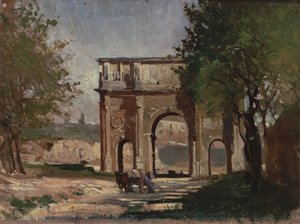
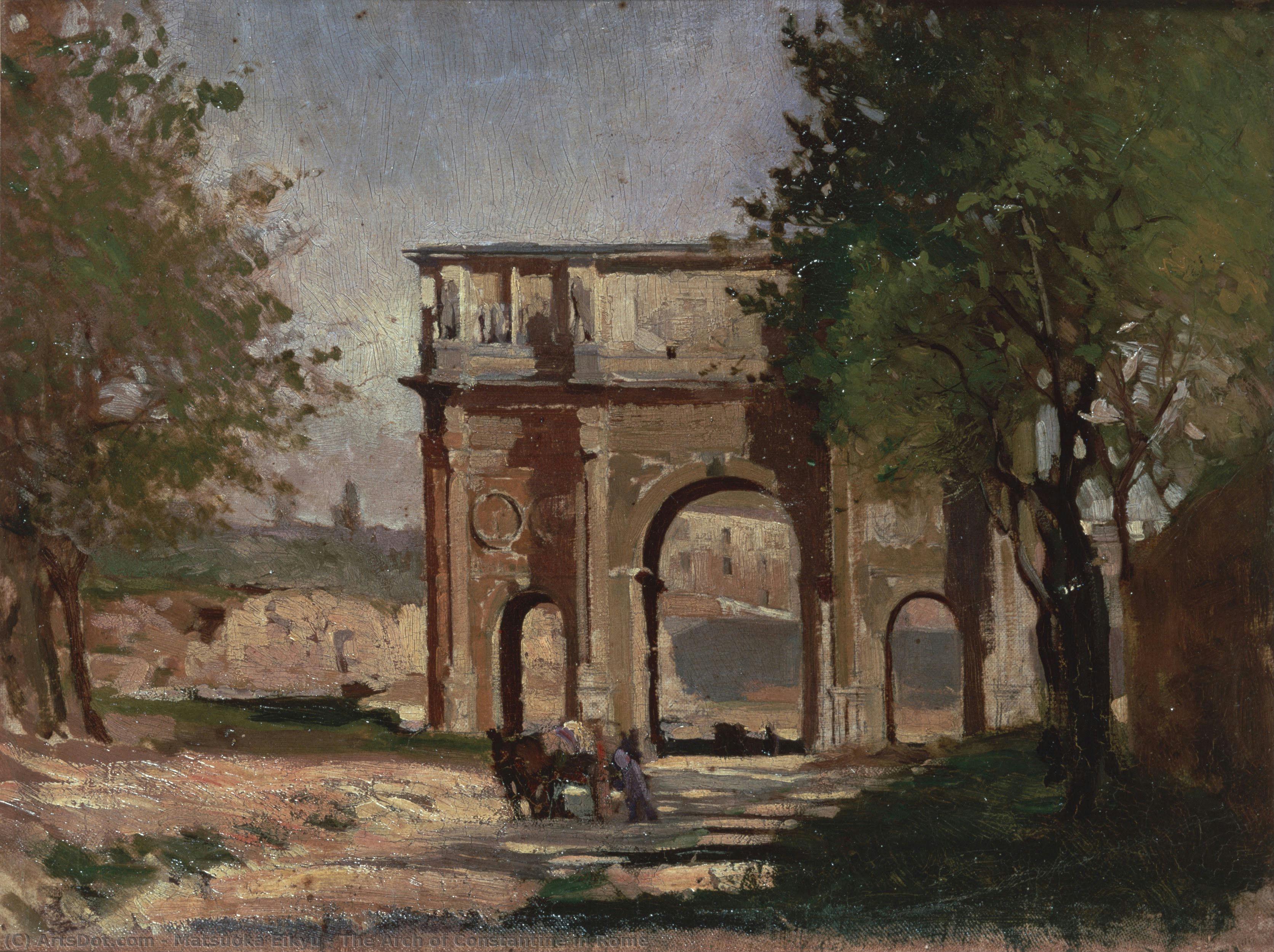
The Arch of Constantine in Rome
 1882
1882 23.0 x 31.0 cm
 Read More
Hand Made Oil Reproduction
Hand-painted oil on canvas in your size and frame, made to order by our artists. ( Buy Print Buy Image)




































Pick from our preset sizes that match the artwork's original proportions.

You may enter your own dimensions to fit a specific frame or space. If your selected size does not match the original image's proportions, we will either crop the artwork or extend the painting with additional hand-painted elements. A digital mockup will be sent for your approval before production begins.
Please note that the on-screen preview does not reflect the actual cropping or extension. Only the mockup will accurately show the final composition.
While custom sizes are available, we recommend selecting a dimension from the predefined list to preserve the original proportions.
After order, ArtsDot.com team will email client for instructions and provide a mockup preview
Worldwide Delivery () in 3/4 weeks instead of standard 5 weeks. (23 August). No compromise on quality.

Free Worldwide Express Shipping

High-Quality Linen Canvas

Full Shipping Insurance

Customs Tax Refund Guarantee

True Color Matching Guarantee

60-Day Return Policy (Defects Only)

100% Money-Back Guarantee

Bulk Discount Offer
 Glass option is only available in size under 110 CM

The Arch of Constantine in Rome
Reproduction Medium
Reproduction Size
-


Total Price
$ 263
Artwork Description
Related Artworks






Artist Biography
The Renaissance of the Yamato Style: The Life of Matsuoka Eikyu
In the vibrant tapestry of early 20th-century Japanese art, few figures loom as gracefully as Matsuoka Eikyu. Born in 1881 in the scenic region of Hyogo, Eikyu emerged during a transformative era when Japan was navigating the delicate balance between ancient traditions and rapid modernization. His journey into the heart of classical aesthetics began at the prestigious Tokyo School of Fine Arts, where his profound talent was recognized with a first-class honors degree. This academic foundation provided him with more than just technical skill; it instilled in him a deep reverence for the historical lineages of Japanese painting, setting the stage for a career dedicated to the preservation and evolution of national identity through the brush.
Eikym's artistic soul was deeply rooted in the Yamato-e tradition, a classical style of Japanese painting that flourished long before foreign influences began to reshape the archipelago. While many of his contemporaries were looking toward Western realism, Eikyu looked backward to move forward. He became a pivotal figure in reviving and modernizing this "Japanese style," breathing fresh vitality into compositions that had been dormant for centuries. By infusing the Yamato-e aesthetic with a renewed sense of clarity and purpose during the 1920s and 1930s, he ensured that the distinctively Japanese way of seeing—characterized by its unique perspective and emotional resonance—remained relevant to a modernizing audience.
Mastery of Technique and the Shin-Hanga Spirit
The brilliance of Matsuoka Eikyu’s work lies in his ability to synthesize disparate historical influences into a cohesive, breathtaking visual language. His technique was a masterful dialogue between the delicate elegance of Yamato-e and the structured, disciplined power of the Kanō School. This synthesis allowed him to create works that were simultaneously intricate and bold. A viewer captivated by his paintings is often struck by the vibrant use of color and the deliberate, confident brushstrokes that define every landscape and historical scene. His ability to render fine details with such precision gave his subjects a lifelike presence, even within the stylized framework of traditional Japanese art.
Beyond his individual canvases, Eikyu was a vital architect of the artistic community. He was an active and influential participant in the Shin-Hanga movement, a period characterized by a "new print" approach that sought to revitalize traditional woodblock printing through modern sensibilities. His commitment to the collective good was further evidenced by his role in founding the Kyoto Artists Group. This collective served as a sanctuary for artists dedicated to the preservation of traditional Japanese forms, fostering an environment where heritage could be celebrated and shared with the world. Through these organized efforts, Eikyu helped ensure that the cultural heartbeat of Japan continued to pulse strongly amidst the tides of global change.
A Lasting Legacy in the Modern Era
Though his life was cut short in 1938, the impact of Matsuoka Eikyu continues to resonate through the halls of art history. His legacy is not merely found in the physical beauty of his paintings, but in the inspiration he provided to subsequent generations of artists who sought to find beauty in their own cultural roots. He proved that tradition is not a static relic of the past, but a living, breathing entity capable of profound transformation.
Today, the fruits of his labor are preserved for all to admire in esteemed institutions such as the Shohaku Art Museum. His works serve as windows into a vanished era, offering a glimpse into the meticulous craftsmanship and the spiritual depth of the Japanese spirit. To study Eikyu is to witness the triumph of cultural identity, as he successfully bridged the gap between the ancient glories of the Kofun period and the dawn of the modern age, leaving behind a trail of color and light that continues to illuminate the world of fine art.
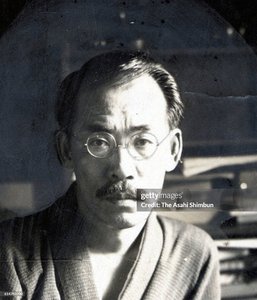
matsuoka eikyu
1881 - 1938 , Japan
Quick Facts
- Artistic Movement Or Style: Yamato style & Shin-hanga
- Artists Or Movements Influenced By This Artist: ['Yamato e']
- Artists Who Influenced This Artist: ['Kanō School']
- Date Of Birth: 1881
- Date Of Death: 1938
- Full Name: matsuoka eikyu
- Nationality: Japanese
- Notable Artworks:
- Pond at Ikaho
- The Arch of Constantine in Rome
- The“Once-upon-a-time”Stories;Ise
- Place Of Birth: Hyogo, Japan