

 Preview
 Send
Send Share
Share
 Details

 Download
 Similars
 X-Ray
X-Ray Diaporama
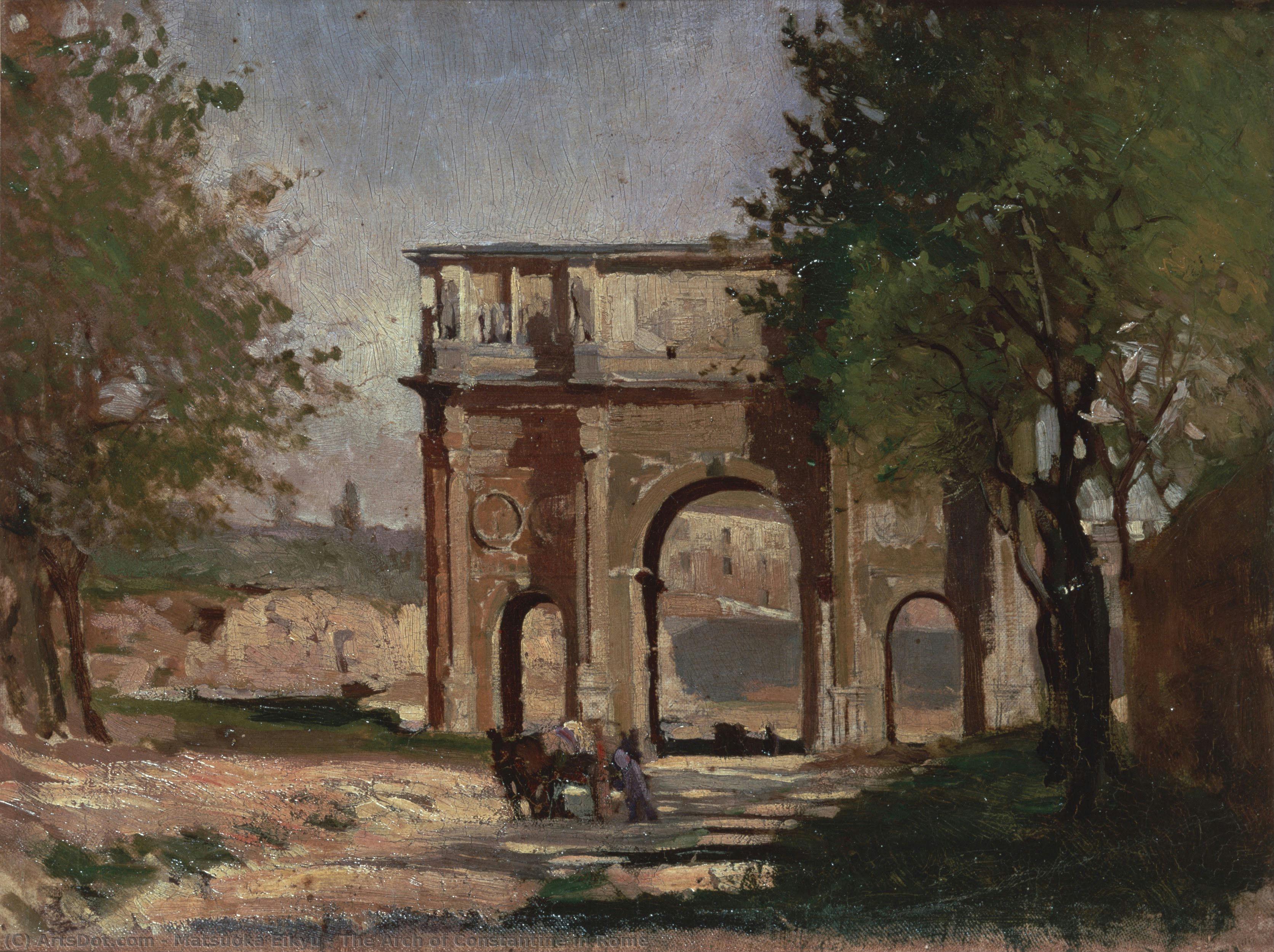
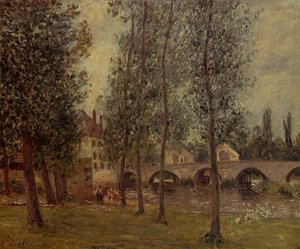
The Arch of Constantine in Rome
 1882
1882 23.0 x 31.0 cm
 Read More
Purchase a high-resolution, enhanced digital image, far superior to the online preview.
Each file is meticulously prepared by our in-house specialists using advanced tools and expert manual retouching. We ensure every image has exceptional clarity, precise color accuracy, and fine detail.
The final file is delivered via email within 72 hours, optimized for immediate use in professional, editorial, and print environments. This is the same quality trusted by top-tier design studios, publishers, and galleries.
Digital Image
Download a high-resolution file for personal display, printing, and creative projects. ( Buy Print Buy Hand Made Painting)
Included in Every Digital Image Order
Expert Digital Delivery, Guaranteed
When you choose ArtsDot.com, you're not just getting an image - you're receiving a professionally enhanced digital artwork, crafted with precision and backed by a satisfaction guarantee. Here's everything that comes with your order, automatically:

Fast Email Delivery
Your high-resolution digital image file will be emailed to you within 72 hours of ordering - ready for immediate use.

AI-Enhanced Digital File
Your artwork is professionally optimized using advanced AI tools and manual editing, ensuring maximum detail, clarity, and color accuracy.

Free Lifetime Re-Delivery
Accidentally deleted or lost your file? No worries - we'll resend it to you anytime, free of charge.

No Import Fees - Ever
Enjoy your artwork instantly with zero customs, duties, or delivery fees - digital downloads are always tax-free.

Color Accuracy Guarantee
We ensure your digital image reflects the original colors as closely as possible using professional tools and color management.

60-Day Satisfaction Guarantee
If you're not satisfied with your digital image, we'll revise it or refund 100% within 60 days - no questions asked.

100% Money-Back Guarantee
Not satisfied? Get a full refund within 60 days of receiving your digital file - no questions asked.

Bulk Order Discounts
Buy 3 images, save 10% - Buy 5, save 15% - Buy 10+, save 20%. Great for creative projects, galleries, and agencies.
Collectible Description
Related Artworks






Artist Biography
The Renaissance of the Yamato Style: The Life of Matsuoka Eikyu
In the vibrant tapestry of early 20th-century Japanese art, few figures loom as gracefully as Matsuoka Eikyu. Born in 1881 in the scenic region of Hyogo, Eikyu emerged during a transformative era when Japan was navigating the delicate balance between ancient traditions and rapid modernization. His journey into the heart of classical aesthetics began at the prestigious Tokyo School of Fine Arts, where his profound talent was recognized with a first-class honors degree. This academic foundation provided him with more than just technical skill; it instilled in him a deep reverence for the historical lineages of Japanese painting, setting the stage for a career dedicated to the preservation and evolution of national identity through the brush.
Eikym's artistic soul was deeply rooted in the Yamato-e tradition, a classical style of Japanese painting that flourished long before foreign influences began to reshape the archipelago. While many of his contemporaries were looking toward Western realism, Eikyu looked backward to move forward. He became a pivotal figure in reviving and modernizing this "Japanese style," breathing fresh vitality into compositions that had been dormant for centuries. By infusing the Yamato-e aesthetic with a renewed sense of clarity and purpose during the 1920s and 1930s, he ensured that the distinctively Japanese way of seeing—characterized by its unique perspective and emotional resonance—remained relevant to a modernizing audience.
Mastery of Technique and the Shin-Hanga Spirit
The brilliance of Matsuoka Eikyu’s work lies in his ability to synthesize disparate historical influences into a cohesive, breathtaking visual language. His technique was a masterful dialogue between the delicate elegance of Yamato-e and the structured, disciplined power of the Kanō School. This synthesis allowed him to create works that were simultaneously intricate and bold. A viewer captivated by his paintings is often struck by the vibrant use of color and the deliberate, confident brushstrokes that define every landscape and historical scene. His ability to render fine details with such precision gave his subjects a lifelike presence, even within the stylized framework of traditional Japanese art.
Beyond his individual canvases, Eikyu was a vital architect of the artistic community. He was an active and influential participant in the Shin-Hanga movement, a period characterized by a "new print" approach that sought to revitalize traditional woodblock printing through modern sensibilities. His commitment to the collective good was further evidenced by his role in founding the Kyoto Artists Group. This collective served as a sanctuary for artists dedicated to the preservation of traditional Japanese forms, fostering an environment where heritage could be celebrated and shared with the world. Through these organized efforts, Eikyu helped ensure that the cultural heartbeat of Japan continued to pulse strongly amidst the tides of global change.
A Lasting Legacy in the Modern Era
Though his life was cut short in 1938, the impact of Matsuoka Eikyu continues to resonate through the halls of art history. His legacy is not merely found in the physical beauty of his paintings, but in the inspiration he provided to subsequent generations of artists who sought to find beauty in their own cultural roots. He proved that tradition is not a static relic of the past, but a living, breathing entity capable of profound transformation.
Today, the fruits of his labor are preserved for all to admire in esteemed institutions such as the Shohaku Art Museum. His works serve as windows into a vanished era, offering a glimpse into the meticulous craftsmanship and the spiritual depth of the Japanese spirit. To study Eikyu is to witness the triumph of cultural identity, as he successfully bridged the gap between the ancient glories of the Kofun period and the dawn of the modern age, leaving behind a trail of color and light that continues to illuminate the world of fine art.
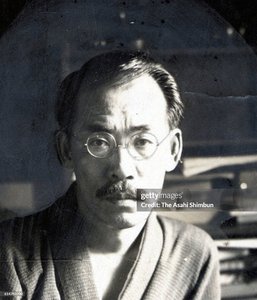
matsuoka eikyu
1881 - 1938 , Japan
Quick Facts
- Artistic Movement Or Style: Yamato style & Shin-hanga
- Artists Or Movements Influenced By This Artist: ['Yamato e']
- Artists Who Influenced This Artist: ['Kanō School']
- Date Of Birth: 1881
- Date Of Death: 1938
- Full Name: matsuoka eikyu
- Nationality: Japanese
- Notable Artworks:
- Pond at Ikaho
- The Arch of Constantine in Rome
- The“Once-upon-a-time”Stories;Ise
- Place Of Birth: Hyogo, Japan

