 Preview
 Send
Send Share
Share
 Details

 Download
 Similars
 X-Ray
X-Ray Diaporama
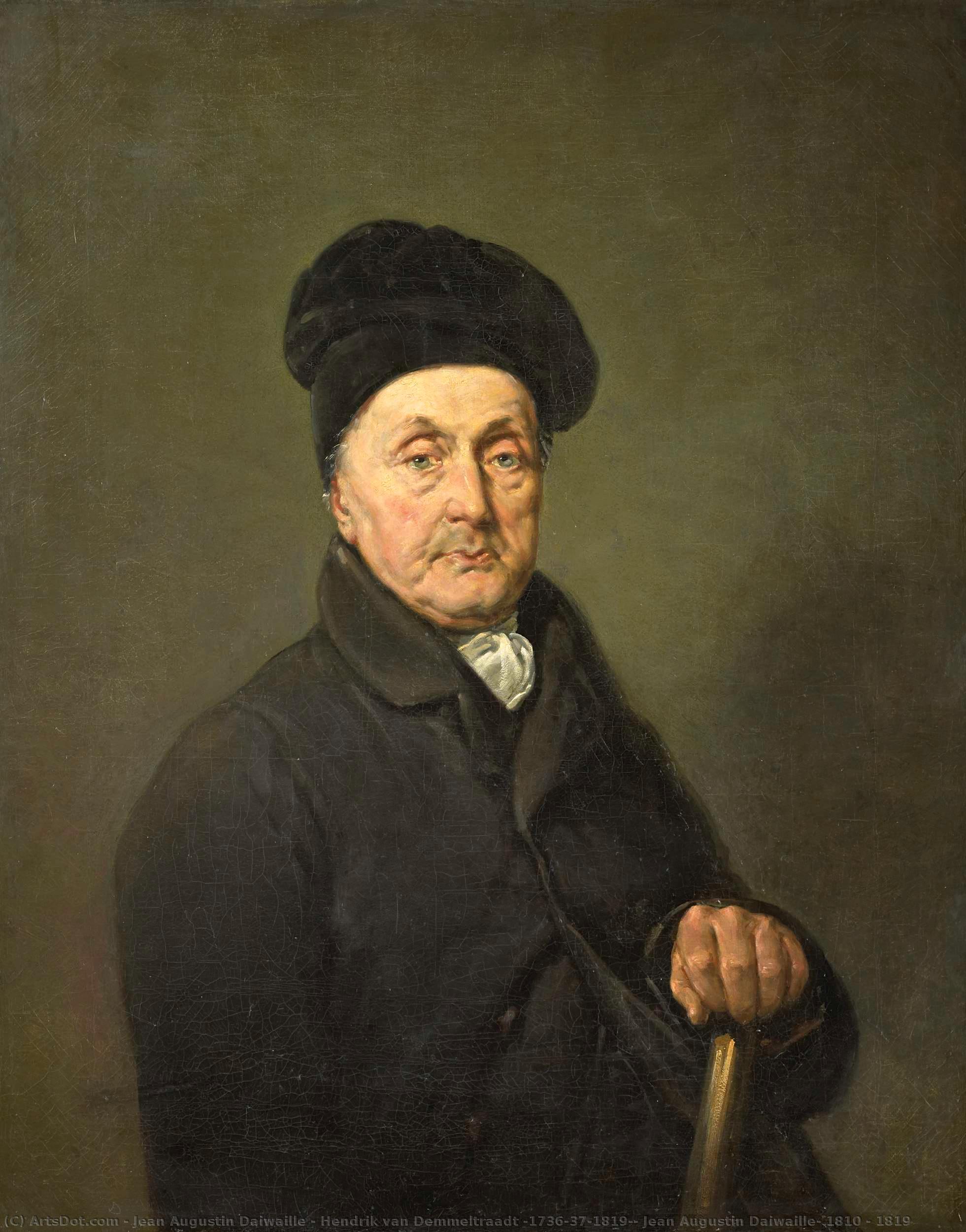
Hendrik van Demmeltraadt (1736/37-1819), Jean Augustin Daiwaille, 1810 - 1819
 1819
1819 78.0 x 62.0 cm
 Read More
Hand Made Oil Reproduction
Hand-painted oil on canvas in your size and frame, made to order by our artists. ( Buy Print Buy Image)




































Pick from our preset sizes that match the artwork's original proportions.

You may enter your own dimensions to fit a specific frame or space. If your selected size does not match the original image's proportions, we will either crop the artwork or extend the painting with additional hand-painted elements. A digital mockup will be sent for your approval before production begins.
Please note that the on-screen preview does not reflect the actual cropping or extension. Only the mockup will accurately show the final composition.
While custom sizes are available, we recommend selecting a dimension from the predefined list to preserve the original proportions.
After order, ArtsDot.com team will email client for instructions and provide a mockup preview
Worldwide Delivery () in 3/4 weeks instead of standard 5 weeks. (5 September). No compromise on quality.

Free Worldwide Express Shipping

High-Quality Linen Canvas

Full Shipping Insurance

Customs Tax Refund Guarantee

True Color Matching Guarantee

60-Day Return Policy (Defects Only)

100% Money-Back Guarantee

Bulk Discount Offer
 Glass option is only available in size under 110 CM

Hendrik van Demmeltraadt (1736/37-1819), Jean Augustin Daiwaille, 1810 - 1819
Reproduction Medium
Reproduction Size
-


Total Price
$ 263
Related Artworks






Artist Biography
A Portraitist of Transition: The Life and Legacy of Jean Augustin Daiwaille
Jean Augustin Daiwaille, born in Cologne in 1786, occupies a fascinating, if often overlooked, position within the landscape of 19th-century Dutch art. His life traced a path from the meticulous traditions of portraiture to the burgeoning possibilities offered by lithography, making him not only a skilled painter but also an important innovator during a period of significant artistic change. Daiwaille’s story is one of adaptation and influence, marked by his dedication to capturing likeness alongside his pioneering spirit in embracing new technologies.
Early Training and Rise to Prominence
Daiwaille's artistic journey began with formal training in Amsterdam under the esteemed Adriaan de Lelie. De Lelie was a prominent figure in Dutch Neoclassical painting, and his influence undoubtedly shaped Daiwaille’s early style – a focus on precise draftsmanship, balanced composition, and a restrained emotional palette. However, Daiwaille quickly developed a distinct sensibility within this framework. He wasn't merely replicating the styles of his teacher; he was honing an ability to capture not just physical resemblance but also something of the sitter’s inner character. This talent propelled him forward, culminating in his appointment as director of the prestigious Rijksakademie between 1820 and 1826.
Rotterdam Years: A Flourishing Portrait Practice
The period following Daiwaille's directorship saw a relocation to Rotterdam, where he established himself as a highly sought-after portraitist. He thrived in the bustling port city, painting the likenesses of merchants, professionals, and members of the growing middle class. His portraits from this time are characterized by their refined elegance and psychological depth. He possessed an exceptional skill for rendering textures – the sheen of silk, the warmth of skin, the subtle play of light on hair – creating images that were both realistic and flattering. While rooted in tradition, his work also reflects a growing awareness of contemporary trends, hinting at a move towards greater naturalism.
Pioneering Lithography: Expanding Artistic Horizons
Daiwaille’s legacy extends beyond the canvas. He was an early adopter – and ardent champion – of lithography in the Netherlands during the 1820s. Recognizing the potential of this new medium, he oversaw the installation of a lithographic press at the Koninklijke Academie and dedicated himself to teaching students its intricacies. This wasn’t simply about technical instruction; it was about opening up new avenues for artistic expression and dissemination. In 1826, Daiwaille established his own lithographic business, producing reproductions of his paintings – making his work accessible to a wider audience – and collaborating with fellow artists like Barend Cornelis Koekkoek on creating copies of their masterpieces. This collaborative spirit underscores his role as a facilitator within the artistic community.
Family and Artistic Connections
The Daiwaille family itself became interwoven with the fabric of Dutch art. His daughter, Elise Thérèse, married Barend Cornelis Koekkoek, one of his frequent collaborators, solidifying a significant professional and personal connection. His son, Alexander Joseph Daiwaille, also followed in his father’s footsteps, becoming a painter himself. This familial dedication to the arts speaks volumes about the values instilled within the household – a commitment to craftsmanship, artistic innovation, and the enduring power of visual representation. Jean Augustin Daiwaille died in 1850, leaving behind a body of work that reflects a pivotal moment in Dutch art history—a transition from established traditions towards new possibilities, and a lasting influence on generations of artists.
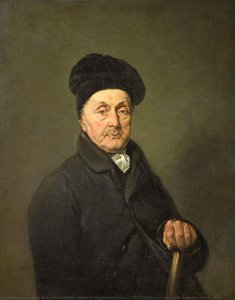
jean augustin daiwaille
1786 - 1850 , Germany
Quick Facts
- Artistic Movement Or Style: Portraiture, Lithography
- Artists Or Movements Influenced By This Artist: ['Barend Cornelis Koekkoek']
- Artists Who Influenced This Artist: ['Adriaan de Lelie']
- Date Of Birth: August 6, 1786
- Date Of Death: April 11, 1850
- Full Name: Jean Augustin Daiwaille
- Nationality: Dutch
- Place Of Birth: Cologne, Germany