

 Preview
 Send
Send Share
Share
 Details

 Download
 Similars
 X-Ray
X-Ray Diaporama
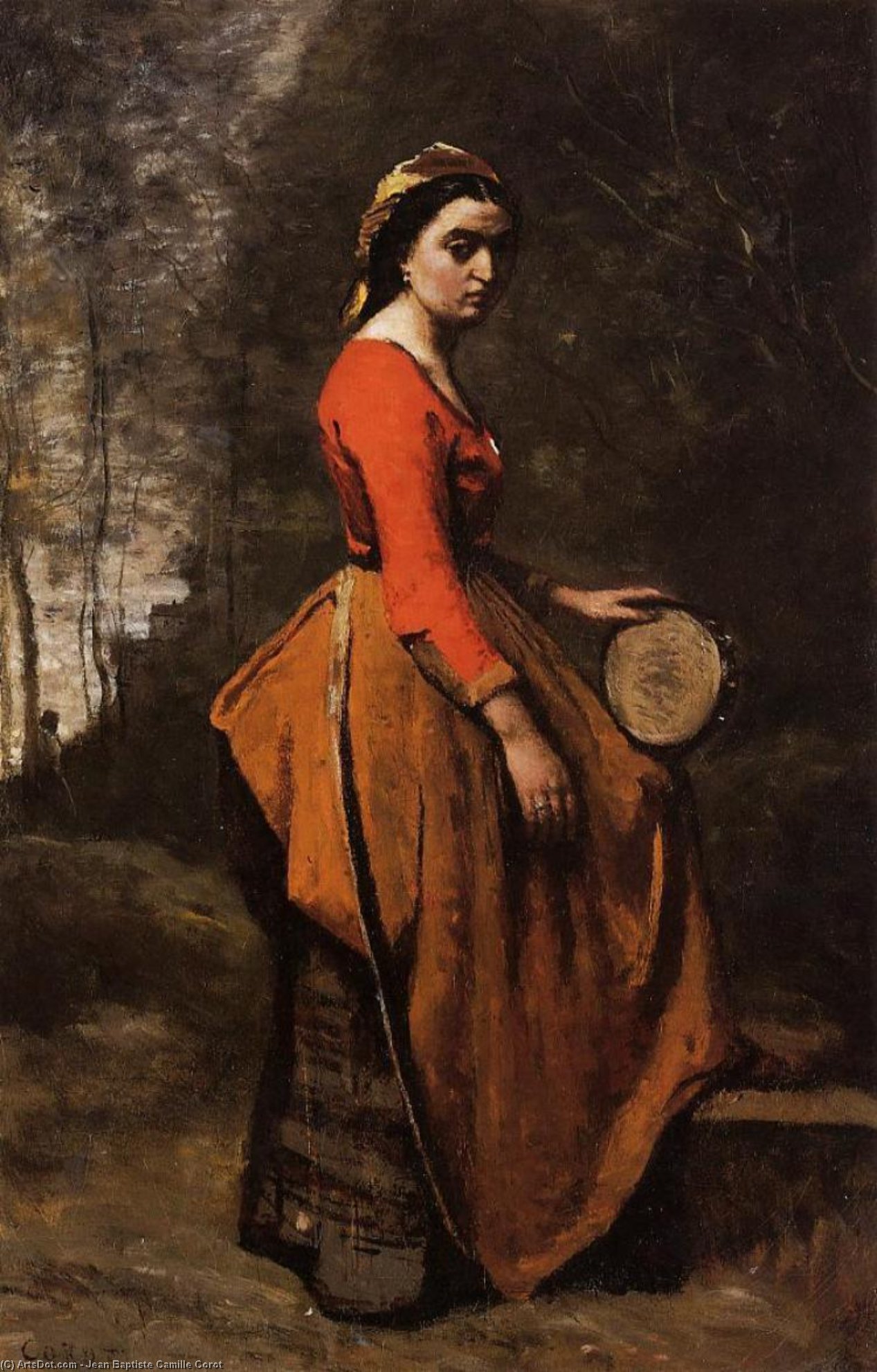
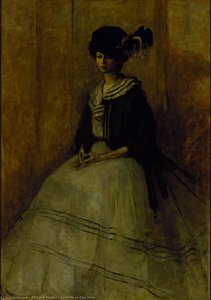
Gypsy with a Basque Tamborine


 Read More
Purchase a high-resolution, enhanced digital image, far superior to the online preview.
Each file is meticulously prepared by our in-house specialists using advanced tools and expert manual retouching. We ensure every image has exceptional clarity, precise color accuracy, and fine detail.
The final file is delivered via email within 72 hours, optimized for immediate use in professional, editorial, and print environments. This is the same quality trusted by top-tier design studios, publishers, and galleries.
Digital Image
Download a high-resolution file for personal display, printing, and creative projects. ( Buy Print Buy Hand Made Painting)
Included in Every Digital Image Order
Expert Digital Delivery, Guaranteed
When you choose ArtsDot.com, you're not just getting an image - you're receiving a professionally enhanced digital artwork, crafted with precision and backed by a satisfaction guarantee. Here's everything that comes with your order, automatically:

Fast Email Delivery
Your high-resolution digital image file will be emailed to you within 72 hours of ordering - ready for immediate use.

AI-Enhanced Digital File
Your artwork is professionally optimized using advanced AI tools and manual editing, ensuring maximum detail, clarity, and color accuracy.

Free Lifetime Re-Delivery
Accidentally deleted or lost your file? No worries - we'll resend it to you anytime, free of charge.

No Import Fees - Ever
Enjoy your artwork instantly with zero customs, duties, or delivery fees - digital downloads are always tax-free.

Color Accuracy Guarantee
We ensure your digital image reflects the original colors as closely as possible using professional tools and color management.

60-Day Satisfaction Guarantee
If you're not satisfied with your digital image, we'll revise it or refund 100% within 60 days - no questions asked.

100% Money-Back Guarantee
Not satisfied? Get a full refund within 60 days of receiving your digital file - no questions asked.

Bulk Order Discounts
Buy 3 images, save 10% - Buy 5, save 15% - Buy 10+, save 20%. Great for creative projects, galleries, and agencies.
Collectible Description
A Portrait Steeped in Tranquility: Exploring Corot’s ‘Gypsy with a Basque Tamborine’
Jean Baptiste Camille Corot's 'Gypsy with a Basque Tamborine,' painted in 1850, transcends mere depiction; it embodies the Romantic spirit's fascination with the sublime—the awe-inspiring grandeur of nature perceived as simultaneously beautiful and terrifying. This captivating canvas resides within the University of Edinburgh Fine Art Collection, offering scholars and enthusiasts alike a window into Corot’s artistic philosophy and his masterful ability to translate emotion onto canvas.The Artist’s Vision: Landscape Painter Extraordinaire
Corot (1796-1875) wasn't merely interested in recording what he saw; he sought to distill the very essence of a place—its mood, its light, its subtle textures—into an enduring image. Born into Parisian bourgeois comfort, his formative years spent largely outside the city walls instilled within him a profound reverence for the rural landscape. Unlike many of his contemporaries who favored grand historical narratives or idealized mythological scenes, Corot consistently prioritized capturing the immediacy of natural phenomena, prioritizing atmospheric perspective and luminous color palettes. His canvases rarely boast dramatic action; instead, they invite contemplation, encouraging viewers to lose themselves in the quiet beauty of a sun-drenched meadow or a misty hillside.Technique and Material: Oil on Canvas – A Legacy of Impressionism
Corot’s technique—primarily oil paint applied onto canvas—represents a pivotal moment in artistic history. While he predates the fully realized Impressionist movement, his pioneering use of color and light foreshadowed its revolutionary approach to painting. He eschewed meticulous detail, favoring instead broad brushstrokes that blended seamlessly together, creating an illusion of depth and luminosity. Corot meticulously prepared his canvases with gesso—a mixture of gypsum and glue—to create a smooth surface receptive to pigment. Layers upon layers of thinly applied oil paint were built up gradually, allowing for subtle tonal variations and capturing the fleeting effects of sunlight filtering through foliage. This painstaking process resulted in paintings that shimmer with an ethereal glow—a testament to Corot’s dedication to mastering his craft.Symbolism Within Nature: The Tamborine and Its Resonance
The inclusion of a Basque tambourine within the composition is more than just decorative; it carries symbolic weight. Historically, tambourines served as instruments of ritualistic music and dance, particularly amongst nomadic cultures like the Basques—a people inhabiting the Pyrenees Mountains between France and Spain. The tambourine’s rhythmic vibrations represent movement, energy, and connection to tradition – elements Corot skillfully juxtaposes with the stillness of the landscape. Furthermore, the woman's gaze—directed outwards towards the viewer—suggests a contemplative awareness, mirroring the artist’s own desire to convey profound emotion through his art. The red clothing worn by the figure adds vibrancy and draws attention to the central subject, reinforcing the painting's visual impact.Emotional Impact: Capturing the Sublime
Ultimately, ‘Gypsy with a Basque Tamborine’ succeeds in evoking a powerful emotional response—a feeling of serenity mingled with melancholy. Corot achieves this through his masterful manipulation of light and color, transporting viewers to a realm where beauty and contemplation coexist harmoniously. The painting invites us to consider our relationship with the natural world, prompting introspection and fostering an appreciation for the sublime—that elusive quality of grandeur which inspires both awe and humility. It’s a piece that lingers in the memory long after viewing, reminding us of Corot's enduring legacy as one of France’s greatest landscape painters.- Provenance: University of Edinburgh Fine Art Collection
- Medium: Oil on Canvas
- Dimensions: 57 x 82 cm
Related Artworks


Artist Biography
A Life Immersed in Light and Landscape
Jean-Baptiste-Camille Corot, a name that resonates with the tranquil beauty of 19th-century French landscape painting, was born into a comfortable Parisian bourgeois family on July 16, 1796. Though initially steered towards a commercial path, destiny – and perhaps an innate artistic sensibility – intervened. His early years were marked by an unconventional upbringing; entrusted to the care of a nurse in the countryside near L’Isle-Adam until age four, he developed a profound connection with nature that would indelibly shape his artistic vision. This initial immersion in rural tranquility stood in stark contrast to the bustling city life awaiting him, yet it laid the foundation for a lifelong pursuit of capturing the ephemeral qualities of light and atmosphere. His parents, successful milliners, provided financial stability, allowing Corot the freedom to explore his burgeoning passion for painting after an unsuccessful attempt at mercantile pursuits – a rare privilege for aspiring artists of that era. This support was crucial, enabling him to dedicate himself fully to artistic training without the immediate pressures of earning a livelihood.
From Academic Foundations to Plein-Air Innovation
Corot’s formal artistic education began with studies under Achille Etna Michallon and later Jean-Victor Bertin, both esteemed landscape painters steeped in the neoclassical tradition. This grounding instilled in him a meticulous approach to composition and form, emphasizing clarity and structure. However, Corot wasn't content merely replicating established styles; he yearned for something more authentic, a way to convey not just *what* he saw, but *how* it felt to be immersed within the landscape. A pivotal moment arrived with his first journey to Italy in 1825. The Roman Campagna, bathed in golden light and steeped in history, ignited his imagination. He spent years sketching and painting en plein air – directly from nature – a practice that was still relatively uncommon at the time. This dedication to direct observation allowed him to capture the subtle nuances of light and shadow, the delicate atmospheric effects that would become hallmarks of his style. He wasn’t simply recording topographical details; he was striving to evoke a mood, a feeling of tranquility and harmony. His early Italian works demonstrate a clarity of form and bright palette influenced by classical ideals, yet already hint at the softer, more evocative approach that would define his mature style. He meticulously studied the masters, copying their work in the Roman galleries, but always filtered these lessons through his own increasingly sensitive perception of nature.
A Bridge Between Traditions
Corot’s artistic development wasn't linear; it was a delicate balancing act between tradition and innovation. He exhibited regularly at the Paris Salon, initially gaining recognition for works rooted in neoclassical conventions. However, as he continued to explore plein-air painting, his style began to evolve. He moved away from highly finished, detailed compositions towards looser brushwork and a more muted palette. This shift wasn't a rejection of academic principles entirely; rather, it was an attempt to infuse them with the immediacy and emotional resonance of direct observation. He became a master of tonalism, using subtle variations in value to create depth and atmosphere. His landscapes weren't about dramatic narratives or grand gestures; they were about quiet contemplation, the beauty of everyday scenes – a forest glade, a sun-dappled meadow, a tranquil riverbank. This approach resonated with a growing audience seeking respite from the rapid industrialization and social upheaval of 19th-century France. He skillfully blended elements of realism with an almost poetic sensibility, creating landscapes that felt both familiar and deeply personal. He wasn’t interested in grand pronouncements or political statements; his art was about finding beauty in the ordinary, elevating the commonplace to a realm of serene contemplation.
Legacy and Enduring Influence
Jean-Baptiste-Camille Corot’s influence on subsequent generations of artists is immeasurable. He served as a crucial link between the neoclassical tradition and the emerging Impressionist movement. Artists like Monet, Pissarro, and Sisley deeply admired his ability to capture the fleeting effects of light and atmosphere, and they built upon his innovations in their own groundbreaking work. Corot’s emphasis on direct observation and plein-air painting paved the way for the Impressionists' radical departure from studio-based practices. However, Corot wasn’t simply a precursor to Impressionism; he was a unique and significant artist in his own right. His vast output – encompassing landscapes, portraits, and figure studies – continues to captivate audiences with its serene beauty and emotional depth. His works can be found in major museums around the world, including the Musée des Beaux-Arts in Dunkirk and the Musée Courbet in Ornans, France, as well as the National Gallery in London and the Metropolitan Museum of Art in New York. He died on February 22, 1875, leaving behind a legacy that continues to inspire artists and art lovers alike – a testament to the enduring power of light, landscape, and quiet contemplation. The Repose, Interrupted Reading, and Agostina remain iconic examples of his mastery, showcasing his ability to capture both the physical world and the inner life of his subjects with remarkable sensitivity and grace. His influence extends beyond painting; he fostered a spirit of artistic freedom and encouraged younger artists to find their own voice, solidifying his place as a pivotal figure in the history of art.
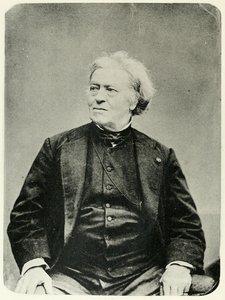
Jean-Baptiste-Camille Corot
1796 - 1875 , France
Quick Facts
- Artistic Movement Or Style: Realism, Impressionism
- Artists Or Movements Influenced By This Artist:
- Monet
- Pissarro
- Sisley
- Impressionism
- Artists Who Influenced This Artist:
- Michallon
- Bertin
- Date Of Birth: July 16, 1796
- Date Of Death: February 22, 1875
- Full Name: Jean-Baptiste-Camille Corot
- Nationality: French
- Notable Artworks:
- The Repose
- The Eel Gatherers
- Place Of Birth: Paris, France

