 Preview
 Send
Send Share
Share
 Details

 Download
 Similars
 X-Ray
X-Ray Diaporama
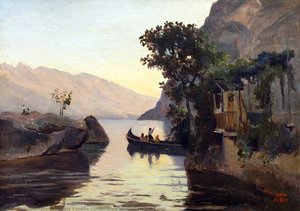
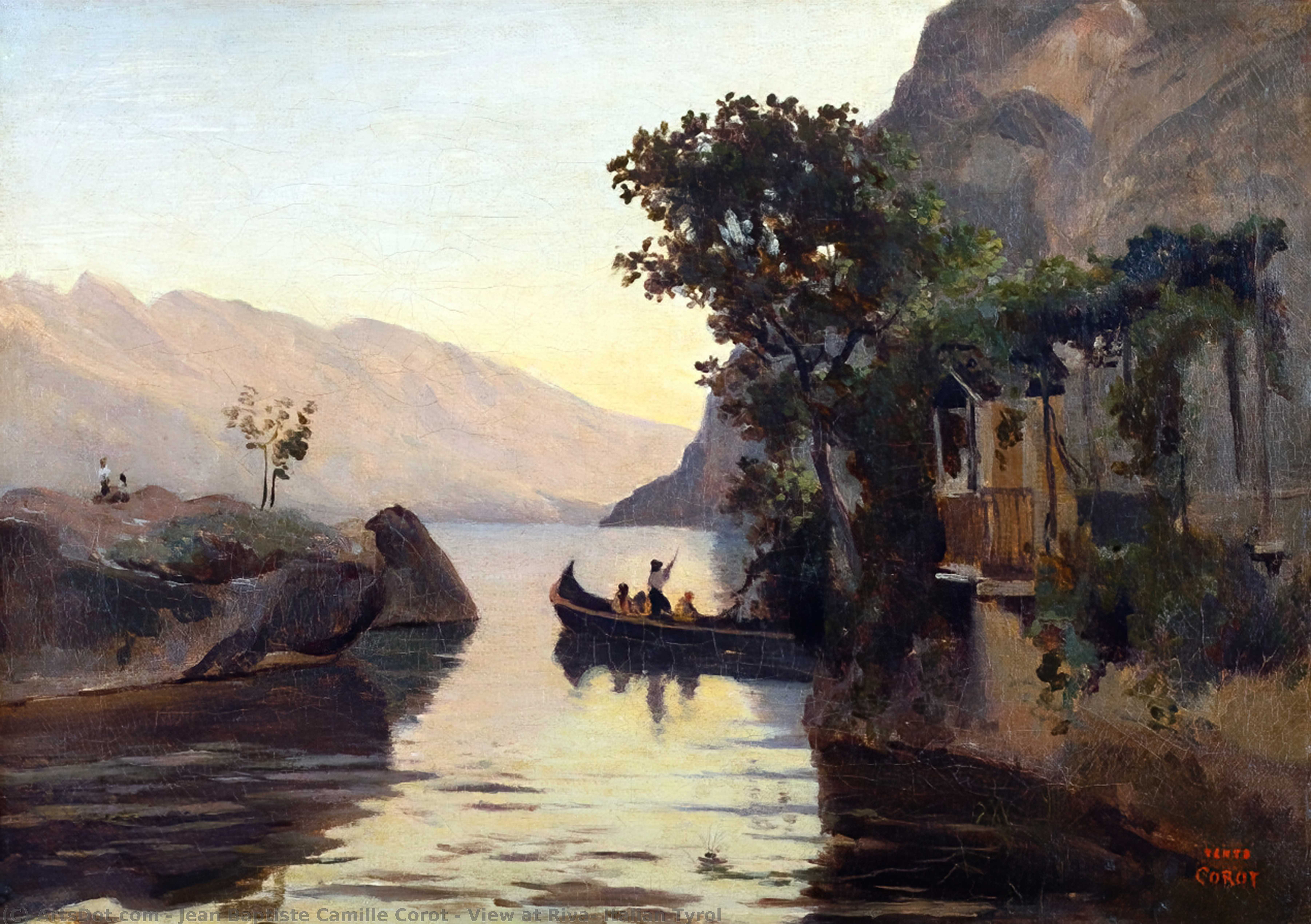
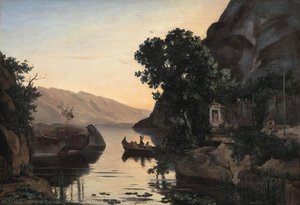
View at Riva, Italian Tyrol


 Read More
Hand Made Oil Reproduction
Hand-painted oil on canvas in your size and frame, made to order by our artists. ( Buy Print Buy Image)




P118B $10

P118H $10

P118W $10

P438Z $10

P508JH $12

P508YH $12

P805H $10

P805Z $10

P919BZ $10

P919G $10

P919XJ $10

P959ZH $10

P968JZ $12

W106C $8

W218G $10

W218JH $8

W218Y $10

W307PJ $10

W316G $10

W316PJ $8

W316Y $10

W398PJ $8

W4111J $10

W500HY $15

W500JH $15

W692G $12

W849H $8

W940BG $15

W953PJ $8




Pick from our preset sizes that match the artwork's original proportions.

You may enter your own dimensions to fit a specific frame or space. If your selected size does not match the original image's proportions, we will either crop the artwork or extend the painting with additional hand-painted elements. A digital mockup will be sent for your approval before production begins.
Please note that the on-screen preview does not reflect the actual cropping or extension. Only the mockup will accurately show the final composition.
While custom sizes are available, we recommend selecting a dimension from the predefined list to preserve the original proportions.
After order, ArtsDot.com team will email client for instructions and provide a mockup preview
Worldwide Delivery () in 3/4 weeks instead of standard 5 weeks. (16 August). No compromise on quality.

Free Worldwide Express Shipping

High-Quality Linen Canvas

Full Shipping Insurance

Customs Tax Refund Guarantee

True Color Matching Guarantee

60-Day Return Policy (Defects Only)

100% Money-Back Guarantee

Bulk Discount Offer
 Glass option is only available in size under 110 CM

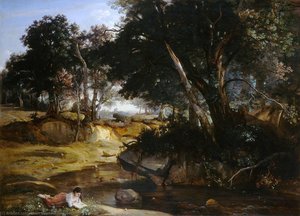
View at Riva, Italian Tyrol
Reproduction Medium
Reproduction Size
-


Total Price
$ 263
Artwork Description
A Moment of Tranquil Reflection: Jean-Baptiste-Camille Corot’s “View at Riva, Italian Tyrol”
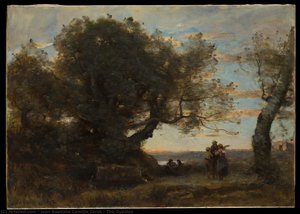
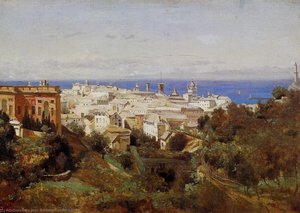
Jean-Baptiste-Camille Corot's "View at Riva, Italian Tyrol," painted in 1834, isn’t merely a landscape; it’s an invitation to stillness. This oil on canvas transports the viewer to a serene lakeside scene nestled within the dramatic folds of the Italian Alps, a place where time seems to slow and the soul finds respite. Corot, a pivotal figure bridging the Neo-Classical tradition with the nascent Impressionism, masterfully captures not just the visual elements of nature but also its inherent tranquility – a quality that continues to resonate deeply with audiences today.
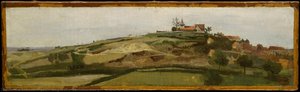
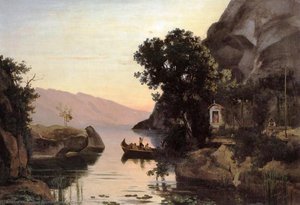
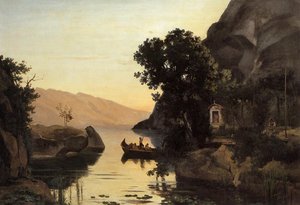
The painting depicts a picturesque lake reflecting the towering majesty of the Tyrol mountains. A small boat, carrying what appears to be a solitary figure or perhaps a couple, glides across the water towards a distant village clinging to the mountainside. The composition is remarkably balanced, drawing the eye through layers of depth – from the immediate foreground with its subtle details of vegetation and rocks, to the hazy midground where the lake stretches out, and finally to the imposing silhouettes of the peaks in the distance. Corot’s genius lies not in precise representation but in conveying a feeling, an atmosphere of profound peace.
The Language of Light and Color
Corot's technique is characterized by his deliberate use of *plein air* painting – working directly from nature. This approach is evident in the loose, expressive brushstrokes that define the landscape. He employs a muted color palette dominated by blues, greens, and browns, creating a sense of atmospheric depth and subtly shifting light. The application of paint is often thick and textured, particularly in the depiction of the rocks and foliage, lending a tactile quality to the scene. Notice how Corot uses broken brushstrokes and glazes to suggest the shimmering surface of the water and the hazy atmosphere of the mountains – techniques that anticipate the innovations of Impressionist painters like Monet and Renoir.
The lighting is particularly evocative, suggesting either the soft glow of dawn or dusk. The light isn’t sharply defined; instead, it diffuses through the mist and haze, creating a sense of mystery and inviting contemplation. Corot's ability to capture the ephemeral qualities of light – its fleeting shifts and subtle gradations – is truly remarkable.
A Historical Echo: Barbizon School and Beyond
"View at Riva, Italian Tyrol" firmly places Corot within the context of the Barbizon School, a movement of landscape painters who rejected the academic conventions of the time and sought to paint directly from nature. Unlike their predecessors, the Barbizon artists prioritized capturing the essence of the natural world over idealized representations. Corot’s work exemplifies this shift, prioritizing atmosphere and feeling over meticulous detail.
However, Corot's style also foreshadows Impressionism. His emphasis on *plein air* painting, his loose brushwork, and his focus on capturing fleeting moments of light and color paved the way for later Impressionist painters. He wasn’t simply documenting a landscape; he was translating its emotional impact onto canvas.
Symbolic Resonance: Humanity in Harmony with Nature
Beyond its purely aesthetic qualities, “View at Riva, Italian Tyrol” carries symbolic weight. The solitary boat journey suggests a quest for peace and solitude – a desire to connect with nature on a deeper level. The distant village represents human habitation, but it’s dwarfed by the grandeur of the mountains, reminding us of our place within the vastness of the natural world. The painting speaks to a fundamental human longing for harmony between humanity and its environment.
Today, this artwork remains a powerful reminder of the beauty and tranquility that can be found in nature. ArtsDot.com offers meticulously crafted oil painting reproductions of “View at Riva, Italian Tyrol,” allowing you to bring this timeless masterpiece into your home or studio – a testament to Corot’s enduring legacy.
Related Artworks
Artist Biography
A Life Immersed in Light and Landscape
Jean-Baptiste-Camille Corot, a name that resonates with the tranquil beauty of 19th-century French landscape painting, was born into a comfortable Parisian bourgeois family on July 16, 1796. Though initially steered towards a commercial path, destiny – and perhaps an innate artistic sensibility – intervened. His early years were marked by an unconventional upbringing; entrusted to the care of a nurse in the countryside near L’Isle-Adam until age four, he developed a profound connection with nature that would indelibly shape his artistic vision. This initial immersion in rural tranquility stood in stark contrast to the bustling city life awaiting him, yet it laid the foundation for a lifelong pursuit of capturing the ephemeral qualities of light and atmosphere. His parents, successful milliners, provided financial stability, allowing Corot the freedom to explore his burgeoning passion for painting after an unsuccessful attempt at mercantile pursuits – a rare privilege for aspiring artists of that era. This support was crucial, enabling him to dedicate himself fully to artistic training without the immediate pressures of earning a livelihood.
From Academic Foundations to Plein-Air Innovation
Corot’s formal artistic education began with studies under Achille Etna Michallon and later Jean-Victor Bertin, both esteemed landscape painters steeped in the neoclassical tradition. This grounding instilled in him a meticulous approach to composition and form, emphasizing clarity and structure. However, Corot wasn't content merely replicating established styles; he yearned for something more authentic, a way to convey not just *what* he saw, but *how* it felt to be immersed within the landscape. A pivotal moment arrived with his first journey to Italy in 1825. The Roman Campagna, bathed in golden light and steeped in history, ignited his imagination. He spent years sketching and painting en plein air – directly from nature – a practice that was still relatively uncommon at the time. This dedication to direct observation allowed him to capture the subtle nuances of light and shadow, the delicate atmospheric effects that would become hallmarks of his style. He wasn’t simply recording topographical details; he was striving to evoke a mood, a feeling of tranquility and harmony. His early Italian works demonstrate a clarity of form and bright palette influenced by classical ideals, yet already hint at the softer, more evocative approach that would define his mature style. He meticulously studied the masters, copying their work in the Roman galleries, but always filtered these lessons through his own increasingly sensitive perception of nature.
A Bridge Between Traditions
Corot’s artistic development wasn't linear; it was a delicate balancing act between tradition and innovation. He exhibited regularly at the Paris Salon, initially gaining recognition for works rooted in neoclassical conventions. However, as he continued to explore plein-air painting, his style began to evolve. He moved away from highly finished, detailed compositions towards looser brushwork and a more muted palette. This shift wasn't a rejection of academic principles entirely; rather, it was an attempt to infuse them with the immediacy and emotional resonance of direct observation. He became a master of tonalism, using subtle variations in value to create depth and atmosphere. His landscapes weren't about dramatic narratives or grand gestures; they were about quiet contemplation, the beauty of everyday scenes – a forest glade, a sun-dappled meadow, a tranquil riverbank. This approach resonated with a growing audience seeking respite from the rapid industrialization and social upheaval of 19th-century France. He skillfully blended elements of realism with an almost poetic sensibility, creating landscapes that felt both familiar and deeply personal. He wasn’t interested in grand pronouncements or political statements; his art was about finding beauty in the ordinary, elevating the commonplace to a realm of serene contemplation.
Legacy and Enduring Influence
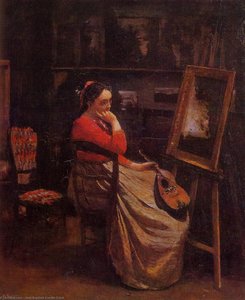
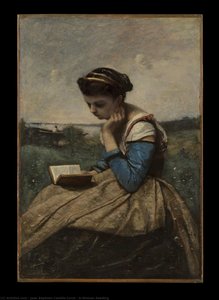
Jean-Baptiste-Camille Corot’s influence on subsequent generations of artists is immeasurable. He served as a crucial link between the neoclassical tradition and the emerging Impressionist movement. Artists like Monet, Pissarro, and Sisley deeply admired his ability to capture the fleeting effects of light and atmosphere, and they built upon his innovations in their own groundbreaking work. Corot’s emphasis on direct observation and plein-air painting paved the way for the Impressionists' radical departure from studio-based practices. However, Corot wasn’t simply a precursor to Impressionism; he was a unique and significant artist in his own right. His vast output – encompassing landscapes, portraits, and figure studies – continues to captivate audiences with its serene beauty and emotional depth. His works can be found in major museums around the world, including the Musée des Beaux-Arts in Dunkirk and the Musée Courbet in Ornans, France, as well as the National Gallery in London and the Metropolitan Museum of Art in New York. He died on February 22, 1875, leaving behind a legacy that continues to inspire artists and art lovers alike – a testament to the enduring power of light, landscape, and quiet contemplation. The Repose, Interrupted Reading, and Agostina remain iconic examples of his mastery, showcasing his ability to capture both the physical world and the inner life of his subjects with remarkable sensitivity and grace. His influence extends beyond painting; he fostered a spirit of artistic freedom and encouraged younger artists to find their own voice, solidifying his place as a pivotal figure in the history of art.
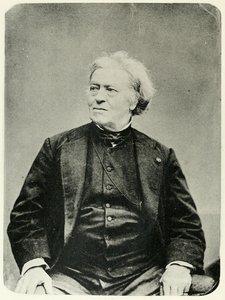
Jean-Baptiste-Camille Corot
1796 - 1875 , France
Quick Facts
- Artistic Movement Or Style: Realism, Impressionism
- Artists Or Movements Influenced By This Artist:
- Monet
- Pissarro
- Sisley
- Impressionism
- Artists Who Influenced This Artist:
- Michallon
- Bertin
- Date Of Birth: July 16, 1796
- Date Of Death: February 22, 1875
- Full Name: Jean-Baptiste-Camille Corot
- Nationality: French
- Notable Artworks:
- The Repose
- The Eel Gatherers
- Place Of Birth: Paris, France
Related Articles

The Enduring Legacy of Oil on Canvas: Technique, History & Aesthetic Impact
Explore the rich history & techniques of oil painting – from Renaissance masters to Impressionism. Discover pigments, layering methods, and why this timeless medium endures. Expert insights for artists & art enthusiasts.

The Enduring Power of Painting: A Historical & Contemporary Exploration of Form and Emotion
Explore the rich history & enduring techniques of oil painting with ArtsDot. Discover masterpieces, learn about art collecting, and find authentic handmade reproductions crafted by skilled artists.

Oil on Canvas: A Historical & Technical Exploration of a Timeless Artistic Medium
Explore the rich history & enduring techniques of oil painting on canvas. Discover the science behind its longevity, conservation practices, and contemporary relevance. Expert insights for art enthusiasts.
Oil on Board: A Historical Survey of Technique, Aesthetic Qualities & Enduring Appeal
Explore the rich history of oil on board painting! Discover techniques, aesthetic qualities & enduring appeal from early masters to modern practice. Expert insights for collectors and art enthusiasts.

The Enduring Legacy of Oil on Canvas: Technique, History & Contemporary Practice
Explore the rich history & enduring techniques of oil painting on canvas. Discover the science behind its longevity, conservation practices, and contemporary relevance. Expert insights for art enthusiasts.