 Preview
 Send
Send Share
Share
 Details

 Download
 Similars
 X-Ray
X-Ray Diaporama
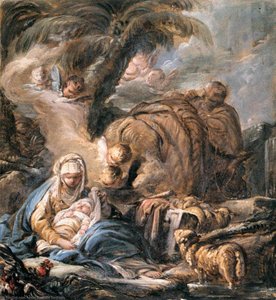
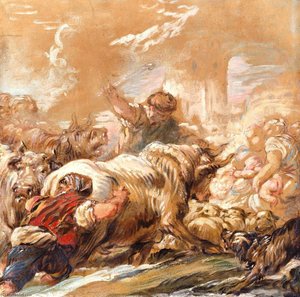
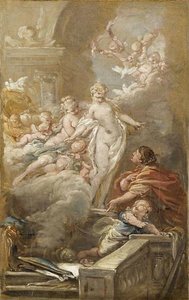
The Flight into Egypt
 Oil On Canvas
- WallArt
- Neoclassical
 19th Century
 33.0 x 31.0 cm
 The Louvre
 Read More
Hand Made Oil Reproduction
Hand-painted oil on canvas in your size and frame, made to order by our artists. ( Buy Print Buy Image)




P118B $10

P118H $10

P118W $10

P438Z $10

P508JH $12

P508YH $12

P805H $10

P805Z $10

P919BZ $10

P919G $10

P919XJ $10

P959ZH $10

P968JZ $12

W106C $8

W218G $10

W218JH $8

W218Y $10

W307PJ $10

W316G $10

W316PJ $8

W316Y $10

W398PJ $8

W4111J $10

W500HY $15

W500JH $15

W692G $12

W849H $8

W940BG $15

W953PJ $8




Pick from our preset sizes that match the artwork's original proportions.

You may enter your own dimensions to fit a specific frame or space. If your selected size does not match the original image's proportions, we will either crop the artwork or extend the painting with additional hand-painted elements. A digital mockup will be sent for your approval before production begins.
Please note that the on-screen preview does not reflect the actual cropping or extension. Only the mockup will accurately show the final composition.
While custom sizes are available, we recommend selecting a dimension from the predefined list to preserve the original proportions.
After order, ArtsDot.com team will email client for instructions and provide a mockup preview
Worldwide Delivery () in 3/4 weeks instead of standard 5 weeks. (17 August). No compromise on quality.

Free Worldwide Express Shipping

High-Quality Linen Canvas

Full Shipping Insurance

Customs Tax Refund Guarantee

True Color Matching Guarantee

60-Day Return Policy (Defects Only)

100% Money-Back Guarantee

Bulk Discount Offer
 Glass option is only available in size under 110 CM

The Flight into Egypt
Reproduction Medium
Reproduction Size
-


Total Price
$ 263
Artwork Description
A Journey Through Sacred Narrative: The Flight into Egypt
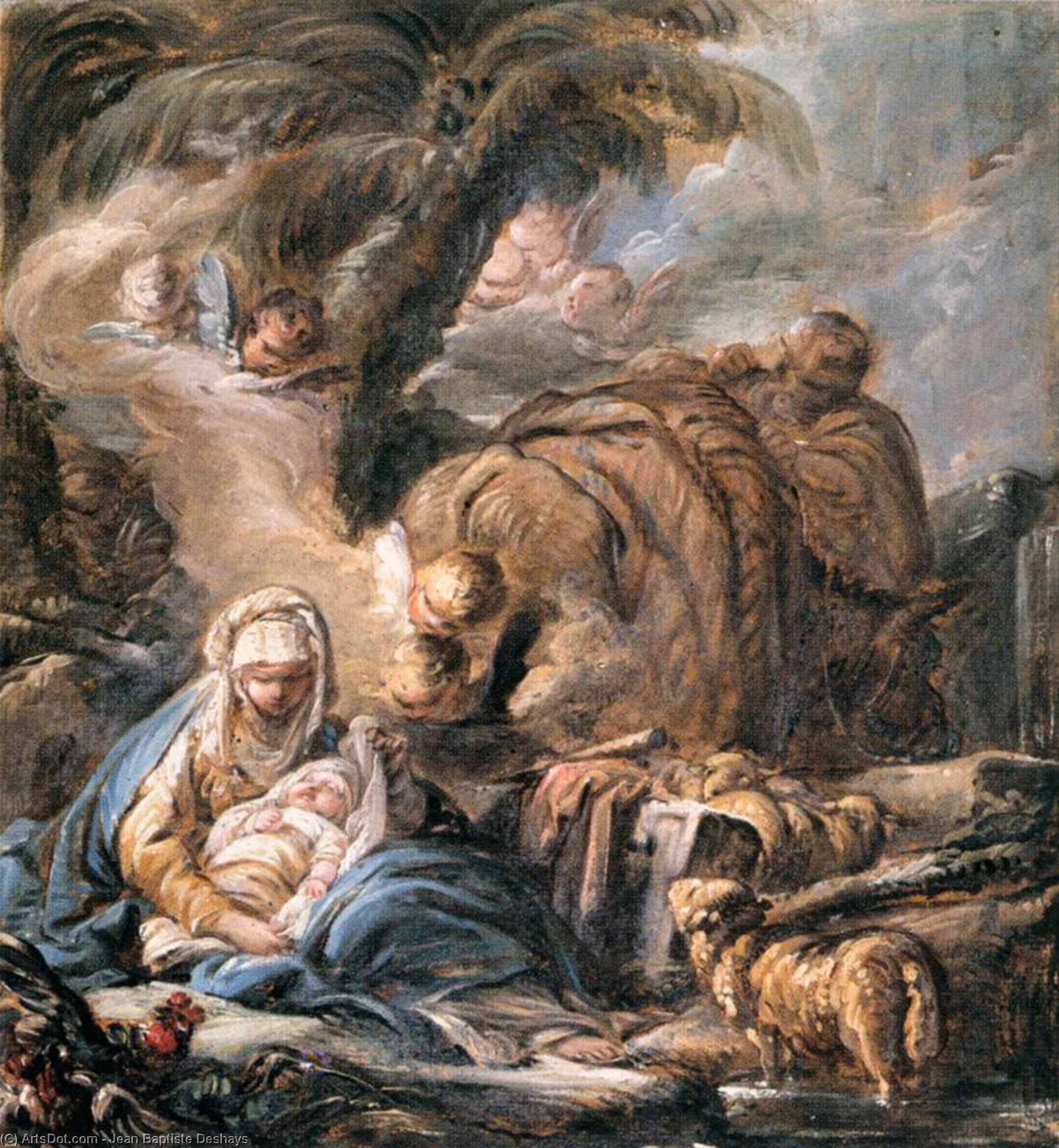
To gaze upon this depiction of "The Flight into Egypt" is to be transported to a moment suspended between divine promise and earthly peril. This painting captures not merely an event from sacred scripture, but the profound human experience of displacement, protection, and enduring faith. The composition immediately draws the eye to the central trio: Mary, cradling the infant Jesus in her arms, and Joseph standing guard nearby. Mary’s gentle bearing, contrasted with the protective stance of Joseph, speaks volumes about maternal devotion set against the backdrop of uncertainty. It is a scene steeped in quiet drama, where the weight of history meets the tenderness of new life.
Mastery of Light and Shadow: Technical Brilliance
The artist has employed oil on canvas with a visible richness that allows the viewer to appreciate the meticulous brushwork beneath the narrative surface. Notice how the light does not merely illuminate; it seems to emanate from the central figures themselves, creating an ethereal glow around Mary and Jesus. This masterful interplay between light and shadow is crucial to the painting's emotional resonance. The darker, brooding clouds gathering overhead suggest the immediate threat—the journey itself—while the focused illumination acts as a divine beacon of hope guiding the family forward. Complementing this drama are the flanking angels; one holding a scroll, perhaps reciting prophecy, and the other gazing heavenward with a staff, anchoring the spiritual dimension of their perilous trek.
Symbolism in the Landscape
The setting itself is imbued with potent symbolism. The rough path strewn with rocks and debris speaks to the hardship endured by refugees, while the prominent palm tree offers a vital, almost miraculous point of shelter amidst the wilderness. These elements ground the divine narrative in tangible reality. Furthermore, the inclusion of angels on either side frames the human drama within a celestial context. They are not mere decorations; they are witnesses and guides, transforming what could be seen as a simple escape into an epic, divinely orchestrated passage.
A Touch of Neoclassical Grace
While the subject matter is deeply rooted in religious tradition, the execution carries the hallmarks of Jean Baptiste Deshayes de Colleville’s style. His work beautifully bridges classical grandeur with an emerging emotional depth. One senses the careful balance and compositional structure characteristic of Neoclassicism, yet there is an expressive quality—a subtle yearning in the figures' gazes—that hints at the burgeoning Romantic spirit. This blend results in a piece that feels both timelessly formal and intensely personal, making it a captivating focal point for any sophisticated interior space.
Bringing Sacred Art Home
For collectors or designers seeking an artwork that whispers stories of resilience and grace, this reproduction offers unparalleled depth. The rich color palette and the dramatic narrative tension ensure that the piece will draw admiration in any setting. It is more than just a painting; it is a meditation on journey, faith, and the enduring light found even when traversing the darkest passages.
Related Artworks


Artist Biography
Jean Baptiste Deshayes de Colleville: Bridging Classical Grandeur and Romantic Emotion
Jean Baptiste Deshays de Colleville (1729 – 10 February 1765) stands as a pivotal figure in French Romanticism, yet his artistic legacy is rooted firmly within the stylistic conventions of the preceding Baroque and Neoclassical eras. Born in Colleville-sur-Mer, Normandy, Deshays’s early training under his father, Jean Dominique Deshays—a minor Rouen painter—established him on a path toward mastering traditional techniques while simultaneously absorbing influences from emerging artistic currents. This dual engagement is evident throughout his oeuvre, characterized by meticulous detail and compositional balance alongside expressive brushwork that anticipates the emotional intensity of Romantic painters like Eugène Delacroix.- Early Training & Influences: Deshays’s formative years included studies at Jean Baptiste Descamps' École Gratuite de Dessin in Rouen, where he honed his skills alongside fellow artists destined for prominence. Crucially, his time spent in Hyacinthe Collin de Vermont’s studio and Jean Restout II’s atelier exposed him to the grandeur of Jean Jouvenet’s Parisian school—a bastion of Neoclassical style—further solidifying his grounding in classical aesthetics.
- The Prix de Rome Competition: Deshays' ambition propelled him into the prestigious Prix de Rome competition in 1750, securing second prize with “Laban Giving His Daughter in Marriage to Jacob.” This monumental canvas exemplifies his mastery of historical painting—a genre favored by the Académie Royale de Peinture et de Sculpture—and showcases a deliberate effort to emulate Raphael’s idealized compositions. The subsequent award for “Job on the Dung-hill” cemented his reputation as a gifted artist and demonstrated his ability to convey profound emotion through carefully crafted imagery.
- Roman Artistic Development: Deshays' three-year residency at the École des Élèves Protégés under Carle van Loo proved invaluable, immersing him in the latest innovations of Flemish painting and fostering connections with influential artistic figures. However, his time spent at the Académie Royale de Peinture et de Sculpture—particularly under Charles Joseph Natoire—marked a decisive shift toward embracing Romantic ideals. He undertook numerous copies of Raphael’s masterpieces, meticulously studying the artist's techniques and stylistic choices, while simultaneously exploring the expressive potential of dramatic lighting and dynamic brushstrokes.
Major Achievements & Artistic Style
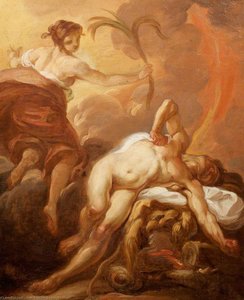
Deshays’s artistic style can be described as a harmonious blend of Neoclassical precision and Romantic fervor. He meticulously rendered architectural details and drapery folds with exacting accuracy—a hallmark of the École des Élèves Protégés—yet he infused his canvases with palpable emotion through subtle tonal variations and expressive brushwork. His paintings frequently depict biblical narratives and mythological scenes, imbued with moral seriousness and psychological depth. Notable works include “Visitation” and “Annunciation”—vast canvases commissioned for the monastery of the Visitation at Rouen—which exemplify his ability to execute monumental commissions while maintaining artistic integrity. Furthermore, his depiction of Hercules—a subject favored by Romantic painters—demonstrates a willingness to experiment with innovative compositional strategies and emotional intensity.Legacy & Historical Significance
Despite exhibiting only four times at official Salons during his lifetime—a relatively infrequent occurrence for artists of his stature—Deshays’s influence extended beyond the confines of Parisian artistic circles. His marriage to Boucher's daughter, Angelica Eliza Bouchier, secured a prominent position within the French aristocracy and ensured that his artistic legacy would endure. He became a full academician in 1758, solidifying his status as one of France’s leading painters. Jean Baptiste Deshayes de Colleville’s contribution to the development of Romantic art lies not merely in stylistic emulation but in establishing a precedent for blending classical refinement with emotional expression—a distinction that continues to resonate within the broader history of French painting. His meticulous technique and profound understanding of human psychology cemented his place as an artist who bridged the gap between two transformative artistic movements.
jean baptiste deshays de colleville
1729 - 1765 , France
Quick Facts
- Artistic Movement Or Style: Grand Style of French history painting
- Artists Or Movements Influenced By This Artist:
- Raphael
- Georges Lefebvre
- Artists Who Influenced This Artist:
- Jean Jouvenet
- Carle van Loo
- Date Of Birth: Colleville-sur-Mer, France (1729)
- Date Of Death: 1765
- Full Name: Jean Baptiste Henri Deshays
- Nationality: French
- Notable Artworks:
- Death of Hercules
- Laban Giving his Daughter in Marriage to Jacob
- Place Of Birth: France
Related Articles

Giclée Prints: Archival Quality & Aesthetic Nuances for the Discerning Collector
Explore the world of giclée prints with ArtsDot. Learn about archival quality, aesthetic nuances & investment potential. Expert guidance for discerning art collectors seeking museum-quality reproductions and lasting value.

The Enduring Legacy of Fine Art Prints: Technique, History & Aesthetic Impact
Explore the rich history & techniques of fine art prints. Discover investment potential, assess authenticity, and learn how to preserve your collection with expert guidance. Trusted insights for discerning collectors.

Echoes of Time: Exploring the Enduring Appeal & Historical Context of Vintage Art Prints
Explore the captivating world of vintage art prints! Discover their history, collecting tips & enduring appeal. Expert insights on chromolithography and building a legacy collection with ArtsDot.

The Enduring Legacy of Oil on Canvas: Technique, History & Aesthetic Impact
Explore the rich history & techniques of oil painting – from Renaissance masters to Impressionism. Discover pigments, layering methods, and why this timeless medium endures. Expert insights for artists & art enthusiasts.

Art Prints vs. Oil Paintings: A Newlywed's Guide to Curating a Timeless Home Collection
Discover how to choose between exquisite hand-painted oil reproductions and versatile art prints. Our expert guide for newlyweds helps you balance budget and beauty to curate a timeless, soulful home collection filled with meaning and lasting legacy.