 Preview
 Send
Send Share
Share
 Details

 Download
 Similars
 X-Ray
X-Ray Diaporama
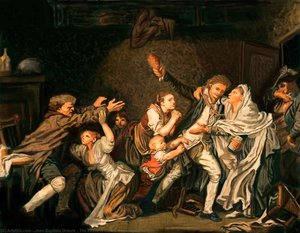
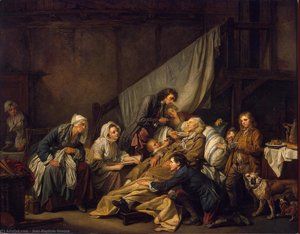
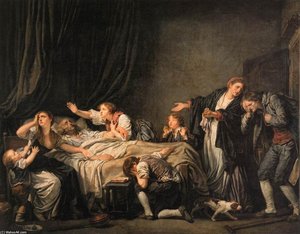
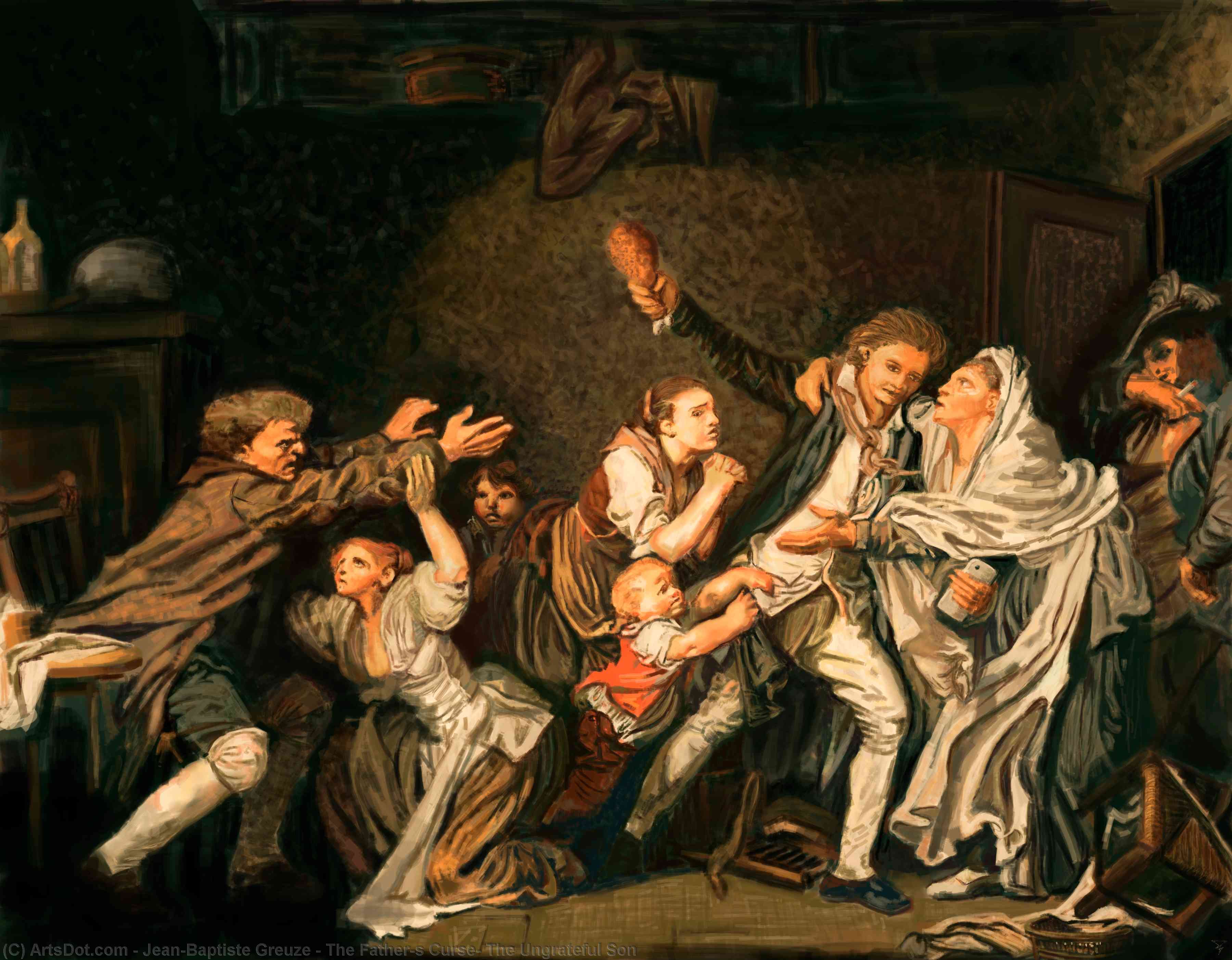
The Father's Curse: The Ungrateful Son
 Oil On Canvas
- WallArt
- Romantic Sentiment
 1777
1777- 19th Century
 130.0 x 162.0 cm
 The Louvre
 Read More
Hand Made Oil Reproduction
Hand-painted oil on canvas in your size and frame, made to order by our artists. ( Buy Print Buy Image)




P118B $10

P118H $10

P118W $10

P438Z $10

P508JH $12

P508YH $12

P805H $10

P805Z $10

P919BZ $10

P919G $10

P919XJ $10

P959ZH $10

P968JZ $12

W106C $8

W218G $10

W218JH $8

W218Y $10

W307PJ $10

W316G $10

W316PJ $8

W316Y $10

W398PJ $8

W4111J $10

W500HY $15

W500JH $15

W692G $12

W849H $8

W940BG $15

W953PJ $8




Pick from our preset sizes that match the artwork's original proportions.

You may enter your own dimensions to fit a specific frame or space. If your selected size does not match the original image's proportions, we will either crop the artwork or extend the painting with additional hand-painted elements. A digital mockup will be sent for your approval before production begins.
Please note that the on-screen preview does not reflect the actual cropping or extension. Only the mockup will accurately show the final composition.
While custom sizes are available, we recommend selecting a dimension from the predefined list to preserve the original proportions.
After order, ArtsDot.com team will email client for instructions and provide a mockup preview
Worldwide Delivery () in 3/4 weeks instead of standard 5 weeks. (16 August). No compromise on quality.

Free Worldwide Express Shipping

High-Quality Linen Canvas

Full Shipping Insurance

Customs Tax Refund Guarantee

True Color Matching Guarantee

60-Day Return Policy (Defects Only)

100% Money-Back Guarantee

Bulk Discount Offer
 Glass option is only available in size under 110 CM

The Father's Curse: The Ungrateful Son
Reproduction Medium
Reproduction Size
-


Total Price
$ 263
Artwork Description
A Portrait Steeped in Sorrow and Moral Reflection
Jean-Baptiste Greuze’s “The Father’s Curse: The Ungrateful Son,” completed in 1777, stands as a cornerstone of Neoclassical sentimentalism—a movement that sought to elevate emotion above reason and champion the portrayal of human suffering with unflinching honesty. Painted during a period marked by Enlightenment ideals yet profoundly influenced by Romantic sensibilities simmering beneath the surface, this monumental oil on canvas transcends mere visual representation; it’s an immersive experience into the psychological landscape of familial discord.
- Subject Matter: The painting depicts a dramatic confrontation between a father and son—a tableau rife with unspoken resentment and regret. The scene unfolds within a dimly lit room, emphasizing the claustrophobia of familial conflict and highlighting the vulnerability of those involved.
- Style & Technique: Greuze’s meticulous attention to detail distinguishes him from his contemporaries who favored grand historical narratives. Instead, he employs a technique characterized by soft brushstrokes and subtle tonal gradations—a deliberate choice designed to convey profound emotional depth. The artist skillfully utilizes chiaroscuro – the dramatic interplay of light and shadow – to sculpt figures and heighten the sense of pathos.
Historical Context: Greuze’s work emerged during a time when French society was grappling with questions of morality and social responsibility. Sentimentalism, fueled by Rousseau’s influence, argued that art should serve as a catalyst for moral contemplation, prompting viewers to confront uncomfortable truths about human behavior. “The Father’s Curse” exemplifies this ethos, presenting a stark depiction of paternal disappointment and the consequences of filial ingratitude.
Symbolism: The positioning of the figures—the father elevated, gesturing upwards in an attempt to ward off evil, while the son lowered, reaching towards him with pleading eyes—is laden with symbolic significance. It speaks to themes of piety versus rebellion, duty versus desire, and ultimately, the enduring power of familial bonds despite transgression.
Emotional Impact: Viewing “The Father’s Curse” evokes a visceral response – sorrow, compassion, and perhaps even recognition of our own vulnerabilities. Greuze's masterful manipulation of light and shadow doesn’t merely illuminate the scene; it penetrates into the viewer’s psyche, fostering empathy for the characters’ plight and prompting reflection on the complexities of human relationships.
- Interior Design Inspiration: The painting’s muted palette and dramatic lighting lend themselves beautifully to creating contemplative spaces—ideal for libraries or bedrooms where tranquility and introspection are valued.
- Collector's Perspective: Owning a reproduction of “The Father’s Curse” offers more than just aesthetic pleasure; it represents access to a pivotal moment in artistic history – the triumph of emotional realism over academic convention.
Related Artworks

Artist Biography
A Life Etched in Sentiment: The World of Jean-Baptiste Greuze
Born in the quiet Burgundian town of Tournus in 1725, Jean-Baptiste Greuze emerged as a pivotal figure in eighteenth-century French art. His story is one of remarkable ascent, fueled by an innate talent for capturing human emotion and a keen understanding of the burgeoning sentimental tastes of his era. Initially discouraged from pursuing artistic endeavors by his roofer father, young Greuze found early encouragement in the Lyonnaise artist Grandon, who recognized a spark that demanded cultivation. This mentorship proved crucial, leading to studies first in Lyon and then, crucially, at the prestigious Royal Academy in Paris under Charles-Joseph Natoire. It was within these hallowed halls that Greuze began to hone his skills, though he often charted his own course, diverging from the prevailing academic emphasis on historical and mythological subjects.The Rise of a Genre Painter
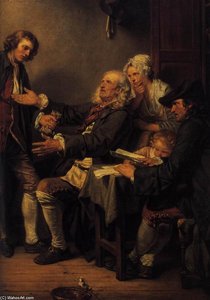
Greuze’s breakthrough arrived in 1755 with Le Père de famille expliquant la Bible à ses enfants (The Father Explaining the Bible to His Children). This work wasn't merely a depiction of domestic life; it was an embodiment of Enlightenment ideals, portraying familial piety and moral instruction. The painting resonated deeply with contemporary audiences, capturing a spirit of bourgeois virtue that was gaining prominence. Acquired by the discerning collector Ange-Laurent de La Live de Jully, it catapulted Greuze to fame. He followed this success with further genre scenes – intimate glimpses into everyday life imbued with emotional depth and moral undertones. A journey to Italy in 1755, undertaken with Abbé Gougenot, broadened his artistic horizons, though he ultimately found greater inspiration in the realities of French society than in classical antiquity. His ability to evoke genuine feeling—joy, sorrow, remorse—set him apart from many of his contemporaries and established him as a leading figure in the emerging Rococo style, albeit one with a distinctly moralizing bent.Mastering Emotion and Moral Narrative
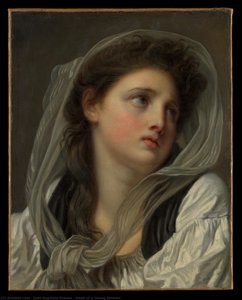
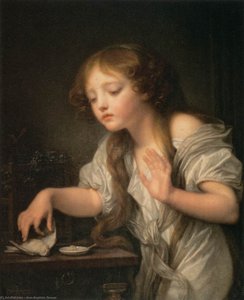
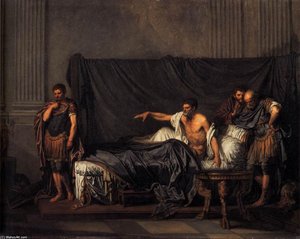
Greuze’s artistic strength lay in his ability to tell stories through paint. Works like La Jeune Fille qui pleure son oiseau mort (The Young Girl Weeping for Her Dead Bird) and Savoyard with a Dancing Doll are not simply portraits of children; they are explorations of grief, innocence, and the complexities of human experience. He possessed an extraordinary talent for capturing subtle nuances of expression, conveying inner turmoil with remarkable sensitivity. His compositions were often carefully staged, utilizing dramatic lighting and expressive gestures to heighten emotional impact. Denis Diderot, a leading intellectual of the Enlightenment, became a fervent champion of Greuze’s work, praising his ability to depict “morality in paint.” However, this very success created a dilemma for the artist. He aspired to be recognized as a history painter – the most prestigious category within the Academy – and attempted a transition with Septimius Severus Reproaching Caracalla. This ambitious work was met with harsh criticism, and Greuze was ultimately accepted into the Academy only as a genre painter, a decision that deeply wounded his pride.Later Years and Lasting Legacy
The rejection by the Academy marked a turning point in Greuze’s career. He withdrew from exhibiting at the Salon for many years, becoming increasingly reclusive and embittered. His later works often explored themes of seduction and moral transgression, sometimes bordering on the overtly sensual. These paintings, while technically proficient, lacked the emotional resonance and moral clarity of his earlier masterpieces. Financial difficulties plagued his final years, a stark contrast to the acclaim he had once enjoyed. He died in poverty within the Louvre itself in 1805. Despite this decline, Jean-Baptiste Greuze’s influence on French art remains significant. He pioneered a new form of genre painting that focused on contemporary life and explored universal human emotions. His work paved the way for later artists who sought to depict the realities of everyday existence with honesty and sensitivity. He left behind a body of work that continues to captivate viewers with its emotional power, technical brilliance, and enduring relevance.Key Works & Their Significance
- Le Père de famille expliquant la Bible à ses enfants (1755): A cornerstone of his early success, embodying Enlightenment ideals of familial piety.
- La Jeune Fille qui pleure son oiseau mort (c. 1765): Demonstrates Greuze’s mastery of emotional expression and poignant storytelling.
- Savoyard with a Dancing Doll (c. 1763): Captures the spirit and vulnerability of childhood, showcasing his skill in portraiture.
- Septimius Severus Reproaching Caracalla (1769): A failed attempt at historical painting that highlighted his strengths lay elsewhere.
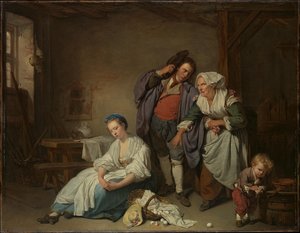
- The Broken Pitcher (c. 1770s): Represents a shift towards more sensual and morally ambiguous themes in his later work.
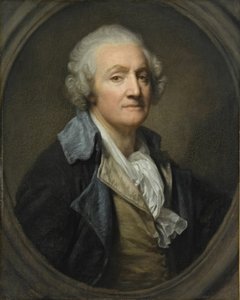
Jean-Baptiste Greuze
1725 - 1805 , France
Quick Facts
- Artistic Movement Or Style: Rococo, Genre painting
- Artists Who Influenced This Artist: ['Dutch genre masters']
- Date Of Birth: 1725
- Date Of Death: 1805
- Full Name: Jean-Baptiste Greuze
- Nationality: French
- Notable Artworks:
- Le Père de famille...
- A Girl with a Dead Canary
- Savoyard with a doll
- Boy with a Broken Egg
- Place Of Birth: Tournus, France
Related Articles

Oil on Canvas: A Historical & Technical Exploration of a Timeless Artistic Medium
Explore the rich history & enduring techniques of oil painting on canvas. Discover the science behind its longevity, conservation practices, and contemporary relevance. Expert insights for art enthusiasts.

The Enduring Legacy of Oil on Canvas: Technique, History & Aesthetic Impact
Explore the rich history & techniques of oil painting – from Renaissance masters to Impressionism. Discover pigments, layering methods, and why this timeless medium endures. Expert insights for artists & art enthusiasts.

The Enduring Legacy of Oil on Canvas: Technique, History & Contemporary Practice
Explore the rich history & enduring techniques of oil painting on canvas. Discover the science behind its longevity, conservation practices, and contemporary relevance. Expert insights for art enthusiasts.
Oil on Canvas Masters: 10 Paintings That Redefined Art History |
Journey through art history with our guide to 10 legendary oil on canvas masterpieces! Explore iconic works by Van Gogh, Monet & Rembrandt. Find museum-quality reproductions and elevate your home decor at . Discover all masterpieces online.

The Enduring Power of Painting: A Historical & Contemporary Exploration of Form and Emotion
Explore the rich history & enduring techniques of oil painting with ArtsDot. Discover masterpieces, learn about art collecting, and find authentic handmade reproductions crafted by skilled artists.