 Preview
 Send
Send Share
Share
 Details

 Download
 Similars
 X-Ray
X-Ray Diaporama
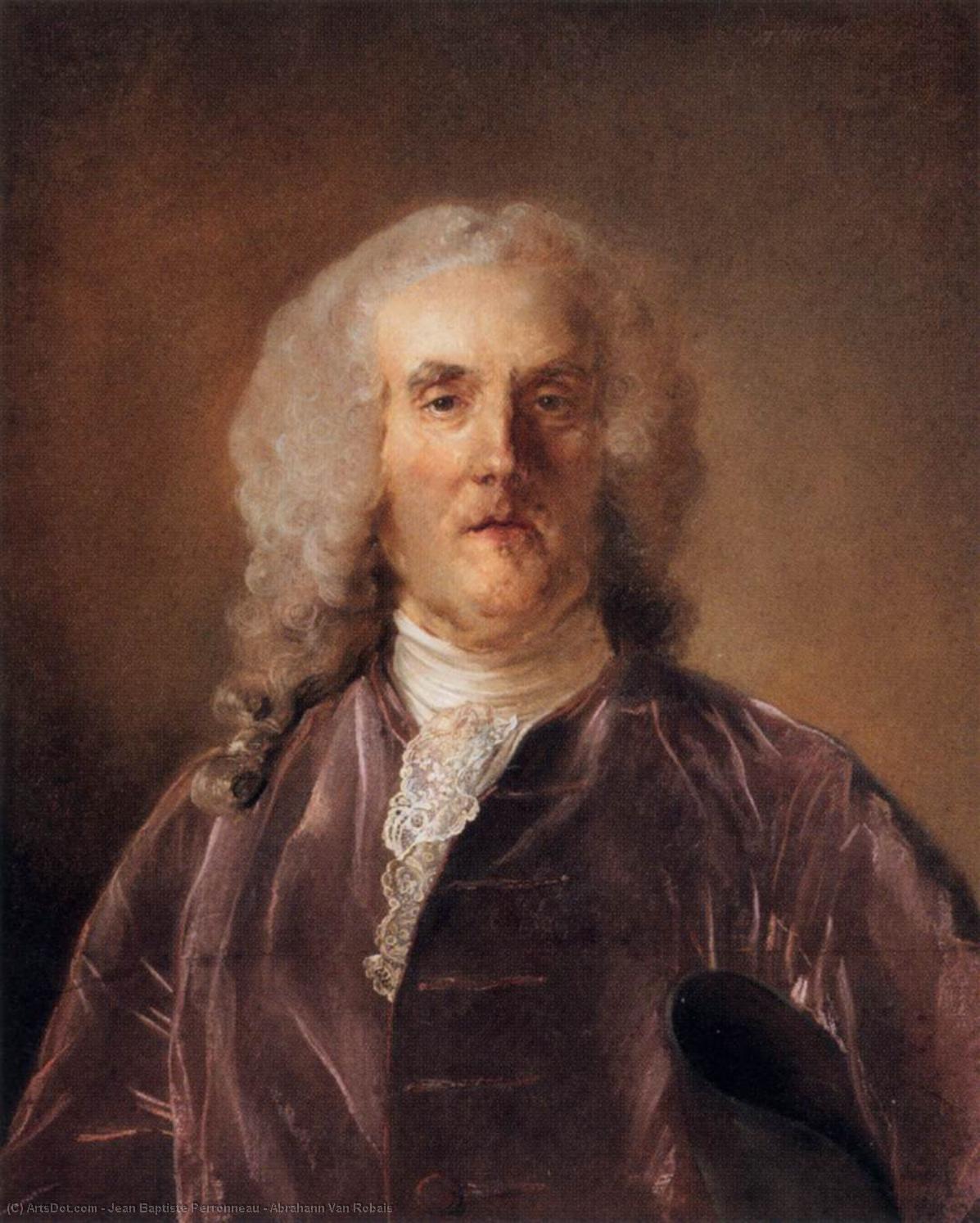
Abrahann Van Robais
 Acrylic On Canvas
- WallArt
- Rococo Portraiture
 1769
1769 73.0 x 60.0 cm
 The Louvre
 Read More
Hand Made Oil Reproduction
Hand-painted oil on canvas in your size and frame, made to order by our artists. ( Buy Print Buy Image)




P118B $10

P118H $10

P118W $10

P438Z $10

P508JH $12

P508YH $12

P805H $10

P805Z $10

P919BZ $10

P919G $10

P919XJ $10

P959ZH $10

P968JZ $12

W106C $8

W218G $10

W218JH $8

W218Y $10

W307PJ $10

W316G $10

W316PJ $8

W316Y $10

W398PJ $8

W4111J $10

W500HY $15

W500JH $15

W692G $12

W849H $8

W940BG $15

W953PJ $8




Pick from our preset sizes that match the artwork's original proportions.

You may enter your own dimensions to fit a specific frame or space. If your selected size does not match the original image's proportions, we will either crop the artwork or extend the painting with additional hand-painted elements. A digital mockup will be sent for your approval before production begins.
Please note that the on-screen preview does not reflect the actual cropping or extension. Only the mockup will accurately show the final composition.
While custom sizes are available, we recommend selecting a dimension from the predefined list to preserve the original proportions.
After order, ArtsDot.com team will email client for instructions and provide a mockup preview
Worldwide Delivery () in 3/4 weeks instead of standard 5 weeks. (16 August). No compromise on quality.

Free Worldwide Express Shipping

High-Quality Linen Canvas

Full Shipping Insurance

Customs Tax Refund Guarantee

True Color Matching Guarantee

60-Day Return Policy (Defects Only)

100% Money-Back Guarantee

Bulk Discount Offer
 Glass option is only available in size under 110 CM

Abrahann Van Robais
Reproduction Medium
Reproduction Size
-


Total Price
$ 263
Artwork Description
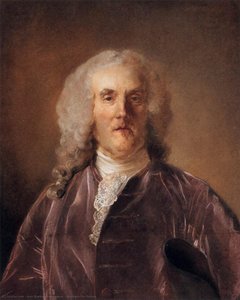
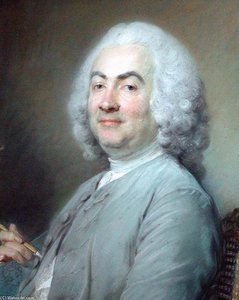
A Delicate Hand: Jean-Baptiste Perronneau and the Portrait of Abraham Van Robais
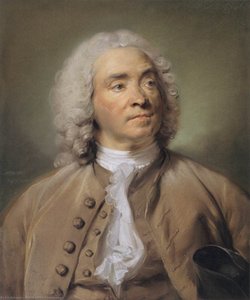
Jean-Baptiste Perronneau’s pastel portrait of Abraham Van Robais stands as a testament to the Rococo aesthetic—a style characterized by elegance, ornamentation, and an obsession with capturing fleeting emotions. Unlike the grand narratives favored by his contemporaries, Perronneau dedicated himself to exploring the human form with remarkable sensitivity, prioritizing psychological realism over mere visual representation.
- Subject Matter: The portrait depicts Abraham Van Robais, a wealthy textile manufacturer hailing from Abbeville, France. This prominent figure embodies the spirit of Enlightenment-era commerce and aristocratic patronage.
- Style & Technique: Perronneau’s masterful use of pastel—a medium known for its luminosity and ability to achieve subtle gradations of tone—allowed him to render Van Robais's face with astonishing detail. The artist employed a technique that combined meticulous observation with expressive brushstrokes, capturing not just physical likeness but also conveying the sitter’s inner character.
- Historical Context: Created in 1769-1770 during the reign of Louis XVI, this artwork reflects the prevailing artistic trends of the period. Pastel portraits were particularly popular among aristocratic families seeking to commemorate their elders and solidify their social status. Perronneau’s work aligns with a broader movement toward psychological portraiture—a departure from earlier depictions that focused solely on outward appearance.
The painting's composition is deliberately understated, drawing the viewer’s gaze directly to Van Robais’s face. The blurred background serves as a foil to the subject’s intense stare, emphasizing his solemn expression and conveying a sense of profound contemplation. Perronneau skillfully utilizes chiaroscuro—the interplay of light and shadow—to sculpt Van Robais's features, highlighting wrinkles and creases that speak volumes about experience and wisdom.
Beyond its technical brilliance, the portrait possesses considerable symbolic significance. The purple coat worn by Van Robais signifies nobility and wealth, reinforcing his position within French society. Perronneau’s meticulous rendering of Van Robais's gaze invites viewers to consider not only what he sees but also what he feels—a gesture that elevates the image beyond mere likeness into a profound meditation on human psychology.
Provenance records reveal that this pastel portrait has traversed several aristocratic families, including the Camp family and Samuel van Robais’s descendants. Its journey through history underscores its enduring appeal and confirms Perronneau's legacy as one of the foremost pastelists of his era. Today, reproductions of this captivating artwork continue to inspire admiration for its artistic merit and its ability to evoke a powerful emotional response.
Related Artworks
Artist Biography
A Delicate Hand: The Life and Art of Jean-Baptiste Perronneau
Jean-Baptiste Perronneau, a name perhaps less immediately recognized than some of his Rococo contemporaries, nevertheless occupies a significant place in the history of French portraiture. Born in Amsterdam around 1715 – though precise dates remain elusive – and passing away there in 1783, Perronneau’s artistic journey unfolded primarily within the vibrant cultural landscape of 18th-century France. He wasn't a painter of grand historical narratives or mythological scenes; his focus lay intimately on the human face, capturing not merely likeness but also the subtle nuances of character and social standing through the delicate medium of pastel.
Perronneau’s initial training began in engraving, a discipline that instilled within him a keen eye for detail and precision. He studied with Laurent Cars and found early employment with the Parisian printseller Gabriel Huquier, establishing crucial connections within the burgeoning art world. This foundation proved invaluable as he transitioned towards portraiture, initially working in oils before wholeheartedly embracing pastels – a medium experiencing a surge in popularity during this period. The allure of pastel lay in its ability to achieve soft textures and luminous effects, qualities that perfectly suited Perronneau’s sensitive approach.
The Shadow and the Substance: Influences and Artistic Development
To understand Perronneau's artistic trajectory is to acknowledge the towering figure of Maurice Quentin de la Tour. De La Tour was widely considered the master of French pastel portraiture, and his influence on Perronneau was profound. A pivotal moment illustrating this relationship occurred at the Salon of 1750. Perronneau daringly exhibited a pastel portrait *of* de la Tour himself, only to find that the master had simultaneously submitted a self-portrait – an act interpreted by many as a deliberate demonstration of his own superior skill. While undeniably influenced by de la Tour’s technical brilliance, Perronneau didn't simply imitate; he forged his own distinct style.
Perronneau possessed a remarkable ability to infuse his portraits with psychological depth and sensitivity. He moved beyond mere physical representation, seeking to capture the inner life of his sitters. This is evident in the subtle expressions, the carefully rendered details of clothing and accessories – all contributing to a nuanced portrayal of personality and social status. His work aligns beautifully with the Rococo aesthetic, emphasizing elegance, refinement, and an appreciation for aristocratic society, yet it also hints at the emerging Enlightenment ideals of individualism and introspection.
A Prolific Career: From Parisian Salons to Provincial Travels
Perronneau first exhibited a pastel portrait at the Salon in 1746, marking his formal entry into the artistic arena. His talent was quickly recognized, culminating in full membership of the prestigious Académie royale de peinture et de sculpture in 1753. For his admission pieces, he presented portraits of Jean-Baptiste Oudry and Lambert-Sigisbert Adam – works that now reside within the hallowed halls of the Louvre Museum, testaments to his established skill.
However, Perronneau’s career took an interesting turn after 1779. He ceased exhibiting at the Paris Salons but continued to work prolifically, expanding his clientele beyond the capital. This led him on extensive travels throughout France, particularly to Orléans, Toulouse, Bordeaux, and Lyon. Evidence suggests that his wanderlust extended even further afield, with potential visits to Turin, Rome, Spain, Hamburg, Poland, Russia, and even England. This itinerant lifestyle allowed him to capture a diverse range of subjects, reflecting the varied social fabric of 18th-century Europe.
A Lasting Legacy: Historical Significance and Enduring Appeal
Despite dying in Amsterdam largely unknown, Jean-Baptiste Perronneau’s contributions to French portraiture are now rightfully celebrated. His portraits offer invaluable glimpses into the lives and appearances of individuals from various social strata during a pivotal period in history. He wasn't merely recording faces; he was documenting a world – its fashions, its values, and its evolving sensibilities.
Perronneau’s mastery of pastel serves as a testament to the medium’s enduring appeal, bridging the gap between drawing and painting. His delicate touch, his sensitivity to light and shadow, and his ability to capture the essence of his sitters continue to captivate viewers today. He stands as a compelling example of an artist who, while operating within the conventions of his time, managed to imbue his work with a unique sense of intimacy and psychological insight – qualities that ensure his place among the great portraitists of the 18th century.
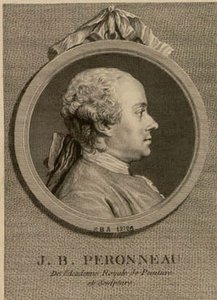
jean baptiste perronneau
1715 - 1783 , Netherlands
Quick Facts
- Artistic Movement Or Style: Rococo
- Artists Who Influenced This Artist: ['Maurice Quentin de la Tour']
- Date Of Birth: c. 1716
- Date Of Death: 1783
- Full Name: Jean-Baptiste Perronneau
- Nationality: French
- Notable Artworks:
- Portrait of Oudry
- Daniel Jousse
- Tassin de La Renardière
- Place Of Birth: Amsterdam, Netherlands
Related Articles

Van Gogh's Masterpieces: Explore 25 Iconic Paintings & Art for Your Home
Journey through Vincent van Gogh's 25 most iconic paintings! Explore 'Starry Night', 'Sunflowers,' and more—discover the stories, techniques & emotions behind these Post-Impressionist masterpieces. Find museum-quality art reproductions for your home at ArtsDot.com.

Rembrandt's Masterpieces: Explore 25 Iconic Paintings & Prints | ArtsDot
Journey through Rembrandt van Rijn's 25 most iconic paintings & etchings. Explore Dutch Golden Age masterpieces, dramatic chiaroscuro, and timeless portraits. Find museum-quality art reproductions to elevate your home decor on ArtsDot.com.
The Subtleties of Pastel: A Comprehensive Exploration of Technique, History & Emotional Resonance
Explore the captivating world of pastel art! Discover its rich history, Impressionistic masters like Degas, emotional power & unique techniques. Find museum-quality reproductions at ArtsDot.

Early Netherlandish Masters: 10 Paintings That Revolutionized Art & Decor
Journey into the world of Early Netherlandish painting! Explore 10 masterpieces by Jan van Eyck, Rogier van der Weyden & more. Discover stunning detail, symbolism & Renaissance art for your home decor. Find museum-quality reproductions on ArtsDot.com
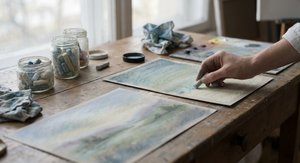
The Subdued Radiance of Pastel: Exploring Nuance & Emotion in Art
Explore the nuanced world of pastel art! Discover its history, techniques & emotional power with expert insights from ArtsDot.com. Find museum-quality reproductions and learn about collecting this delicate medium.