

 Preview
 Send
Send Share
Share
 Details

 Download
 Similars
 X-Ray
X-Ray Diaporama
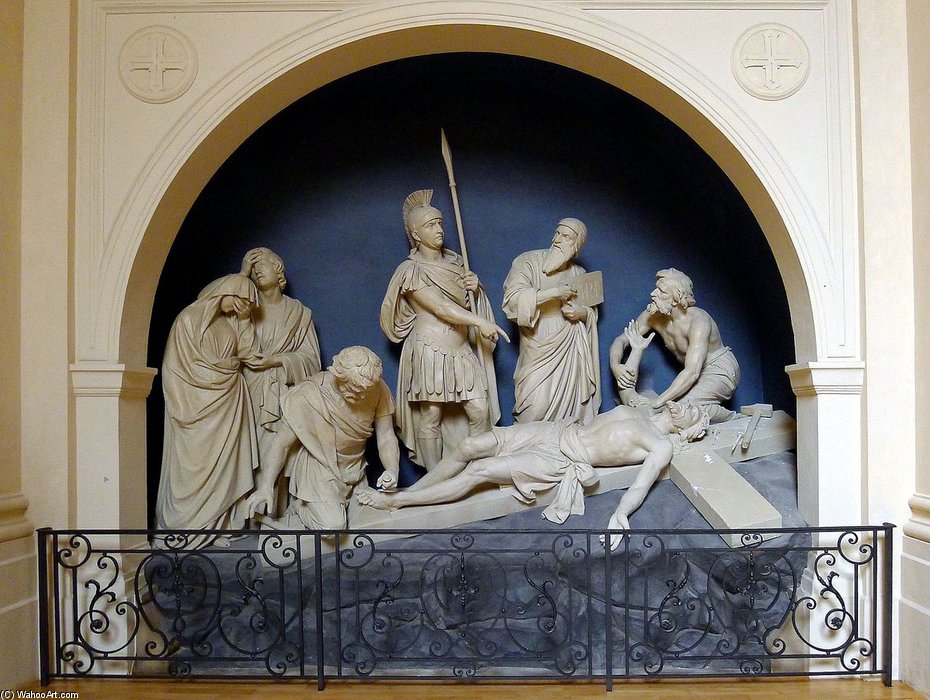
Saint-roch Church
 Read More
Purchase a high-resolution, enhanced digital image, far superior to the online preview.
Each file is meticulously prepared by our in-house specialists using advanced tools and expert manual retouching. We ensure every image has exceptional clarity, precise color accuracy, and fine detail.
The final file is delivered via email within 72 hours, optimized for immediate use in professional, editorial, and print environments. This is the same quality trusted by top-tier design studios, publishers, and galleries.
Digital Image
Download a high-resolution file for personal display, printing, and creative projects. ( Buy Print Buy Hand Made Painting)
Included in Every Digital Image Order
Expert Digital Delivery, Guaranteed
When you choose ArtsDot.com, you're not just getting an image - you're receiving a professionally enhanced digital artwork, crafted with precision and backed by a satisfaction guarantee. Here's everything that comes with your order, automatically:

Fast Email Delivery
Your high-resolution digital image file will be emailed to you within 72 hours of ordering - ready for immediate use.

AI-Enhanced Digital File
Your artwork is professionally optimized using advanced AI tools and manual editing, ensuring maximum detail, clarity, and color accuracy.

Free Lifetime Re-Delivery
Accidentally deleted or lost your file? No worries - we'll resend it to you anytime, free of charge.

No Import Fees - Ever
Enjoy your artwork instantly with zero customs, duties, or delivery fees - digital downloads are always tax-free.

Color Accuracy Guarantee
We ensure your digital image reflects the original colors as closely as possible using professional tools and color management.

60-Day Satisfaction Guarantee
If you're not satisfied with your digital image, we'll revise it or refund 100% within 60 days - no questions asked.

100% Money-Back Guarantee
Not satisfied? Get a full refund within 60 days of receiving your digital file - no questions asked.

Bulk Order Discounts
Buy 3 images, save 10% - Buy 5, save 15% - Buy 10+, save 20%. Great for creative projects, galleries, and agencies.
Related Artworks
Artist Biography
Early Life and Artistic Formation
Jean Bernard Duseigneur, also known as Jehan Duseigneur, emerged in the vibrant artistic landscape of 19th-century Paris, born on June 23rd, 1808. His early life was steeped in the practical world of craftsmanship; his father, Claude Bernard Duseigneur, was a bronzier—a maker and gilder of bronze objects. This familial connection proved formative, exposing young Jean to the technical intricacies of metalwork and sculpture from an exceptionally young age. While not hailing from a lineage of celebrated artists, this grounding in the physical processes of creation would later inform his own sculptural practice.
At the tender age of fourteen, Duseigneur embarked on formal training at the prestigious École des Beaux-Arts in Paris. There, he absorbed classical principles under the tutelage of François-Joseph Bosio, a student of Antonio Canova himself. However, even within this rigorous academic environment, Duseigneur’s artistic sensibilities began to diverge from strict Neoclassical conventions. He found himself increasingly drawn to the evocative power of the Middle Ages and Christian iconography, seeking new sources of inspiration in chivalrous narratives and religious themes.
The Dawn of Romantic Sculpture: Roland Furieux
Duseigneur’s breakthrough moment arrived in 1831 with the exhibition of Roland Furieux, a sculpture based on Ariosto's epic poem *Orlando Furioso*. This work is often heralded as the first truly Romantic sculpture, marking a significant departure from the prevailing Neoclassical style. The piece captured not merely the physical form of the knight Roland, but his inner turmoil—his “fury,” as the title suggests—a dramatic intensity that resonated with the burgeoning Romantic movement’s emphasis on emotion and individualism.
The sculpture's success propelled Duseigneur into the spotlight. It signaled a shift in sculptural focus, moving away from idealized representations of classical heroes towards more dynamic and emotionally charged subjects. He demonstrated an acute understanding of anatomy, honed through dedicated study, but he employed this knowledge not for precise imitation, but to convey the raw power and psychological depth of his figures.
A Devotion to Religious Art and Portraiture
Following the acclaim surrounding Roland Furieux, Duseigneur’s artistic trajectory took a decidedly religious turn. He dedicated himself almost exclusively to creating works for churches and other sacred spaces, embracing commissions that allowed him to explore themes of faith and spirituality. This period reflects not only a personal devotion but also the broader cultural context of France at the time—a society experiencing a renewed interest in religious expression.
Alongside his religious sculptures, Duseigneur cultivated a reputation as a skilled portraitist. He immortalized prominent figures of the era in bronze and plaster busts, including Jacques de Rougé, Marquis du Plessis-Bellière, whose likeness now resides in the Palace of Versailles. Perhaps most notably, he created a compelling bust of the poet Gérard de Nerval, capturing the complex personality of this influential literary figure.
Legacy and Historical Significance
Jean Bernard Duseigneur’s career spanned three decades, during which he bridged the gap between Romanticism and the emerging Realist movement in French sculpture. His work is characterized by a unique blend of classical precision and emotional intensity—a testament to his rigorous training and independent artistic vision.
- Influence on Subsequent Generations: Duseigneur’s sculptures, housed in prestigious institutions like the Louvre and Versailles, continue to inspire artists and scholars today. His ability to convey emotion through muscular forms and dynamic compositions left a lasting mark on French sculpture.
- Connection to Literary Circles: His portraits of figures such as Théophile Gautier and Victor Hugo demonstrate his close ties to the literary world of Romantic Paris, solidifying his position within the broader cultural landscape of the era.
- A Bridge Between Styles: Duseigneur’s work represents a pivotal moment in sculptural history—a transition from the idealized forms of Neoclassicism to the more realistic and emotionally charged expressions of the 19th century.
Jean Bernard Duseigneur passed away on March 6th, 1866, leaving behind a legacy of expressive portrait busts, allegorical statues, and religious works that continue to captivate audiences with their dramatic spirit and technical mastery. His sculptures stand as powerful reminders of the Romantic era’s enduring fascination with emotion, individualism, and the human condition.
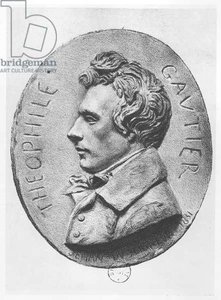
jean bernard duseigneur
1808 - 1866 , France
Quick Facts
- Artistic Movement Or Style: Romantic Sculpture
- Artists Who Influenced This Artist:
- François-Joseph Bosio
- Jean-Pierre Cortot
- Antonio Canova
- Date Of Birth: 1808
- Date Of Death: March 6, 1866
- Full Name: Jean Bernard Duseigneur
- Nationality: French
- Notable Artworks: ['Roland Furieux']
- Place Of Birth: Paris, France

