 Preview
 Send
Send Share
Share
 Details

 Download
 Similars
 X-Ray
X-Ray Diaporama
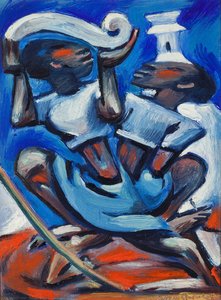
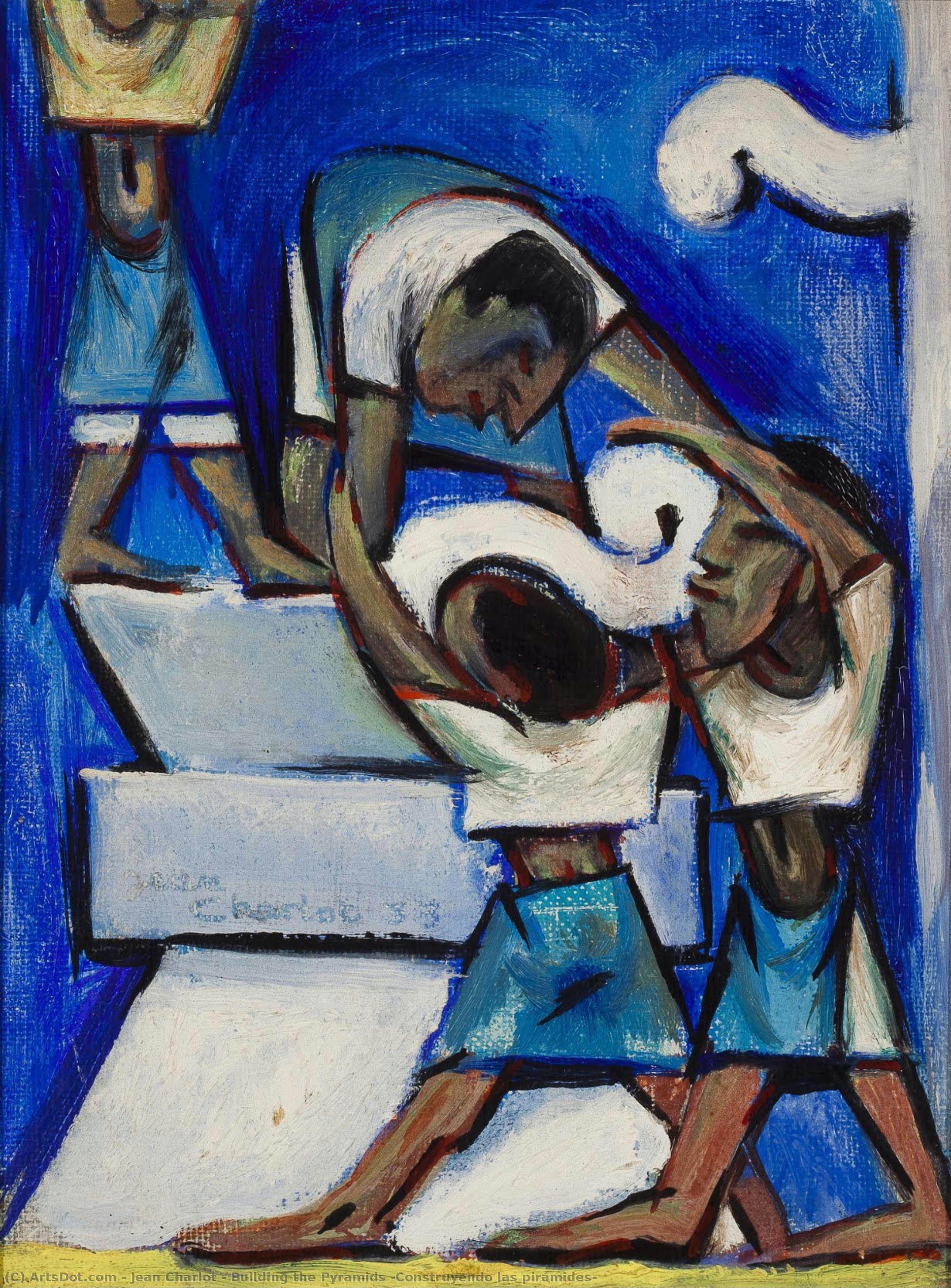
Building the Pyramids (Construyendo las pirámides)


 Read More
Hand Made Oil Reproduction
Hand-painted oil on canvas in your size and frame, made to order by our artists. ( Buy Print Buy Image)




P118B $10

P118H $10

P118W $10

P438Z $10

P508JH $12

P508YH $12

P805H $10

P805Z $10

P919BZ $10

P919G $10

P919XJ $10

P959ZH $10

P968JZ $12

W106C $8

W218G $10

W218JH $8

W218Y $10

W307PJ $10

W316G $10

W316PJ $8

W316Y $10

W398PJ $8

W4111J $10

W500HY $15

W500JH $15

W692G $12

W849H $8

W940BG $15

W953PJ $8




Pick from our preset sizes that match the artwork's original proportions.

You may enter your own dimensions to fit a specific frame or space. If your selected size does not match the original image's proportions, we will either crop the artwork or extend the painting with additional hand-painted elements. A digital mockup will be sent for your approval before production begins.
Please note that the on-screen preview does not reflect the actual cropping or extension. Only the mockup will accurately show the final composition.
While custom sizes are available, we recommend selecting a dimension from the predefined list to preserve the original proportions.
After order, ArtsDot.com team will email client for instructions and provide a mockup preview
Worldwide Delivery () in 3/4 weeks instead of standard 5 weeks. (17 August). No compromise on quality.

Free Worldwide Express Shipping

High-Quality Linen Canvas

Full Shipping Insurance

Customs Tax Refund Guarantee

True Color Matching Guarantee

60-Day Return Policy (Defects Only)

100% Money-Back Guarantee

Bulk Discount Offer
 Glass option is only available in size under 110 CM

Building the Pyramids (Construyendo las pirámides)
Reproduction Medium
Reproduction Size
-


Total Price
$ 263
Artwork Description
A Monumental Vision of Collective Strength
In the evocative masterpiece Building the Pyramids (Construyendo las pirámides), created in 1933, Jean Charlot invites us into a profound meditation on human labor and communal purpose. The painting presents a striking blue and white color scheme that lends the scene an ethereal, almost dreamlike quality, stripping away the grit of physical toil to reveal the spiritual essence of construction. At the heart of this composition, a powerful trio of figures commands our attention: two men exert their strength to hoist a third man upon their shoulders, a gesture that serves as a breathtaking metaphor for mutual support and the lifting of society toward higher aspirations. This central movement is surrounded by a tapestry of smaller figures, scattered throughout the landscape like notes in a rhythmic symphony, each engaged in the shared rhythm of a monumental task.
The technique employed by Charlot reflects his deep roots in the Mexican Muralist movement, where clarity of form and monumental scale were paramount. By utilizing a restrained palette, he directs the viewer's eye away from superficial detail and toward the structural integrity of the human form. The figures possess a sculptural weight, reminiscent of ancient reliefs, which bridges the gap between the contemporary struggles of 1930s labor and the timeless grandeur of the civilizations that once raised stone monoliths. This stylistic choice creates a sense of permanence, suggesting that the act of building is not merely a physical endeavor but a continuous cycle of human history.
Symbolism and the Spirit of Unity
Beyond its surface depiction of labor, Building the Pyramids functions as a profound symbolic narrative. The pyramid itself—a structure of immense stability and mathematical precision—represents the culmination of collective will. Charlot masterfully uses the interplay of light and shadow within his blue-toned atmosphere to suggest that even in the midst of heavy exertion, there is a divine or transcendent purpose at play. The act of one man being lifted by others transcends simple teamwork; it becomes an allegory for the way individual contributions coalesce to form something much larger and more enduring than any single person could achieve alone. It is a celebration of the social contract and the dignity found in shared struggle.
For the discerning collector or interior designer, this piece offers more than just aesthetic beauty; it provides a focal point of intellectual and emotional depth. The cool tones of the painting bring a sense of calm and stability to a room, while the underlying themes of resilience and cooperation offer an inspiring atmosphere for any space dedicated to thought, leadership, or community. As a high-quality reproduction, this artwork serves as a window into the soul of the Mexican Renaissance, allowing the legacy of Jean Charlot’s symbolic vision to breathe life into modern interiors, reminding all who view it of the enduring power of human unity.
Related Artworks
Artist Biography
The Visionary Synthesis of Jean Charlot
Jean Charlot stands as a pivotal figure in the artistic landscape of the 20th century, particularly celebrated for his profound contribution to the burgeoning Mexican Mural Renaissance alongside luminaries like Diego Rivera and José Clemente Orozco. Born in Paris, France, in 1898, Charlot’s journey toward becoming an internationally recognized artist began amidst the intellectual ferment of Belle Époque Europe—a period marked by Symbolism, Impressionism, and a fervent fascination with mythology and ancient civilizations. His formative years instilled within him a profound appreciation for artistic experimentation and a dedication to exploring themes rooted in spirituality and cultural heritage.
The foundations of his aesthetic were laid under the tutelage of the legendary Gustave Moreau, a prominent Symbolist painter who championed the pursuit of esoteric knowledge. Moreau’s teachings profoundly shaped Charlot’s sensibilities, emphasizing meticulous observation, tonal subtlety, and the incorporation of symbolic imagery—elements that would become hallmarks of his distinctive style. This early training encouraged Charlot to delve into the realms of mythology and folklore, creating a bridge between European intellectualism and the raw, vibrant energy of the Americas.
From New York Avant-Garde to Mexican Muralism
Charlot’s artistic career gained considerable momentum during his relocation to New York City in 1923. In the bustling heart of the American art scene, he quickly established himself as a respected instructor at Cooper Union and became instrumental in fostering the careers of numerous emerging artists, including Willem de Kooning and Philip Guston. This period witnessed Charlot's deep engagement with avant-garde movements such as Surrealism and Cubism, which broadened his visual vocabulary through fragmented perspectives and dreamlike compositions.
However, it was his connection to the Mexican identity that would ultimately define his legacy. As a key participant in the Mexican Muralist movement, Charlot moved beyond the confines of traditional canvas to embrace the monumental scale of fresco painting. His work became a tapestry of cultural synthesis, where he masterfully wove together:
- Indigenous Heritage: A deep reverence for Mayan art and the structural beauty of pre-Columbian civilizations.
- Cultural Identity: Vivid depictions of indigenous culture and the daily rhythms of Mexican life.
- Spiritual Symbolism: The integration of religious themes and mythological motifs that echoed his Symbolist roots.
A Legacy of Line and Emotion
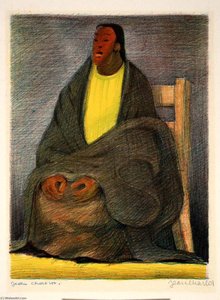
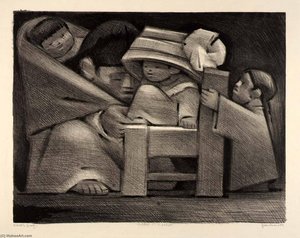
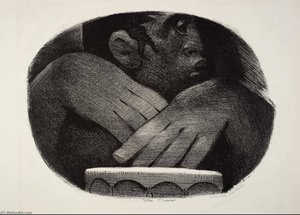
Throughout his diverse body of work, which spans from intricate lithographs like the tender 1935 masterpiece Embrace to large-scale sculptures and paintings, Charlot maintained a unique ability to radiate warmth and emotion through precise line work. Whether capturing the quiet dignity in works such as Sunday Hat or exploring more abstract, untitled compositions, his art remains a testament to the power of cultural fusion.
His historical significance lies not only in his technical mastery of fresco and printmaking but in his role as a cultural mediator. By blending the sophisticated Symbolist traditions of his French upbringing with the powerful, earth-bound narratives of Mexican indigenous life, Jean Charlot created a visual language that was both profoundly local and universally resonant. His life's work remains an enduring exploration of how ancient mythologies can breathe new life into modern artistic expression.
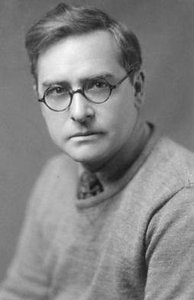
Jean Charlot
1898 - 1979 , France
Quick Facts
- Artistic Movement Or Style: Mexican Muralism
- Artists Or Movements Influenced By This Artist: ['Symbolist Painting']
- Artists Who Influenced This Artist:
- Diego Rivera
- José Clemente Orozco
- Date Of Birth: February 8, 1898
- Full Name: Louis Henri Jean Charlot
- Nationality: France & United States
- Notable Artworks:
- Embrace
- Sunday Hat
- Place Of Birth: Paris, France
Related Articles

White on Canvas: 10 Masterpieces & Timeless Elegance for Your Home Decor
Explore 10 iconic white paintings by Monet, Whistler & Rothko! Discover the stories behind these serene masterpieces and their impact on art history. Find museum-quality reproductions for your home decor at .

Elevating Interiors: How Murals are Redefining Kitchens and Bathrooms
Transform your kitchen & bathroom with stunning murals! Explore design trends, durable materials & expert advice. Elevate your interiors with 's bespoke mural solutions.
Slate Blue Masterpieces: 10 Iconic Paintings & Timeless Home Decor Ideas
Immerse yourself in the captivating world of slate blue! Explore 10 iconic paintings by Monet, Van Gogh & Renoir. Discover their stories, techniques & find museum-quality art reproductions for your home at .

From Jungle Scenes to Gold Leaf Geometry: A Guide to Today's Most Requested Mural Styles
Explore today's top mural styles for hotels & commercial spaces! Discover trends, expert insights, & custom design solutions. Elevate your space with .
Anchoring Interior Design with Murals: A Comprehensive Guide for Hotel Designers
Elevate your hotel's design with impactful murals! Our expert guide explores anchoring interior spaces, thematic storytelling & durable solutions for luxury hospitality. Discover bespoke art options & elevate the guest experience.