 Preview
 Send
Send Share
Share
 Details

 Download
 Similars
 X-Ray
X-Ray Diaporama
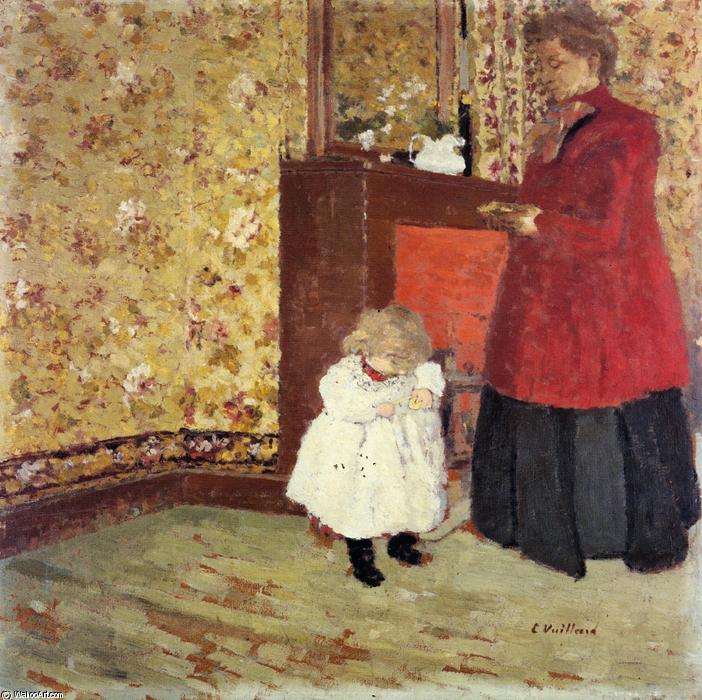
Mother and Child
 Acrylic On Canvas
- WallArt
- Post-Impressionism
 1900
1900 51.0 x 50.0 cm
 Read More
Hand Made Oil Reproduction
Hand-painted oil on canvas in your size and frame, made to order by our artists. ( Buy Print Buy Image)




P118B $10

P118H $10

P118W $10

P438Z $10

P508JH $12

P508YH $12

P805H $10

P805Z $10

P919BZ $10

P919G $10

P919XJ $10

P959ZH $10

P968JZ $12

W106C $8

W218G $10

W218JH $8

W218Y $10

W307PJ $10

W316G $10

W316PJ $8

W316Y $10

W398PJ $8

W4111J $10

W500HY $15

W500JH $15

W692G $12

W849H $8

W940BG $15

W953PJ $8




Pick from our preset sizes that match the artwork's original proportions.

You may enter your own dimensions to fit a specific frame or space. If your selected size does not match the original image's proportions, we will either crop the artwork or extend the painting with additional hand-painted elements. A digital mockup will be sent for your approval before production begins.
Please note that the on-screen preview does not reflect the actual cropping or extension. Only the mockup will accurately show the final composition.
While custom sizes are available, we recommend selecting a dimension from the predefined list to preserve the original proportions.
After order, ArtsDot.com team will email client for instructions and provide a mockup preview
Worldwide Delivery () in 3/4 weeks instead of standard 5 weeks. (24 August). No compromise on quality.

Free Worldwide Express Shipping

High-Quality Linen Canvas

Full Shipping Insurance

Customs Tax Refund Guarantee

True Color Matching Guarantee

60-Day Return Policy (Defects Only)

100% Money-Back Guarantee

Bulk Discount Offer
 Glass option is only available in size under 110 CM

Mother and Child
Reproduction Medium
Reproduction Size
-


Total Price
$ 263
Artwork Description
Jean Edouard Vuillard: A Tender Reflection on Domestic Harmony
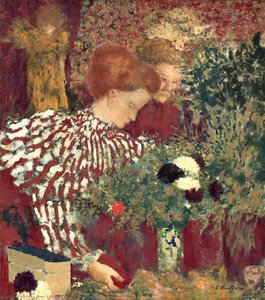
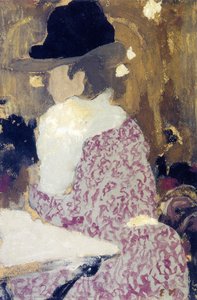
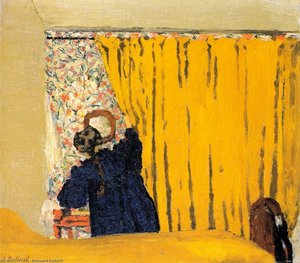
The painting “Mother and Child,” created in 1900 by Jean Edouard Vuillard, stands as a quintessential example of the Nabi movement’s distinctive aesthetic—a celebration of quiet intimacy and understated beauty. More than just a depiction of familial affection, it embodies Vuillard's profound exploration of spatial perception and color harmony, cementing his place among the pioneers of modern art. ### Composition and Spatial Illusion Vuillard masterfully employs flattened planes of color to create an illusion of depth within a seemingly simple interior scene. The fireplace dominates the background, its muted hues anchoring the composition while simultaneously suggesting warmth and comfort. Two vases strategically positioned on surfaces contribute to this sense of space, subtly guiding the viewer’s gaze across the canvas. Notably, the central cup rests delicately upon a tabletop, emphasizing stillness and contemplation—a characteristic element found throughout Vuillard's oeuvre. This deliberate arrangement isn’t merely decorative; it reflects Vuillard’s fascination with capturing the essence of domestic life through innovative visual techniques. ### Color Palette and Artistic Style Vuillard’s palette is dominated by soft, muted tones – predominantly reds, yellows, and browns—creating a harmonious blend that evokes a feeling of serenity. The bold crimson dress worn by the mother serves as a focal point, injecting vibrancy into the overall composition without overwhelming it. Vuillard's style aligns closely with Paul Gauguin’s influence, prioritizing expressive color over realistic representation. He eschewed academic conventions, favoring instead a technique characterized by loose brushstrokes and textured surfaces—a deliberate departure from traditional painting methods. This stylistic choice underscores Vuillard’s commitment to conveying emotion and atmosphere rather than simply documenting visual reality. ### Symbolism of Domestic Tranquility Beyond its formal qualities, “Mother and Child” resonates with deeper symbolic meanings. The mother-child relationship itself represents the core values of compassion, nurturing, and familial devotion—themes prevalent in Nabi art. The fireplace symbolizes hearth and home, representing warmth, security, and connection to tradition. Furthermore, the vase’s placement speaks to Vuillard's interest in capturing fleeting moments of beauty and tranquility within everyday life. These elements combine to create a visual narrative that transcends mere representation, inviting viewers to contemplate the profound significance of domestic harmony and maternal love. ### Legacy and Influence Vuillard’s groundbreaking approach to color and form profoundly impacted subsequent artistic movements, notably Cubism and Fauvism. His pioneering use of flattened planes paved the way for artists like Picasso and Matisse to experiment with abstraction and explore new expressive possibilities. “Mother and Child” remains a testament to Vuillard's enduring legacy—a timeless masterpiece that continues to inspire admiration for its delicate beauty and masterful execution. It exemplifies the Nabi movement’s ambition to redefine art as a vehicle for conveying emotion and capturing the spirit of modern life, securing Vuillard’s place as one of the most influential figures in 20th-century painting.Related Artworks
Artist Biography
**early life and artistic beginnings**
jean-édouard vuillard, a french painter, decorative artist, and printmaker, was born on november 11, 1868, in cuiseaux, france. his life's work would later become a cornerstone of the avant-garde artistic group les nabis, alongside fellow visionaries like maurice denis and édouard vuillard. this collective would revolutionize the art world with their innovative approach to color and form.**the nabis movement and its influence**
as a prominent member of les nabis, vuillard's paintings assembled areas of pure color, influenced by japanese prints. his interior scenes explored the spatial effects of flattened planes of color, pattern, and form. this approach would later influence the development of cubism, fauvism, and abstract art.- les nabis, a group of young french artists active in paris from 1888 until 1900, played a large part in the transition from impressionism and academic art to abstract art, symbolism, and the other early movements of modernism.
- their philosophy was based upon the philosophy of positivism, and the writings of auguste comte and hippolyte taine.
**vuillard's later work and legacy**
after 1900, when les nabis disbanded, vuillard adopted a more realistic style, approaching landscapes and interiors with greater detail and vivid colors. in the 1920s and 1930s, he painted portraits of prominent figures in french industry and the arts in their familiar settings. **key works and exhibitions:**- jean-édouard vuillard's paintings can be found in various museums, including the musée de la révolution française (france), which boasts a rich collection of artworks, documents, and objects related to the revolutionary period.
- some of his notable works include "la patrie en danger" by guillaume lethière and "jean de la barre" by jean clouet, which depict a young man condemned to death for blasphemy during the ancien régime.
- vuillard's later work, such as his portraits of french industry and arts figures, can be seen in various galleries, including those at intimism art movement and jean-édouard vuillard's page on ArtsDot.
**conclusion**
jean-édouard vuillard's enigmatic world, characterized by its innovative use of color and form, has left an indelible mark on the art world. as a pioneer of modernism, his work continues to inspire artists and influence various artistic movements. discover more about intimism art movement and explore jean-édouard vuillard's works on ArtsDot.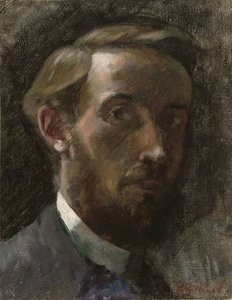
jean-édouard vuillard
1868 - 1940 , France
Quick Facts
- Artistic Movement Or Style: Nabis
- Artists Or Movements Influenced By This Artist:
- Cubism
- Fauvism
- Artists Who Influenced This Artist: ['Paul Gauguin']
- Date Of Birth: November 11, 1868
- Date Of Death: June 21, 1940
- Full Name: Jean-Édouard Vuillard
- Nationality: French
- Notable Artworks:
- Woman Sweeping
- Sunlit Interior
- Place Of Birth: Cuiseaux, France
Related Articles
Beyond Light & Color: Impressionism vs. Post-Impressionism for the Discerning Collector
Explore the nuances of Impressionism & Post-Impressionism with . Expert insights for collectors on style, investment, and acquiring museum-quality reproductions.
Post-Impressionism's 10 Defining Masterpieces: Art for Your Home |
Journey through Post-Impressionism's 10 defining masterpieces – Van Gogh, Monet & more. Explore iconic paintings, art history & find museum-quality reproductions for your home at . Discover all masterpieces online!
Beyond Impressionism: Exploring the Emotional Depth of Post-Impressionist Painting
Explore the profound emotional depth & innovative techniques of Post-Impressionism with ArtsDot. Discover Cézanne, Van Gogh, Gauguin & more – and their lasting impact on modern art.

Impressionism's Masterpieces: 10 Paintings That Defined a Movement | ArtsDot
Journey through Impressionism's heart with 10 iconic paintings by Monet, Renoir & Degas. Explore light, color & the stories behind these masterpieces. Find museum-quality art reproductions and elevate your home decor on ArtsDot.com.
Beyond Impressionism: Exploring Emotional Depth & Formal Innovation in Post-Impressionist Art
Explore the profound emotional depth & formal innovations of Post-Impressionism with our expert guide. Discover Cézanne, Van Gogh, Gauguin & more. Learn about art history, collecting, and investing in this pivotal movement.