 Preview
 Send
Send Share
Share
 Details

 Download
 Similars
 X-Ray
X-Ray Diaporama
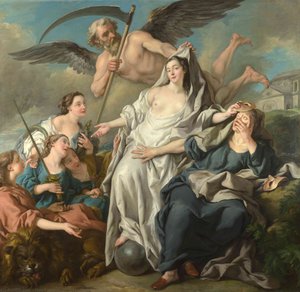
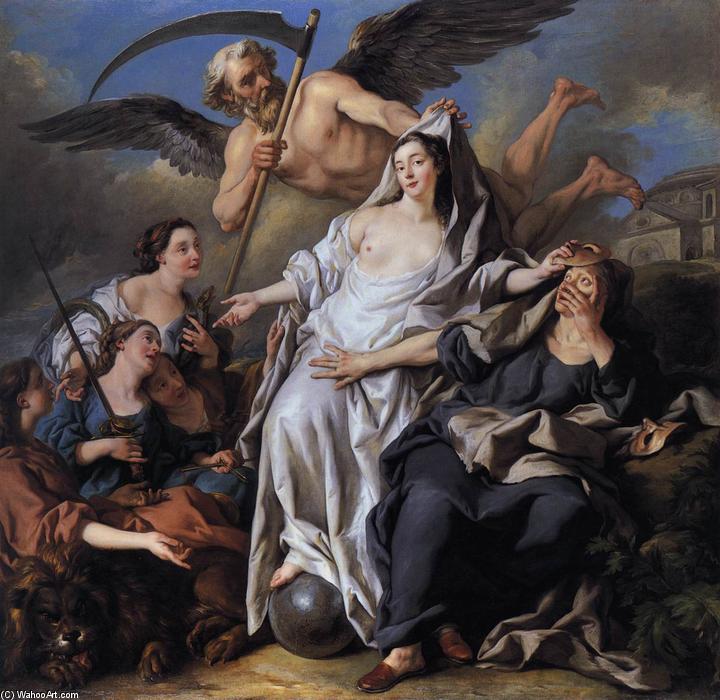
An Allegory of Time Unveiling Truth


 Read More
Hand Made Oil Reproduction
Hand-painted oil on canvas in your size and frame, made to order by our artists. ( Buy Print Buy Image)




P118B $10

P118H $10

P118W $10

P438Z $10

P508JH $12

P508YH $12

P805H $10

P805Z $10

P919BZ $10

P919G $10

P919XJ $10

P959ZH $10

P968JZ $12

W106C $8

W218G $10

W218JH $8

W218Y $10

W307PJ $10

W316G $10

W316PJ $8

W316Y $10

W398PJ $8

W4111J $10

W500HY $15

W500JH $15

W692G $12

W849H $8

W940BG $15

W953PJ $8




Pick from our preset sizes that match the artwork's original proportions.

You may enter your own dimensions to fit a specific frame or space. If your selected size does not match the original image's proportions, we will either crop the artwork or extend the painting with additional hand-painted elements. A digital mockup will be sent for your approval before production begins.
Please note that the on-screen preview does not reflect the actual cropping or extension. Only the mockup will accurately show the final composition.
While custom sizes are available, we recommend selecting a dimension from the predefined list to preserve the original proportions.
After order, ArtsDot.com team will email client for instructions and provide a mockup preview
Worldwide Delivery () in 3/4 weeks instead of standard 5 weeks. (16 August). No compromise on quality.

Free Worldwide Express Shipping

High-Quality Linen Canvas

Full Shipping Insurance

Customs Tax Refund Guarantee

True Color Matching Guarantee

60-Day Return Policy (Defects Only)

100% Money-Back Guarantee

Bulk Discount Offer
 Glass option is only available in size under 110 CM

An Allegory of Time Unveiling Truth
Reproduction Medium
Reproduction Size
-


Total Price
$ 263
Artwork Description
An Allegory of Time Unveiling Truth
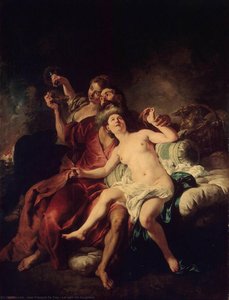
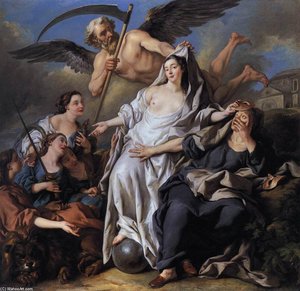
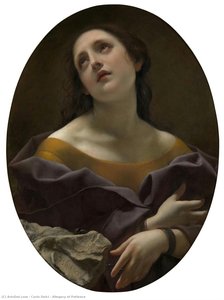
Jean-François de Troy’s “An Allegory of Time Unveiling Truth,” painted in 1733, stands as a testament to the enduring power of Baroque artistry and its ability to convey profound emotional depth. This monumental canvas captures a scene steeped in mythic allusion – specifically, the tale of Persephone and Hades – transforming it into a poignant meditation on mortality and acceptance. More than just a depiction of figures, it’s an exploration of psychological states rendered with breathtaking precision and dramatic flair.Composition & Style: Baroque Grandeur
The painting exemplifies the Baroque style's characteristic grandeur and dynamism. Troy skillfully employs theatrical lighting – chiaroscuro – to sculpt the forms against a subtly idealized landscape backdrop, drawing viewers into the scene’s emotional core. Diagonal lines dominate the composition, guiding the eye across the canvas and emphasizing the instability inherent in grief and loss. The central figure, draped in white, embodies Persephone, presented by Death (represented as a winged skeleton), symbolizing not merely physical demise but also the unveiling of ultimate truth – the inescapable reality of fate. This deliberate arrangement contributes to an overwhelming sense of movement and theatricality, mirroring the Baroque penchant for conveying intense emotion through visual spectacle.Technique & Material Considerations
Troy’s meticulous technique speaks volumes about his artistic prowess. Executed in oil on canvas, he utilizes glazing techniques to achieve luminous colors and remarkable textural detail. Observe how the artist painstakingly renders drapery folds with subtle shading, capturing the weight and movement of fabric—a hallmark of Baroque painting. The brushwork itself is visible, adding to the realism and conveying a palpable sense of immediacy. Furthermore, anatomical accuracy underscores Troy’s commitment to portraying figures with scientific precision, aligning him squarely within the intellectual currents of his era.Symbolism: Layers of Meaning
Beyond its visual splendor lies a rich tapestry of symbolism. The veiled woman represents Persephone, abducted by Hades into the underworld, signifying acceptance of death's inevitable dominion. The scythe wielded by Death embodies mortality itself, while the expressions of sorrow etched upon the mourners’ faces convey the profound grief associated with loss. The landscape serves as a counterpoint to the figures’ emotional turmoil—a serene backdrop that underscores the stark contrast between earthly existence and eternal oblivion. Each element contributes to a complex narrative designed to provoke contemplation on themes of mortality, faith, and spiritual transformation.Emotional Impact & Legacy
“An Allegory of Time Unveiling Truth” transcends mere representation; it aspires to evoke visceral emotion. The painting’s somber palette—dominated by creams, browns, grays, and blues—further amplifies the mood of melancholy and despair. Troy's masterful manipulation of light and shadow creates a dramatic visual experience that compels viewers to confront uncomfortable truths about human existence. This artwork remains an enduring symbol of Baroque artistic achievement, captivating audiences centuries later with its profound psychological insight and breathtaking aesthetic beauty. Its influence can still be felt in contemporary art and design—a testament to Troy’s ability to capture the essence of human emotion within a timeless masterpiece.Related Artworks
Artist Biography
A Life Immersed in Aristocratic Splendor
Jean-François de Troy, born into a family steeped in artistic tradition in Toulouse, France, in 1645, emerged as a pivotal figure bridging the Baroque and Rococo periods. His father, Antoine de Troy, was a painter of some renown, providing young Jean-François with his initial grounding in the fundamentals of art. This early exposure, coupled with subsequent studies under Claude Lefèbvre and Nicolas-Pierre Loir in Paris, laid the foundation for a career that would see him become not only a celebrated portraitist but also a favored artist among European royalty. The influence of his father and masters instilled within him a meticulous technique and an appreciation for capturing both physical likeness and the nuances of character – skills he honed throughout his life. He married Jeanne Cotelle, sister-in-law to Loir, further solidifying his position within the Parisian art world.From Royal Commissions to Exiled Courts
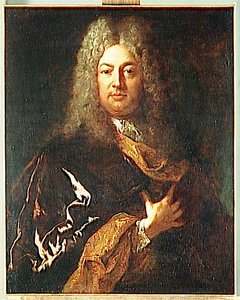
De Troy’s early successes stemmed from a combination of talent and astute networking. He quickly gained favor with prominent figures like Madame de Montespan, Louis XIV's celebrated mistress, undertaking tapestry designs and paintings that showcased his burgeoning skill. His ability to portray both religious and mythological subjects with grace and precision established him as a versatile artist capable of tackling diverse themes. However, it was his mastery of portraiture – particularly the depiction of fashionable society – that truly propelled him to prominence. He became *the* painter of choice for the aristocracy, immortalizing their elegance and status on canvas. This period saw him create portraits of Louis Auguste, Duke of Maine, and his wife Louise Bénédicte de Bourbon, cementing his reputation as a chronicler of aristocratic life. A dramatic turn in his career arrived with the exile of King James II to Saint-Germain-en-Laye. De Troy was appointed principal painter to the exiled court, a position that not only provided financial security but also placed him at the heart of European political intrigue and artistic patronage.The ‘Tableaux de Mode’ and Artistic Innovation
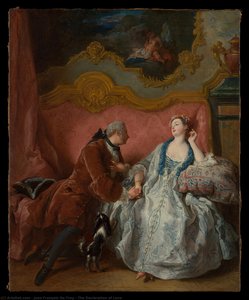
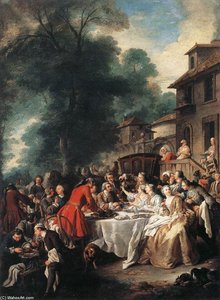
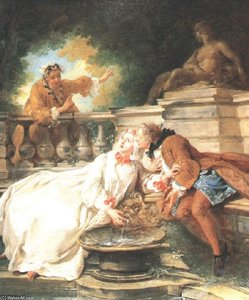
While adept at traditional portraiture, Jean-François de Troy is perhaps best remembered for his innovative *tableaux de mode* – “pictures of fashion.” These weren't simply portraits; they were vibrant snapshots of contemporary life, capturing the leisure activities, social customs, and opulent surroundings of the French upper class. Works like ‘Hunt Breakfast’ (1737) and ‘Luncheon with Oysters’ (1735) are prime examples, depicting scenes of refined indulgence and leisurely pursuits. These paintings weren't merely decorative; they offered a glimpse into the values and aspirations of the aristocracy, becoming highly sought-after status symbols in themselves. This unique genre allowed de Troy to showcase his skill in rendering textures – silks, satins, porcelain, and silver gleam with remarkable realism – and his ability to create dynamic compositions filled with subtle narrative details. He wasn’t simply painting people; he was painting a lifestyle.Legacy and Enduring Influence
De Troy's influence extended beyond his own artistic output. As Director of the French Academy in Rome from 1738, he played a role in shaping the next generation of artists, though his tenure was marked by some controversy due to his personal indulgences. He trained numerous students, including his son, Jean-François de Troy (the younger), as well as André Bouys and John Closterman, passing on his technical expertise and artistic sensibilities. His work continued to be admired throughout the 18th century, influencing portraiture and genre painting across Europe. Though he faced some setbacks later in life – a recall from Rome due to personal conflicts – his contribution to French art remains significant. He died in Paris in 1730 at the age of eighty-five, leaving behind a legacy of elegant portraits, captivating *tableaux de mode*, and a lasting impact on the artistic landscape of his time. His paintings continue to be celebrated for their technical brilliance, insightful social commentary, and enduring beauty – testaments to a life dedicated to capturing the splendor of an era. His work offers a fascinating window into the world of the French aristocracy, revealing not only how they looked but also how they lived.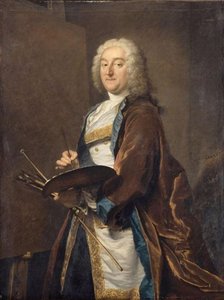
jean françois de troy
1645 - 1730 , France
Quick Facts
- Artistic Movement Or Style: Rococo, Baroque
- Artists Or Movements Influenced By This Artist:
- André Bouys
- John Closterman
- Artists Who Influenced This Artist:
- Claude Lefèbvre
- Nicolas-Pierre Loir
- Date Of Birth: January 9, 1645
- Date Of Death: 1730
- Full Name: Jean-François de Troy
- Nationality: French
- Notable Artworks:
- Richard Talbot, 1st Earl...
- Lady Mary Herbert as Diana
- Jules Hardouin-Mansart
- Elisabeth Jacquet de la...
- Portrait d'un couple en...
- Place Of Birth: Toulouse, France
Related Articles

Baroque Drama: Bringing Opulence & Emotion into Contemporary Interiors
Explore the opulent world of Baroque interior design! Discover key elements, modern applications & how to bring dramatic elegance into your home with 's authentic reproductions.

The Dramatic Flourish: Exploring the Baroque Movement's Enduring Legacy in Art History
Explore the dramatic world of Baroque art! Discover iconic artists like Caravaggio & Rubens, defining techniques, and its lasting impact on art history. Expert insights for collectors & enthusiasts at ArtsDot.

Baroque Masterpieces: 10 Paintings That Defined an Era |
Journey through the drama & grandeur of Baroque art! Explore 10 masterpieces by Caravaggio, Rembrandt, Rubens & more. Discover stunning oil paintings, rich colors & timeless stories. Find museum-quality reproductions at .

The Visceral Stage: Exploring Dramatic Narratives & Emotional Intensity in Baroque Art
Explore the dramatic world of Baroque art! Discover iconic masters like Caravaggio & Rembrandt, their techniques, and the movement's lasting impact. Expert insights for collectors & enthusiasts at ArtsDot.
From Grandeur to Grace: Exploring the Evolution of Baroque & Rococo Art
Explore the captivating evolution from Baroque's drama to Rococo's grace! Discover key artists, characteristics & lasting influence of these art movements with expert insights at ArtsDot.