 Preview
 Send
Send Share
Share
 Details

 Download
 Similars
 X-Ray
X-Ray Diaporama
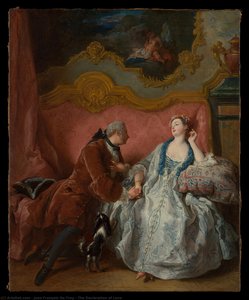
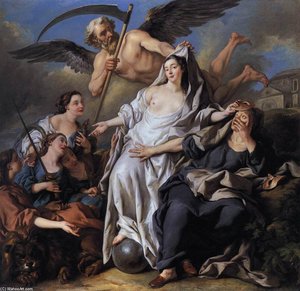
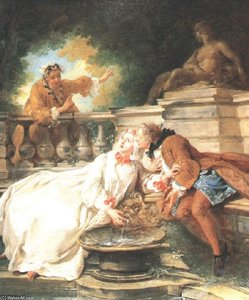
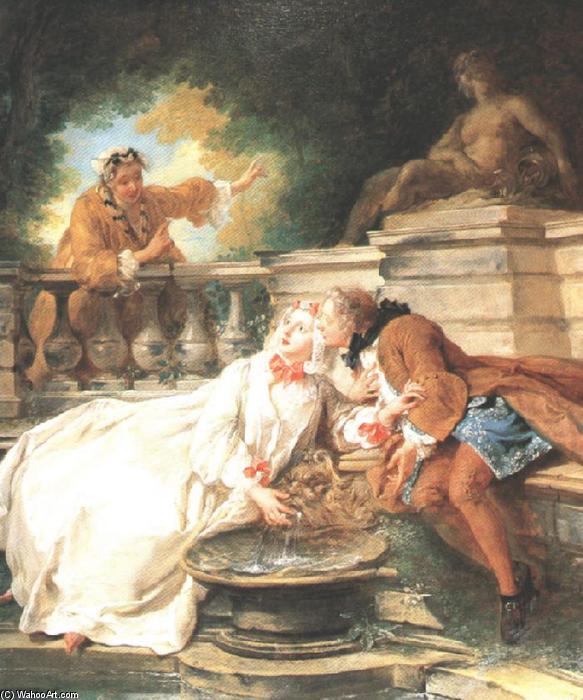
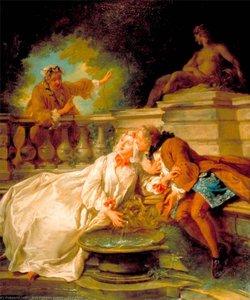
The Alarm, or the Gouvernante Fidèle


 Read More
Hand Made Oil Reproduction
Hand-painted oil on canvas in your size and frame, made to order by our artists. ( Buy Print Buy Image)




P118B $10

P118H $10

P118W $10

P438Z $10

P508JH $12

P508YH $12

P805H $10

P805Z $10

P919BZ $10

P919G $10

P919XJ $10

P959ZH $10

P968JZ $12

W106C $8

W218G $10

W218JH $8

W218Y $10

W307PJ $10

W316G $10

W316PJ $8

W316Y $10

W398PJ $8

W4111J $10

W500HY $15

W500JH $15

W692G $12

W849H $8

W940BG $15

W953PJ $8




Pick from our preset sizes that match the artwork's original proportions.

You may enter your own dimensions to fit a specific frame or space. If your selected size does not match the original image's proportions, we will either crop the artwork or extend the painting with additional hand-painted elements. A digital mockup will be sent for your approval before production begins.
Please note that the on-screen preview does not reflect the actual cropping or extension. Only the mockup will accurately show the final composition.
While custom sizes are available, we recommend selecting a dimension from the predefined list to preserve the original proportions.
After order, ArtsDot.com team will email client for instructions and provide a mockup preview
Worldwide Delivery () in 3/4 weeks instead of standard 5 weeks. (16 August). No compromise on quality.

Free Worldwide Express Shipping

High-Quality Linen Canvas

Full Shipping Insurance

Customs Tax Refund Guarantee

True Color Matching Guarantee

60-Day Return Policy (Defects Only)

100% Money-Back Guarantee

Bulk Discount Offer
 Glass option is only available in size under 110 CM

The Alarm, or the Gouvernante Fidèle
Reproduction Medium
Reproduction Size
-


Total Price
$ 263
Artwork Description
Jean-François de Troy: The Innovator of Elegant Portraits
Jean-François de Troy (1679–1752) stands as a pivotal figure bridging the Baroque and Rococo eras, recognized primarily for his masterful portraits—particularly his “tableaux de mode”—which captured the spirit of Parisian society during Louis XIV’s reign and its immediate aftermath. Born into a family steeped in artistic tradition in Toulouse, France, Troy benefited from early instruction by his father, François de Troy, a celebrated portraitist himself, establishing him firmly within the influential milieu of Parisian art. His subsequent studies under Claude Lefèbvre and Nicolas-Pierre Loir honed his technique and instilled an appreciation for conveying both physical likeness and psychological depth—skills that would define his prolific career. Notably, he was credited with inventing the “tableau de mode,” a genre distinguished by its meticulous depiction of fashionable dress and manners, reflecting a shift towards relaxed behavior following Louis XIV’s death in 1715. This innovative approach cemented Troy's legacy as one of France’s foremost artists of his time.- Early Influences: Troy’s artistic foundation stemmed from the teachings of François de Troy and Claude Lefèbvre, absorbing stylistic elements from Baroque masters like Rubens and Veronese.
- Academic Recognition: He secured a prestigious Prix de Rome in 1699, validating his talent and propelling him into the orbit of Parisian artistic circles.
- Royal Patronage: Troy’s career flourished under royal commissions for Versailles and Fontainebleau, showcasing his versatility as a painter and cementing his position among Europe's elite artists.
The Alarm (La Gouvernante Fidèle): A Snapshot of Rococo Sensuality
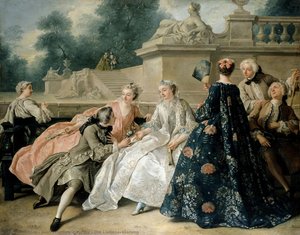
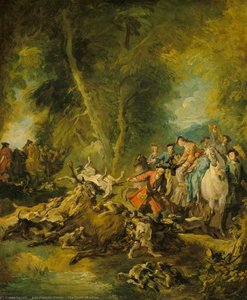
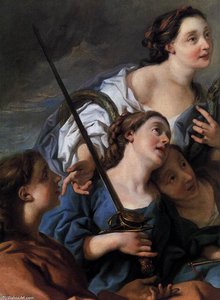
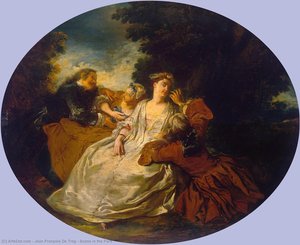
Troy’s most enduring fame rests upon his “tableaux de mode,” exemplified by “The Alarm” (La Gouvernante Fidèle), completed in 1723 and currently housed at the Victoria and Albert Museum. This captivating oil painting encapsulates the essence of Rococo aesthetics—characterized by delicate ornamentation, pastel hues, and an emphasis on sensual pleasure—reflecting a burgeoning taste for refined leisure amidst the opulent courts of Europe. The scene unfolds around a fountain, serving as the focal point of the composition, where a woman dressed in white satin adorned with crimson ribbons occupies a seat at its edge. Holding a small bird delicately in her hand, she embodies the idealized femininity prevalent during the Rococo period. Complementing this central figure is another woman standing beside the fountain, clad in yellow silk and clutching a basket—a subtle allusion to the domestic sphere and the rhythms of daily life. Across from them sits a man absorbed in reading, providing a counterpoint to the animated activity surrounding him.- Compositional Harmony: Troy skillfully orchestrates the scene’s visual elements, utilizing balanced lines and harmonious color palettes typical of Rococo painters.
- Detailed Rendering: The painting's meticulous depiction of fabrics—particularly the satin gown—demonstrates Troy’s mastery of technique and his ability to convey texture and materiality.
- Symbolic Significance: The fountain itself symbolizes fertility and renewal, mirroring the broader Rococo preoccupation with themes of love, beauty, and sensual indulgence.
Troy's Artistic Legacy: Beyond Individual Masterpieces
Beyond “The Alarm,” Troy’s oeuvre encompasses a diverse range of genres—history paintings imbued with grandeur and dramatic narrative alongside genre scenes capturing intimate moments of aristocratic life—demonstrating his artistic adaptability and securing his place as one of France’s most celebrated painters. His innovative approach to portraiture—characterized by an uncanny ability to capture both physical likeness and psychological nuance—established him as a pioneer of the “tableau de mode,” influencing generations of artists who sought to portray the fashionable world with elegance and sophistication. Troy's enduring influence extends beyond his individual paintings, shaping the artistic sensibilities of his era and solidifying his reputation as a visionary artist whose work continues to inspire admiration and scholarly inquiry today.- Influence on Contemporaries: Troy’s stylistic innovations profoundly impacted fellow artists like Louis-Albert Dubois and Robert Dighton, establishing him as a pivotal figure in the artistic landscape of 18th-century France.
- Rediscovery and Recognition: Initially attributed to Watteau, Troy's work gained posthumous acclaim thanks to meticulous research and scholarly reassessment—affirming his enduring artistic significance.
Troy’s Artistic Vision: A Reflection of His Time
Ultimately, Jean-François de Troy’s art serves as a poignant testament to the cultural values and aesthetic sensibilities of his era—capturing not merely visual details but also the emotional currents that shaped aristocratic society during Louis XIV's reign. His paintings embody the spirit of Rococo elegance, reflecting a fascination with beauty, pleasure, and refined leisure—qualities that resonated deeply within the artistic consciousness of his time and continue to captivate audiences worldwide. Troy’s legacy resides in his ability to transform observation into art—creating timeless images that encapsulate the essence of human experience and upholding his place as one of France's most influential painters.Related Artworks
Artist Biography
A Life Immersed in Aristocratic Splendor
Jean-François de Troy, born into a family steeped in artistic tradition in Toulouse, France, in 1645, emerged as a pivotal figure bridging the Baroque and Rococo periods. His father, Antoine de Troy, was a painter of some renown, providing young Jean-François with his initial grounding in the fundamentals of art. This early exposure, coupled with subsequent studies under Claude Lefèbvre and Nicolas-Pierre Loir in Paris, laid the foundation for a career that would see him become not only a celebrated portraitist but also a favored artist among European royalty. The influence of his father and masters instilled within him a meticulous technique and an appreciation for capturing both physical likeness and the nuances of character – skills he honed throughout his life. He married Jeanne Cotelle, sister-in-law to Loir, further solidifying his position within the Parisian art world.From Royal Commissions to Exiled Courts
De Troy’s early successes stemmed from a combination of talent and astute networking. He quickly gained favor with prominent figures like Madame de Montespan, Louis XIV's celebrated mistress, undertaking tapestry designs and paintings that showcased his burgeoning skill. His ability to portray both religious and mythological subjects with grace and precision established him as a versatile artist capable of tackling diverse themes. However, it was his mastery of portraiture – particularly the depiction of fashionable society – that truly propelled him to prominence. He became *the* painter of choice for the aristocracy, immortalizing their elegance and status on canvas. This period saw him create portraits of Louis Auguste, Duke of Maine, and his wife Louise Bénédicte de Bourbon, cementing his reputation as a chronicler of aristocratic life. A dramatic turn in his career arrived with the exile of King James II to Saint-Germain-en-Laye. De Troy was appointed principal painter to the exiled court, a position that not only provided financial security but also placed him at the heart of European political intrigue and artistic patronage.The ‘Tableaux de Mode’ and Artistic Innovation
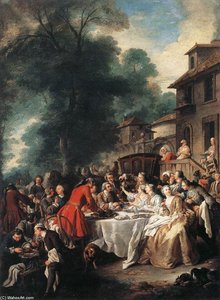
While adept at traditional portraiture, Jean-François de Troy is perhaps best remembered for his innovative *tableaux de mode* – “pictures of fashion.” These weren't simply portraits; they were vibrant snapshots of contemporary life, capturing the leisure activities, social customs, and opulent surroundings of the French upper class. Works like ‘Hunt Breakfast’ (1737) and ‘Luncheon with Oysters’ (1735) are prime examples, depicting scenes of refined indulgence and leisurely pursuits. These paintings weren't merely decorative; they offered a glimpse into the values and aspirations of the aristocracy, becoming highly sought-after status symbols in themselves. This unique genre allowed de Troy to showcase his skill in rendering textures – silks, satins, porcelain, and silver gleam with remarkable realism – and his ability to create dynamic compositions filled with subtle narrative details. He wasn’t simply painting people; he was painting a lifestyle.Legacy and Enduring Influence
De Troy's influence extended beyond his own artistic output. As Director of the French Academy in Rome from 1738, he played a role in shaping the next generation of artists, though his tenure was marked by some controversy due to his personal indulgences. He trained numerous students, including his son, Jean-François de Troy (the younger), as well as André Bouys and John Closterman, passing on his technical expertise and artistic sensibilities. His work continued to be admired throughout the 18th century, influencing portraiture and genre painting across Europe. Though he faced some setbacks later in life – a recall from Rome due to personal conflicts – his contribution to French art remains significant. He died in Paris in 1730 at the age of eighty-five, leaving behind a legacy of elegant portraits, captivating *tableaux de mode*, and a lasting impact on the artistic landscape of his time. His paintings continue to be celebrated for their technical brilliance, insightful social commentary, and enduring beauty – testaments to a life dedicated to capturing the splendor of an era. His work offers a fascinating window into the world of the French aristocracy, revealing not only how they looked but also how they lived.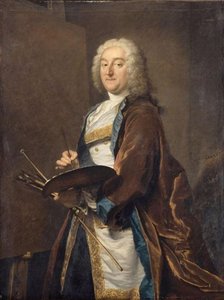
jean françois de troy
1645 - 1730 , France
Quick Facts
- Artistic Movement Or Style: Rococo, Baroque
- Artists Or Movements Influenced By This Artist:
- André Bouys
- John Closterman
- Artists Who Influenced This Artist:
- Claude Lefèbvre
- Nicolas-Pierre Loir
- Date Of Birth: January 9, 1645
- Date Of Death: 1730
- Full Name: Jean-François de Troy
- Nationality: French
- Notable Artworks:
- Richard Talbot, 1st Earl...
- Lady Mary Herbert as Diana
- Jules Hardouin-Mansart
- Elisabeth Jacquet de la...
- Portrait d'un couple en...
- Place Of Birth: Toulouse, France
Related Articles

Demandes Commerciales
APS ofrece reproducciones de bellas artes y encargos personalizados desde 2004. Confían en nosotros corporaciones, hoteles y coleccionistas selectos para obras de arte de calidad museística, servicio discreto y soluciones artísticas completas. ¡Póngase en contacto con nosotros para obtener un presupuesto personalizado!

Goya's Masterpieces: Explore 25 Iconic Paintings & Art Prints | ArtsDot
Delve into the world of Francisco Goya with ArtsDot. Explore 25 iconic paintings – from 'The Third of May' to his haunting Black Paintings. Discover the stories, techniques & emotions behind these Spanish masterpieces. Find museum-quality art reproductions for your home at ArtsDot.com!
The Allure of Elegance in Art: A Historical & Aesthetic Exploration of Refinement & Grace
Explore the exquisite world of Rococo art! Discover its history, masters (Watteau, Boucher & more), and defining elegance. Expert insights for collectors seeking museum-quality reproductions & custom portraits.

The Rococo Aesthetic: Opulence, Rebellion & the Pursuit of Pleasure in 18th-Century Art
Explore the opulent world of Rococo art! Discover its origins, key artists like Watteau & Boucher, and lasting influence on design. Expert insights for collectors & enthusiasts.

Rococo's Radiant Legacy: 10 Masterpieces for Your Home |
Indulge in the elegance of Rococo! Explore 10 masterpieces by Fragonard, Boucher & Watteau. Discover the stories behind these iconic paintings and bring timeless art to your home with museum-quality reproductions from .