

 Preview
 Send
Send Share
Share
 Details

 Download
 Similars
 X-Ray
X-Ray Diaporama
CHARLES MOUTON


 Read More
Purchase a high-resolution, enhanced digital image, far superior to the online preview.
Each file is meticulously prepared by our in-house specialists using advanced tools and expert manual retouching. We ensure every image has exceptional clarity, precise color accuracy, and fine detail.
The final file is delivered via email within 72 hours, optimized for immediate use in professional, editorial, and print environments. This is the same quality trusted by top-tier design studios, publishers, and galleries.
Digital Image
Download a high-resolution file for personal display, printing, and creative projects. ( Buy Print Buy Hand Made Painting)
Included in Every Digital Image Order
Expert Digital Delivery, Guaranteed
When you choose ArtsDot.com, you're not just getting an image - you're receiving a professionally enhanced digital artwork, crafted with precision and backed by a satisfaction guarantee. Here's everything that comes with your order, automatically:

Fast Email Delivery
Your high-resolution digital image file will be emailed to you within 72 hours of ordering - ready for immediate use.

AI-Enhanced Digital File
Your artwork is professionally optimized using advanced AI tools and manual editing, ensuring maximum detail, clarity, and color accuracy.

Free Lifetime Re-Delivery
Accidentally deleted or lost your file? No worries - we'll resend it to you anytime, free of charge.

No Import Fees - Ever
Enjoy your artwork instantly with zero customs, duties, or delivery fees - digital downloads are always tax-free.

Color Accuracy Guarantee
We ensure your digital image reflects the original colors as closely as possible using professional tools and color management.

60-Day Satisfaction Guarantee
If you're not satisfied with your digital image, we'll revise it or refund 100% within 60 days - no questions asked.

100% Money-Back Guarantee
Not satisfied? Get a full refund within 60 days of receiving your digital file - no questions asked.

Bulk Order Discounts
Buy 3 images, save 10% - Buy 5, save 15% - Buy 10+, save 20%. Great for creative projects, galleries, and agencies.
Collectible Description
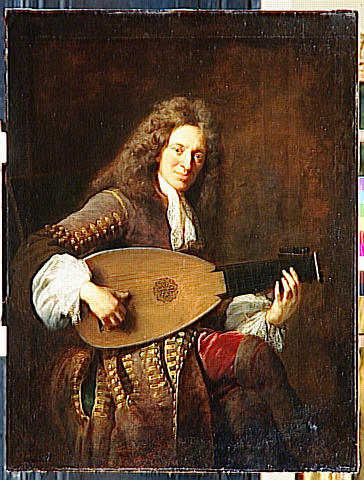
A Portrait of Dignified Composure: Jean François de Troy’s Charles Mouton
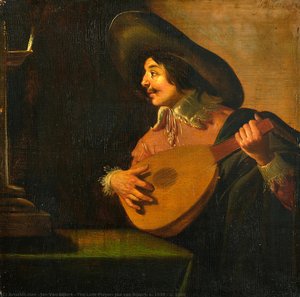
The canvas holds an image steeped in aristocratic elegance – Jean François de Troy's portrait of Charles Mouton, completed circa 1720. More than just a depiction of a man’s appearance, it embodies the spirit of the Rococo era, capturing not merely likeness but also an aura of refined composure that speaks volumes about its subject and the artistic sensibilities of its time. Examining this masterpiece reveals layers of meticulous craftsmanship interwoven with profound symbolic resonance.Composition and Technique: Mastering Light and Form
Troy’s masterful technique exemplifies the prevailing stylistic trends of his day. Employing oil paints on canvas, he achieved remarkable realism through a layered approach—thin glazes meticulously applied to build up subtle color transitions and create textures that convincingly mimic the qualities of fabric and skin. The artist skillfully utilized diffused lighting emanating from an unseen source on the left side of the frame, generating gentle chiaroscuro effects that sculpted form and accentuated depth. Notice how the light delicately illuminates Mouton’s face, highlighting his gaze—direct and confident—a hallmark of aristocratic portraiture intended to convey status and intellect. The positioning of Mouton slightly off-center contributes to visual balance while simultaneously drawing the viewer's eye into the core of the composition. Furthermore, the lute held by Mouton isn’t merely an accessory; it serves as a compositional element intersecting with his body, adding depth and complexity to the scene.Historical Context: The Reign of Louis XV and Artistic Patronage
Painted during the reign of Louis XV (1723-1774), this portrait reflects the opulent tastes and intellectual currents of the French court. Troy’s work flourished amidst a period characterized by lavish celebrations, elaborate décor, and an obsession with beauty—traits that found their fullest expression in the Rococo style. Royal patronage fueled artistic innovation, encouraging artists like Troy to explore new avenues for conveying emotion and capturing the essence of their subjects. Mouton himself was a prominent diplomat and nobleman, representing the pinnacle of aristocratic achievement – his inclusion within this portrait underscores the importance of social standing and intellectual prowess during Louis XV’s era.Symbolism: The Lute as Emblematic Instrument
The lute occupies a significant symbolic role within the painting. Traditionally associated with music and artistry, it signifies Mouton's cultivated intellect and refined sensibilities. Holding the instrument speaks to his engagement in pursuits beyond mere social obligation; it represents leisure, contemplation, and an appreciation for beauty—values highly esteemed by the aristocracy of the time. The lute’s placement diagonally across Mouton’s torso adds visual interest and reinforces its symbolic significance as a marker of cultural refinement.Emotional Impact: Capturing Dignified Serenity
Ultimately, Troy's Charles Mouton transcends mere representation; it succeeds in conveying an emotion—dignified serenity—that lingers long after viewing the artwork. The artist’s careful attention to detail—the subtle folds of Mouton’s clothing, the delicate rendering of his hair curls—creates a palpable sense of realism and intimacy. More importantly, the sitter's gaze communicates confidence and composure, reflecting the idealized vision of nobility prevalent during Louis XV’s reign. This portrait serves as a testament to Troy’s ability to capture not just what Mouton looked like but also the inner spirit of a man embodying the virtues prized by his social milieu—a timeless achievement in artistic expression.Related Artworks
Artist Biography
A Life Immersed in Aristocratic Splendor
Jean-François de Troy, born into a family steeped in artistic tradition in Toulouse, France, in 1645, emerged as a pivotal figure bridging the Baroque and Rococo periods. His father, Antoine de Troy, was a painter of some renown, providing young Jean-François with his initial grounding in the fundamentals of art. This early exposure, coupled with subsequent studies under Claude Lefèbvre and Nicolas-Pierre Loir in Paris, laid the foundation for a career that would see him become not only a celebrated portraitist but also a favored artist among European royalty. The influence of his father and masters instilled within him a meticulous technique and an appreciation for capturing both physical likeness and the nuances of character – skills he honed throughout his life. He married Jeanne Cotelle, sister-in-law to Loir, further solidifying his position within the Parisian art world.From Royal Commissions to Exiled Courts
De Troy’s early successes stemmed from a combination of talent and astute networking. He quickly gained favor with prominent figures like Madame de Montespan, Louis XIV's celebrated mistress, undertaking tapestry designs and paintings that showcased his burgeoning skill. His ability to portray both religious and mythological subjects with grace and precision established him as a versatile artist capable of tackling diverse themes. However, it was his mastery of portraiture – particularly the depiction of fashionable society – that truly propelled him to prominence. He became *the* painter of choice for the aristocracy, immortalizing their elegance and status on canvas. This period saw him create portraits of Louis Auguste, Duke of Maine, and his wife Louise Bénédicte de Bourbon, cementing his reputation as a chronicler of aristocratic life. A dramatic turn in his career arrived with the exile of King James II to Saint-Germain-en-Laye. De Troy was appointed principal painter to the exiled court, a position that not only provided financial security but also placed him at the heart of European political intrigue and artistic patronage.The ‘Tableaux de Mode’ and Artistic Innovation
While adept at traditional portraiture, Jean-François de Troy is perhaps best remembered for his innovative *tableaux de mode* – “pictures of fashion.” These weren't simply portraits; they were vibrant snapshots of contemporary life, capturing the leisure activities, social customs, and opulent surroundings of the French upper class. Works like ‘Hunt Breakfast’ (1737) and ‘Luncheon with Oysters’ (1735) are prime examples, depicting scenes of refined indulgence and leisurely pursuits. These paintings weren't merely decorative; they offered a glimpse into the values and aspirations of the aristocracy, becoming highly sought-after status symbols in themselves. This unique genre allowed de Troy to showcase his skill in rendering textures – silks, satins, porcelain, and silver gleam with remarkable realism – and his ability to create dynamic compositions filled with subtle narrative details. He wasn’t simply painting people; he was painting a lifestyle.Legacy and Enduring Influence
De Troy's influence extended beyond his own artistic output. As Director of the French Academy in Rome from 1738, he played a role in shaping the next generation of artists, though his tenure was marked by some controversy due to his personal indulgences. He trained numerous students, including his son, Jean-François de Troy (the younger), as well as André Bouys and John Closterman, passing on his technical expertise and artistic sensibilities. His work continued to be admired throughout the 18th century, influencing portraiture and genre painting across Europe. Though he faced some setbacks later in life – a recall from Rome due to personal conflicts – his contribution to French art remains significant. He died in Paris in 1730 at the age of eighty-five, leaving behind a legacy of elegant portraits, captivating *tableaux de mode*, and a lasting impact on the artistic landscape of his time. His paintings continue to be celebrated for their technical brilliance, insightful social commentary, and enduring beauty – testaments to a life dedicated to capturing the splendor of an era. His work offers a fascinating window into the world of the French aristocracy, revealing not only how they looked but also how they lived.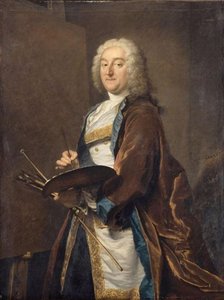
jean françois de troy
1645 - 1730 , France
Quick Facts
- Artistic Movement Or Style: Rococo, Baroque
- Artists Or Movements Influenced By This Artist:
- André Bouys
- John Closterman
- Artists Who Influenced This Artist:
- Claude Lefèbvre
- Nicolas-Pierre Loir
- Date Of Birth: January 9, 1645
- Date Of Death: 1730
- Full Name: Jean-François de Troy
- Nationality: French
- Notable Artworks:
- Richard Talbot, 1st Earl...
- Lady Mary Herbert as Diana
- Jules Hardouin-Mansart
- Elisabeth Jacquet de la...
- Portrait d'un couple en...
- Place Of Birth: Toulouse, France

