

 Preview
 Send
Send Share
Share
 Details

 Download
 Similars
 X-Ray
X-Ray Diaporama
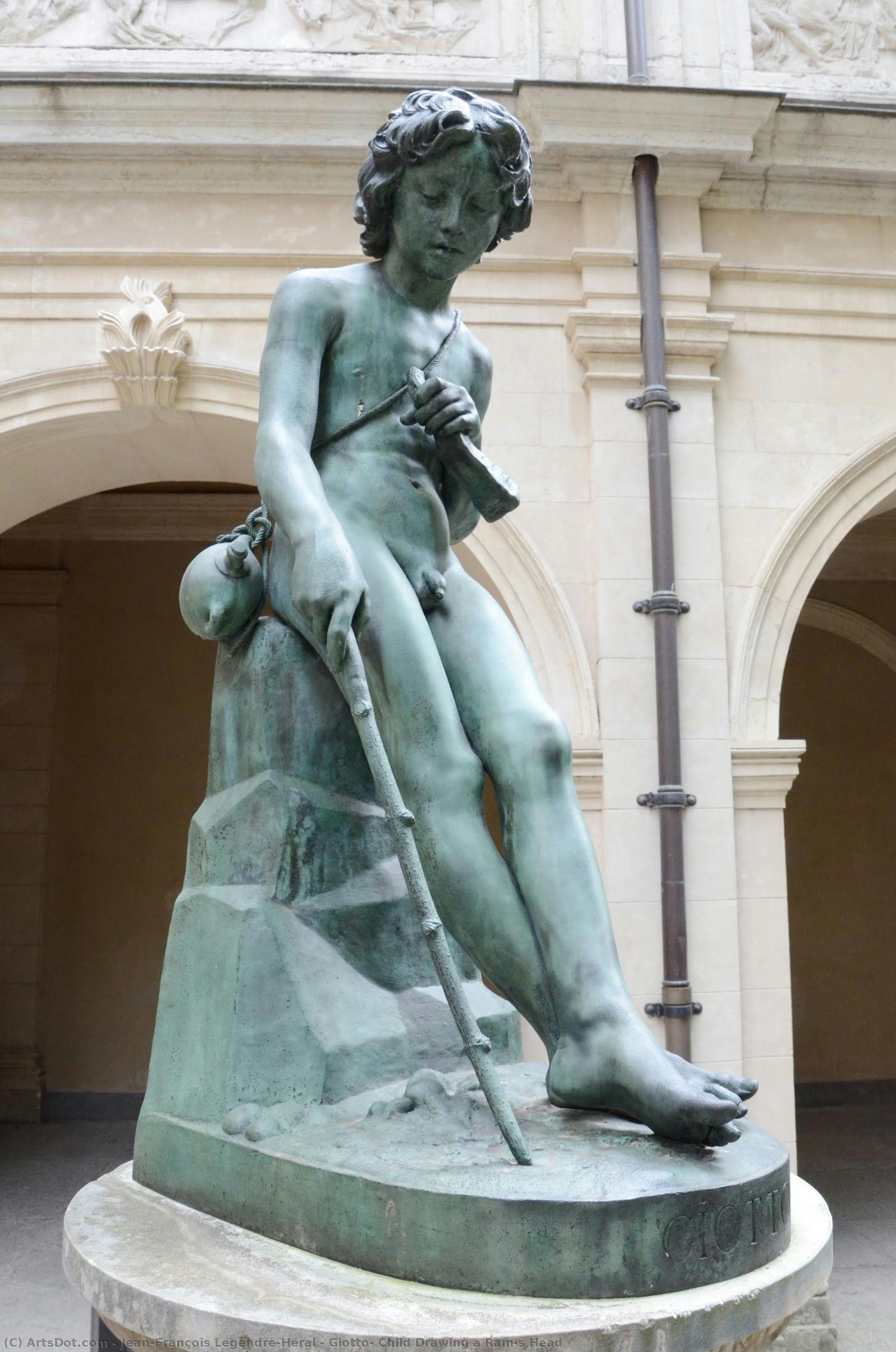
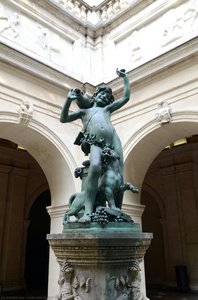
Giotto, Child Drawing a Ram’s Head


 Read More
Purchase a high-resolution, enhanced digital image, far superior to the online preview.
Each file is meticulously prepared by our in-house specialists using advanced tools and expert manual retouching. We ensure every image has exceptional clarity, precise color accuracy, and fine detail.
The final file is delivered via email within 72 hours, optimized for immediate use in professional, editorial, and print environments. This is the same quality trusted by top-tier design studios, publishers, and galleries.
Digital Image
Download a high-resolution file for personal display, printing, and creative projects. ( Buy Print Buy Hand Made Painting)
Included in Every Digital Image Order
Expert Digital Delivery, Guaranteed
When you choose ArtsDot.com, you're not just getting an image - you're receiving a professionally enhanced digital artwork, crafted with precision and backed by a satisfaction guarantee. Here's everything that comes with your order, automatically:

Fast Email Delivery
Your high-resolution digital image file will be emailed to you within 72 hours of ordering - ready for immediate use.

AI-Enhanced Digital File
Your artwork is professionally optimized using advanced AI tools and manual editing, ensuring maximum detail, clarity, and color accuracy.

Free Lifetime Re-Delivery
Accidentally deleted or lost your file? No worries - we'll resend it to you anytime, free of charge.

No Import Fees - Ever
Enjoy your artwork instantly with zero customs, duties, or delivery fees - digital downloads are always tax-free.

Color Accuracy Guarantee
We ensure your digital image reflects the original colors as closely as possible using professional tools and color management.

60-Day Satisfaction Guarantee
If you're not satisfied with your digital image, we'll revise it or refund 100% within 60 days - no questions asked.

100% Money-Back Guarantee
Not satisfied? Get a full refund within 60 days of receiving your digital file - no questions asked.

Bulk Order Discounts
Buy 3 images, save 10% - Buy 5, save 15% - Buy 10+, save 20%. Great for creative projects, galleries, and agencies.
Related Artworks





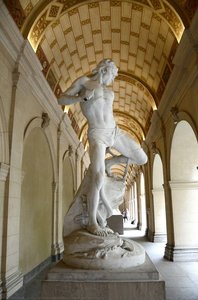
Artist Biography
The Sculptural Legacy of Jean-François Legendre-Héral
Born amidst the sun-drenched landscapes of Montpellier, France, on January 21, 1796, Jean-François Legendre-Héral emerged as a defining voice in nineteenth-century French classical sculpture. His journey into the world of fine arts was shaped by a profound personal transformation; following the passing of his father, a humble postal worker, his mother’s marriage to a musician opened doors to a life steeped in melody and aesthetic refinement. This early exposure to the arts provided the foundation for his formal training at the École Nationale des Beaux-Arts de Lyon, where he refined his craft under the tutelage of masters such as Joseph Chinard and Joseph Charles Marin. It was during this formative period that his identity became inextricably linked to his artistic ambition, as he adopted his stepfather's name to become Legendre-Héral, a gesture that mirrored his rising status in the French art world.
The trajectory of his career was profoundly altered in 1817 when a prestigious grant from the city of Montpellier allowed him to embark on a transformative study trip to Rome. This pilgrimage to the heart of classical antiquity served as both an education and a crucible for his reputation. While in Italy, Legendre-Heredal immersed himself in the grandeur of ancient forms, yet his time was not without controversy. He faced biting accusations from contemporary sculptor James Pradier, who suggested that his works were cast from life rather than sculpted directly. Such whispers, allegedly fueled by rivals like François Joseph Bosio, trailed him through the artistic circles of Lyon and Paris, adding a layer of dramatic intrigue to his professional narrative.
Mastery of Form and Public Commemoration
Despite the shadows of professional rivalry, Legendre-Héral’s talent was undeniable, leading to significant academic and civic achievements. In 1819, he ascended to a professorship at the École, where he shaped the next generation of sculptors, including Jean-Marie Bonnassieux and Hippolyte Flandrin. His work is characterized by a profound command over marble and bronze, blending the rigorous discipline of Neoclassicism with an emotive, allegorical depth. His ability to breathe life into stone is perhaps most evident in his monumental religious and historical commissions.
His repertoire includes several masterpieces that stand as testaments to his technical virtuosity:
- Christ and the Twelve Apostles: A breathtaking statuary ensemble originally designed for the altar at the Royal Monastery of Brou, showcasing his ability to handle complex group compositions.
- Henry IV: An imposing equestrian work created for the Hôtel de Ville in Lyon, demonstrating his skill in capturing royal majesty and movement.
- Giotto Enfant Dessinant sur le Sable: A delicate marble piece currently housed in the Musée de Montpellier, which reveals a more intimate, tender side of his sculptural language.
- Anne-Robert-Jacques Turgot: A dignified marble portrait that remains a highlight of the Museum of Fine Arts in Lyon.
A Life of Honor and Artistic Transition
The later years of Legendre-Héral’s life were marked by both official recognition and a restless search for new horizons. In 1837, his contributions to French culture were formally honored when he was named a Chevalier in the prestigious Legion d'Honneur. This period of triumph coincided with a significant shift in his geographic and professional focus. In 1825, he had traveled to Paris as part of a deputation from Hérault to oversee the implementation of an equestrian statue of Louis XIV for Montpellier, an endeavor that signaled his growing influence on the national stage.
By 1838, seeking to escape the constraints of his teaching duties and perhaps to find fresh inspiration away from the lingering rumors of his youth, he resigned from his position in Lyon and relocated to Paris. This move represented a final chapter of transition, as he sought to establish himself within the epicenter of the European art world. Though his life ended in 1851, the enduring presence of his works in the great museums of France ensures that the name Jean-François Legendre-Héral remains synonymous with the elegance, strength, and classical spirit of the nineteenth century.
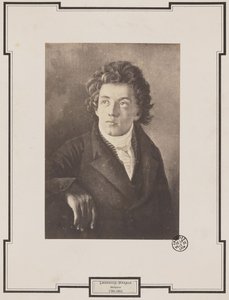
jean-françois legendre-héral
1796 - 1851 , France
Quick Facts
- Artistic Movement Or Style: Classical Sculpture
- Artists Who Influenced This Artist:
- Joseph Chinard
- Joseph Charles Marin
- Date Of Birth: January 21, 1796
- Date Of Death: 1851
- Full Name: Jean-François Legendre-Héral
- Nationality: French
- Notable Artworks:
- Christ and the Twelve Apostles
- Henry IV
- The Four Evangelists
- Giotto enfant dessinant sur le sable
- Anne-Robert-Jacques Turgot
- Place Of Birth: Montpellier, France

