 Preview
 Send
Send Share
Share
 Details

 Download
 Similars
 X-Ray
X-Ray Diaporama
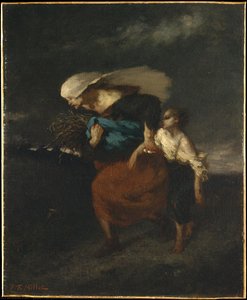
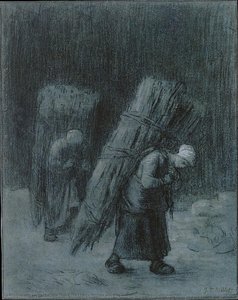
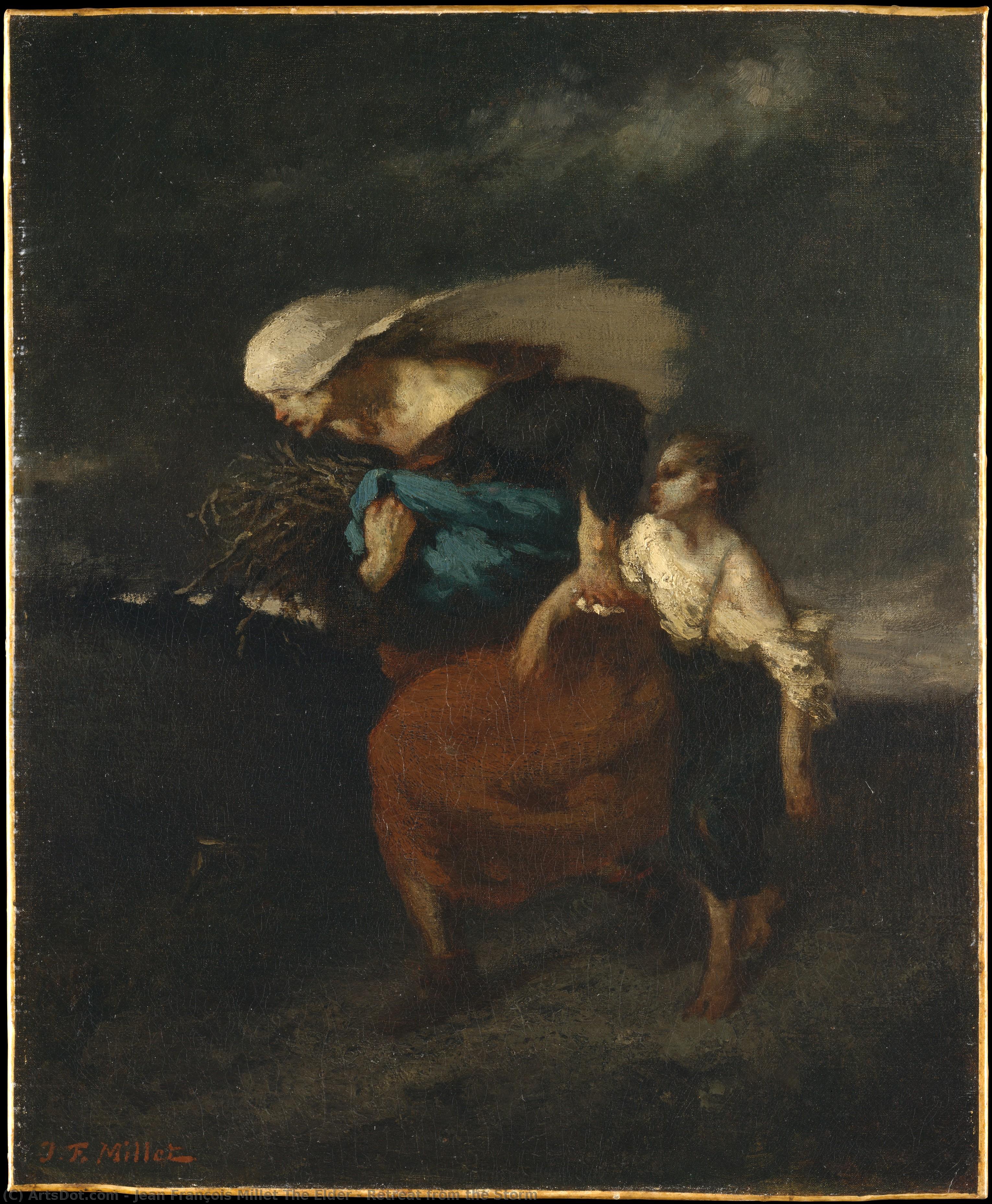
Retreat from the Storm
 Oil
Oil- WallArt
- Realism
 1846
1846- 19th Century
 46.0 x 38.0 cm
 Metropolitan Museum of Art
 Read More
Hand Made Oil Reproduction
Hand-painted oil on canvas in your size and frame, made to order by our artists. ( Buy Print Buy Image)




P118B $10

P118H $10

P118W $10

P438Z $10

P508JH $12

P508YH $12

P805H $10

P805Z $10

P919BZ $10

P919G $10

P919XJ $10

P959ZH $10

P968JZ $12

W106C $8

W218G $10

W218JH $8

W218Y $10

W307PJ $10

W316G $10

W316PJ $8

W316Y $10

W398PJ $8

W4111J $10

W500HY $15

W500JH $15

W692G $12

W849H $8

W940BG $15

W953PJ $8




Pick from our preset sizes that match the artwork's original proportions.

You may enter your own dimensions to fit a specific frame or space. If your selected size does not match the original image's proportions, we will either crop the artwork or extend the painting with additional hand-painted elements. A digital mockup will be sent for your approval before production begins.
Please note that the on-screen preview does not reflect the actual cropping or extension. Only the mockup will accurately show the final composition.
While custom sizes are available, we recommend selecting a dimension from the predefined list to preserve the original proportions.
After order, ArtsDot.com team will email client for instructions and provide a mockup preview
Worldwide Delivery () in 3/4 weeks instead of standard 5 weeks. (16 August). No compromise on quality.

Free Worldwide Express Shipping

High-Quality Linen Canvas

Full Shipping Insurance

Customs Tax Refund Guarantee

True Color Matching Guarantee

60-Day Return Policy (Defects Only)

100% Money-Back Guarantee

Bulk Discount Offer
 Glass option is only available in size under 110 CM

Retreat from the Storm
Reproduction Medium
Reproduction Size
-


Total Price
$ 288
Artwork Description
A Poignant Encounter with Rural Hardship
In the somber depths of Jean-François Millet’s 1846 masterpiece, Retreat from the Storm, we are invited into a moment of profound vulnerability and quiet resilience. The painting captures a woman and her young child navigating a landscape heavy with the weight of an approaching tempest. As they move across the terrain, the woman carries a bundle of gathered sticks upon her back—a meager harvest that represents their very survival. This is not merely a depiction of a passing weather event; it is a visceral window into the precarious existence of the 19th-century French peasantry. During the late 1840s, France faced a period of intense social and economic upheaval, with rising homelessness and poverty setting the stage for revolution. Millet, ever the chronicler of the working class, captures this historical tension through the lens of a single, intimate struggle against the elements.
The emotional gravity of the work is amplified by its masterful use of light and shadow. The composition is dominated by a vast, turbulent sky that seems to press down upon the figures, creating an atmosphere of inescapable gloom. Millet employs a dramatic, directional lighting technique reminiscent of the Romantic tradition, casting deep shadows that emphasize the physical burden borne by the mother and the fragility of the child. This interplay of light and dark does more than create depth; it heightens the sense of isolation and the looming threat of the storm, drawing the viewer into a state of empathetic reflection.
Symbolism and the Texture of Survival
Beyond its surface realism, Retreat from the Storm is rich with symbolic resonance that elevates it from a genre painting to a work of profound allegory. The bundle of sticks, while a literal necessity for warmth and cooking, carries a weight that feels almost spiritual, perhaps echoing the imagery of a cross or the heavy burdens of human suffering. The child, nestled close to the mother, serves as a poignant symbol of innocence and total dependence, standing in stark contrast to the harsh, unforgiving environment. Through these elements, Millet touches upon universal themes of sacrifice, endurance, and the cyclical nature of hardship.
Technically, the painting is a triumph of texture and organic form. The artist utilizes loose, impasto-like brushstrokes that lend a tactile quality to the canvas, making the mud, the wood, and the heavy fabric of the clothing feel palpably real. This textured approach contributes to the overall sense of unrest and melancholy, as if the very surface of the painting is reacting to the atmospheric pressure of the storm. The palette is intentionally muted, relying on earthy tones and deep, desaturated hues to reinforce the somber mood, ensuring that nothing distracts from the raw emotional truth of the subject matter.
An Evocative Addition to any Collection
For the discerning collector or interior designer, a high-quality reproduction of this work offers more than just aesthetic beauty; it provides a focal point of deep narrative and historical significance. The painting’s dark, moody tones and dramatic composition make it an extraordinary piece for creating a sense of gravitas and contemplative stillness within a room. Whether placed in a study, a gallery, or a sophisticated living space, Retreat from the Storm commands attention through its quiet intensity.
Owning a reproduction of Millet’s work allows one to preserve the legacy of the Barbizon School—a movement that redefined the dignity of the human spirit in the face of adversity. This artwork serves as a timeless reminder of the strength found in endurance, making it an inspiring choice for those who seek art that speaks to the soul and tells a story far beyond the frame.
Related Artworks
Artist Biography
Jean-François Millet: The Poet of the Peasants
Jean-François Millet, a name synonymous with the Barbizon School and profoundly evocative depictions of rural life in 19th-century France, was more than just an artist; he was a chronicler of the dignity and hardship of the working class. Born in Gruchy, a small village in Normandy, on October 4, 1814, Millet’s early life was inextricably linked to the rhythms of agricultural labor. His father, a farmer, instilled in him a deep respect for the land and its people – experiences that would profoundly shape his artistic vision. Unlike many artists of his era who sought fame through grand historical or mythological subjects, Millet deliberately chose to portray the lives of peasants, a decision that initially met with skepticism but ultimately cemented his legacy as one of France’s most important realist painters.Early Life and Artistic Training
Millet's childhood was far from idyllic. He spent his youth working on the family farm, developing an intimate understanding of rural existence – the backbreaking labor, the cyclical seasons, and the quiet resilience of those who toiled within them. This direct engagement with peasant life would later become a defining characteristic of his art. Seeking formal artistic training, Millet moved to Cherbourg in 1837 and enrolled at the École des Beaux-Arts in Paris. He studied under Paul Delaroche, a prominent academic painter known for his historical works, but Millet’s own inclinations leaned towards a more direct observation of reality. Initially, he attempted to navigate the conventions of the Salon system, producing portraits that, while technically proficient, lacked the emotional depth and social commentary that would later become central to his work. However, rejection from the 1840 Salon marked a turning point, prompting him to return to Normandy and begin his journey towards a truly independent artistic voice.The Barbizon School and a New Vision
Millet’s return to Normandy proved transformative. He embraced the principles of the Barbizon School, a movement that championed painting *en plein air* (outdoors) and sought to capture the essence of nature with unprecedented accuracy. Rejecting the polished surfaces and idealized compositions favored by the established Salon artists, Millet and his fellow Barbizon painters – including Théodore Rousseau and Jean-Baptiste Camille Corot – focused on depicting landscapes and peasant life as they truly were: weathered, honest, and imbued with a quiet dignity. This shift was not merely stylistic; it represented a fundamental change in artistic priorities—a move away from grand narratives towards the intimate portrayal of everyday experience. Millet’s work began to resonate deeply with a growing public interest in social justice and the plight of the working class.Iconic Works: ‘The Gleaners,’ ‘Angelus,’ and Beyond
Millet's most celebrated paintings—‘The Gleaners’ (1857) and ‘The Angelus’ (1869)—are testaments to his artistic skill and profound empathy. ‘The Gleaners,’ depicting three women gathering the remnants of a harvested field, is arguably his most famous work. It's not simply a depiction of rural labor; it’s a poignant meditation on poverty, resilience, and the dignity of those who toil in obscurity. The figures are rendered with remarkable detail and emotional honesty, their faces etched with hardship yet radiating an undeniable strength. ‘The Angelus,’ showing a peasant couple praying at the graveside of their child, is equally powerful. It captures a moment of profound grief and spiritual solace, highlighting the deeply rooted faith of the rural population. Beyond these iconic works, Millet produced numerous other paintings that explored similar themes—farmers harvesting wheat, women drawing water from the well, children playing in the fields—each imbued with a quiet intensity and a deep respect for his subjects.Legacy and Influence
Jean-François Millet’s impact on art history is undeniable. He played a crucial role in shaping the Barbizon School and influencing generations of artists. His commitment to realism, his focus on social issues, and his ability to capture the emotional depth of ordinary people paved the way for Impressionism and later movements that sought to depict the realities of modern life. Artists like Claude Monet, Vincent van Gogh, and Georges Seurat were deeply inspired by Millet’s work, recognizing in it a profound connection between art and social consciousness. Millet died in Barbizon on January 20, 1875, leaving behind a body of work that continues to resonate with viewers today—a testament to the enduring power of an artist who dared to look beyond the grand narratives of history and find beauty and meaning in the lives of the humble. His paintings remain powerful reminders of the dignity of labor and the importance of empathy and social awareness.
jean françois millet the elder
1642 - 1679
Quick Facts
- Artistic Movement Or Style: Barbizon School
- Artists Or Movements Influenced By This Artist:
- Salvador Dalí
- Claude Monet
- Artists Who Influenced This Artist:
- Poussin
- Dughet
- Date Of Birth: 1642
- Date Of Death: 1679
- Full Name: Jean-François Millet the elder
- Nationality: Flemish
- Notable Artworks:
- Mountain Landscape with Lightning
- The Winnower
- Place Of Birth: Antwerp, Belgium
Related Articles
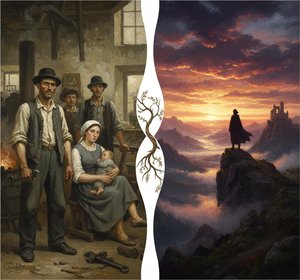
Romantic Realism's Finest: 10 Masterpieces for Your Home | ArtsDot
Explore 10 defining masterpieces of Romantic Realism! Discover Courbet, Millet & Daumier's powerful paintings—capturing emotion and social realities. Find museum-quality reproductions for your home at ArtsDot.com.
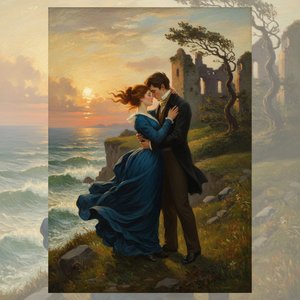
The Evocative Embrace of Reality: Exploring Romantic Realism in 19th-Century Painting
Explore the captivating world of Romantic Realism! Discover key artists like Courbet & Millet, masterpieces, and the social context behind this influential art movement. Expert insights for collectors at ArtsDot.
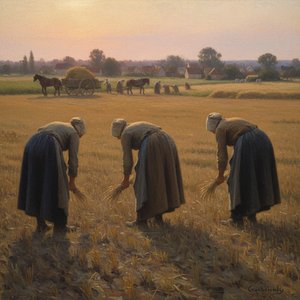
Jean-François Millet: Realism, Rural Life & the Poetic Depiction of Labor
Explore the life & work of Jean-François Millet, a founder of Realism. Discover his poignant depictions of rural France, iconic paintings like 'The Angelus,' and lasting influence on art history. Learn more at ArtsDot.
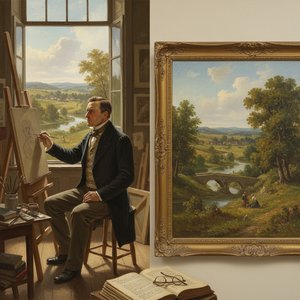
The Poetic Truth of Observation: Exploring 19th-Century Realism in Painting
Explore the captivating world of 19th-century Realism! Discover key artists like Courbet & Millet, masterpieces, and the powerful social commentary behind this influential art movement. Expert insights at ArtsDot.
Émile Jean Horace Vernet: Romantic Realism & Depicting 19th-Century Life
Explore the life & art of Émile Jean Horace Vernet, a master of Romantic Realism. Discover his captivating battle scenes, portraits, and Orientalist works – a window into 19th-century France. Learn about his techniques & enduring legacy.