 Preview
 Send
Send Share
Share
 Details

 Download
 Similars
 X-Ray
X-Ray Diaporama
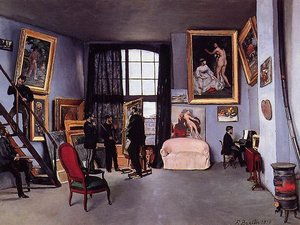
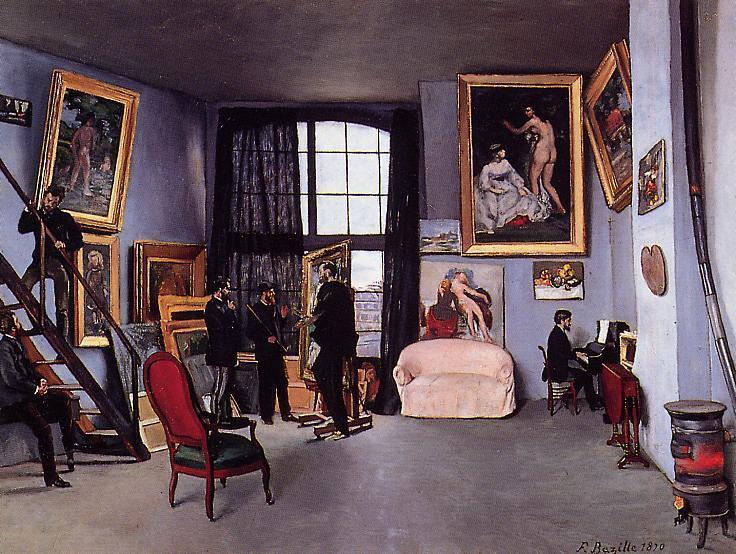
The Studio on the Rue La Condamine


 Read More
Hand Made Oil Reproduction
Hand-painted oil on canvas in your size and frame, made to order by our artists. ( Buy Print Buy Image)




P118B $10

P118H $10

P118W $10

P438Z $10

P508JH $12

P508YH $12

P805H $10

P805Z $10

P919BZ $10

P919G $10

P919XJ $10

P959ZH $10

P968JZ $12

W106C $8

W218G $10

W218JH $8

W218Y $10

W307PJ $10

W316G $10

W316PJ $8

W316Y $10

W398PJ $8

W4111J $10

W500HY $15

W500JH $15

W692G $12

W849H $8

W940BG $15

W953PJ $8




Pick from our preset sizes that match the artwork's original proportions.

You may enter your own dimensions to fit a specific frame or space. If your selected size does not match the original image's proportions, we will either crop the artwork or extend the painting with additional hand-painted elements. A digital mockup will be sent for your approval before production begins.
Please note that the on-screen preview does not reflect the actual cropping or extension. Only the mockup will accurately show the final composition.
While custom sizes are available, we recommend selecting a dimension from the predefined list to preserve the original proportions.
After order, ArtsDot.com team will email client for instructions and provide a mockup preview
Worldwide Delivery () in 3/4 weeks instead of standard 5 weeks. (16 August). No compromise on quality.

Free Worldwide Express Shipping

High-Quality Linen Canvas

Full Shipping Insurance

Customs Tax Refund Guarantee

True Color Matching Guarantee

60-Day Return Policy (Defects Only)

100% Money-Back Guarantee

Bulk Discount Offer
 Glass option is only available in size under 110 CM

The Studio on the Rue La Condamine
Reproduction Medium
Reproduction Size
-


Total Price
$ 263
Artwork Description
The Studio on the Rue La Condamine: A Window into Impressionist Camaraderie
Jean Frédéric Bazille’s “The Studio on the Rue La Condamine” isn't merely a snapshot of a Parisian artist’s workspace; it’s a vibrant tableau brimming with intellectual energy, artistic ambition, and the quiet intimacy of shared passion. Painted in 1870, just months before the artist’s tragically premature death during the Franco-Prussian War, this work offers an unparalleled glimpse into the heart of the burgeoning Impressionist movement – a world where creativity flourished amidst the bustle of urban life.
The scene unfolds within a modest studio on the Rue La Condamine in Paris, a location that held particular significance for Bazille and his circle. The painting captures a moment of relaxed activity, far removed from the formal settings of academic art institutions. Bazille himself, positioned centrally with a palette and brush, embodies the dedication to craft and the pursuit of capturing fleeting moments of light and color so central to the Impressionist aesthetic. His simple attire – a practical tunic – underscores his commitment to the work itself, rather than outward display. Around him, fellow artists engage in various pursuits: sketching, painting, playing the piano, and discussing ideas. The inclusion of models suggests the collaborative nature of their artistic endeavors, highlighting the importance of observation and direct experience in their approach.
A Palette of Light and Emotion
Bazille’s masterful use of color is immediately striking. He employs a warm, harmonious palette dominated by blues and greens – reminiscent of the Parisian sky reflected in the Seine – creating an atmosphere that feels both serene and invigorating. The lighting, streaming in from the windows on the right, casts soft shadows, adding depth and dimensionality to the scene. This careful manipulation of light is characteristic of Impressionism, emphasizing the ephemeral qualities of perception and the artist’s subjective experience of reality. Notice how the colors subtly shift depending on the angle of the light, creating a dynamic and ever-changing visual effect.
Beyond the technical brilliance, the painting resonates with emotional depth. The relaxed postures, shared laughter, and animated conversations suggest a genuine sense of camaraderie among these artists – a community bound by their mutual love for art and their desire to break free from traditional artistic conventions. The inclusion of the piano adds a layer of cultural richness, hinting at the intellectual and social life that surrounded them.
Symbolism and Context
“The Studio on the Rue La Condamine” is more than just a depiction of a studio; it’s a symbolic representation of the artistic spirit of the time. The walls adorned with various paintings and drawings reflect the artists' diverse influences and their engagement with the wider art world. Bazille’s own works, displayed alongside those of his colleagues, underscore his role as both a participant and an advocate for this new movement. The presence of rejected Salon pieces – notably Bazille’s “Landscape with Two Figures” – speaks to the challenges faced by artists seeking recognition outside the established academic system.
The painting was created during a period of immense social and political upheaval, as France prepared for war with Prussia. Bazille's untimely death on the battlefield tragically cut short his promising career, but “The Studio” serves as a poignant reminder of his artistic vision and his dedication to capturing the beauty and vitality of everyday life. It’s a testament to the power of art to transcend personal tragedy and offer a glimpse into a world brimming with creativity and connection.
Bringing Bazille's Vision Home
ArtsDot offers meticulously crafted, hand-painted reproductions of “The Studio on the Rue La Condamine,” allowing you to bring this iconic Impressionist masterpiece into your own space. Our skilled artists faithfully recreate Bazille’s masterful use of color, light, and composition, ensuring that every detail captures the essence of the original painting. Whether for a gallery wall, a study, or simply as a cherished piece of art décor, our reproductions provide an authentic and captivating representation of this remarkable work.
Explore our collection today and discover the beauty and emotional resonance of “The Studio on the Rue La Condamine” – a timeless celebration of artistic camaraderie and the pursuit of light and color.
Related Artworks
Artist Biography
The Brief Radiance of Jean Frédéric Bazille
Jean Frédéric Bazille’s story is one of immense promise tragically cut short, a fleeting yet significant contribution to the burgeoning Impressionist movement. Born in Montpellier, France, on December 6, 1841, into a prosperous Protestant family involved in wine production, Bazille initially seemed destined for a life far removed from the world of art. His parents, while supportive, insisted he pursue medical studies alongside his artistic inclinations – a compromise reflecting the societal expectations of the time and their desire for his financial security. This duality would shape his early years, dividing his attention between anatomical dissection and the captivating allure of color and light. However, it was within the vibrant atmosphere of Paris, where he relocated in 1862 to continue his medical training, that Bazille’s artistic path truly began to unfold.
Forging a Path Amongst Giants
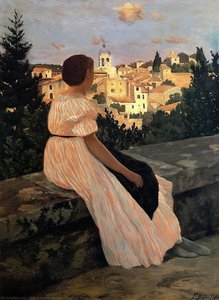
Paris proved to be a crucible for young Bazille. He quickly fell in with a circle of artists who would become synonymous with Impressionism: Claude Monet, Pierre-Auguste Renoir, and Alfred Sisley. Studying under Charles Gleyre provided him with formal training, but it was the shared passion and radical ideas exchanged amongst these friends that truly ignited his artistic vision. Bazille’s financial stability – a fortunate contrast to the often precarious existence of his companions – allowed him to generously support them, offering studio space and materials. This generosity wasn't merely practical; it stemmed from a deep camaraderie and belief in their collective potential. He became a vital hub for this emerging group, fostering an environment of experimentation and mutual encouragement. His early works, like The Pink Dress (c. 1864), already demonstrate a keen eye for capturing fleeting moments and the effects of light – hallmarks that would define Impressionism. He wasn’t simply mimicking established styles; he was actively participating in the creation of something entirely new.
A Style Defined by Light and Friendship
Bazille's artistic style, though developing rapidly, possessed a unique character within the broader Impressionist aesthetic. While sharing their fascination with *plein air* painting – working outdoors to directly capture the nuances of natural light – his compositions often exhibited a more structured quality than Monet’s or Renoir’s. He frequently combined figure painting with landscape, placing his subjects thoughtfully within their environment, as seen in masterpieces like Family Reunion (1867-1868). This work is not merely a depiction of familial gathering; it's an exploration of light filtering through the trees, animating the scene and imbuing it with a sense of warmth and intimacy. His paintings weren’t just about *what* he saw, but *how* he saw it – the emotional resonance evoked by color, form, and light. He was deeply influenced by Eugène Delacroix, whose vibrant use of color resonated with his own artistic sensibilities, yet he moved beyond academic conventions to embrace a more modern sensibility.
A Life Interrupted: Legacy and Remembrance
The blossoming career of Jean Frédéric Bazille was brutally interrupted by the Franco-Prussian War in 1870. Driven by a sense of patriotic duty, he joined a Zouave regiment just months after the conflict erupted. Tragically, he was killed in action on November 28, 1870, at the young age of 28, near Beaune-la-Rolande. His death sent shockwaves through the artistic community, robbing them of a talented friend and generous benefactor. His premature demise meant his work remained relatively unknown for many years. However, in recent decades, Bazille’s contributions have been increasingly recognized and celebrated. Today, his paintings are held in prestigious museums like the Musée d'Orsay in Paris, and reproductions allow art lovers worldwide to experience the beauty and innovation of his vision. Bazille’s legacy extends beyond his artistic output; he embodies the spirit of youthful idealism, unwavering dedication, and the power of friendship that defined the early days of Impressionism. He remains a poignant reminder of the potential lost, yet also a testament to the enduring impact of a brief but brilliant career.
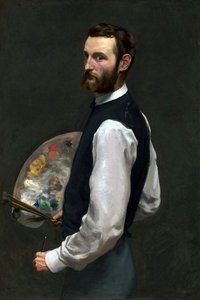
Frédéric Bazille
1841 - 1870 , France
Quick Facts
- Artistic Movement Or Style: Impressionism
- Artists Or Movements Influenced By This Artist: ['Impressionism']
- Artists Who Influenced This Artist: ['Eugène Delacroix']
- Date Of Birth: December 6, 1841
- Date Of Death: November 28, 1870
- Full Name: Jean Frédéric Bazille
- Nationality: French
- Notable Artworks:
- The Pink Dress
- Family Reunion
- Studio in Rue de Furstenberg
- Bathers (Summer Scene)
- Place Of Birth: Montpellier, France
Related Articles
Impressionism's Masterpieces: 10 Paintings That Defined a Movement | ArtsDot
Journey through Impressionism's heart with 10 iconic paintings by Monet, Renoir & Degas. Explore light, color & the stories behind these masterpieces. Find museum-quality art reproductions and elevate your home decor on ArtsDot.com.
Fleeting Moments & Radiant Light: Exploring the Enduring Legacy of Impressionism
Explore the captivating world of Impressionism! Discover its history, key artists like Monet & Renoir, defining techniques, and lasting impact on modern art. Expert insights for collectors.
Impressionism's Legacy: 10 Masterpieces That Transformed Art & Decor
Journey through Impressionism's radiant world! Explore 10 masterpieces by Monet, Renoir & Degas that revolutionized art. Discover the stories behind these iconic paintings and find museum-quality reproductions for your home at .

Cézanne's Masterpieces: 25 Iconic Artworks to Transform Your Space
Journey through 25 iconic artworks by Paul Cézanne – a master of Impressionism and Post-Impressionism. Explore his landscapes, still lifes, and the stories behind these timeless masterpieces. Discover museum-quality reproductions & curated decor at ArtsDot.com.
Beyond Light & Color: Impressionism vs. Post-Impressionism for the Discerning Collector
Explore the nuances of Impressionism & Post-Impressionism with . Expert insights for collectors on style, investment, and acquiring museum-quality reproductions.