 Send
Send Share
Share
 Details

 Download
 Similars
 Diaporama
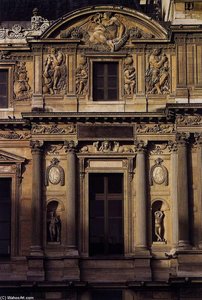
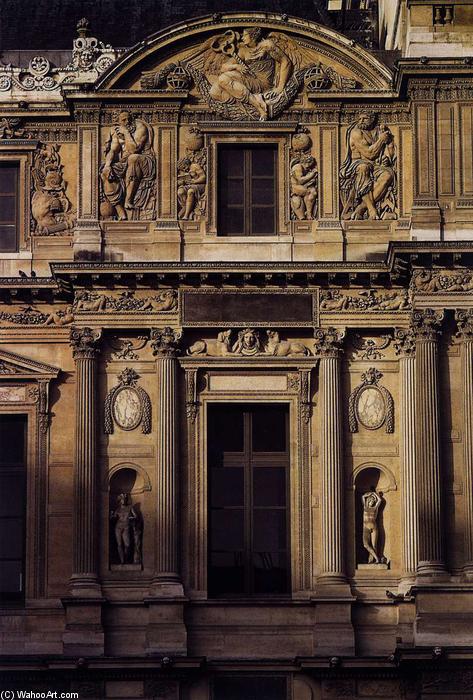
Façade of the Louvre (detail)


 Read More
Giclée / Art Print
Museum-quality giclée or canvas print with fast production and flexible finish options. ( Buy Hand Made Painting Buy Image)




































Pick from our preset sizes that match the artwork's original proportions.

You may enter your own dimensions to fit a specific frame or space. If your selected size does not match the original image's proportions, we will either crop the artwork or extend the image with a mirrored or solid-fill edge. A digital mockup will be sent for your approval before production begins.
Please note that the on-screen preview does not reflect the actual cropping or extension. Only the mockup will accurately show the final composition.
While custom sizes are available, we recommend selecting a dimension from the predefined list to preserve the original proportions.
Worldwide Delivery () in 2 weeks instead of standard 4/5 weeks. (27 August)

Free Worldwide Express Shipping

High-Quality Linen Canvas

Full Shipping Insurance

Customs Tax Refund Guarantee

True Color Matching Guarantee

60-Day Return Policy (Defects Only)

100% Money-Back Guarantee

Bulk Discount Offer
 Glass option is only available in size under 110 CM

Façade of the Louvre (detail)
Giclée / Art Print
Reproduction Size
-


Total Price
$ 63
A Symphony in Stone: The Renaissance Soul of the Louvre
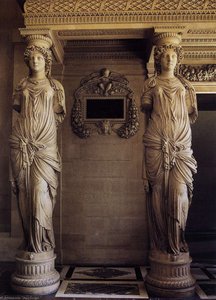
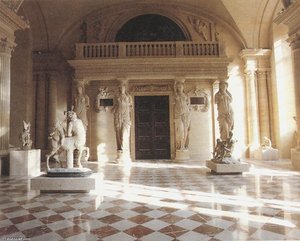
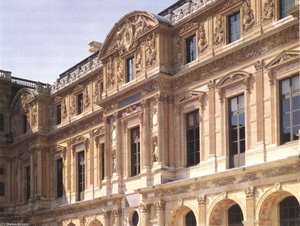
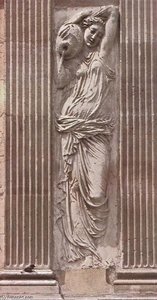
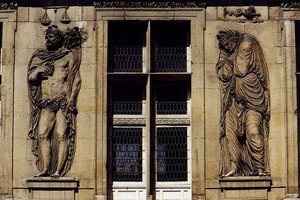
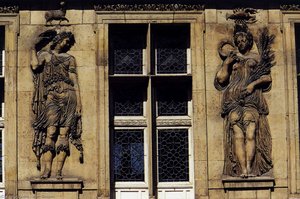
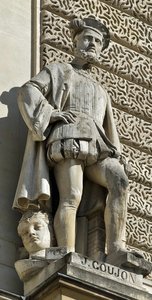
To gaze upon the Façade of the Louvre is to witness a moment where history and artistry converged to redefine the very essence of Parisian elegance. Sculpted by the master Jean Goujon around 1550, this intricate detail of the palace serves as a breathtaking testament to the French Renaissance. It is not merely an architectural fragment; it is a profound dialogue between the weight of stone and the lightness of human imagination. During the reign of François I, as the medieval fortress was being transformed into a royal seat of power, Goujon infused the structure with Mannerist refinement and classical grace, creating a surface that breathes with the vitality of a living organism.
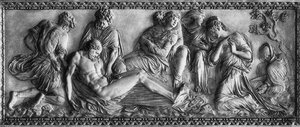
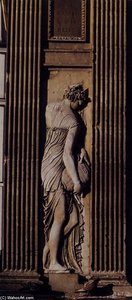
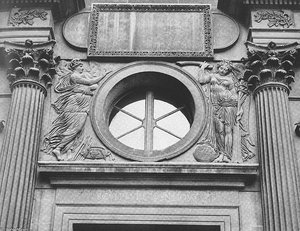
The artistry within this detail reveals a deep-seated reverence for the classical world. Having been shaped by his formative travels through Italy, Goujon brought back more than just techniques; he brought an obsession with the idealized human form and the rhythmic beauty of Roman antiquity. In these carvings, one finds a meticulous attention to anatomical precision, where the musculature of allegorical figures feels as though it might move beneath the stone. The sculptor’s command over texture is nothing short of miraculous, manipulating cold, hard limestone to mimic the soft flow of heavy drapery and the delicate curves of floral motifs, creating a sensory experience that invites the viewer to reach out and touch the history etched into its surface.
Symbolism and the Architecture of Power
Beyond its aesthetic splendor, the façade serves as a powerful emblem of humanist ideals and royal authority. The transition from a defensive medieval stronghold to an open, ornamental palace represented a decisive break from the feudal past. Through Goujon’s lens, the architecture became a stage for symbolism; the intricate carvings of mythological beings and virtues were not merely decorative but were intended to communicate the stability, wisdom, and divine right of the French monarchy. The interplay of light and shadow across the deep reliefs creates a spatial illusion, lending a sense of monumental depth that makes the stone appear to pulse with a quiet, dignified solemnity.
For the discerning collector or interior designer, a high-quality reproduction of this masterpiece offers more than just visual interest; it brings an atmosphere of timeless sophistication into a contemporary space. The muted, earthy palette of the original stone provides a neutral yet profound foundation that complements both classical and modern decor. Incorporating such a piece allows one to anchor a room with the weight of history, evoking the grandeur of the Louvre itself. It is an invitation to surround oneself with the enduring legacy of Jean Goujon—a master who successfully captured the fleeting beauty of life within the eternal permanence of stone.
Related Artworks

Artist Biography
The Sculptor Who Shaped Parisian Elegance
Jean Goujon (c. 1510 – c. 1567) stands as a cornerstone of French Renaissance sculpture and architecture, embodying the stylistic fervor of Mannerism while simultaneously grounding itself in classical ideals. Born in Normandy, his early life remains shrouded in obscurity, yet his prolific output quickly established him as one of the era’s foremost artistic voices—a testament to his prodigious talent and unwavering dedication to craft. Goujon's journey began with formative experiences in Italy, where he absorbed the grandeur of Roman sculpture and integrated its principles into his own distinctive style. This influence is palpable throughout his oeuvre, particularly evident in his masterful handling of drapery and anatomical precision.
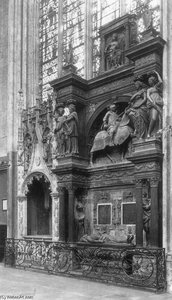
His artistic ascent commenced in Rouen Cathedral (1541-42), where he undertook the monumental task of sculpting the tomb monument to Louis de Brézé, seigneur d'Anet—a commission that showcased his burgeoning skill and ambition. This ambitious project cemented his reputation as a rising star within the French sculptural landscape. Simultaneously, he honed his architectural prowess at Saint-Maclou Church, demonstrating an innate ability to blend artistic vision with structural engineering. The resulting edifice stands as a magnificent example of Renaissance ecclesiastical architecture, reflecting Gouseb's commitment to both aesthetic beauty and functional integrity.
A Partnership of Visionary Grandeur
Moving to Paris in 1544, Goujon entered into a pivotal partnership with Pierre Lescot, the architect overseeing the ambitious reconstruction of Saint-Germain-l'Auxerrois cathedral. Together, they conceived and executed breathtaking sculptural decorations—most notably the pulpit—a masterpiece that exemplifies Lescot’s neoclassical sensibilities and Goujon’s masterful drapery technique. This era of collaboration defined the visual language of the French Renaissance, as Goujon began to infuse stone with a sense of fluid movement and ethereal grace.
The height of his influence is perhaps most visible in his contributions to the Louvre. His work on the Façade of the Cour Carrée (wing Lescot) remains an iconic achievement, showcasing classical elegance through intricate carvings that reflect French artistic brilliance. In these works, one can observe the delicate interplay of light and shadow across sculpted figures, a hallmark of his ability to breathe life into cold marble. His mastery extended to the Façade of the Louvre (detail), where his exquisite attention to detail created a masterpiece of Mannerist style, blending classical elegance with intricate carvings that continue to captivate viewers centuries later.
Legacy of Grace and Classical Form
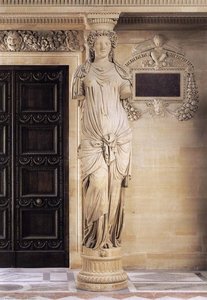
Goujon's legacy is defined by an unparalleled ability to harmonize the tension of Mannerism with the serenity of Classicism. His sculptures often feature nymphs and allegorical figures that seem to float within their architectural settings, a technique most famously realized in his Caryatides. These ten masterful figures represent the pinnacle of 16th-century French Renaissance sculpture, bringing a sense of classical grandeur and sophisticated elegance to the viewer. Through these works, Goujon did more than decorate buildings; he sculpted the very identity of French aesthetic refinement.
The historical significance of his work cannot be overstated, as his approach to anatomy and drapery influenced generations of European artists. His ability to transform heavy stone into flowing, rhythmic forms established a standard for French Classicism that would endure long after his death. Today, the remnants of his genius—from the intricate details of the Louvre's wings to his profound influence on architectural ornamentation—serve as a lasting testament to a man who truly shaped the elegance of Paris.
Jean Goujon
1510 - 1567 , France
Quick Facts
- Artistic Movement Or Style: Mannerism
- Artists Or Movements Influenced By This Artist: ['French Classicism']
- Artists Who Influenced This Artist: ['Michelangelo']
- Date Of Birth: c. 1510 Normandy France
- Date Of Death: c. 1567
- Full Name: Jean Goujon
- Nationality: French
- Notable Artworks:
- Nymphs (detail)
- Pietà
- War and Peace
- Fontaine des Innocents
- Louvre Sculptures
- Place Of Birth: Normandy France
Related Articles

Bronze Sculptures That Defined Art History | ArtsDot
Journey through art history with our Top 10 bronze sculptures! Explore masterpieces by Rodin, Michelangelo & more. Discover stories behind iconic statues and find museum-quality reproductions for your home decor at ArtsDot.com.

The Enduring Form: Exploring Themes & Techniques in Sculpture Across Historical Periods
Explore the rich history of sculpture from ancient masterpieces to contemporary innovations. Discover key techniques, influential artists & investment potential for discerning art collectors.

Bronze Age to Modern Masters: 10 Sculptures That Redefined Art | ArtsDot
Journey through art history with 10 legendary bronze sculptures – from Michelangelo's David to Rodin’s Thinker. Explore the stories, techniques & timeless beauty of these masterpieces. Find museum-quality reproductions & elevate your home decor on ArtsDot.com.

The Enduring Form: Sculpture Across History, Technique & Emotional Resonance
Explore the rich history of sculpture with ArtsDot. Discover key techniques, influential artists & investment potential for discerning collectors. Expert insights into valuing and collecting timeless masterpieces.

Louvre Masterpieces: Explore the Top 25 Artworks for Your Home | ArtsDot
Journey through the Louvre's 25 most iconic artworks! Explore masterpieces by Leonardo da Vinci, Michelangelo & Delacroix. Discover art history, techniques & find museum-quality reproductions for your home at ArtsDot.com.