 Preview
 Send
Send Share
Share
 Details

 Download
 Similars
 X-Ray
X-Ray Diaporama
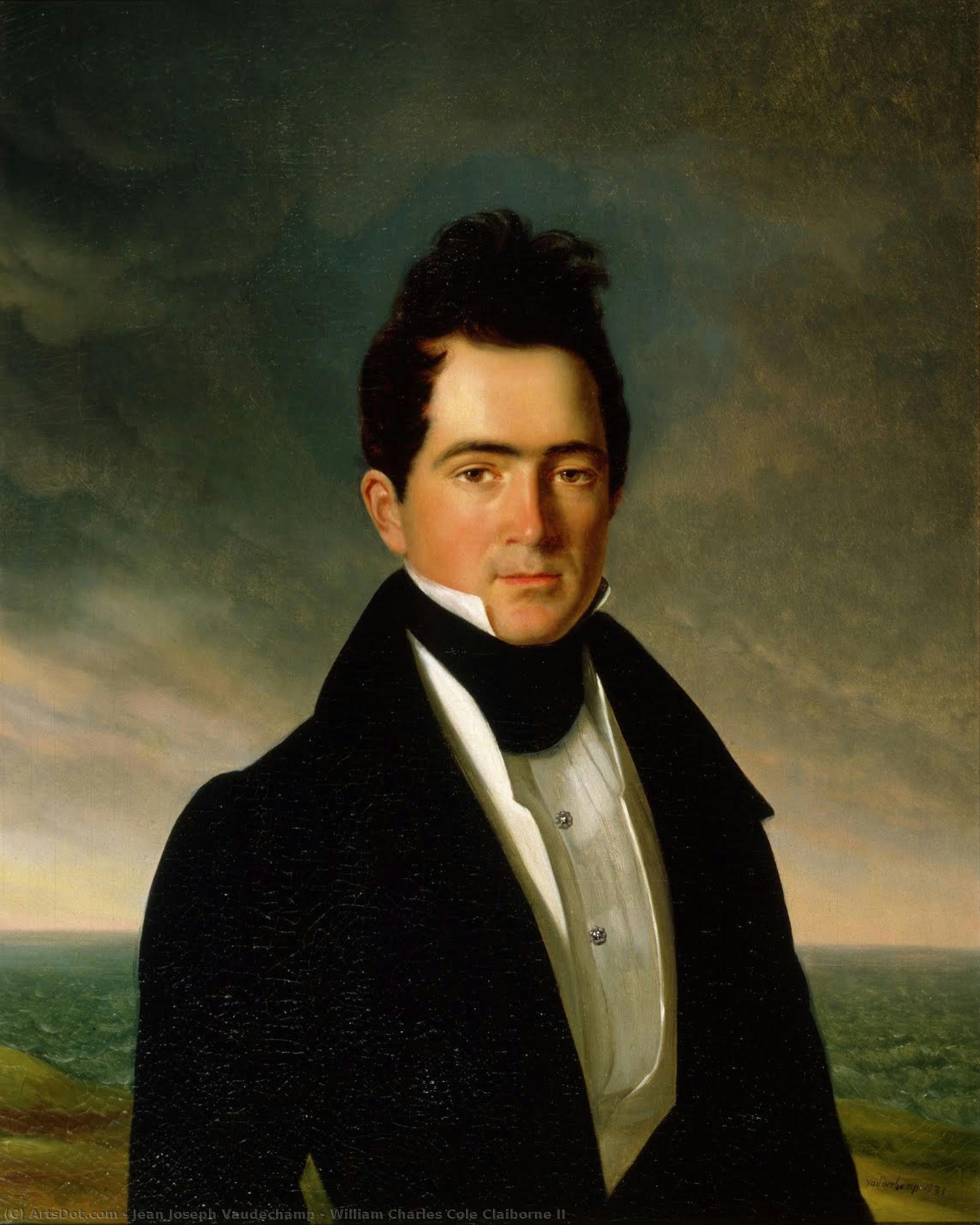
William Charles Cole Claiborne II


 Read More
Hand Made Oil Reproduction
Hand-painted oil on canvas in your size and frame, made to order by our artists. ( Buy Print Buy Image)




































Pick from our preset sizes that match the artwork's original proportions.

You may enter your own dimensions to fit a specific frame or space. If your selected size does not match the original image's proportions, we will either crop the artwork or extend the painting with additional hand-painted elements. A digital mockup will be sent for your approval before production begins.
Please note that the on-screen preview does not reflect the actual cropping or extension. Only the mockup will accurately show the final composition.
While custom sizes are available, we recommend selecting a dimension from the predefined list to preserve the original proportions.
After order, ArtsDot.com team will email client for instructions and provide a mockup preview
Worldwide Delivery () in 3/4 weeks instead of standard 5 weeks. (16 August). No compromise on quality.

Free Worldwide Express Shipping

High-Quality Linen Canvas

Full Shipping Insurance

Customs Tax Refund Guarantee

True Color Matching Guarantee

60-Day Return Policy (Defects Only)

100% Money-Back Guarantee

Bulk Discount Offer
 Glass option is only available in size under 110 CM

William Charles Cole Claiborne II
Reproduction Medium
Reproduction Size
-


Total Price
$ 263
Related Artworks
Artist Biography
The Dawn of Southern Art: William Henry Hunt and the Shaping of a Regional Identity
William Henry Hunt (March 28, 1790 – February 10, 1864) stands as a pivotal figure in the nascent art scene of the early American South. Born near Long Acre in England, his journey to America marked not just a geographical shift but a profound influence on the development of watercolor painting and artistic representation within the region. Unlike many European artists who sought fleeting fame in colonial America, Hunt established himself as a consistent and respected figure, deeply intertwined with the social fabric and evolving cultural landscape of Maryland, Virginia, and South Carolina during a period of immense transformation. His work wasn’t merely decorative; it served as a visual record of a rapidly changing society, reflecting both its traditions and its burgeoning aspirations.Early Influences and Apprenticeship
Hunt's artistic foundation was meticulously laid under the tutelage of John Varley, a landscape painter known for his loose, expressive style. This early training instilled in him a sensitivity to light and color, coupled with an appreciation for capturing fleeting moments – qualities that would become hallmarks of his later work. Crucially, Varley’s studio provided Hunt with exposure to the vibrant artistic community of London, fostering connections and influencing his aesthetic sensibilities. This period also saw Hunt experimenting with various mediums, including oil painting, before ultimately gravitating towards watercolor, a medium particularly well-suited to the humid climate and atmospheric conditions of the American South. His initial commissions in England demonstrated an aptitude for portraiture, but it was his relocation to America that truly ignited his artistic potential.A Southern Connection: Portraits and Natural History
Hunt’s arrival in the United States coincided with a period of significant growth and social change. He quickly established himself as a sought-after portraitist, catering to wealthy planters, prominent merchants, and members of the rising gentry. His portraits weren't simply likenesses; they were carefully constructed narratives, reflecting the status, wealth, and aspirations of his subjects. He frequently depicted families gathered in domestic settings, capturing not just physical appearances but also conveying a sense of social hierarchy and familial bonds. However, Hunt’s artistic interests extended beyond portraiture. He developed a deep fascination with the natural world, documenting native flora and fauna with remarkable detail and scientific accuracy. This interest was fueled by his association with figures like William Young Jr., a botanist-artist who meticulously cataloged the plant life of North and South Carolina, and by correspondence with Carl Linnaeus, the renowned Swedish scientist. His watercolors of birds’ nests, for example, reveal an acute observational skill and a keen understanding of avian behavior – skills honed through years of patient observation in the Southern wilderness.The Influence of Robert Feke and Rococo Style
Hunt's artistic development was significantly shaped by his encounter with Robert Feke, a prominent portraitist who had previously worked in Philadelphia. Feke’s style – characterized by its loose brushwork, dramatic lighting, and emphasis on capturing the sitter’s personality – exerted a considerable influence on Hunt’s early work. The similarities between portraits painted by Feke and those created by Hunt are readily apparent, particularly in their composition, poses, and choice of backgrounds. As Hunt matured as an artist, he gradually moved away from Feke's more rigid style, embracing the softer, more decorative qualities of Rococo painting – a trend that was gaining popularity in Europe during this period. This shift is evident in his later works, which are characterized by their delicate color palettes, graceful figures, and intricate details.Legacy and Historical Significance
William Henry Hunt’s contribution to the history of Southern art extends far beyond his individual paintings. He played a crucial role in establishing watercolor as a respected medium within the region, demonstrating its versatility for both portraiture and naturalistic representation. His work helped to shape the visual language of the American South, providing a nuanced and often intimate portrayal of life during a period of rapid social, economic, and political change. Furthermore, Hunt’s dedication to documenting the natural world – through his meticulous watercolors of birds' nests and plants – offers valuable insights into the ecological history of the region. His legacy endures not only in the paintings themselves but also in their ability to transport us back to a time when art was deeply intertwined with the rhythms of life, the beauty of the landscape, and the aspirations of a burgeoning nation. His work stands as a testament to the power of observation, the importance of artistic connections, and the enduring influence of an artist who helped to define the visual identity of the American South.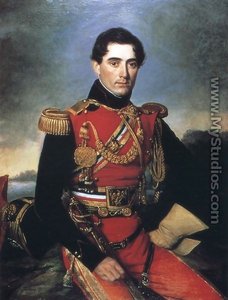
jean joseph vaudechamp
1790 - 1866 , France
Quick Facts
- Artistic Movement Or Style: Watercolor painting
- Artists Or Movements Influenced By This Artist: ['English School of Watercolor']
- Artists Who Influenced This Artist: ['John Varley']
- Date Of Birth: March 28, 1790
- Date Of Death: February 10, 1864
- Full Name: William Henry Hunt
- Nationality: English
- Notable Artworks:
- The Marriage of Heaven and Hell
- Pity
- Visions of the Daughters of Albion
- Place Of Birth: Long Acre, England