

 Preview
 Send
Send Share
Share
 Details

 Download
 Similars
 X-Ray
X-Ray Diaporama
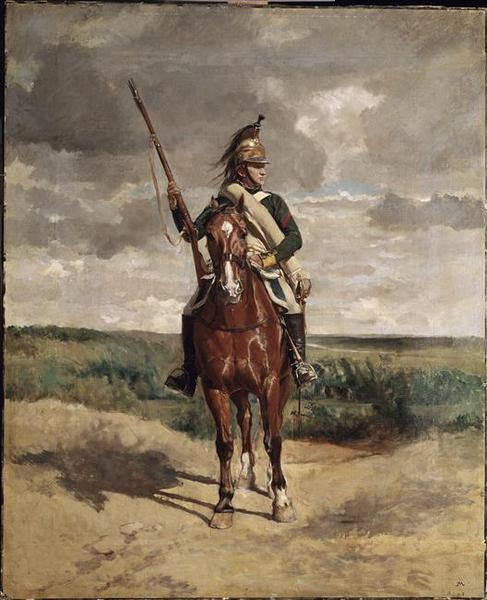
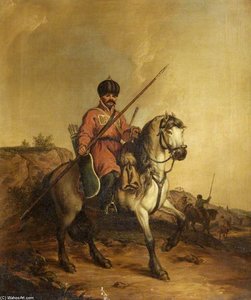
Dragon en vedette dans la campagne


 Read More
Purchase a high-resolution, enhanced digital image, far superior to the online preview.
Each file is meticulously prepared by our in-house specialists using advanced tools and expert manual retouching. We ensure every image has exceptional clarity, precise color accuracy, and fine detail.
The final file is delivered via email within 72 hours, optimized for immediate use in professional, editorial, and print environments. This is the same quality trusted by top-tier design studios, publishers, and galleries.
Digital Image
Download a high-resolution file for personal display, printing, and creative projects. ( Buy Print Buy Hand Made Painting)
Included in Every Digital Image Order
Expert Digital Delivery, Guaranteed
When you choose ArtsDot.com, you're not just getting an image - you're receiving a professionally enhanced digital artwork, crafted with precision and backed by a satisfaction guarantee. Here's everything that comes with your order, automatically:

Fast Email Delivery
Your high-resolution digital image file will be emailed to you within 72 hours of ordering - ready for immediate use.

AI-Enhanced Digital File
Your artwork is professionally optimized using advanced AI tools and manual editing, ensuring maximum detail, clarity, and color accuracy.

Free Lifetime Re-Delivery
Accidentally deleted or lost your file? No worries - we'll resend it to you anytime, free of charge.

No Import Fees - Ever
Enjoy your artwork instantly with zero customs, duties, or delivery fees - digital downloads are always tax-free.

Color Accuracy Guarantee
We ensure your digital image reflects the original colors as closely as possible using professional tools and color management.

60-Day Satisfaction Guarantee
If you're not satisfied with your digital image, we'll revise it or refund 100% within 60 days - no questions asked.

100% Money-Back Guarantee
Not satisfied? Get a full refund within 60 days of receiving your digital file - no questions asked.

Bulk Order Discounts
Buy 3 images, save 10% - Buy 5, save 15% - Buy 10+, save 20%. Great for creative projects, galleries, and agencies.
Collectible Description
Jean-Louis Ernest Meissonier’s “Dragon en vedette dans la campagne”: A Miniature Masterpiece of Napoleonic Life
Jean-Louis-Ernest Meissonier's "Dragon en vedette dans la campagne" (Dragon in the Countryside), painted in 1879, is more than just a charming pastoral scene; it’s a meticulously crafted window into the world of 19th-century French society and a testament to the artist’s extraordinary technical skill. Often described as “the Dutch Metsu” by critics like John Ruskin, Meissonier specialized in creating incredibly detailed miniature paintings—essentially, large-scale studies that captured intimate moments of everyday life with an almost obsessive precision. This particular work exemplifies his signature style: a focus on capturing the nuances of human interaction and the subtle details of a bygone era, all rendered with painstaking accuracy.
The painting depicts a group of gentlemen engaged in leisurely pursuits amidst a picturesque countryside setting. A distinguished gentleman, clearly a military officer judging by his uniform, sits atop a magnificent chestnut horse, holding a rifle casually in his hand. Around him are several companions – some playing chess, others smoking pipes and enjoying the afternoon sun. The composition is remarkably balanced, drawing the eye through the scene with a careful arrangement of figures and elements. Noticeably absent is any overt narrative; there’s no battle or dramatic event unfolding here, but rather an invitation to observe a quiet moment of camaraderie and refinement.
A Study in Detail: Meissonier's Technique
Meissonier’s technique was legendary for its meticulousness. He famously employed a method of working on multiple canvases simultaneously, allowing him to focus intensely on individual details before bringing them together into a cohesive whole. This approach is vividly apparent in “Dragon en vedette dans la campagne.” The artist's mastery of light and shadow is particularly noteworthy; he uses subtle gradations to create a sense of depth and volume, highlighting the textures of the clothing, the sheen of the horse’s coat, and the dappled sunlight filtering through the trees. The level of detail is astonishing – from the individual buttons on the officers' uniforms to the wrinkles in their faces—reflecting Meissonier’s dedication to realism and his desire to capture the essence of his subjects.
Crucially, Meissonier wasn’t simply copying reality; he was interpreting it. He often used a magnifying glass to examine objects closely before painting them, ensuring that every detail was rendered with utmost accuracy. This obsessive attention to detail is what earned him the admiration of critics like Ruskin, who marveled at his “manual dexterity and eye for fascinating minutiae.” The painting feels less like a straightforward depiction and more like a carefully constructed study in observation and representation.
Symbolism and Social Context
While seemingly a simple scene of leisure, "Dragon en vedette dans la campagne" offers insights into the social dynamics of 19th-century France. The presence of the military officer suggests the importance of the army in French society at the time, while the gentlemen’s attire and demeanor reflect the values of the upper class – refinement, honor, and a cultivated appreciation for leisure. The horse itself is a symbol of status and power, further emphasizing the social hierarchy depicted.
Furthermore, the painting can be interpreted as a nostalgic evocation of a bygone era—a time when aristocratic pursuits were valued and rural life held a certain charm. It’s a snapshot of a world increasingly shaped by industrialization and urbanization, offering a glimpse into a more traditional way of life.
Reproductions and Artistic Legacy
Today, “Dragon en vedette dans la campagne” is housed at the Musée d'Orsay in Paris, where it continues to captivate viewers with its remarkable detail and evocative atmosphere. ArtsDot offers high-quality reproductions that faithfully capture the essence of Meissonier’s masterpiece, allowing art lovers around the world to experience this iconic work firsthand. Whether displayed as a statement piece in a grand salon or as a charming addition to a smaller space, a reproduction of “Dragon en vedette dans la campagne” is sure to spark conversation and admiration.
Consider commissioning a custom-made reproduction on canvas or paper – a truly unique way to bring this miniature masterpiece into your home. The meticulous attention to detail and the rich colors will undoubtedly evoke the same sense of wonder and appreciation that viewers have experienced for over a century.
Related Artworks
Artist Biography
A Master of Miniature Realism: The Life and Art of Jean-Louis Ernest Meissonier
Jean-Louis Ernest Meissonier, a name synonymous with meticulous detail and historical narrative in 19th-century French painting, emerged as a pivotal figure bridging the gap between academic tradition and a burgeoning realism. Born in Lyon in 1815, his path to artistic renown was initially met with familial resistance. His father envisioned a career in business for young Ernest, yet the allure of art proved too strong to ignore. At seventeen, he secured permission to pursue his passion, embarking on a journey that would establish him as one of France’s most celebrated and financially successful artists. Early training under Léon Cogniet provided a foundational grounding, but it was through diligent study of the Dutch masters at the Louvre – painters like Gabriel Metsu and Gerard Douw – that Meissonier truly discovered his artistic voice. These masters, renowned for their intimate scenes of bourgeois life rendered with astonishing precision, profoundly influenced his developing style, inspiring a dedication to detail that would become his hallmark.From Genre Scenes to Grand Historical Narratives
Meissonier’s breakthrough arrived in 1831 with *Les Bourgeois Flamands* (Dutch Burghers), exhibited at the Salon. This work immediately signaled his unique talent – a capacity for recreating scenes of everyday life, or historical vignettes, with an almost microscopic level of accuracy. He wasn't merely depicting objects; he was meticulously reconstructing worlds, capturing textures, light, and atmosphere with breathtaking fidelity. This early success allowed him to refine his technique, producing a series of captivating genre paintings like *The Game of Chess* (1841) and *The Young Man Playing the 'Cello* (1842). These works weren’t simply exercises in technical skill; they were insightful observations of human character and social interaction. However, Meissonier's ambitions extended beyond intimate genre scenes. The political upheavals of 1848, during which he served with the National Guard, deeply impacted him, fueling a desire to address larger historical themes. This shift culminated in monumental works like *The Emperor at Solferino*, a departure from his earlier style that showcased his ability to handle complex compositions and grand narratives while retaining his signature precision.A Technique Defined by Patience and Precision
What truly set Meissonier apart was not simply what he painted, but *how* he painted. His technique was legendary for its painstaking detail. He wasn’t content with broad brushstrokes or impressionistic effects; each element within his compositions was rendered with meticulous care, built up layer upon layer to achieve a remarkable sense of realism. He undertook exhaustive research, meticulously studying costumes, weaponry, and architectural details to ensure historical accuracy. This dedication extended to the natural world as well – he famously studied horses extensively, analyzing their anatomy and movement to depict them convincingly in his battle scenes. Some critics even suggested that his work bordered on obsession, but it was precisely this unwavering commitment to detail that captivated audiences and established his reputation. John Ruskin, the influential English art critic, famously examined Meissonier’s paintings under a magnifying glass, marveling at the artist's “manual dexterity and eye for fascinating minutiae.”Legacy and Lasting Influence
By the latter half of the 19th century, Jean-Louis Ernest Meissonier had become one of France’s most celebrated artists. His works commanded exorbitant prices, allowing him to acquire a magnificent estate in Poissy, complete with dedicated studios designed to facilitate his meticulous process. He was lauded for his technical mastery and his ability to bring history to life with unparalleled realism. While some critics questioned the limited range of his subject matter – often focusing on military scenes or historical recreations – there is no denying his profound influence on subsequent generations of artists. His dedication to detail, his commitment to historical accuracy, and his masterful technique continue to inspire painters today. Museums worldwide, including the Musée d'Orsay in Paris and the National Gallery of Art in Washington D.C., proudly display his works, ensuring that his legacy endures as a testament to the power of patience, precision, and artistic vision. To explore more of Meissonier’s art, visit ArtsDot.com or the Musée d'Orsay website.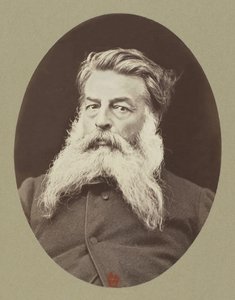
Jean-Louis Ernest Meissonier
1815 - 1891 , France
Quick Facts
- Artistic Movement Or Style: Academic art
- Artists Who Influenced This Artist: ['Dutch Masters']
- Date Of Birth: February 21, 1815
- Date Of Death: January 31, 1891
- Full Name: Jean-Louis Ernest Meissonier
- Nationality: French
- Notable Artworks:
- Les bourgeois flamands
- The Game of Chess
- Halt at an inn
- The brawl
- Emperor at Solferino
- Place Of Birth: Lyon, France

