 Preview
 Send
Send Share
Share
 Details

 Download
 Similars
 X-Ray
X-Ray Diaporama
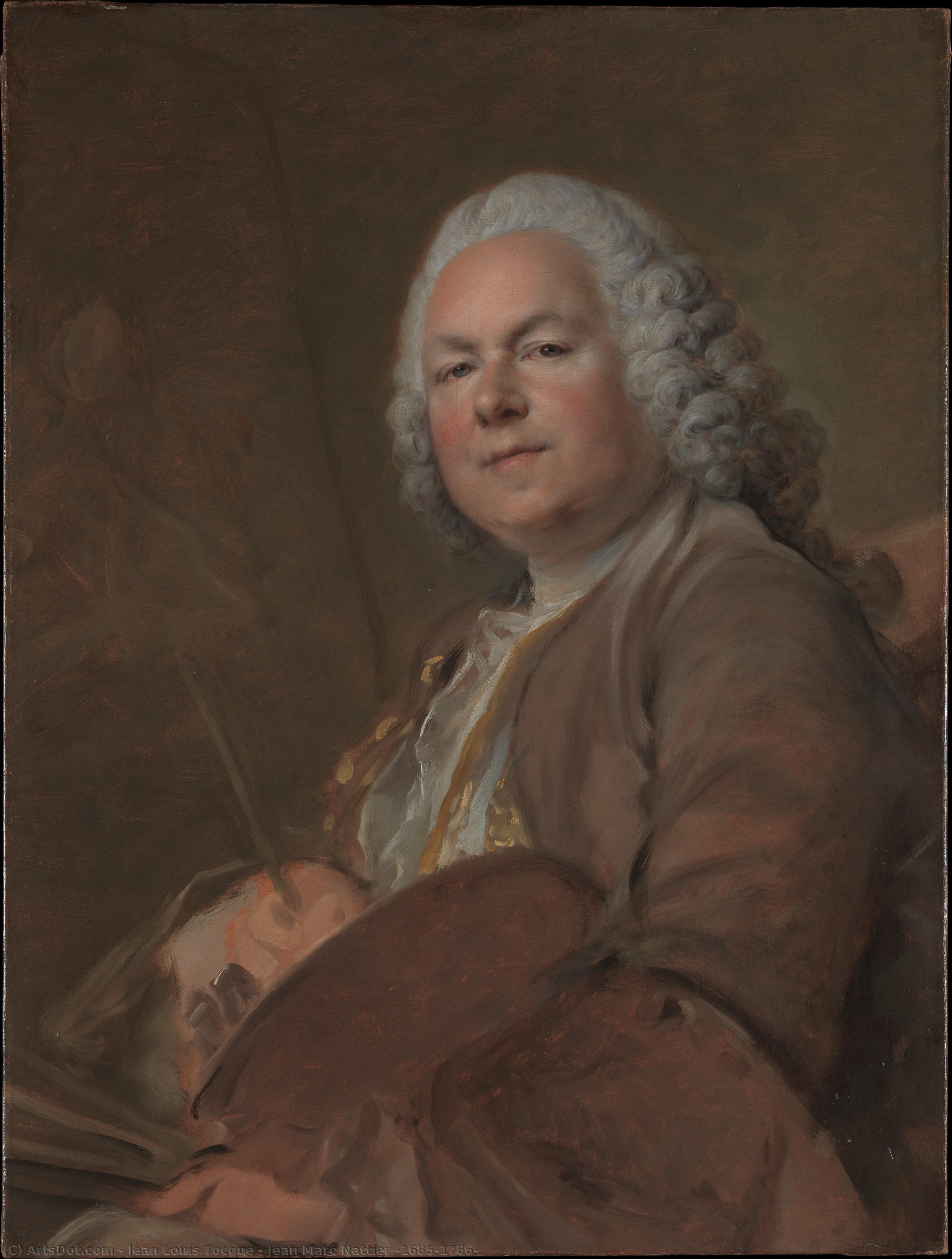
Jean Marc Nattier (1685–1766)
 Acrylic On Canvas
- WallArt
- Rococo
 1740
1740 78.0 x 59.0 cm
 Metropolitan Museum of Art
 Read More
Hand Made Oil Reproduction
Hand-painted oil on canvas in your size and frame, made to order by our artists. ( Buy Print Buy Image)




P118B $10

P118H $10

P118W $10

P438Z $10

P508JH $12

P508YH $12

P805H $10

P805Z $10

P919BZ $10

P919G $10

P919XJ $10

P959ZH $10

P968JZ $12

W106C $8

W218G $10

W218JH $8

W218Y $10

W307PJ $10

W316G $10

W316PJ $8

W316Y $10

W398PJ $8

W4111J $10

W500HY $15

W500JH $15

W692G $12

W849H $8

W940BG $15

W953PJ $8




Pick from our preset sizes that match the artwork's original proportions.

You may enter your own dimensions to fit a specific frame or space. If your selected size does not match the original image's proportions, we will either crop the artwork or extend the painting with additional hand-painted elements. A digital mockup will be sent for your approval before production begins.
Please note that the on-screen preview does not reflect the actual cropping or extension. Only the mockup will accurately show the final composition.
While custom sizes are available, we recommend selecting a dimension from the predefined list to preserve the original proportions.
After order, ArtsDot.com team will email client for instructions and provide a mockup preview
Worldwide Delivery () in 3/4 weeks instead of standard 5 weeks. (16 August). No compromise on quality.

Free Worldwide Express Shipping

High-Quality Linen Canvas

Full Shipping Insurance

Customs Tax Refund Guarantee

True Color Matching Guarantee

60-Day Return Policy (Defects Only)

100% Money-Back Guarantee

Bulk Discount Offer
 Glass option is only available in size under 110 CM

Jean Marc Nattier (1685–1766)
Reproduction Medium
Reproduction Size
-


Total Price
$ 263
Artwork Description
A Window into Rococo Elegance: Jean Marc Nattier’s Tocqué
Jean Marc Nattier stands as a cornerstone of French Rococo portraiture, embodying the aristocratic tastes and artistic sensibilities of Louis XV's court. Born in Paris in 1685, he ascended to fame through meticulous observation and masterful execution—a testament to his dedication to capturing not merely likenesses but also the very essence of his subjects’ character.
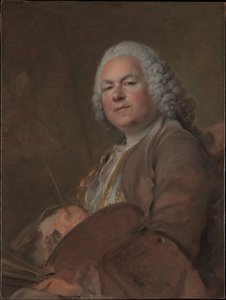
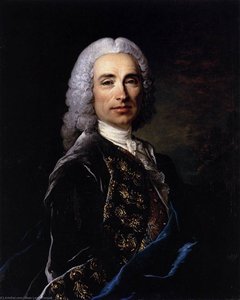
- Subject Matter: Nattier's oeuvre primarily focused on depicting ladies of high social standing, often adorned in mythological costumes that served as a conduit for conveying moral virtue and refined intellect. The portrait presented here showcases Jean Louis Tocqué, a student and later husband to Nattier’s daughter, offering an intimate glimpse into the artistic milieu of the era.
- Style: Characteristic of Rococo art, this piece exemplifies delicate brushstrokes, pastel hues, and asymmetrical compositions—elements designed to evoke beauty and grace. The artist deliberately eschewed excessive detail in certain areas, notably Tocqué’s hands and palette, recognizing that these elements represent the creative process itself.
Technique and Composition: Embracing Imperfection as Inspiration
Nattier's technique was renowned for its subtlety and precision. He employed a glazing method—applying thin layers of translucent paint over underlying colors—to achieve luminous effects and create depth within the canvas. The unfinished state of Tocqué’s hands and palette isn’t merely stylistic choice; it reflects Nattier’s belief that artistic inspiration often arises from spontaneity and imperfection.
- Glazing Technique: This technique allowed for gradual layering of color, enhancing the vibrancy and richness of the final image.
- Symbolism: The deliberate omission of detail serves as a powerful reminder of the artist’s role—to capture not just what is seen but also what is felt, conveying an aura of contemplation and artistic endeavor.
Historical Context: Patronage and Artistic Recognition
The portrait's significance extends beyond its aesthetic qualities; it embodies the broader cultural landscape of Louis XV’s reign—a period marked by opulent celebrations of royal power and a fervent devotion to artistic excellence. Acceptance into prestigious academies like the Royal Danish Academy underscored Tocqué’s reputation as an artist, securing commissions from influential patrons across Europe.
- Royal Patronage: Nattier benefited greatly from the support of Louis XV and his court, fostering a thriving environment for artistic innovation.
- Academy Recognition: Membership in academies symbolized prestige and validated an artist’s skill—a crucial factor in establishing their career and securing lucrative commissions.
Emotional Resonance: Capturing Character Through Gesture
Despite its understated execution, Tocqué's portrait radiates a palpable sense of dignity and composure. Nattier skillfully captured the sitter’s gaze—a hallmark of Rococo portraiture—suggesting thoughtfulness and inner reflection. The inclusion of the violin symbolizes Tocqué’s musical inclinations and adds to the overall impression of cultivated intellect.
- Gesture: The artist's masterful portrayal of Tocqué’s posture conveys confidence and serenity, reflecting the idealized vision of human character prevalent during the Rococo period.
- Symbolism: The violin serves as a visual metaphor for intellectual pursuits—a testament to Nattier’s ability to infuse his canvases with deeper meaning beyond mere likeness.
Related Artworks
Artist Biography
Jean Louis Tocqué: A Portraitist of the French Court
Jean Louis Tocqué, a name perhaps less familiar than some of his contemporaries, stands as a significant figure in 18th-century French portraiture. Born in Paris in 1696 and tragically passing away in 1772, Tocqué’s life was marked by both artistic apprenticeship and the privilege of capturing the likenesses of royalty and nobility. His career unfolded within the vibrant, yet often turbulent, world of the Parisian Salon, a crucial platform for artists to showcase their work and gain recognition. Tocqué's legacy rests primarily on his exquisite portraits, characterized by a refined elegance and an ability to imbue his subjects with a sense of both dignity and charm – qualities that resonated deeply within the court circles he served.Early Life and Artistic Training
Jean Louis Tocqué’s artistic journey began in the shadow of his father, also a painter, whose untimely death in 1710 at the age of fourteen profoundly shaped young Louis's trajectory. This early loss propelled him into the care of Jean-Marc Nattier, a renowned portraitist already established within the French court. Nattier’s atelier became Tocqué’s formative environment, where he honed his skills under the tutelage of masters like Hyacinthe Rigaud and Nicolas Bertin. These influential figures instilled in him not only technical proficiency but also an appreciation for classical ideals and a meticulous approach to rendering form and detail. Tocqué's initial training was deeply rooted in Nattier’s style – a blend of realism, elegance, and a subtle theatricality—but he quickly developed his own distinctive voice, influenced by the more dynamic compositions of Hyacinthe Rigaud and the refined sensibilities of Nicolas de Largillière.Royal Commissions and Salon Recognition
Tocqué’s rise to prominence was inextricably linked to his ability to secure commissions from the French court. His most celebrated work, the portrait of Louis XV (circa 1740), commissioned by his great-grandfather, King Louis XIV, stands as a testament to his skill and the esteem in which he was held. This monumental painting, now housed in the Louvre, exemplifies Tocqué’s mastery of light, color, and composition—a harmonious blend of regal authority and youthful charm. Beyond this grand commission, Tocqué consistently produced portraits of significant figures, including Marie Leszczyńska, Queen of France (1740), and infanta Maria Teresa Rafaela of Spain (1745). His work regularly appeared in the prestigious Salon exhibitions from 1737 to 1759, solidifying his reputation as one of the most sought-after portraitists of his time. These appearances weren’t merely displays; they were crucial for establishing connections and securing further patronage.A Journey East: The Portrait of Empress Elizabeth Petrovna
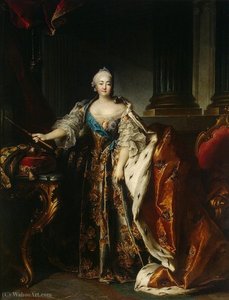
In 1757, Tocqué embarked on a remarkable journey to the Russian Empire at the invitation of Empress Elizabeth Petrovna. This unprecedented opportunity allowed him to create a ceremonial portrait of the empress, an undertaking that cemented his international standing and resulted in a masterpiece now residing in the Hermitage Museum in Saint Petersburg. The portrait is notable for its intricate detail and the subtle portrayal of the empress’s power and grace—a testament to Tocqué's ability to capture not just physical likeness but also personality and status. This commission demonstrated Tocqué’s willingness to travel and adapt his style to suit different cultural contexts, showcasing a remarkable versatility as an artist.Influence and Legacy
Tocqué’s influence extends beyond the portraits he created; he played a role in shaping the artistic landscape of Denmark during the 1760s. Invited to Copenhagen, he accepted a position at the Royal Danish Academy of Fine Arts, where he not only taught but also produced stunning portraits of the Danish royal family. His work in Denmark further broadened his stylistic range and demonstrated his ability to adapt to new environments while maintaining his signature elegance. While Tocqué’s output was relatively modest compared to some of his contemporaries, his portraits—particularly those commissioned by royalty—remain valuable examples of 18th-century French art. They offer a glimpse into the lives and personalities of influential figures, showcasing Tocqué's technical skill, artistic sensitivity, and ability to capture the essence of his subjects. His work continues to be studied and admired for its refined beauty and historical significance.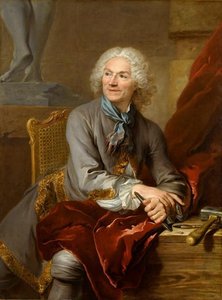
jean louis tocqué
1696 - 1772 , France
Quick Facts
- Artistic Movement Or Style: Portrait painting
- Artists Or Movements Influenced By This Artist: ['Nattier style']
- Artists Who Influenced This Artist:
- Hyacinthe Rigaud
- Nicolas Bertin
- Jean-Marc Nattier
- Date Of Birth: November 19, 1696
- Date Of Death: February 10, 1772
- Full Name: Jean Louis Tocqué
- Nationality: French
- Notable Artworks:
- Marie leszczyńska (1740)
- Frederik de løvenørn (1736)
- Portrait of Empress Elizabeth (1757)
- Place Of Birth: Paris, France
Related Articles
Jean-Marc Nattier: Rococo Portraiture & Aristocratic Patronage
Explore the exquisite Rococo portraits of Jean-Marc Nattier, favored by French aristocracy. Discover his artistic techniques, patronage network, and lasting legacy – a guide for discerning collectors.

The Rococo Aesthetic: Opulence, Rebellion & the Pursuit of Pleasure in 18th-Century Art
Explore the opulent world of Rococo art! Discover its origins, key artists like Watteau & Boucher, and lasting influence on design. Expert insights for collectors & enthusiasts.
From Grandeur to Grace: Exploring the Evolution of Baroque & Rococo Art
Explore the captivating evolution from Baroque's drama to Rococo's grace! Discover key artists, characteristics & lasting influence of these art movements with expert insights at ArtsDot.

Rococo's Radiant Legacy: 10 Masterpieces for Your Home |
Indulge in the elegance of Rococo! Explore 10 masterpieces by Fragonard, Boucher & Watteau. Discover the stories behind these iconic paintings and bring timeless art to your home with museum-quality reproductions from .
The Rococo Style: Aristocratic Leisure & the Pursuit of Delight in 18th-Century Art
Explore the opulent world of Rococo art! Discover Watteau, Boucher & Nattier's masterpieces. Expert insights for collectors seeking museum-quality reproductions and custom portraits at ArtsDot.