 Preview
 Send
Send Share
Share
 Details

 Download
 Similars
 X-Ray
X-Ray Diaporama
 Stats
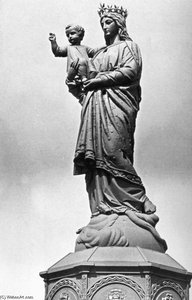
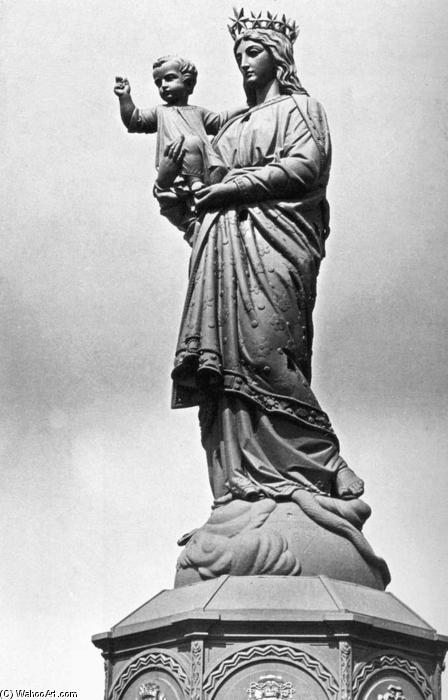
StatsOur Lady of France (Notre-Dame-de-France)


 Read More
Giclée / Art Print
Museum-quality giclée or canvas print with fast production and flexible finish options. ( Buy Hand Made Painting Switch to Digital Image)




































Pick from our preset sizes that match the artwork's original proportions.

You may enter your own dimensions to fit a specific frame or space. If your selected size does not match the original image's proportions, we will either crop the artwork or extend the image with a mirrored or solid-fill edge. A digital mockup will be sent for your approval before production begins.
Please note that the on-screen preview does not reflect the actual cropping or extension. Only the mockup will accurately show the final composition.
While custom sizes are available, we recommend selecting a dimension from the predefined list to preserve the original proportions.
Worldwide Delivery () in 2 weeks instead of standard 4/5 weeks. (10 September)

Free Worldwide Express Shipping

High-Quality Linen Canvas

Full Shipping Insurance

Customs Tax Refund Guarantee

True Color Matching Guarantee

100-Day Return Policy (Defects Only)

100% Money-Back Guarantee

Bulk Discount Offer
 Glass option is only available in size under 110 CM

Our Lady of France (Notre-Dame-de-France)
Giclée / Art Print
Reproduction Size
-


Total Price
$ 63
Related Artworks
Artist Biography
Jean-Marie Bienaimé Bonnassieux: A Sculptor Shaped by Tradition and Romantic Spirit
Jean-Marie Bienaimé Bonnassieux (1810 – 1892) stands as a pivotal figure in the landscape of French sculpture during the nineteenth century, embodying the rigorous standards of academic training alongside an appreciation for the burgeoning Romantic movement. Born in Paniéres, France—the son of a cabinet maker—Bonnassieux demonstrated exceptional artistic talent from a young age, securing his education at the École Nationale Supérieure des Beaux-Arts in Paris under the tutelage of Augustin Alexandre Dumont. This formative experience instilled within him the foundational principles of classical sculpture and cemented his allegiance to established artistic conventions.- Prix de Rome Collaboration: Bonnassieux’s career gained considerable momentum when he achieved co-victory with Auguste Ottin in the prestigious Prix de Rome competition of 1836. This honor afforded him invaluable access to Roman artistic traditions and allowed him to hone his skills under the guidance of Ingres, arguably the most influential sculptor of his time.
- Roman Education & Artistic Influences: Bonnassieux’s subsequent studies in Rome profoundly impacted his artistic sensibilities. He absorbed the grandeur of classical sculpture—particularly Michelangelo—and embraced the expressive dynamism characteristic of Romantic art. These influences would permeate his oeuvre, shaping his stylistic choices and thematic concerns.
- Teaching Legacy & Notable Students: Bonnassieux returned to Paris as a teacher at the École Supérieure des Beaux-Arts, nurturing the talents of future generations of sculptors. Among his pupils were prominent figures such as Lorado Taft—an American sculptor who would later achieve international acclaim—and Henry Hudson Kitson—a British sculptor known for his depictions of biblical subjects.
Iconic Sculpture: ‘Our Lady of France’ – A Testament to Neoclassical Style
Bonnassieux's artistic output is characterized by a masterful command of neoclassical sculpture, exemplified by his monumental depiction of Our Lady of France (Notre-Dame-de-France). Completed in 1860, this artwork exemplifies the stylistic ideals prevalent during the period—characterized by idealized forms, serene compositions, and meticulous attention to detail. The sculpture’s solemn beauty and adherence to classical proportions underscore Bonnassieux's commitment to upholding artistic tradition while simultaneously conveying profound spiritual contemplation. It is a cornerstone of French art history and remains a testament to the enduring power of neoclassical aesthetics.Historical Context & Artistic Significance
Bonnassieux’s work emerged during a period marked by significant intellectual and artistic debates—namely, the clash between classical idealism and Romantic emotionalism. He navigated this complex landscape with grace and conviction, producing sculptures that resonated deeply with contemporary audiences while simultaneously upholding the legacy of artistic excellence established centuries earlier. Bonnassieux's contribution to French sculpture is recognized as crucial in shaping the trajectory of artistic development during the Victorian era. His influence extended beyond his immediate students, fostering a tradition of sculptural craftsmanship rooted in classical principles and imbued with Romantic spirit.Burial & Legacy
Jean-Marie Bienaimé Bonnassieux found his final resting place at Montparnasse Cemetery, cementing his enduring presence within Parisian cultural memory. His sculptures continue to inspire admiration for their technical virtuosity and artistic integrity—a testament to Bonnassieux’s unwavering dedication to mastering the craft of sculpture and conveying profound human emotion through timeless forms. He remains a celebrated figure in French art history, symbolizing the harmonious fusion of tradition and innovation that defined the nineteenth century.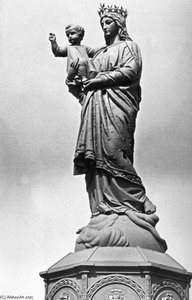
jean marie bienaimé bonnassieux
1810 - 1892 , France
Quick Facts
- Artistic Movement Or Style: Neoclassical Sculpture
- Artists Or Movements Influenced By This Artist: ['Prix de Rome']
- Artists Who Influenced This Artist:
- Augustin Alexandre Dumont
- Ingres
- Date Of Birth: Paniéres, France (1810)
- Date Of Death: 1892
- Full Name: Jean Marie Bienaimé Bonnassieux
- Nationality: French
- Notable Artworks: ['Our Lady of France']
- Place Of Birth: Lyon, France
Related Articles

The Enduring Form: Sculpture Across History, Technique & Emotional Resonance
Explore the rich history of sculpture with ArtsDot. Discover key techniques, influential artists & investment potential for discerning collectors. Expert insights into valuing and collecting timeless masterpieces.

Bronze Age to Modern Masters: 10 Sculptures That Redefined Art | ArtsDot
Journey through art history with 10 legendary bronze sculptures – from Michelangelo's David to Rodin’s Thinker. Explore the stories, techniques & timeless beauty of these masterpieces. Find museum-quality reproductions & elevate your home decor on ArtsDot.com.

The Enduring Form: Exploring Themes & Techniques in Sculpture Across Historical Periods
Explore the rich history of sculpture from ancient masterpieces to contemporary innovations. Discover key techniques, influential artists & investment potential for discerning art collectors.

Bronze Sculptures That Defined Art History | ArtsDot
Journey through art history with our Top 10 bronze sculptures! Explore masterpieces by Rodin, Michelangelo & more. Discover stories behind iconic statues and find museum-quality reproductions for your home decor at ArtsDot.com.
Antonio Canova: Neoclassical Sculpture & the Pursuit of Emotional Perfection
Explore the life & art of Antonio Canova, the greatest Neoclassical sculptor. Discover his masterpieces, innovative techniques, and lasting influence on fine art collecting. Expert insights for discerning investors.