 Preview
 Send
Send Share
Share
 Details

 Download
 Similars
 X-Ray
X-Ray Diaporama
Kader Belarbi


 Read More
Hand Made Oil Reproduction
Hand-painted oil on canvas in your size and frame, made to order by our artists. ( Buy Print Buy Image)




P118B $10

P118H $10

P118W $10

P438Z $10

P508JH $12

P508YH $12

P805H $10

P805Z $10

P919BZ $10

P919G $10

P919XJ $10

P959ZH $10

P968JZ $12

W106C $8

W218G $10

W218JH $8

W218Y $10

W307PJ $10

W316G $10

W316PJ $8

W316Y $10

W398PJ $8

W4111J $10

W500HY $15

W500JH $15

W692G $12

W849H $8

W940BG $15

W953PJ $8




Pick from our preset sizes that match the artwork's original proportions.

You may enter your own dimensions to fit a specific frame or space. If your selected size does not match the original image's proportions, we will either crop the artwork or extend the painting with additional hand-painted elements. A digital mockup will be sent for your approval before production begins.
Please note that the on-screen preview does not reflect the actual cropping or extension. Only the mockup will accurately show the final composition.
While custom sizes are available, we recommend selecting a dimension from the predefined list to preserve the original proportions.
After order, ArtsDot.com team will email client for instructions and provide a mockup preview
Worldwide Delivery () in 3/4 weeks instead of standard 5 weeks. (16 August). No compromise on quality.

Free Worldwide Express Shipping

High-Quality Linen Canvas

Full Shipping Insurance

Customs Tax Refund Guarantee

True Color Matching Guarantee

60-Day Return Policy (Defects Only)

100% Money-Back Guarantee

Bulk Discount Offer
 Glass option is only available in size under 110 CM

Kader Belarbi
Reproduction Medium
Reproduction Size
-


Total Price
$ 263
Artwork Description
A Dancer’s Reverie: Kader Belarbi's “Jean Marie Le Bris”
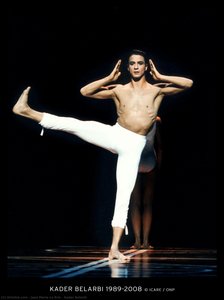
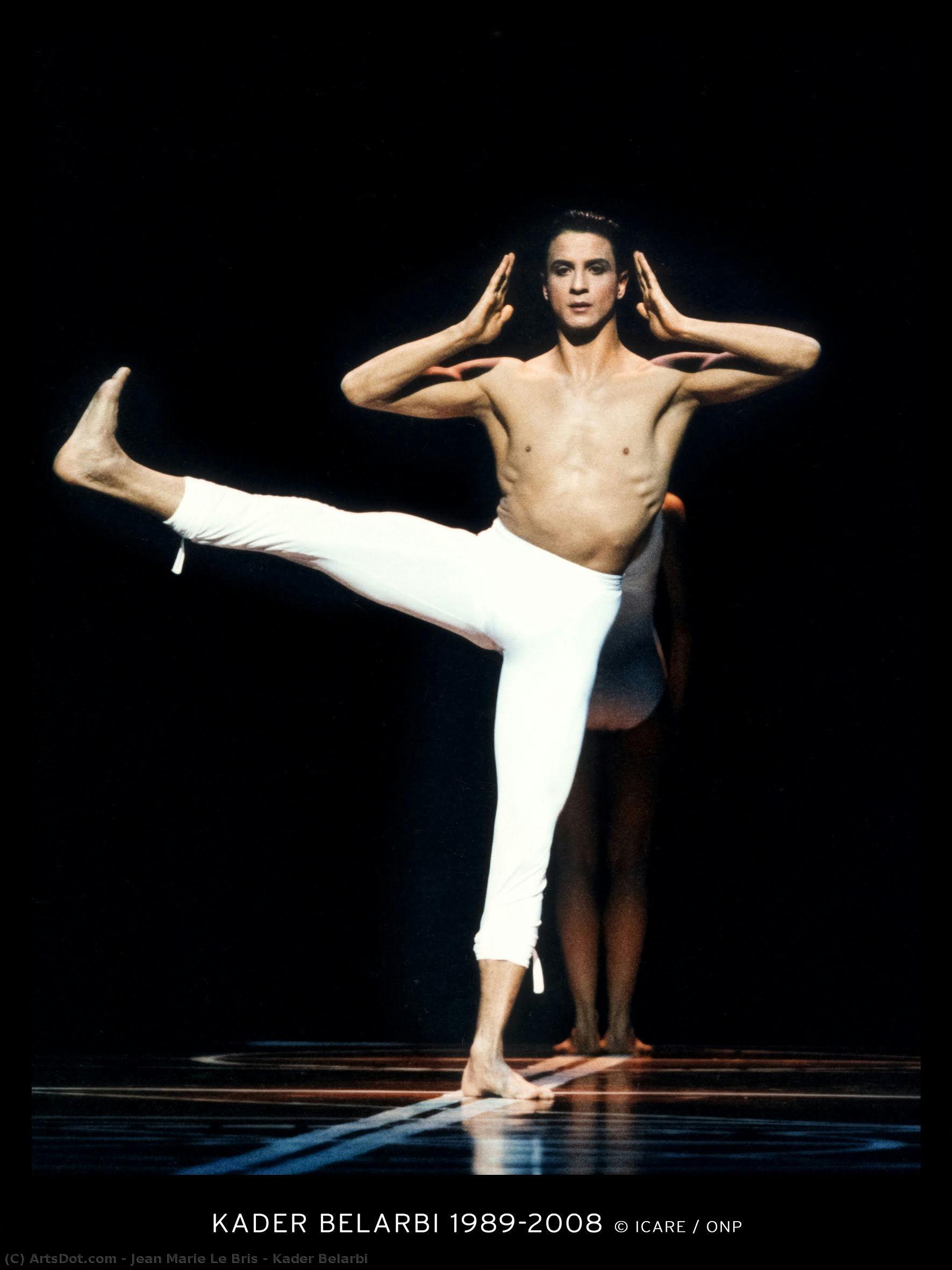
The photograph, titled "Jean Marie Le Bris," captures a fleeting moment of intense concentration and poised grace – a quintessential image of the ballet dancer Jean-Marie Le Bris. Black and white photography, a technique favored for its ability to strip away superficiality and reveal underlying form and emotion, lends an almost timeless quality to this portrait. The composition is strikingly simple: Le Bris stands center stage, bathed in the soft glow of unseen lighting, his body a study in controlled movement even as he’s frozen in time. His hands are raised, not in a flamboyant gesture, but with a deliberate lift, suggesting both effort and an almost meditative state – a visual representation of the dedication required to master the demanding art of ballet.
The photograph's power lies not just in its technical execution, but also in the palpable sense of history it evokes. Jean-Marie Le Bris was a pivotal figure in the nascent days of French aviation and, remarkably, a pioneer of Breton aviation. While this image focuses on his dance career, it’s inextricably linked to his early experiments with flight – a duality that imbues the portrait with an intriguing tension. His life's work spanned both the terrestrial world of ballet and the aerial ambitions of a visionary inventor. This juxtaposition hints at a restless spirit, a constant drive for innovation and pushing boundaries, qualities mirrored in the dancer’s focused expression.
The Language of Movement: Style and Technique
Kader Belarbi's photographic approach is deeply rooted in classical portraiture, yet subtly infused with elements that elevate it beyond mere documentation. The lighting is carefully controlled, creating a dramatic chiaroscuro effect – the interplay of light and shadow emphasizing Le Bris’s musculature and the textures of his leotard. The photographer skillfully uses negative space to draw attention to the dancer's form, allowing each line and curve to speak for itself. There’s an almost sculptural quality to the image, reminiscent of classical sculpture where the human figure is idealized through precise lines and balanced proportions.
Furthermore, the photograph’s composition echoes the principles of balletic staging. The dancer's stance mirrors the alignment of a performer on stage – a direct reference to his profession. The upward reach of his hands mimics the gestures of a dancer extending towards the heavens, symbolizing aspiration and transcendence. Belarbi masterfully translates the language of movement into a static image, capturing not just a pose but an entire performance.
Symbolism and Historical Context
Beyond its aesthetic qualities, “Jean Marie Le Bris” is rich in symbolism. The black and white palette itself represents timelessness and universality – stripping away distractions to reveal the essential humanity of the subject. Le Bris’s attire—the simple leotard—is a powerful emblem of balletic discipline and dedication. It speaks to the rigorous training, sacrifice, and unwavering commitment required to excel in this demanding art form.
Considering Le Bris's dual life as an aviation pioneer, the photograph can also be interpreted as a metaphor for ambition and overcoming limitations. His early work with gliders represents a daring attempt to defy gravity, mirroring the dancer’s pursuit of perfection on stage. Both endeavors required ingenuity, perseverance, and a willingness to challenge conventional thinking – qualities that Belarbi beautifully captures in this arresting portrait.
A Legacy of Grace: Emotional Impact
Ultimately, “Jean Marie Le Bris” is more than just a photograph; it’s an evocative meditation on the human spirit. The dancer's intense gaze conveys a profound sense of focus and determination, inviting the viewer to share in his experience. There’s a quiet dignity about him—a suggestion of both vulnerability and strength. The image resonates with a deep appreciation for artistry, discipline, and the pursuit of excellence.
Reproductions of this photograph offer a unique opportunity to bring this moment of grace into any space. Its timeless quality and evocative imagery make it an ideal addition to galleries, studios, or private collections—a testament to the enduring legacy of Jean-Marie Le Bris and Kader Belarbi’s remarkable artistic vision.
Related Artworks
Artist Biography
Jean Marie Le Bris: Pioneer of Breton Aviation
Jean Marie Le Bris (1817-1872), affectionately known as Yann Vari Ar Briz in Breton, stands as a remarkable figure in the annals of aeronautical history – specifically, the nascent stages of French aviation. Born in Concarneau, Brittany, he wasn’t merely an inventor; he was a passionate dreamer who dared to defy gravity and transform theoretical concepts into tangible machines. His legacy resides not just in constructing rudimentary gliders but in embodying the spirit of experimentation and unwavering belief in human ingenuity during a period when powered flight remained firmly beyond reach.- Early Life & Education: Le Bris’s formative years were steeped in Breton culture, fostering an appreciation for craftsmanship and observation of natural phenomena – qualities that would undoubtedly inform his later endeavors.
- The Birth of Aviation Dreams: Driven by a fascination with Jules Verne's novels and fueled by the burgeoning excitement surrounding aeronautical advancements elsewhere in Europe, Le Bris began to contemplate the possibility of achieving sustained flight. This ambition wasn’t simply whimsical; it stemmed from a deep understanding of aerodynamics and mechanics.
Construction of Early Gliders – A Breton Innovation
Le Bris's groundbreaking contribution to aviation materialized in his meticulous construction of two glider aircraft—remarkable achievements considering the technological limitations of the time. These weren’t mere toys; they were painstakingly crafted machines designed according to principles gleaned from scientific observation and practical experimentation. His first glider, completed in late 1856, achieved a notable flight duration, marking him as one of the earliest pioneers of powered flight.Influences & Theoretical Foundations
Le Bris’s inventive spirit wasn't born in isolation. He drew inspiration from prominent thinkers and inventors of his era, including Jules Verne, whose imaginative tales captivated the public imagination and spurred scientific curiosity. Furthermore, he diligently studied the aerodynamic theories championed by George Cayley—considered the “father of aeronautics”—recognizing the importance of harnessing airflow to generate lift.Achievements & Recognition
Though Le Bris’s glider flights garnered limited publicity during his lifetime, they nonetheless cemented his place in aviation history. His unwavering dedication to pursuing audacious ideas—coupled with his demonstrable success in overcoming engineering challenges—served as an inspiration for future generations of aeronautical innovators. While he didn't achieve the monumental breakthroughs of later aviators like Otto Lilienthal or Wilbur Wright, Le Bris’s pioneering efforts undeniably propelled the field forward.Historical Significance & Legacy
Jean Marie Le Bris represents more than just an individual inventor; he embodies the spirit of scientific inquiry and audacious ambition that characterized the Victorian age. His work foreshadowed the transformative potential of flight, demonstrating that even seemingly insurmountable obstacles could be overcome through perseverance and intellectual rigor. Today, Le Bris is remembered as a pivotal figure in the history of aviation—a Breton visionary who dared to reach for the skies and forever altered our understanding of human capability.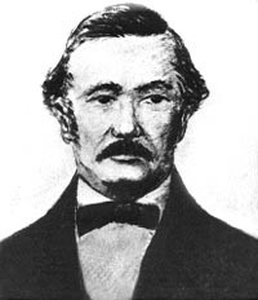
jean marie le bris
1817 - 1872 , France
Quick Facts
- Artistic Movement Or Style: Early Aviation
- Date Of Birth: 1817
- Date Of Death: 1872
- Full Name: Jean Marie Le Bris
- Nationality: French
- Notable Artworks: ['Glider Design']
- Place Of Birth: Concarnneau, France
Related Articles

Monochrome Visions: Exploring the Aesthetic & Historical Significance of Black & White Photography
Explore the rich history & artistic power of black and white photography. From early techniques to iconic masters like Ansel Adams, discover why monochrome continues to captivate art lovers today. Expert insights for collectors.

White on Canvas: 10 Masterpieces & Timeless Elegance for Your Home Decor
Explore 10 iconic white paintings by Monet, Whistler & Rothko! Discover the stories behind these serene masterpieces and their impact on art history. Find museum-quality reproductions for your home decor at .
Beyond the Lens: Photography's Enduring Influence on Modern & Contemporary Art
Explore photography's pivotal role in shaping modern & contemporary art. Discover key movements, influential artists like Stieglitz, and expert collecting advice from ArtsDot.

Timeless & Chic: Elevating Your New Home with the Sophistication of Black and White Photography
Transform your new home with the timeless allure of black and white photography. ArtsDot.com specializes in elegant monochrome decor and custom hand-painted wedding portraits that turn cherished milestones into lasting, soulful masterpieces. Elevate your space with ease.

Dark Masterpieces: 10 Iconic Paintings Dominated by Black Tones |
Explore 10 iconic paintings dominated by black tones, from Rembrandt’s chiaroscuro to Goya's dark expressions. Discover the stories behind these masterpieces & find museum-quality art reproductions for your home at .