 Preview
 Send
Send Share
Share
 Details

 Download
 Similars
 X-Ray
X-Ray Diaporama
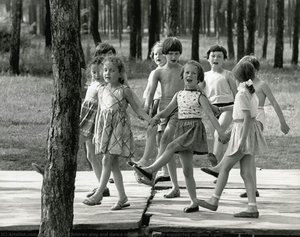
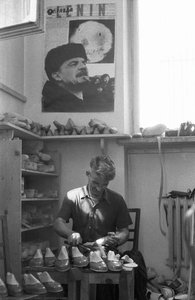
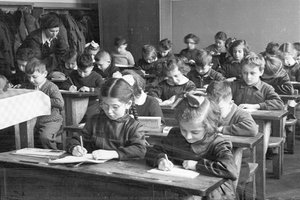
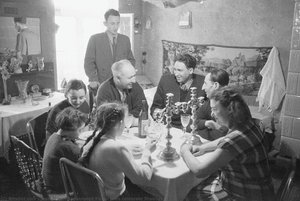
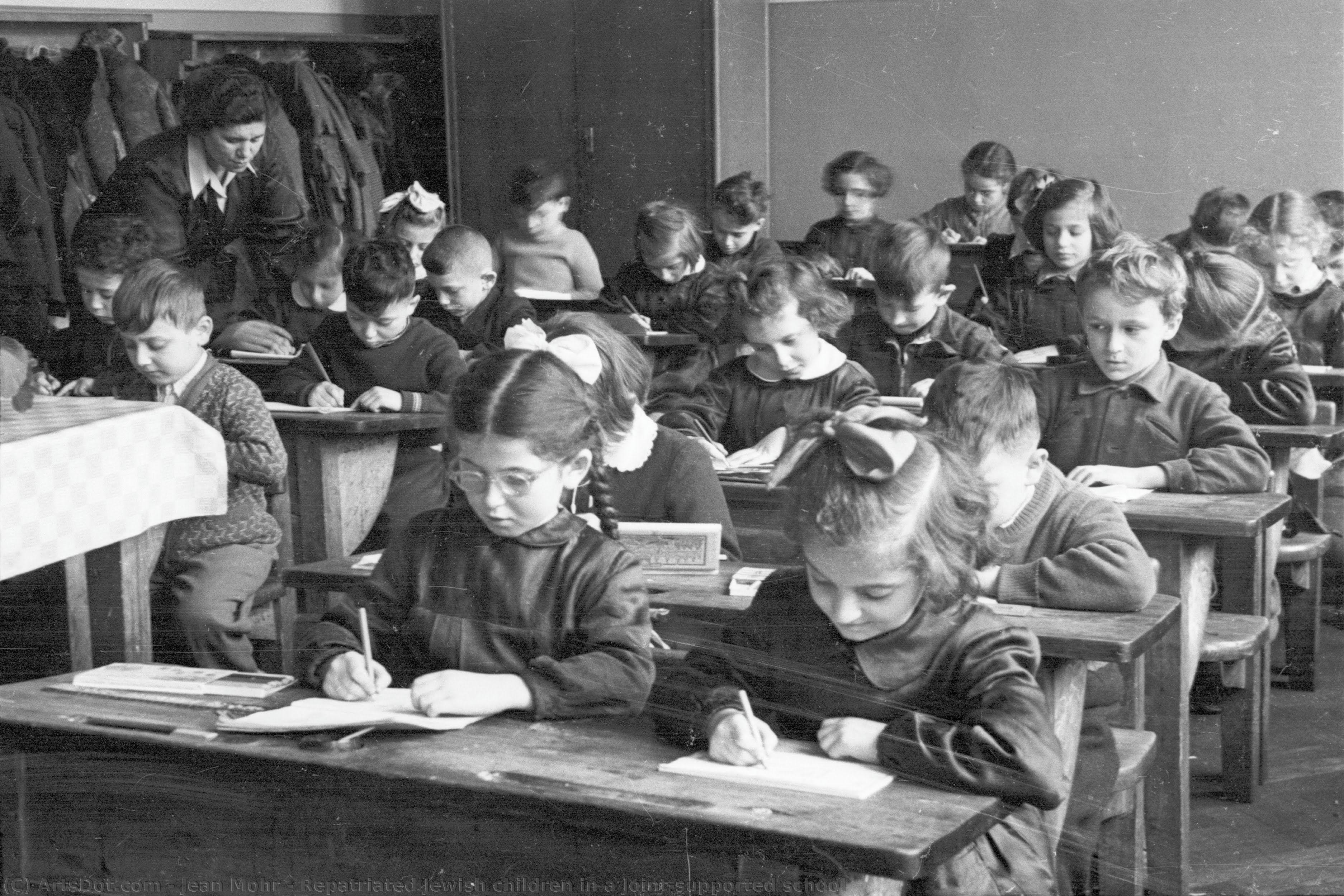
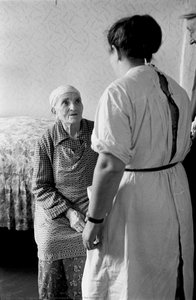
Repatriated Jewish children in a Joint-supported school


 Read More
Hand Made Oil Reproduction
Hand-painted oil on canvas in your size and frame, made to order by our artists. ( Buy Print Buy Image)




P118B $10

P118H $10

P118W $10

P438Z $10

P508JH $12

P508YH $12

P805H $10

P805Z $10

P919BZ $10

P919G $10

P919XJ $10

P959ZH $10

P968JZ $12

W106C $8

W218G $10

W218JH $8

W218Y $10

W307PJ $10

W316G $10

W316PJ $8

W316Y $10

W398PJ $8

W4111J $10

W500HY $15

W500JH $15

W692G $12

W849H $8

W940BG $15

W953PJ $8




Pick from our preset sizes that match the artwork's original proportions.

You may enter your own dimensions to fit a specific frame or space. If your selected size does not match the original image's proportions, we will either crop the artwork or extend the painting with additional hand-painted elements. A digital mockup will be sent for your approval before production begins.
Please note that the on-screen preview does not reflect the actual cropping or extension. Only the mockup will accurately show the final composition.
While custom sizes are available, we recommend selecting a dimension from the predefined list to preserve the original proportions.
After order, ArtsDot.com team will email client for instructions and provide a mockup preview
Worldwide Delivery () in 3/4 weeks instead of standard 5 weeks. (23 August). No compromise on quality.

Free Worldwide Express Shipping

High-Quality Linen Canvas

Full Shipping Insurance

Customs Tax Refund Guarantee

True Color Matching Guarantee

60-Day Return Policy (Defects Only)

100% Money-Back Guarantee

Bulk Discount Offer
 Glass option is only available in size under 110 CM

Repatriated Jewish children in a Joint-supported school
Reproduction Medium
Reproduction Size
-


Total Price
$ 263
Related Artworks
Artist Biography
Jean Mohr: A Lifelong Witness to Humanity’s Crises
Jean Mohr (13 September 1925 in Geneva, Switzerland – 3 November 2018 in Collonge-Bellerive) stands as a profoundly significant figure in the history of documentary photography. His career, spanning nearly eight decades, wasn't defined by stylistic trends or fleeting fashions but rather by an unwavering commitment to bearing witness to some of humanity’s most challenging moments – refugee crises, displacement, and the enduring struggles of Palestinian communities. Born into a family deeply affected by the rise of Nazism, Mohr’s early life instilled in him a profound respect for human dignity and a keen awareness of social injustice. This formative experience would shape his artistic trajectory, leading him to dedicate his lens to documenting those marginalized and displaced by conflict and political upheaval. He initially pursued studies in economics at Geneva University, recognizing the importance of understanding the broader societal forces that contribute to humanitarian crises, before transitioning to painting at the Académie Julian in Paris, a period that honed his observational skills and appreciation for visual storytelling. It was in 1949, however, that Mohr truly found his purpose – joining the United Nations High Commission for Refugees (UNHCR) and embarking on a career that would ultimately define his legacy.Early Career & Collaboration with John Berger
Mohr’s early work with UNHCR provided him with invaluable access to some of the world's most vulnerable populations, particularly Palestinian refugees. His initial assignments in 1949 documented the immediate aftermath of the Arab-Israeli War and the subsequent displacement of hundreds of thousands. This period established a pattern that would characterize much of his career: immersing himself within the communities he photographed, building trust over years, and capturing intimate portraits that transcended simple documentation. Crucially, Mohr’s work was often undertaken in collaboration with writer John Berger, beginning with their seminal 1967 book *A Seventh Man*. This partnership proved extraordinarily fruitful, resulting in six further volumes exploring themes of poverty, displacement, and the human condition. Berger's literary voice complemented Mohr’s photographic eye, creating a powerful synergy that elevated both artists’ work. Their collaborative projects weren’t merely photo essays; they were deeply researched investigations into social realities, employing a distinctive blend of text and image to challenge conventional narratives and foster empathy among readers. The meticulous detail evident in their books – from the careful selection of subjects to the evocative captions – reflects a shared commitment to ethical representation and a desire to give voice to those often silenced by history.Documenting Palestinian Life: A Fifty-Year Journey
Perhaps Mohr’s most enduring contribution lies in his decades-long project documenting Palestinian life, beginning with his first assignment for the International Committee of the Red Cross (ICRC) in 1949. This wasn't a fleeting engagement; it was a sustained commitment that spanned six decades and witnessed numerous conflicts – including the Six-Day War in 1967 and subsequent events. His photographs, often taken alongside his ICRC colleagues, offer an unparalleled glimpse into the daily realities of Palestinian refugees, capturing their resilience, dignity, and profound sense of loss. Mohr’s approach was remarkably consistent: he avoided sensationalism or exploitative imagery, instead focusing on portraying individuals and families within their own environments, allowing them to tell their own stories through their eyes. His images are characterized by a stark realism – often shot in black and white – that emphasizes the human cost of displacement and conflict. The resulting book *Side by Side or Face to Face* (2003), published in collaboration with the ICRC and the International Red Cross and Red Crescent Museum, stands as a monumental testament to this extraordinary undertaking, offering a poignant and deeply moving chronicle of Palestinian life over half a century.Technique & Style: A Voice of Quiet Observation
Mohr’s photographic style is remarkably understated yet profoundly effective. He eschewed elaborate staging or artificial lighting, preferring instead to capture his subjects in natural light, often using a Leica camera – a tool he considered essential for its portability and ability to produce sharp, intimate images. His compositions are typically unadorned, prioritizing clarity of focus and the emotional impact of each individual frame. He was a master of capturing fleeting moments of connection and vulnerability, revealing the humanity beneath layers of hardship. While his work is undeniably documentary in nature, it transcends mere reportage. Mohr’s photographs possess a quiet dignity and a profound sense of empathy that speaks to his deep understanding of the human condition. His ability to build trust with his subjects – often spending months or even years living alongside them – allowed him to capture authentic moments of everyday life, revealing the complexities and nuances of their experiences.Legacy & Continuing Relevance
Jean Mohr’s work remains remarkably relevant today, serving as a powerful reminder of the enduring consequences of conflict and displacement. His photographs are not simply historical records; they are deeply human stories that continue to resonate with audiences around the world. His commitment to ethical representation and his unwavering dedication to documenting marginalized communities have established him as a pioneering figure in documentary photography. The Musée de l'Élysée in Lausanne, Switzerland, houses his extensive photographic archives, ensuring that his work will be accessible for generations to come. Beyond his individual achievements, Mohr’s legacy lies in the profound impact he had on the field of documentary photography – demonstrating the power of images to foster empathy, challenge assumptions, and bear witness to the complexities of human experience. His photographs continue to inspire photographers and activists alike, reminding us of our shared responsibility to advocate for justice and compassion in a world often marked by conflict and suffering.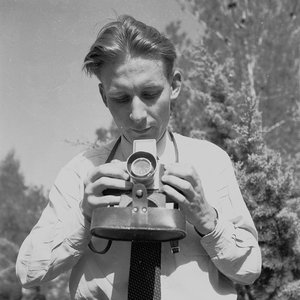
Jean Mohr
1925 - 2018 , Switzerland
Quick Facts
- Artistic Movement Or Style: Documentary photography
- Artists Or Movements Influenced By This Artist: ['John Berger']
- Artists Who Influenced This Artist: ['Sebastião Salgado']
- Date Of Birth: September 13, 1925
- Date Of Death: November 3, 2018
- Full Name: Jean Mohr
- Nationality: Swiss
- Notable Artworks:
- In a Joint-supported home
- Repatriated Jewish children
- Place Of Birth: Geneva, Switzerland
Related Articles

Beyond the Lens: Photography's Enduring Influence on Modern & Contemporary Art
Explore photography's pivotal role in shaping modern & contemporary art. Discover key movements, influential artists like Stieglitz, and expert collecting advice from ArtsDot.

Monochrome Visions: Exploring the Aesthetic & Historical Significance of Black & White Photography
Explore the rich history & artistic power of black and white photography. From early techniques to iconic masters like Ansel Adams, discover why monochrome continues to captivate art lovers today. Expert insights for collectors.

Pictorialism: A Search for Artistic Photography's Soul – Aesthetics, Techniques & Legacy
Explore the captivating world of Pictorialism – a pivotal movement that transformed photography into fine art. Discover key artists like Stieglitz & Käsebier, techniques, and collecting tips from experts.
Witnessing History Through Lens & Light: Documentary Photography's Enduring Legacy
Explore the powerful history of documentary photography – from its origins to contemporary masters like Gordon Parks & W. Eugene Smith. Discover how this art form shapes our understanding of society and witness pivotal moments in time.
Documentary Photography's Defining Moments: 10 Masterpieces for Your Home |
Explore 10 defining documentary photography masterpieces – from Dorothea Lange to Robert Capa. Discover powerful stories, iconic images & timeless art for your home. Museum-quality prints at .