 Preview
 Send
Send Share
Share
 Details

 Download
 Similars
 X-Ray
X-Ray Diaporama
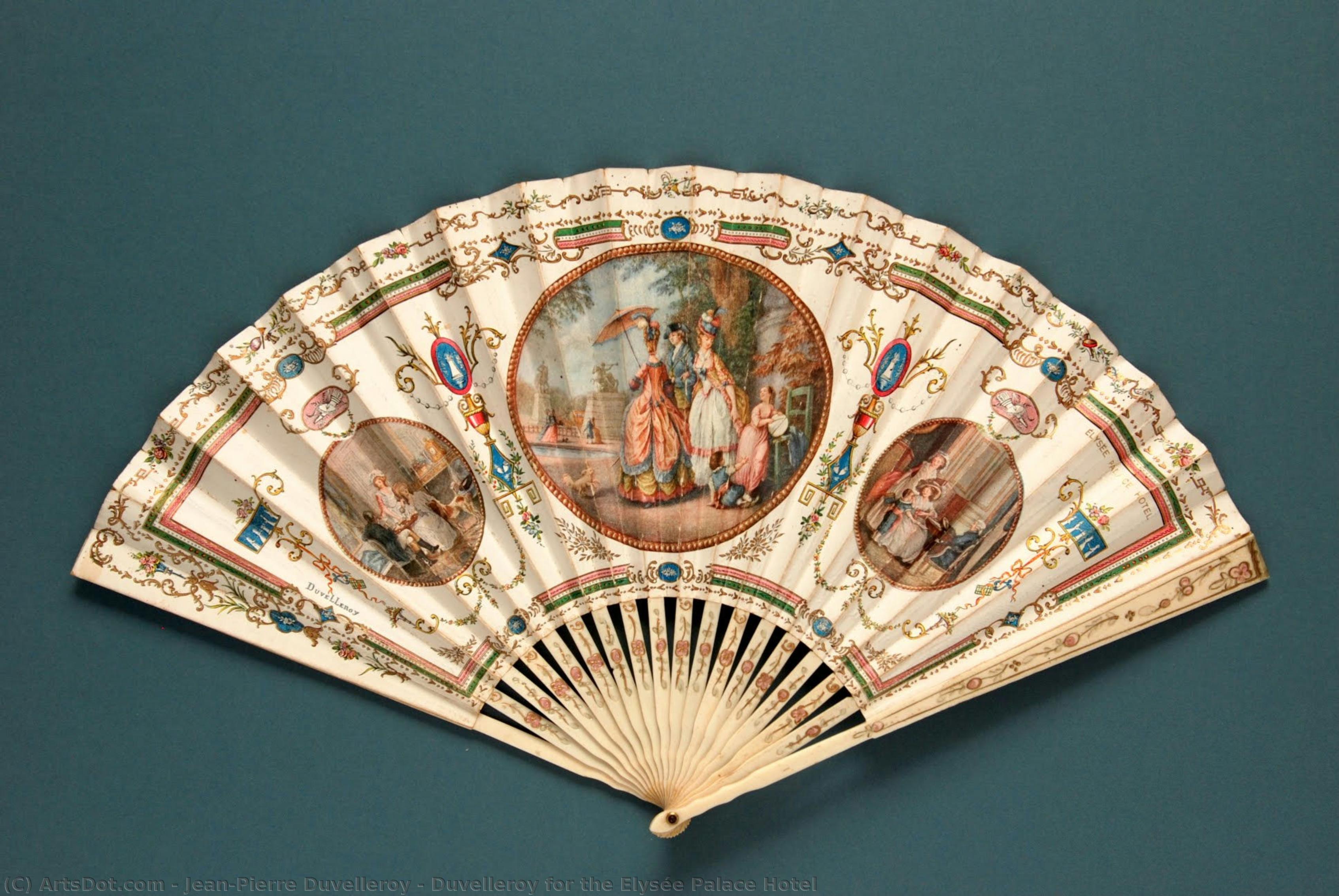
Duvelleroy for the Elysée Palace Hotel


 Read More
Hand Made Oil Reproduction
Hand-painted oil on canvas in your size and frame, made to order by our artists. ( Buy Print Buy Image)




































Pick from our preset sizes that match the artwork's original proportions.

You may enter your own dimensions to fit a specific frame or space. If your selected size does not match the original image's proportions, we will either crop the artwork or extend the painting with additional hand-painted elements. A digital mockup will be sent for your approval before production begins.
Please note that the on-screen preview does not reflect the actual cropping or extension. Only the mockup will accurately show the final composition.
While custom sizes are available, we recommend selecting a dimension from the predefined list to preserve the original proportions.
After order, ArtsDot.com team will email client for instructions and provide a mockup preview
Worldwide Delivery () in 3/4 weeks instead of standard 5 weeks. (17 August). No compromise on quality.

Free Worldwide Express Shipping

High-Quality Linen Canvas

Full Shipping Insurance

Customs Tax Refund Guarantee

True Color Matching Guarantee

60-Day Return Policy (Defects Only)

100% Money-Back Guarantee

Bulk Discount Offer
 Glass option is only available in size under 110 CM

Duvelleroy for the Elysée Palace Hotel
Reproduction Medium
Reproduction Size
-


Total Price
$ 363
Artwork Description
Related Artworks
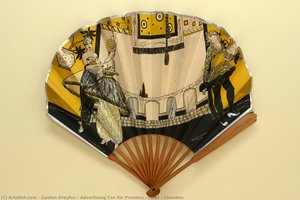
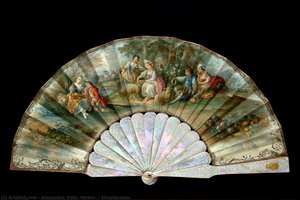
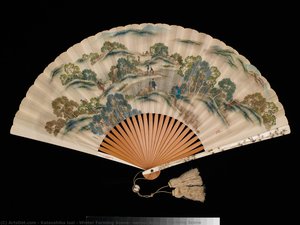
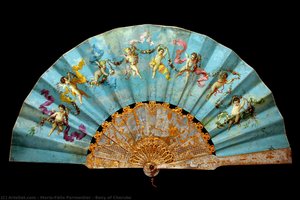
Artist Biography
George Romney: The Painter of Society
George Romney, born on December 26th, 1734, in the small village of Beckside near Barrow-in-Furness, Lancashire, was a figure who profoundly shaped the visual landscape of Georgian England. He wasn’t a formally trained academic artist; instead, his talent blossomed through a combination of innate ability and a keen observation of human nature – particularly as it manifested within the vibrant world of London society. Romney's life story is one of remarkable transformation, moving from humble beginnings as the son of a cabinet maker to becoming the most fashionable painter of his day, capturing the elegance and social intricacies of an era. His legacy rests not just on technical skill but on his ability to portray individuals with a captivating sense of realism and charm, making him a pivotal figure in the development of British portraiture.Early Life and Artistic Beginnings
Romney’s early years were far removed from the world he would later depict. Raised in a modest cottage – now known as Romney Cottage – he received an informal education, largely through self-directed study and the tutelage of local artisans like John Williamson, a watchmaker who recognized his artistic potential. At the age of eleven, he was apprenticed to his father’s cabinet making business, a pragmatic decision that temporarily halted his artistic pursuits. However, this didn't extinguish his passion; he continued to draw in secret, honing his skills and developing an eye for detail. A pivotal moment arrived when, at twenty-one, he journeyed to Kendal, seeking formal training under Christopher Steele, a respected portraitist who had once studied with the renowned French artist Carle Vanloo. This apprenticeship, though ultimately dissolved due to Romney’s desire for independence, provided him with crucial technical foundations and exposed him to established artistic conventions. His early life was marked by a quiet determination, fueled by an ambition to escape his provincial origins and establish himself as a recognized artist in London.London and the Rise of a Society Painter
In 1757, Romney embarked on what would become a defining chapter of his career – a move to London. He quickly established himself within the fashionable circles of the city, attracting commissions from wealthy patrons eager to have their likenesses captured by this rising star. Unlike many artists who relied solely on aristocratic patronage, Romney cultivated relationships with a broader range of clients, including merchants, lawyers, and even members of the theatre world. This diverse clientele allowed him to gain a comprehensive understanding of London society – its manners, customs, and social dynamics. His most enduring association was undoubtedly with Emma Hamilton, a captivating beauty who became his muse and mistress. Their relationship, documented in numerous paintings, provided Romney with unparalleled access to the heart of Georgian high society, offering him a unique insight into the lives and personalities of his subjects. He wasn’t merely painting portraits; he was documenting an entire social world.Technique and Style
Romney's artistic style is characterized by its remarkable naturalism and psychological depth. He eschewed the stiff formality often associated with portraiture, instead favoring a relaxed and engaging approach. His subjects are depicted in informal settings – at their desks, playing musical instruments, or engaged in everyday activities – capturing their personalities with subtle gestures and expressions. Romney’s use of light and shadow is particularly noteworthy, creating a sense of atmosphere and revealing the textures of clothing and skin. He was a master of capturing fleeting moments, imbuing his paintings with a vibrant energy and immediacy. His brushwork is loose and expressive, contributing to the overall feeling of spontaneity and realism. While influenced by the prevailing artistic trends of the time, Romney developed a distinctly individual style that prioritized observation and human connection over rigid academic rules.Legacy and Influence
George Romney’s impact on British art is considerable. He elevated portraiture to a new level of social significance, transforming it from a formal exercise in representation into a means of capturing the essence of individual character and social status. His paintings offer invaluable insights into Georgian society, providing a vivid glimpse into the lives and customs of an era. His influence can be seen in the work of subsequent generations of British artists, including Edwin Henry Landseer, who admired Romney’s ability to depict animals with remarkable realism and emotional sensitivity. Romney's legacy extends beyond his artistic achievements; he is remembered as a pioneering figure who challenged conventional notions of artistry and demonstrated the power of observation and empathy in creating compelling works of art. His paintings continue to be celebrated for their beauty, charm, and enduring appeal, ensuring that George Romney’s contribution to British art history remains firmly secure.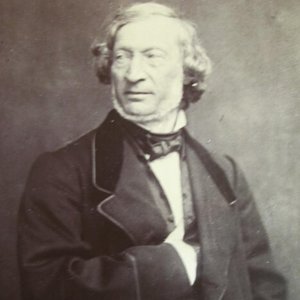
jean-pierre duvelleroy
1802 - 1889 , France
Quick Facts
- Artistic Movement Or Style: Romanticism, Animal Painting
- Artists Or Movements Influenced By This Artist:
- George Romney
- Victorian Painting
- Artists Who Influenced This Artist:
- Carle Vanloo
- Edward Dayes
- Date Of Birth: 7 March 1802
- Date Of Death: 1 October 1873
- Full Name: Edwin Henry Landseer
- Nationality: English
- Notable Artworks:
- The Old Shepherd's Chief Mourner
- Dignity and Impudence
- The Monarch of the Glen
- Place Of Birth: London, England
Related Articles

Rococo's Radiant Legacy: 10 Masterpieces for Your Home |
Indulge in the elegance of Rococo! Explore 10 masterpieces by Fragonard, Boucher & Watteau. Discover the stories behind these iconic paintings and bring timeless art to your home with museum-quality reproductions from .

The Rococo Aesthetic: Opulence, Rebellion & the Pursuit of Pleasure in 18th-Century Art
Explore the opulent world of Rococo art! Discover its origins, key artists like Watteau & Boucher, and lasting influence on design. Expert insights for collectors & enthusiasts.

From Digital Dreams to Tangible Treasures: The Rise of Modern Fan Art
Explore the vibrant world of modern fan art! Discover its evolution, cultural impact, and growing market. From digital creations to commissioned pieces, we delve into the artistry & passion driving fandoms today.
The Allure of Elegance in Art: A Historical & Aesthetic Exploration of Refinement & Grace
Explore the exquisite world of Rococo art! Discover its history, masters (Watteau, Boucher & more), and defining elegance. Expert insights for collectors seeking museum-quality reproductions & custom portraits.
Echoes of Time: Nostalgia, Technique & Cultural Significance in Vintage Paintings
Explore the captivating world of vintage paintings! Discover key styles, cultural significance & collecting tips from art experts at ArtsDot. Find authentic reproductions and elevate your home décor.