 Preview
 Send
Send Share
Share
 Details

 Download
 Similars
 X-Ray
X-Ray Diaporama
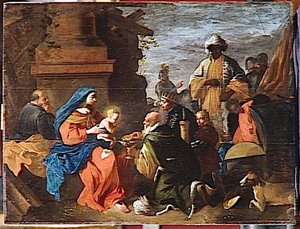
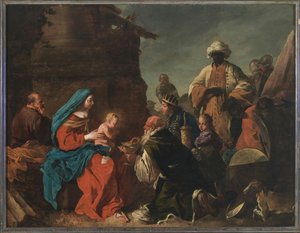
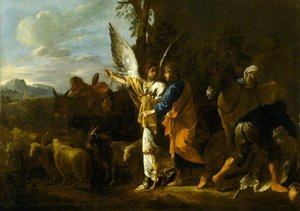
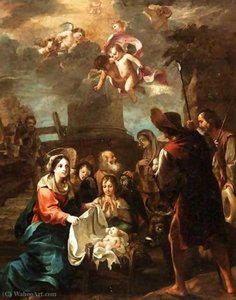
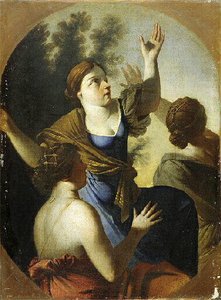
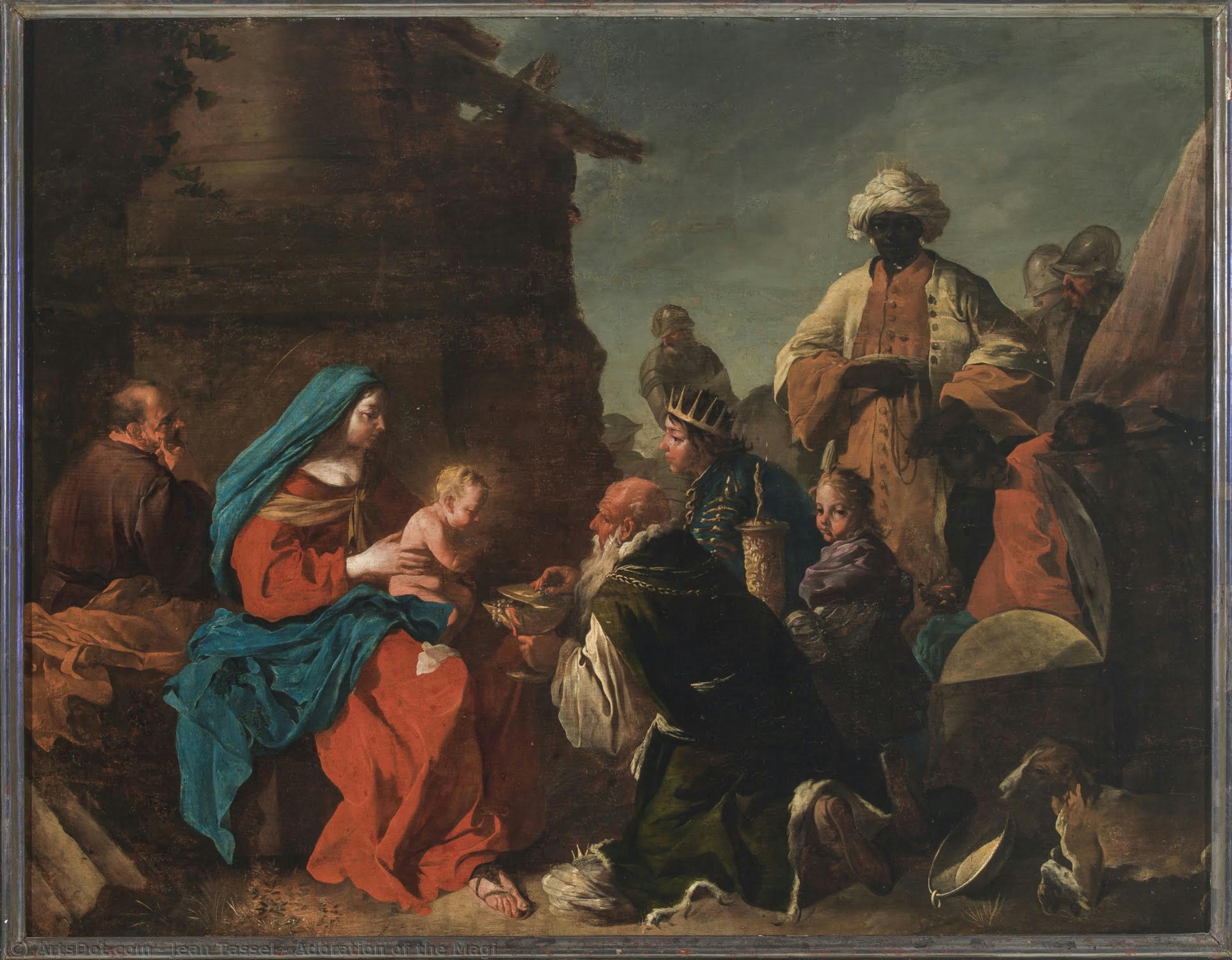
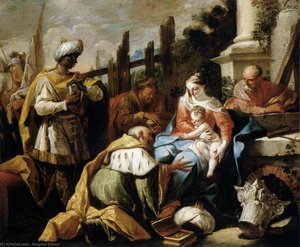
Adoration of the Magi

 Read More
Hand Made Oil Reproduction
Hand-painted oil on canvas in your size and frame, made to order by our artists. ( Buy Print Buy Image)




































Pick from our preset sizes that match the artwork's original proportions.

You may enter your own dimensions to fit a specific frame or space. If your selected size does not match the original image's proportions, we will either crop the artwork or extend the painting with additional hand-painted elements. A digital mockup will be sent for your approval before production begins.
Please note that the on-screen preview does not reflect the actual cropping or extension. Only the mockup will accurately show the final composition.
While custom sizes are available, we recommend selecting a dimension from the predefined list to preserve the original proportions.
After order, ArtsDot.com team will email client for instructions and provide a mockup preview
Worldwide Delivery () in 3/4 weeks instead of standard 5 weeks. (22 August). No compromise on quality.

Free Worldwide Express Shipping

High-Quality Linen Canvas

Full Shipping Insurance

Customs Tax Refund Guarantee

True Color Matching Guarantee

60-Day Return Policy (Defects Only)

100% Money-Back Guarantee

Bulk Discount Offer
 Glass option is only available in size under 110 CM

Adoration of the Magi
Reproduction Medium
Reproduction Size
-


Total Price
$ 263
Artwork Description
Related Artworks






Artist Biography
A Quiet Master of French Classicism: The Life and Art of Jean Tassel
Born in the picturesque city of Langres, France, in 1608, Jean Tassel emerged from a period steeped in artistic transition. While not a name immediately recognized alongside the giants of the High Renaissance or Baroque movements, Tassel occupies a fascinating niche as a skilled practitioner and subtle innovator within the evolving landscape of French Classicism. His life, though relatively undocumented compared to his more celebrated contemporaries, reveals a dedication to refined portraiture and an astute understanding of form and character that resonated with the aristocratic circles of 17th-century France. The early decades of the 17th century saw France striving to define its own artistic identity, moving away from the overt drama of Italian Mannerism towards a more restrained elegance – a direction Tassel wholeheartedly embraced. Little is known about his formal training; however, the quality and sophistication of his work suggest an apprenticeship under a capable master, likely within Langres or perhaps a sojourn in one of the larger artistic centers like Dijon.The Portraitist of Provincial Nobility
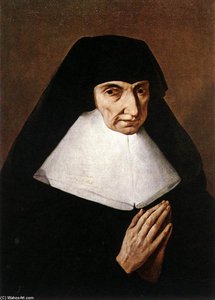
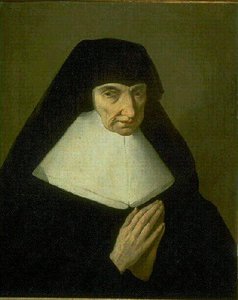
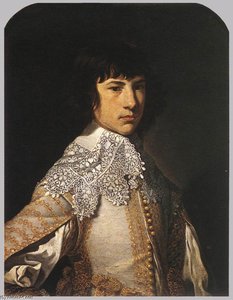
Tassel’s oeuvre is primarily comprised of portraits, predominantly depicting members of the regional nobility and burgeoning bourgeoisie of eastern France. This focus wasn't born of limitation but rather a deliberate choice. He became highly sought after for his ability to capture not merely likenesses, but also the *essence* of his sitters – their social standing, intellectual curiosity, and inner lives. Unlike some portraitists who emphasized ostentatious displays of wealth through elaborate costumes and settings, Tassel favored a more intimate approach. His portraits are characterized by subtle gradations of light and shadow, meticulously rendered fabrics, and an unwavering attention to detail in the depiction of facial features. He possessed a remarkable talent for conveying texture – the sheen of silk, the weight of velvet, the delicate flush of skin. These qualities made his work particularly appealing to patrons who valued discretion and understated elegance. While he did not produce grand historical or mythological scenes, Tassel elevated portraiture to an art form that spoke volumes about the values and aspirations of a specific social class during a pivotal period in French history.Influences and Artistic Development
Identifying direct influences on Tassel’s style is a nuanced undertaking. The prevailing artistic currents of his time – the works of Anthony van Dyck, who spent significant periods painting at the French court, and the emerging Classicism championed by artists like Nicolas Poussin – undoubtedly shaped his aesthetic sensibilities. However, Tassel didn't simply imitate these masters; he synthesized their lessons with a distinctly personal vision. Early works reveal a certain debt to Van Dyck’s fluid brushwork and elegant poses, but as his career progressed, Tassel developed a more restrained palette and a greater emphasis on psychological realism. His portraits began to exhibit a quiet dignity and intellectual depth that set them apart from the more flamboyant styles of his predecessors. He also appears to have been influenced by the growing interest in scientific observation during the 17th century, as evidenced by the anatomical accuracy and meticulous rendering of detail in his work.Major Achievements and Lasting Legacy
While Tassel may not be a household name, his contributions to French art are significant. He established himself as one of the leading portraitists of eastern France, leaving behind a substantial body of work that provides invaluable insights into the lives and customs of the regional aristocracy. His ability to capture both physical likeness and psychological depth was highly praised by his contemporaries. Furthermore, Tassel’s emphasis on understated elegance and refined technique helped pave the way for the development of French Rococo portraiture in the 18th century. His paintings are not merely historical documents; they are compelling works of art that continue to captivate viewers with their beauty, subtlety, and emotional resonance. Though he passed away in 1667, his legacy lives on through the numerous portraits that grace private collections and museums, offering a glimpse into a world of quiet dignity and artistic mastery.Rediscovering Jean Tassel: A Modern Appreciation
For centuries, Jean Tassel remained largely overlooked by art historians, overshadowed by more prominent figures. However, recent scholarship has begun to shed light on his remarkable talent and significant contributions to French Classicism.- His portraits offer a unique window into the lives of the provincial nobility.
- The meticulous detail and subtle psychological depth of his work are increasingly recognized for their artistic merit.
- Tassel’s influence on subsequent generations of French portraitists is becoming more apparent.
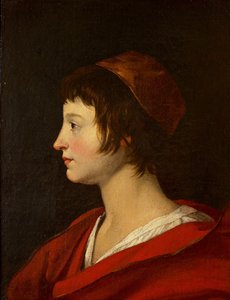
jean tassel
1608 - 1667 , France