 Preview
 Send
Send Share
Share
 Details

 Download
 Similars
 X-Ray
X-Ray Diaporama
Untitled (D7U73X)


 Read More
Giclée / Art Print
Museum-quality giclée or canvas print with fast production and flexible finish options. ( Buy Hand Made Painting Buy Image)




































Pick from our preset sizes that match the artwork's original proportions.

You may enter your own dimensions to fit a specific frame or space. If your selected size does not match the original image's proportions, we will either crop the artwork or extend the image with a mirrored or solid-fill edge. A digital mockup will be sent for your approval before production begins.
Please note that the on-screen preview does not reflect the actual cropping or extension. Only the mockup will accurately show the final composition.
While custom sizes are available, we recommend selecting a dimension from the predefined list to preserve the original proportions.
Worldwide Delivery () in 2 weeks instead of standard 4/5 weeks. (25 August)

Free Worldwide Express Shipping

High-Quality Linen Canvas

Full Shipping Insurance

Customs Tax Refund Guarantee

True Color Matching Guarantee

60-Day Return Policy (Defects Only)

100% Money-Back Guarantee

Bulk Discount Offer
 Glass option is only available in size under 110 CM

Untitled (D7U73X)
Giclée / Art Print
Reproduction Size
-


Total Price
$ 63
Collectible Description
Related Artworks
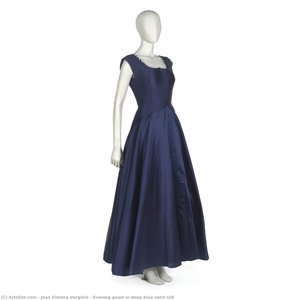
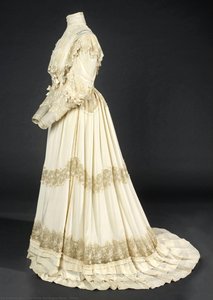
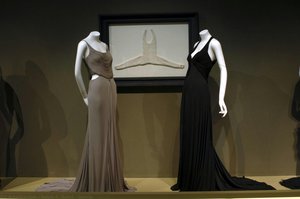
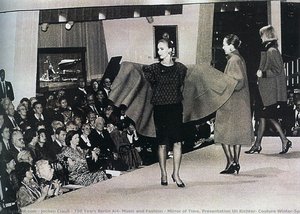
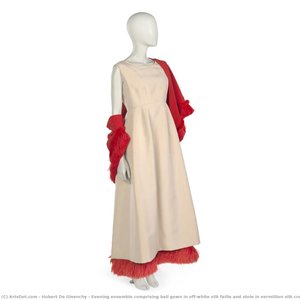
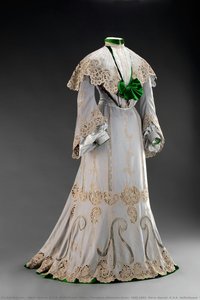
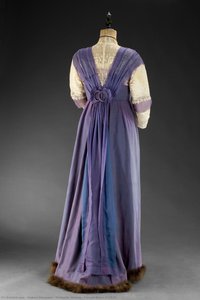
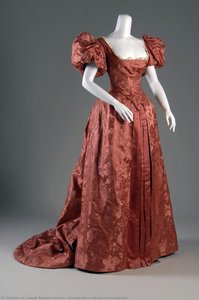
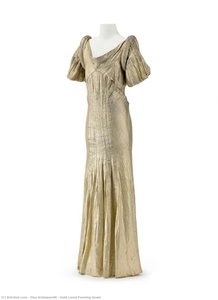
Artist Biography
The Architect of Elegance: The Life and Legacy of Madame Paquin
In the shimmering twilight of the Belle Époque, a transformative force emerged from the outskirts of Paris to redefine the very essence of femininity and fashion. Jeanne Marie Charlotte Beckers, known to the world with reverence as Madame Paquin, was far more than a mere dressmaker; she was a visionary architect of style who dismantled the rigid structures of the Victorian era to pave the way for modern couture. Born in 1869 in Saint-Denis, her journey began not in the gilded salons of high society, but through the disciplined hands of a young apprentice. Driven by an indomitable spirit and a meticulous eye for detail, she navigated the competitive landscape of Parisian ateliers, absorbing the intricate techniques of craftsmanship that would later become the foundation of her revolutionary empire.
The establishment of Maison Paquin marked a radical departure from the patriarchal traditions of the nineteenth-century fashion industry. At a time when the business of couture was almost exclusively dominated by men, Beckers asserted her independence, founding her house with an audacity that signaled the dawn of the female entrepreneur. Her early work was characterized by a profound sensitivity to the changing social tides, as she began to move away from the suffocating corsetry of the past toward silhouettes that embraced movement and grace. This evolution was deeply intertwined with the artistic currents of her era, most notably Japonisme. By integrating the flowing lines, asymmetrical drapery, and subtle, sophisticated embellishments inspired by Japanese art, she introduced a sense of exoticism and lightness that captivated the European aristocracy.
A Symphony of Fabric and Innovation
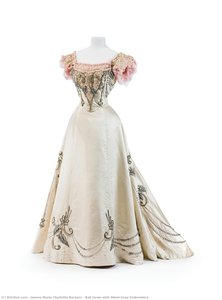
To examine a Paquin creation is to witness a masterclass in texture and tonal harmony. Her designs often functioned as wearable poetry, blending the opulence of the Fin de Siemuan with a burgeoning modernism. One might encounter a ball gown that utilizes a short, richly embroidered bodice paired with an expansive bell-jar skirt, where garlands of grey artificial pearls dance across silk voile like sea foam. She possessed an unparalleled ability to coordinate pastel palettes—reeds of green, soft pinks, and ivory—to create garments that felt both ethereal and grounded in luxury. Her technical mastery allowed her to manipulate light through layers of silk tulle and lace, ensuring that every movement of the wearer produced a subtle, captivating shimmer.
Beyond the mere aesthetic beauty of her gowns, Paquin’s work represented a significant sociological shift. As women began to seek greater liberation in their daily lives, her designs responded by prioritizing comfort alongside elegance. She understood that the modern woman required clothing that reflected her newfound agency. This period of her development saw her collaborating with the great artistic minds of her time, such as Aubrey Beardsley, further blurring the lines between high fashion and fine art. Her ability to dress royalty, prominent actresses, and the social elite ensured that Maison Paquin became a global symbol of French prestige and avant-garde sophistication.
The Enduring Silhouette of a Pioneer
The historical significance of Jeanne Paquin cannot be overstated; she was a pioneer who bridged the gap between the ornamental excesses of the nineteenth century and the streamlined functionalism of the twentieth. Her legacy resides not only in the preserved archives of haute couture but in the very concept of the independent female designer. She proved that a woman could command an international fashion house, managing both the creative artistry and the complex business of a global brand. Through her innovations, she helped transition the female silhouette from a state of restriction to one of fluid, modern expression.
As we reflect on her life, which concluded in Paris in 1936, we see a legacy defined by several key pillars:
- The Democratization of Elegance: While catering to the elite, her influence trickled down through the adoption of her revolutionary silhouettes across the fashion world.
- Artistic Integration: Her seamless blending of Art Nouveau curves and Japonisme motifs into wearable art.
- Entrepreneurial Courage: Breaking the glass ceiling of the Parisian couture industry to establish one of the most successful female-led houses in history.
Madame Paquin remains a monumental figure, an artist whose medium was silk and lace, and whose masterpiece was the modern woman herself.
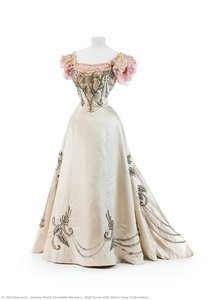
jeanne marie charlotte beckers
1869 - 1936 , France
Quick Facts
- Artistic Movement Or Style: Modern Couture Style
- Date Of Birth: Saint-Denis, France (1869)
- Full Name: Jeanne Marie Charlotte Beckers
- Nationality: French
- Notable Artworks:
- Ball Gown with Silver-Grey Embroidery
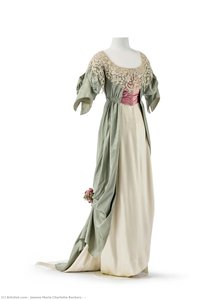
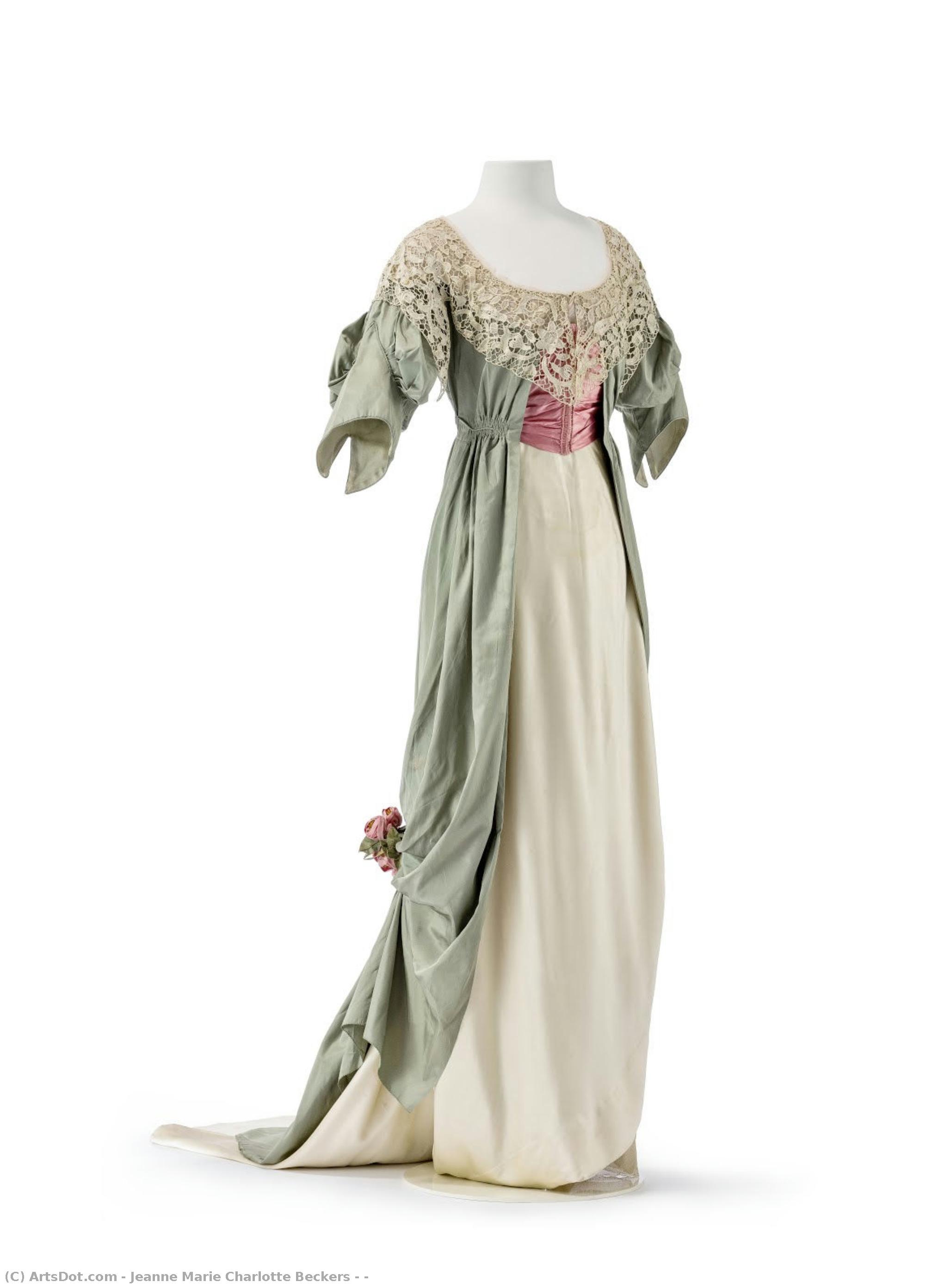
- Untitled (D7U73X)
- Place Of Birth: Saint-Denis
Related Articles
Gianfranco Ferré: Deconstructing Haute Couture – A Legacy of Architectural Form
Explore the revolutionary world of Gianfranco Ferré, 'the architect of fashion.' Discover his architectural approach to haute couture, iconic Dior designs, and lasting influence on luxury style. A deep dive for collectors & enthusiasts.
Draped Narratives: Fashion as Symbol & Subject in Historical Art
Explore the fascinating history of fashion as a symbol of power & status in art! Discover masterpieces from Gainsborough to Tissot and learn how clothing shaped societal narratives. Find museum-quality reproductions at ArtsDot.
Cristóbal Balenciaga: Deconstructing Haute Couture's Architectural Legacy
Explore the revolutionary world of Cristóbal Balenciaga, the 'couturier's couturier'. Discover his architectural designs, lasting influence on haute couture, and guide to collecting rare pieces. A connoisseur’s resource.
Echoes of Time: Nostalgia, Technique & Cultural Significance in Vintage Paintings
Explore the captivating world of vintage paintings! Discover key styles, cultural significance & collecting tips from art experts at ArtsDot. Find authentic reproductions and elevate your home décor.
Mariano Fortuny: A Fusion of Art, Fashion & Design – Exploring a Venetian Innovator's Legacy
Explore the captivating world of Mariano Fortuny – artist, designer & innovator. Discover his revolutionary textiles, iconic Delphos gown, and lasting influence on art, fashion & interiors. A collector's guide to a Venetian master.