 Preview
 Send
Send Share
Share
 Details

 Download
 Similars
 X-Ray
X-Ray Diaporama
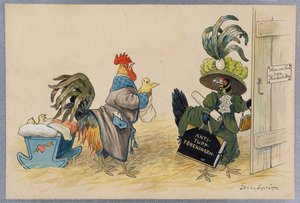
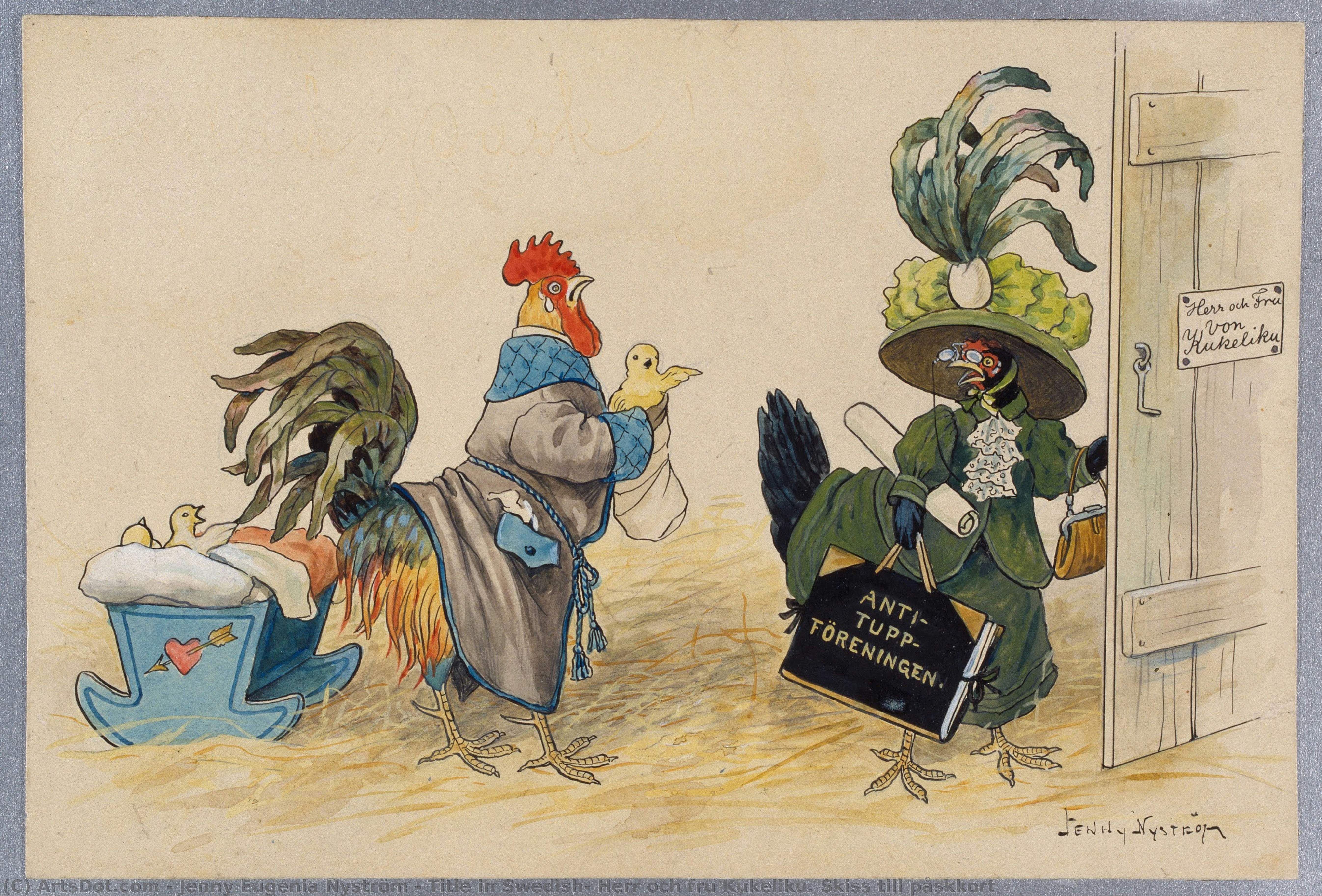
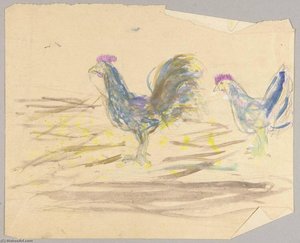
Title in Swedish: Herr och fru Kukeliku. Skiss till påskkort
 Illustration
- WallArt
- Illustration
 1909
1909- 19th Century
 237.0 x 160.0 cm
 Nationalmuseum
 Read More
Hand Made Oil Reproduction
Hand-painted oil on canvas in your size and frame, made to order by our artists. ( Buy Print Buy Image)




P118B $10

P118H $10

P118W $10

P438Z $10

P508JH $12

P508YH $12

P805H $10

P805Z $10

P919BZ $10

P919G $10

P919XJ $10

P959ZH $10

P968JZ $12

W106C $8

W218G $10

W218JH $8

W218Y $10

W307PJ $10

W316G $10

W316PJ $8

W316Y $10

W398PJ $8

W4111J $10

W500HY $15

W500JH $15

W692G $12

W849H $8

W940BG $15

W953PJ $8




Pick from our preset sizes that match the artwork's original proportions.

You may enter your own dimensions to fit a specific frame or space. If your selected size does not match the original image's proportions, we will either crop the artwork or extend the painting with additional hand-painted elements. A digital mockup will be sent for your approval before production begins.
Please note that the on-screen preview does not reflect the actual cropping or extension. Only the mockup will accurately show the final composition.
While custom sizes are available, we recommend selecting a dimension from the predefined list to preserve the original proportions.
After order, ArtsDot.com team will email client for instructions and provide a mockup preview
Worldwide Delivery () in 3/4 weeks instead of standard 5 weeks. (28 August). No compromise on quality.

Free Worldwide Express Shipping

High-Quality Linen Canvas

Full Shipping Insurance

Customs Tax Refund Guarantee

True Color Matching Guarantee

60-Day Return Policy (Defects Only)

100% Money-Back Guarantee

Bulk Discount Offer
 Glass option is only available in size under 110 CM

Title in Swedish: Herr och fru Kukeliku. Skiss till påskkort
Reproduction Medium
Reproduction Size
-


Total Price
$ 263
Related Artworks
Artist Biography
John Martin: Architect of the Sublime
Born in 1789 amidst the burgeoning artistic landscape of Northumberland, England, John Martin’s life and career were inextricably linked to the rise of Romanticism – a movement that sought to evoke powerful emotions through dramatic imagery and an intense engagement with nature. His early years, spent largely outside London, instilled within him a deep appreciation for the rugged beauty of the English countryside, a theme that would profoundly shape his artistic vision. Martin’s apprenticeship as a heraldic painter provided a foundational understanding of composition and detail, skills he later adapted to create his monumental, often overwhelming, scenes.
Martin's formal training was somewhat unconventional. Rather than pursuing traditional academic routes, he apprenticed first with a coachbuilder in Newcastle upon Tyne, learning the meticulous craft of heraldic painting – a discipline demanding precision and an understanding of symbolism. This experience proved invaluable when he later secured an apprenticeship with Boniface Musso, an Italian artist specializing in enamel work, providing him with exposure to European artistic techniques and broadening his visual vocabulary. His family history was also notable; his brothers included William Martin, a philosopher and inventor, Richard, a soldier who fought in the Peninsular War, and Jonathan, a troubled figure responsible for the devastating fire at York Minster – a stark reminder of the darker aspects of human nature that often permeated Martin’s work.
The Rise of a Romantic Vision
Martin's artistic journey truly began in 1810 when he submitted his first oil painting to the Royal Academy. While initially rejected, it was eventually accepted and exhibited under the title “A Landscape Composition.” This marked the beginning of a prolific career characterized by large-scale, emotionally charged works that captivated the public imagination. His style quickly evolved, moving beyond mere landscape depiction to encompass dramatic narratives drawn from biblical stories, classical mythology, and the supernatural. He wasn’t simply painting scenes; he was constructing immersive experiences for the viewer – vast, atmospheric landscapes populated with colossal figures rendered in miniature, creating a sense of awe and terror.
Martin's paintings were particularly successful due to their appeal to the burgeoning Romantic sensibility. The emphasis on emotion over reason, the fascination with the sublime—that feeling of overwhelming grandeur and terror evoked by nature—and the exploration of dark themes resonated deeply with audiences. His work was frequently compared to that of Claude Lorrain, a 17th-century landscape painter known for his idealized scenes, but Martin’s paintings possessed a distinctly darker, more unsettling quality. He deliberately employed dramatic lighting, turbulent skies, and colossal structures to create an atmosphere of intense drama and psychological impact.
Key Works and Techniques
Several works stand out as exemplifying Martin's unique artistic vision. *Belshazzar’s Feast* (1819), depicting the apocalyptic scene from the Book of Daniel, is arguably his most famous painting, renowned for its dramatic lighting, swirling smoke, and sense of impending doom. *The Last Judgement* (1823-24) similarly captures a moment of cataclysmic upheaval, while *The Plains of Heaven* (1819-20) presents a vision of the apocalypse with an almost unbearable intensity. These paintings were not merely decorative; they were carefully constructed narratives designed to provoke profound emotional responses in the viewer.
Martin’s mastery extended beyond painting. He was also a skilled engraver, producing meticulously detailed prints from his own compositions that further disseminated his artistic vision. His engravings of *The Deluge* (1837) and other biblical scenes achieved immense popularity, contributing significantly to his fame and influence. The process of engraving allowed him to refine his compositional ideas and create highly polished reproductions of his paintings, making them accessible to a wider audience.
Legacy and Critical Reception
Despite his initial success, Martin faced considerable criticism from some of the most influential critics of his time, including John Ruskin. Ruskin famously denounced Martin’s work as “a mere collection of monstrous forms,” arguing that it lacked moral substance and relied solely on superficial spectacle. However, Martin's popularity with the public remained undiminished. He was recognized by several European academies for his artistic achievements, receiving honorary membership from the French Academy and knighthood from the Belgian Order of Leopold.
John Martin died in 1854 on the Isle of Man, leaving behind a legacy as one of the most important figures of the Romantic era. His paintings continue to captivate viewers with their dramatic intensity, evocative atmosphere, and profound exploration of human experience. He remains an influential artist whose work continues to inspire awe and wonder, solidifying his place as the architect of the sublime in 19th-century art.
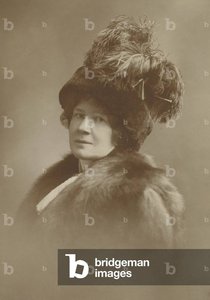
jenny eugenia nyström
1854 - 1946 , Sweden
Quick Facts
- Artistic Movement Or Style: Romanticism
- Artists Or Movements Influenced By This Artist: [['Ruskin']]
- Artists Who Influenced This Artist: [['Boniface Musso']]
- Date Of Birth: 19 July 1789
- Date Of Death: 17 February 1854
- Full Name: John Martin
- Nationality: English
- Notable Artworks:
- Belshazzar's Feast
- The Last Judgement
- Plains of Heaven
- Place Of Birth: Haydon Bridge, UK
Related Articles
Feathered Visions: A Historical & Artistic Exploration of Birds in Painting
Explore the rich history of birds in painting! Discover symbolism, artistic movements & master artists like Audubon. High-quality reproductions available at ArtsDot.

Echoes of Tradition: Exploring the Enduring Legacy of Folk Art Movements
Explore the rich history of folk art movements worldwide! Discover definitions, notable artists, and the enduring legacy of this captivating tradition. Expert insights & high-quality reproductions at ArtsDot.
Johan Krouthén: Navigating Swedish Romanticism Through Landscape & Light
Explore the captivating landscapes of Johan Krouthén, a Swedish artist who broke from tradition to embrace realism & idealism. Discover his technique, influences, and legacy with ArtsDot.
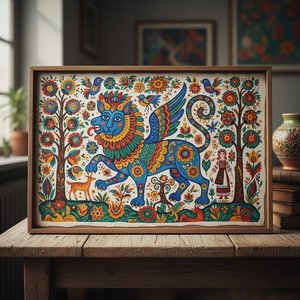
Maria Primachenko: A Legacy of Ukrainian Folk Art & Naive Expression
Discover the captivating world of Maria Primachenko, Ukraine's celebrated naive artist. Explore her vibrant paintings, unique style, and enduring legacy with ArtsDot – your source for authentic art insights & reproductions.
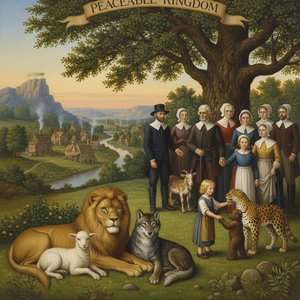
Edward Hicks’ ‘Peaceable Kingdom’: American Folk Art & the Shaping of a National Identity
Explore the profound symbolism & historical context of Edward Hicks’ ‘Peaceable Kingdom.’ Discover how this iconic American folk art masterpiece reflects Quaker values and shaped a nation's identity. Learn more at ArtsDot.