 Preview
 Send
Send Share
Share
 Details

 Download
 Similars
 X-Ray
X-Ray Diaporama
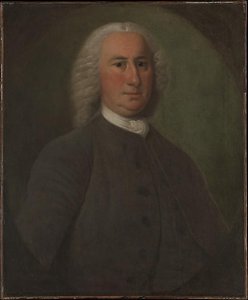
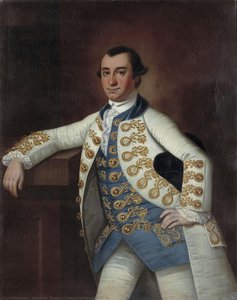
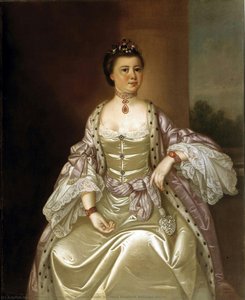
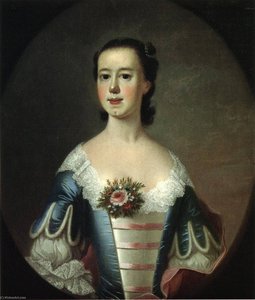
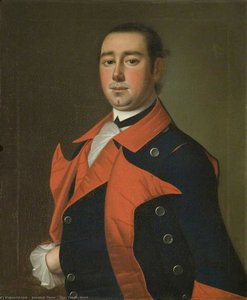
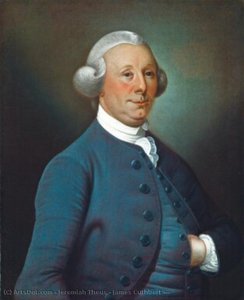
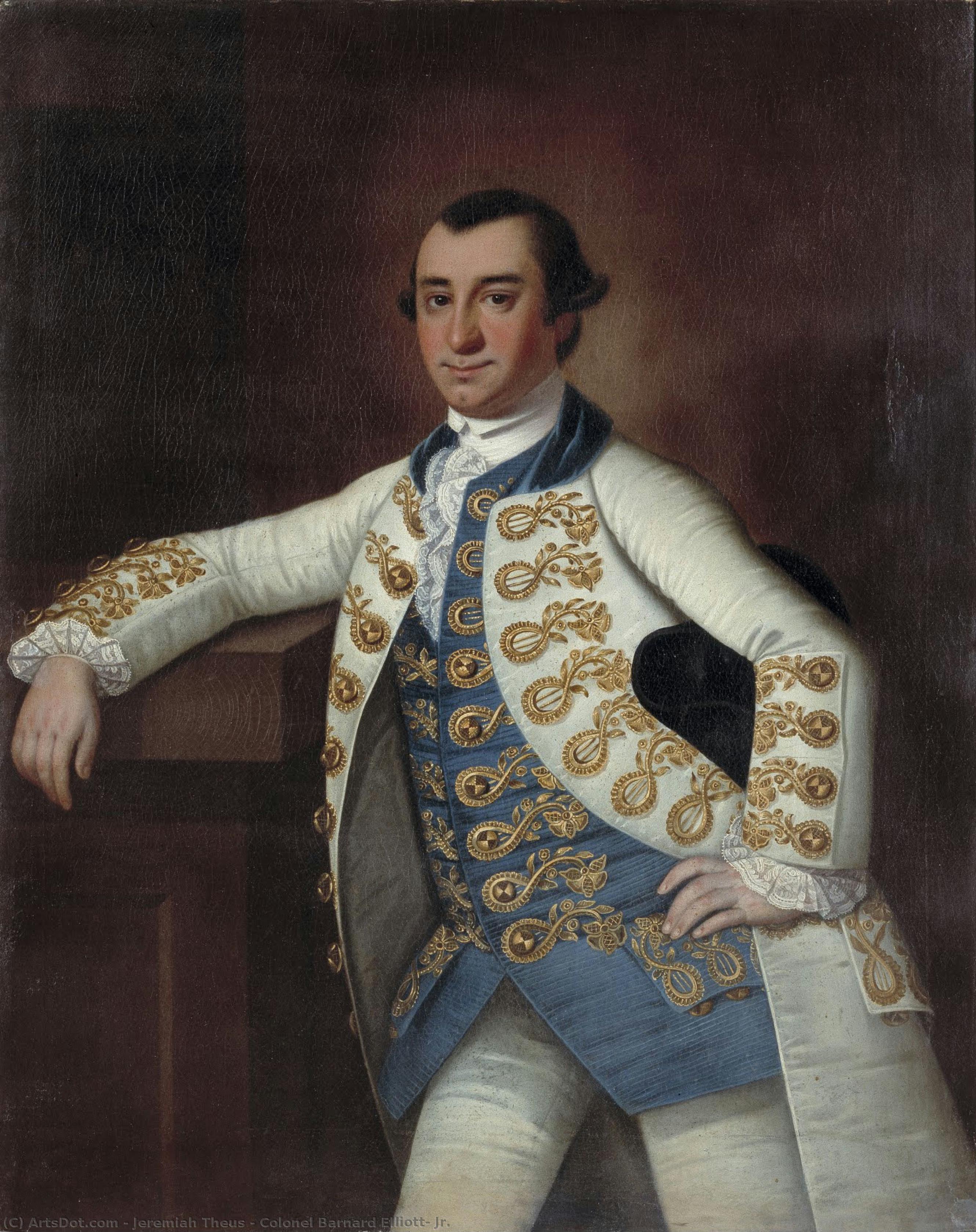
Colonel Barnard Elliott, Jr.


 Read More
Hand Made Oil Reproduction
Hand-painted oil on canvas in your size and frame, made to order by our artists. ( Buy Print Buy Image)




P118B $10

P118H $10

P118W $10

P438Z $10

P508JH $12

P508YH $12

P805H $10

P805Z $10

P919BZ $10

P919G $10

P919XJ $10

P959ZH $10

P968JZ $12

W106C $8

W218G $10

W218JH $8

W218Y $10

W307PJ $10

W316G $10

W316PJ $8

W316Y $10

W398PJ $8

W4111J $10

W500HY $15

W500JH $15

W692G $12

W849H $8

W940BG $15

W953PJ $8




Pick from our preset sizes that match the artwork's original proportions.

You may enter your own dimensions to fit a specific frame or space. If your selected size does not match the original image's proportions, we will either crop the artwork or extend the painting with additional hand-painted elements. A digital mockup will be sent for your approval before production begins.
Please note that the on-screen preview does not reflect the actual cropping or extension. Only the mockup will accurately show the final composition.
While custom sizes are available, we recommend selecting a dimension from the predefined list to preserve the original proportions.
After order, ArtsDot.com team will email client for instructions and provide a mockup preview
Worldwide Delivery () in 3/4 weeks instead of standard 5 weeks. (17 August). No compromise on quality.

Free Worldwide Express Shipping

High-Quality Linen Canvas

Full Shipping Insurance

Customs Tax Refund Guarantee

True Color Matching Guarantee

60-Day Return Policy (Defects Only)

100% Money-Back Guarantee

Bulk Discount Offer
 Glass option is only available in size under 110 CM

Colonel Barnard Elliott, Jr.
Reproduction Medium
Reproduction Size
-


Total Price
$ 263
Artwork Description
A Portrait Steeped in Charleston Elegance: Jeremiah Theus’s Depiction of Colonel Barnard Elliott Jr.
Jeremiah Theus stands as an undeniable cornerstone of early American artistic achievement, primarily celebrated for his prolific output of portraits executed during the opulent Rococo period that flourished in Charleston, South Carolina. Born in Chur, Switzerland, around 1716, Theus embarked on a remarkable journey to America circa 1740, driven by the alluring promise of land grants and colonial opportunity proffered by the British Crown—a testament to his ambition and foresight. His artistic legacy resides not merely in quantity but in quality: he produced a singular body of work that captured the refined sensibilities of Charleston’s elite society with unparalleled skill and sensitivity. This essay delves into the intricacies of Theus' masterpiece, exploring its subject matter, stylistic influences, technical prowess, historical significance, and enduring emotional resonance.Subject Matter and Context
The portrait depicts Colonel Barnard Elliott Jr., a prominent figure in South Carolina’s political landscape during the mid-18th century. Elliott was instrumental in shaping Charleston’s governance and representing the interests of planter families—a social stratum deeply invested in upholding tradition and demonstrating status. The painting transcends mere likeness; it aims to convey Elliott's character – embodying dignity, composure, and intellectual curiosity. Commissioned likely around 1766, this portrait reflects the prevailing artistic tastes of the era, mirroring the fascination with aristocratic grandeur that characterized European Rococo art. Charleston itself was experiencing rapid growth fueled by rice cultivation and transatlantic trade, creating a milieu ripe for artistic patronage and stylistic experimentation.Stylistic Influences: The Rococo Legacy
Theus’s approach to portraiture is unmistakably rooted in the Rococo style—a movement originating in France that prioritized grace, ornamentation, and illusionistic effects. Heavily influenced by artists like Allan Ramsay and Nathaniel Hone, Theus meticulously crafted a visual experience designed to rival the finest commissions emanating from London. Notice the masterful handling of drapery; folds cascade with fluid dynamism, creating an impression of luxurious fabric that seems to shimmer under subtle light—a technique characteristic of Rococo painters who sought to evoke atmosphere and convey emotion through textural detail. Similarly, Theus’s depiction of Elliott's wig is rendered with meticulous precision, capturing the texture and sheen of hair with remarkable accuracy.Technical Virtuosity: Brushwork and Color Palette
Theus demonstrated exceptional technical skill in executing this portrait. His brushstrokes are delicate yet confident, blending seamlessly to achieve a velvety surface finish that enhances the luminosity of the colors employed. The palette leans towards muted tones—primarily blues and creams—creating an ambiance of understated elegance and sophistication. However, subtle variations within these hues contribute to depth and dimensionality, capturing nuances of skin tone and fabric texture with remarkable subtlety. The artist’s meticulous attention to detail extends beyond mere representation; it aims to imbue the portrait with a sense of psychological realism – conveying Elliott's inner state through expressive gestures and gaze.Symbolism and Emotional Resonance
Beyond its formal beauty, “Colonel Barnard Elliott Jr.” carries symbolic weight reflecting the values cherished by Charleston’s upper echelon. The pose—slightly turned towards the viewer—suggests confidence and openness, projecting an image of intellectual engagement and moral rectitude. Furthermore, the inclusion of an umbrella symbolizes protection from inclement weather – a visual metaphor for safeguarding honor and upholding social responsibility. Most importantly, however, the portrait succeeds in capturing Elliott’s spirit—a man of considerable stature who commanded respect and embodied the ideals of his time. The resulting image evokes feelings of serenity, dignity, and timeless elegance—a testament to Theus' artistic vision and its enduring power to inspire contemplation.Concluding Remarks
Jeremiah Theus’s portrait of Colonel Barnard Elliott Jr. stands as a remarkable achievement in early American art history. Its masterful blend of stylistic influences, technical virtuosity, and symbolic resonance secures its place among the most celebrated depictions of Charleston society during the Rococo period. More than just a likeness, it is an embodiment of aristocratic grace—a visual chronicle of a bygone era that continues to captivate audiences today.Related Artworks
![Three Studies Of A Woman's Head And A Study Of Hands [recto], — Jean-antoine Watteau, Rococo Style](/media/artworks/images/thumbnails/de/cd/decd4d141ba2488f8ef518c83414b9f9.jpg)
Artist Biography
Jeremiah Theus: Charleston’s Rococo Portraitist
Jeremiah Theus (1716 – 1774) stands as a singular figure in the annals of early American art, primarily recognized for his prolific output of portraits executed during the flourishing Rococo period in Charleston, South Carolina. Born in Chur, Switzerland, he arrived in America with his family around 1740, driven by the promise of land grants and colonial opportunity offered by the British Crown. This migration marked the beginning of a career dedicated to capturing the elegance and sophistication of Charleston’s elite society—a remarkable feat considering the artistic landscape of the time.- Early Life & Training: Little is definitively known about Theus' formative years beyond his Swiss birthplace. However, circumstantial evidence suggests exposure to European artistic traditions, particularly Rococo style, which would profoundly influence his subsequent work.
- Charleston Studio & Patronage: By 1740, Theus established a studio in Charleston’s bustling commercial district—a strategic location that ensured access to influential patrons and fueled his artistic endeavors. Advertisements in the South Carolina Gazette showcased his skills as a “limner,” or portrait painter, highlighting his commitment to serving the burgeoning colonial community.
A Master of Rococo Style & Technique
Theus’ distinctive style is characterized by its adherence to Rococo principles—a movement originating in France that prioritized grace, ornamentation, and pastel hues. He skillfully adapted English artistic conventions prevalent during the era, resulting in portraits imbued with a sense of refined elegance and meticulous detail. His canvases frequently employed geometric shapes and subtle tonal variations to create atmospheric depth and convey emotion—techniques honed through observation and experience.- Notable Commissions: Theus undertook numerous commissions throughout his career, demonstrating versatility and responsiveness to client needs. Among his accomplishments were the gilded steeple of St. Michael’s Episcopal Church (1756), a testament to his craftsmanship and artistic vision; the weather vane for Charleston’s City Hall; and contributions towards the construction of St. Michael's Cathedral.
- Teaching & Artistic Legacy: Recognizing the importance of fostering artistic talent, Theus opened an evening drawing school in 1744—a pioneering initiative that nurtured aspiring artists within Charleston’s intellectual circles. This dedication to education solidified his legacy as not only a celebrated painter but also as a catalyst for artistic development.
Iconic Portraits & Charleston Society
Jeremiah Theus achieved enduring fame through his portraits of prominent Charlestonians—individuals who shaped the social, economic, and cultural fabric of the colony. Works such as “Mrs. Gabriel Manigault” (1757), “Captain John Reynolds” (c. 1758) and “Mrs. John Dart” (1772) exemplify his mastery of Rococo style and offer invaluable insights into Charleston’s aristocratic milieu during the mid-18th century. These paintings are treasured for their technical precision, expressive quality, and ability to convey the dignity and refinement associated with colonial leadership.Historical Significance & Enduring Influence
Jeremiah Theus' contribution to American art history extends beyond his individual achievements; he represents a crucial link between European artistic traditions and the nascent cultural identity of the United States. His work serves as a compelling visual record of Charleston’s social landscape—a testament to the dynamism and sophistication of colonial America. Today, reproductions of his portraits continue to captivate audiences worldwide, ensuring that Theus' legacy persists as one of Charleston’s most distinguished artistic figures.
Jeremiah Theus
1716 - 1774 , Switzerland
Quick Facts
- Artistic Movement Or Style: Rococo
- Date Of Birth: April 5, 1716
- Date Of Death: May 17, 1774
- Full Name: Jeremiah Theus
- Nationality: Swiss
- Notable Artworks:
- Mrs. Gabriel Manigault
- Captain John Reynolds
- Mrs. John Dart
- Place Of Birth: Chur, Switzerland