


A Beacon of Southern Artistry: Exploring Gibbes Museum of Art’s Legacy
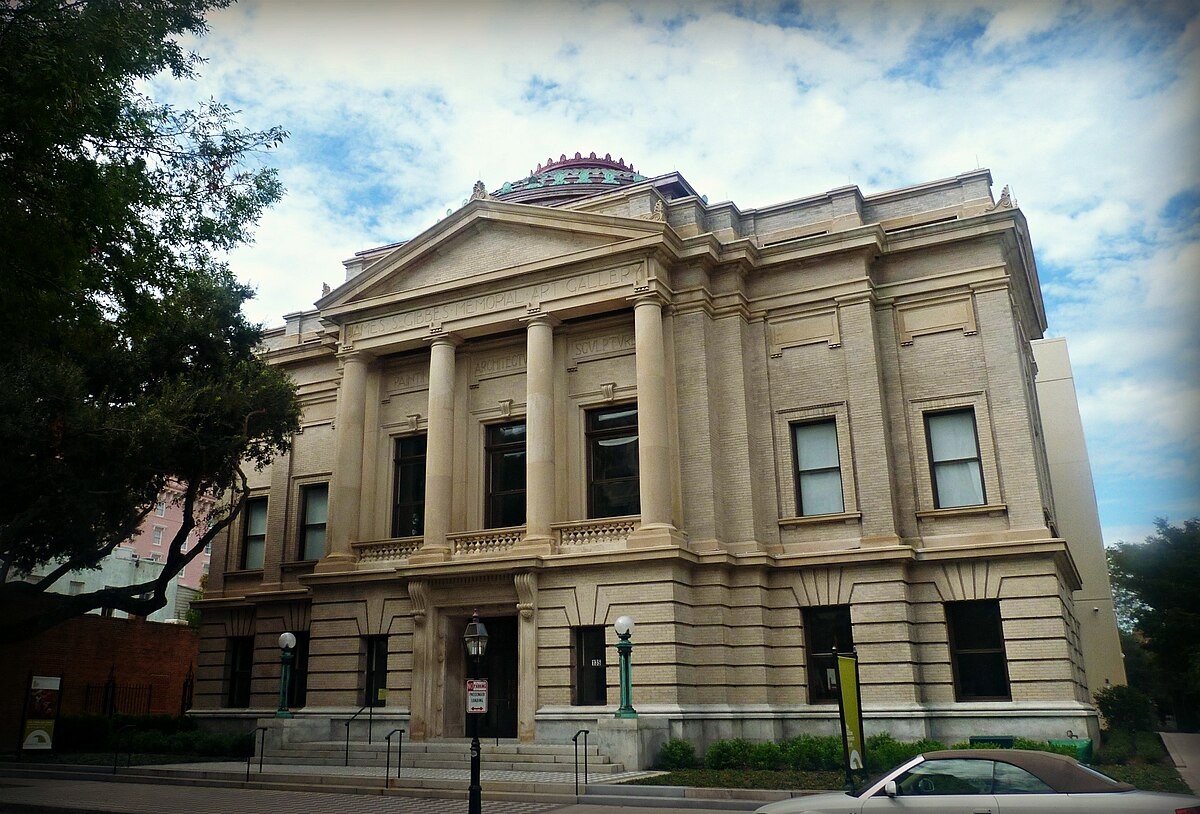
- Location & Founding Situated in Charleston, South Carolina's historic district at 135 Meeting Street, the Gibbes Museum of Art traces its roots back to 1847 as the Carolina Art Association. Recognizing the importance of preserving artistic heritage, it was subsequently renamed in honor of James S. Gibbes, a prominent Charlestonian philanthropist who championed the cause of American art.
- Architectural Marvel The museum’s building itself stands as a testament to Beaux-Arts grandeur, completed in 1905 by architect Frank P. Milburn. Its imposing façade and meticulously crafted interiors provide an inspiring setting for appreciating the artworks housed within—a deliberate choice reflecting the museum's commitment to aesthetic excellence.
A Collection Defined by Regional Resonance
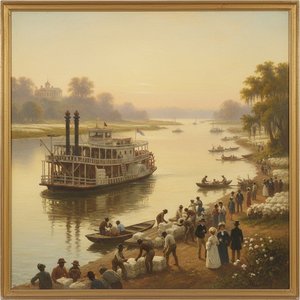
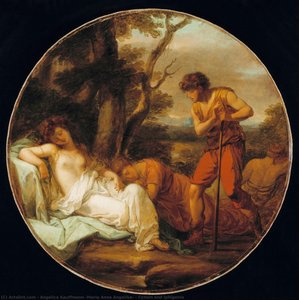
- Southern Artistry Gibbes Museum’s core strength lies in its exceptional collection of Southern art spanning from the 18th century to the present day. Artists deeply connected to the region's cultural landscape—influences that permeate their canvases and sculptures—are showcased prominently, offering viewers a profound understanding of artistic traditions specific to Charleston and beyond.
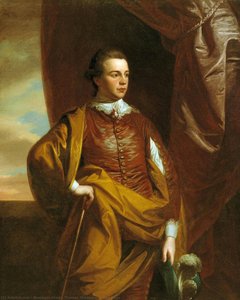
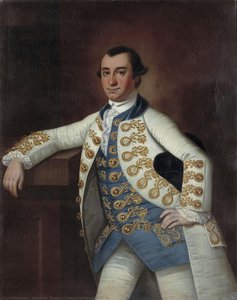
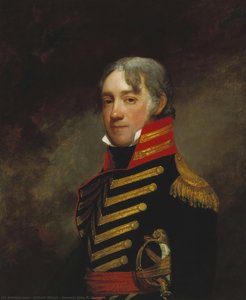
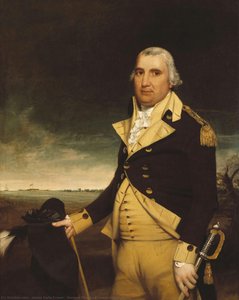
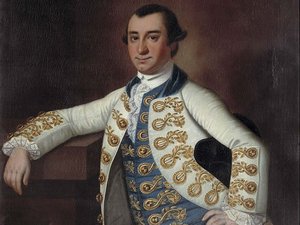
- Portraiture’s Narrative Alongside Southern masterpieces, the museum boasts an impressive roster of American portraits capturing pivotal moments in history. These artworks illuminate the lives and aspirations of influential figures, inviting contemplation on societal values and personal narratives during their respective eras.
Contemporary Visions: Embracing Innovation
- Expanding Horizons Recognizing the dynamism of artistic expression, Gibbes Museum actively cultivates a contemporary art collection featuring innovative works by emerging and established artists. This commitment ensures that visitors encounter fresh perspectives on pressing social issues and aesthetic explorations—a crucial element in maintaining relevance within the broader context of American art history.
- Notable Exhibitions Throughout its history, Gibbes Museum has hosted groundbreaking exhibitions that delve into diverse artistic movements and themes. Recent shows have explored connections between Charleston’s maritime heritage and artistic creativity, prompting dialogue about cultural exchange and artistic interpretation.
More Than Just Art: Engagement & Community
- Educational Outreach Dedicated to fostering appreciation for art among all audiences, Gibbes Museum offers a comprehensive suite of educational programs—lectures, workshops, and guided tours—designed to ignite curiosity and inspire intellectual engagement.
- Charleston’s Artistic Soul Ultimately, Gibbes Museum embodies Charleston's spirit as a city steeped in artistic tradition and cultural vibrancy. Its mission extends beyond preserving artworks; it strives to cultivate connections between art and community, ensuring that the museum remains a cornerstone of Charleston’s cultural landscape for generations to come.
Don’t Miss: Cattle in the Broom Grass
A particular highlight is “Cattle in the Broom Grass,” an evocative painting by Alice Ravenel Huger Smith from the series “A Carolina Rice Plantation of the Fifties.” This artwork exemplifies the museum's focus on capturing the essence of Charleston’s history and artistic heritage, inviting viewers to contemplate the beauty found within rural landscapes and the enduring legacy of Southern artistry.