

 Preview
 Send
Send Share
Share
 Details

 Download
 Similars
 X-Ray
X-Ray Diaporama
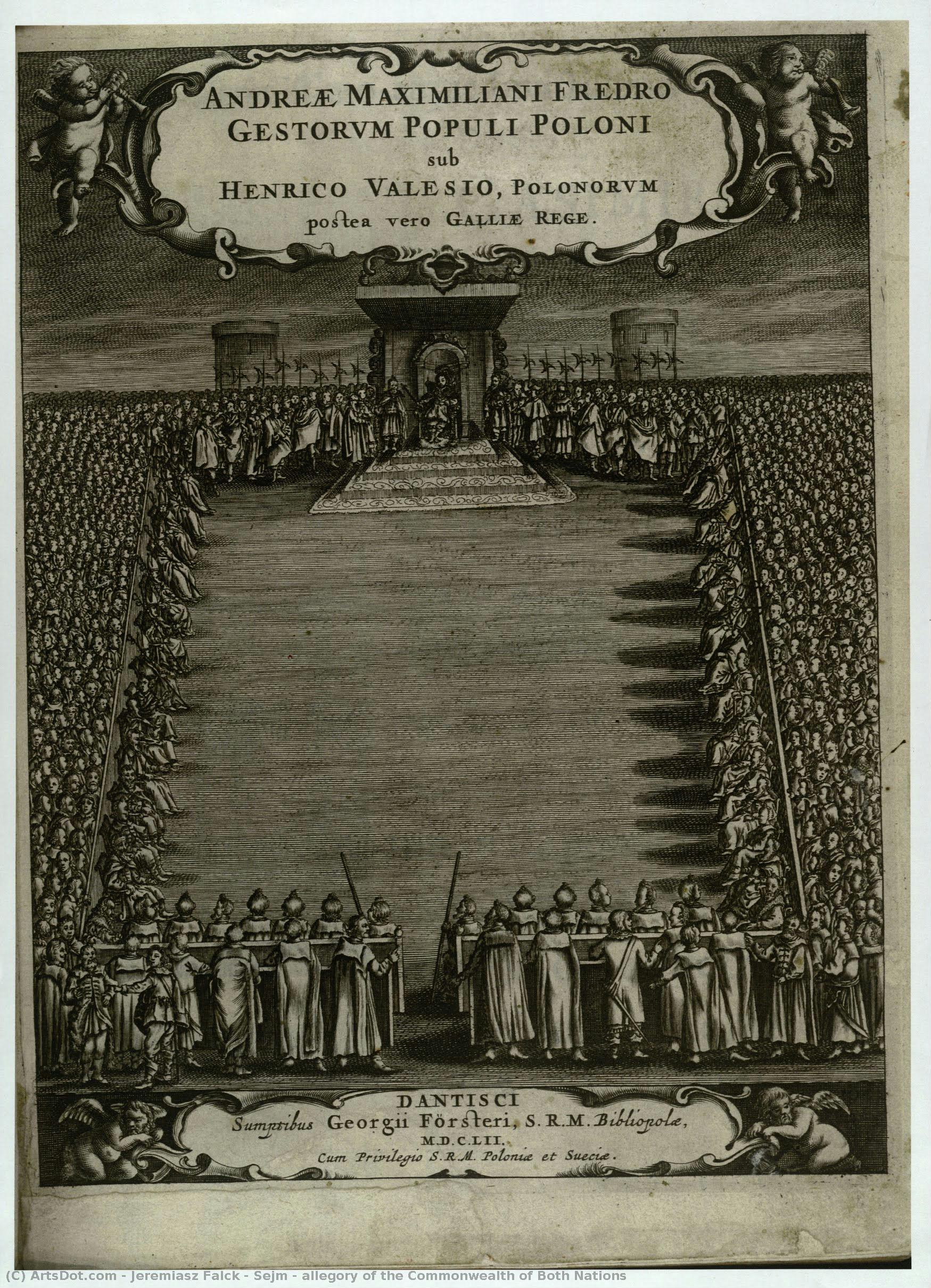
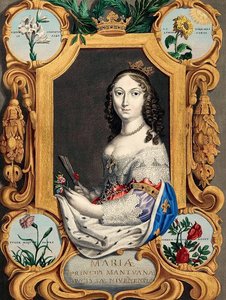
Sejm - allegory of the Commonwealth of Both Nations


 Read More
Purchase a high-resolution, enhanced digital image, far superior to the online preview.
Each file is meticulously prepared by our in-house specialists using advanced tools and expert manual retouching. We ensure every image has exceptional clarity, precise color accuracy, and fine detail.
The final file is delivered via email within 72 hours, optimized for immediate use in professional, editorial, and print environments. This is the same quality trusted by top-tier design studios, publishers, and galleries.
Digital Image
Download a high-resolution file for personal display, printing, and creative projects. ( Buy Print Buy Hand Made Painting)
Included in Every Digital Image Order
Expert Digital Delivery, Guaranteed
When you choose ArtsDot.com, you're not just getting an image - you're receiving a professionally enhanced digital artwork, crafted with precision and backed by a satisfaction guarantee. Here's everything that comes with your order, automatically:

Fast Email Delivery
Your high-resolution digital image file will be emailed to you within 72 hours of ordering - ready for immediate use.

AI-Enhanced Digital File
Your artwork is professionally optimized using advanced AI tools and manual editing, ensuring maximum detail, clarity, and color accuracy.

Free Lifetime Re-Delivery
Accidentally deleted or lost your file? No worries - we'll resend it to you anytime, free of charge.

No Import Fees - Ever
Enjoy your artwork instantly with zero customs, duties, or delivery fees - digital downloads are always tax-free.

Color Accuracy Guarantee
We ensure your digital image reflects the original colors as closely as possible using professional tools and color management.

100-Day Satisfaction Guarantee
If you're not satisfied with your digital image, we'll revise it or refund 100% within 100 days - no questions asked.

100% Money-Back Guarantee
Not satisfied? Get a full refund within 100 days of receiving your digital file - no questions asked.

Bulk Order Discounts
Buy 3 images, save 10% - Buy 5, save 15% - Buy 10+, save 20%. Great for creative projects, galleries, and agencies.
Related Artworks







Artist Biography
Michelangelo Merisi da Caravaggio: A Revolutionary of Light and Shadow
Michelangelo Merisi, more famously known as Caravaggio, remains one of the most enigmatic and influential figures in art history. Born in Milan in 1571, his life was a whirlwind of dramatic events—a volatile temper, fleeting successes, and ultimately, premature death at the age of thirty-nine. His impact on painting transcends mere technique; he fundamentally altered the way artists approached representation, ushering in an era of unprecedented realism and emotional intensity. Caravaggio’s legacy lies not just in his individual masterpieces but also in the countless artists who were profoundly shaped by his revolutionary methods.Caravaggio's early career unfolded against the backdrop of a vibrant artistic scene in Rome. He began as a still-life painter, diligently crafting arrangements of fruits and flowers for wealthy patrons – a far cry from the turbulent life that awaited him. However, it was his foray into narrative painting, particularly with works like *The Boy Bitten by a Lizard* (1594), that truly ignited his fame. This seemingly simple depiction of a young boy’s reaction to a snake bite possessed an astonishing immediacy and psychological depth, achieved through the masterful use of chiaroscuro – the dramatic contrast between light and dark. This technique, borrowed from Venetian painters but pushed to its absolute limit, became the hallmark of his style, creating a sense of theatrical drama and imbuing his figures with a palpable sense of life.
The Rome Years: Controversy and Innovation
Caravaggio’s arrival in Rome coincided with a period of intense artistic competition. He quickly gained recognition for his innovative approach to religious subjects, eschewing the idealized forms and serene expressions favored by many of his contemporaries. Instead, he depicted biblical scenes featuring ordinary people—fishermen, thieves, beggars – rendered with unflinching realism and imbued with raw emotion. His *Calling of Saint Matthew* (1599-1600) exemplifies this shift; a humble tax collector is roused from his slumber by the divine summons, his face etched with surprise and disbelief. The scene unfolds within a dimly lit room, illuminated by a single, powerful light source that dramatically highlights the figures and creates an atmosphere of intense drama. This wasn’t simply about accurately portraying biblical events; it was about bringing them to life in a way that resonated deeply with contemporary viewers.A Turbulent Life: Violence and Exile
Caravaggio's artistic genius was tragically intertwined with a volatile personality. He was known for his impulsive temper, engaging in frequent brawls and acts of violence. The most infamous incident occurred in 1606 when he fatally stabbed a young man during an argument – an event that led to his arrest and subsequent flight from Rome. Rather than face justice, Caravaggio chose exile, wandering through Naples, Malta, and Sicily, continuing to paint prolifically despite the constant threat of capture. In Malta, he secured patronage from the Knights of St. John, receiving a commission for *The Beheading of Saint John the Baptist* (1607-1608), a work that cemented his reputation as a master of dramatic composition and intense emotion. However, his temper flared again, leading to another altercation and eventual expulsion from the order.Legacy and Influence
Caravaggio’s journey ended in Sicily in 1610, where he succumbed to an illness – possibly a fever brought on by a wound sustained during a brawl. Despite his short life, Caravaggio's influence was immense and enduring. His innovations in painting—particularly the use of chiaroscuro, his preference for realistic figures, and his ability to evoke profound emotion—inspired generations of artists. The “Caravaggisti,” or followers of Caravaggio, spread his style throughout Europe, influencing painters such as Rembrandt van Rijn, Georges de La Tour, and Diego Velázquez. His techniques continue to be studied and emulated today, solidifying his place as one of the most important and revolutionary figures in Western art history. His work reminds us that art can be both a reflection of its time and a powerful force capable of transforming our understanding of the human condition.Further Resources
jeremiasz falck
1610 - 1677 , Poland
Quick Facts
- Artistic Movement Or Style: Caravaggism
- Artists Or Movements Influenced By This Artist: ['Baroque']
- Artists Who Influenced This Artist:
- Leonardo da Vinci
- Michelangelo
- Date Of Birth: September 29, 1571
- Date Of Death: July 18, 1610
- Full Name: Michelangelo Merisi da Caravaggio
- Nationality: Italian
- Notable Artworks:
- The Calling of Saint Matthew
- Supper at Emmaus
- David and Goliath
- Death of the Virgin
- Place Of Birth: Milan, Lombardy