 Preview
 Send
Send Share
Share
 Details

 Download
 Similars
 X-Ray
X-Ray Diaporama
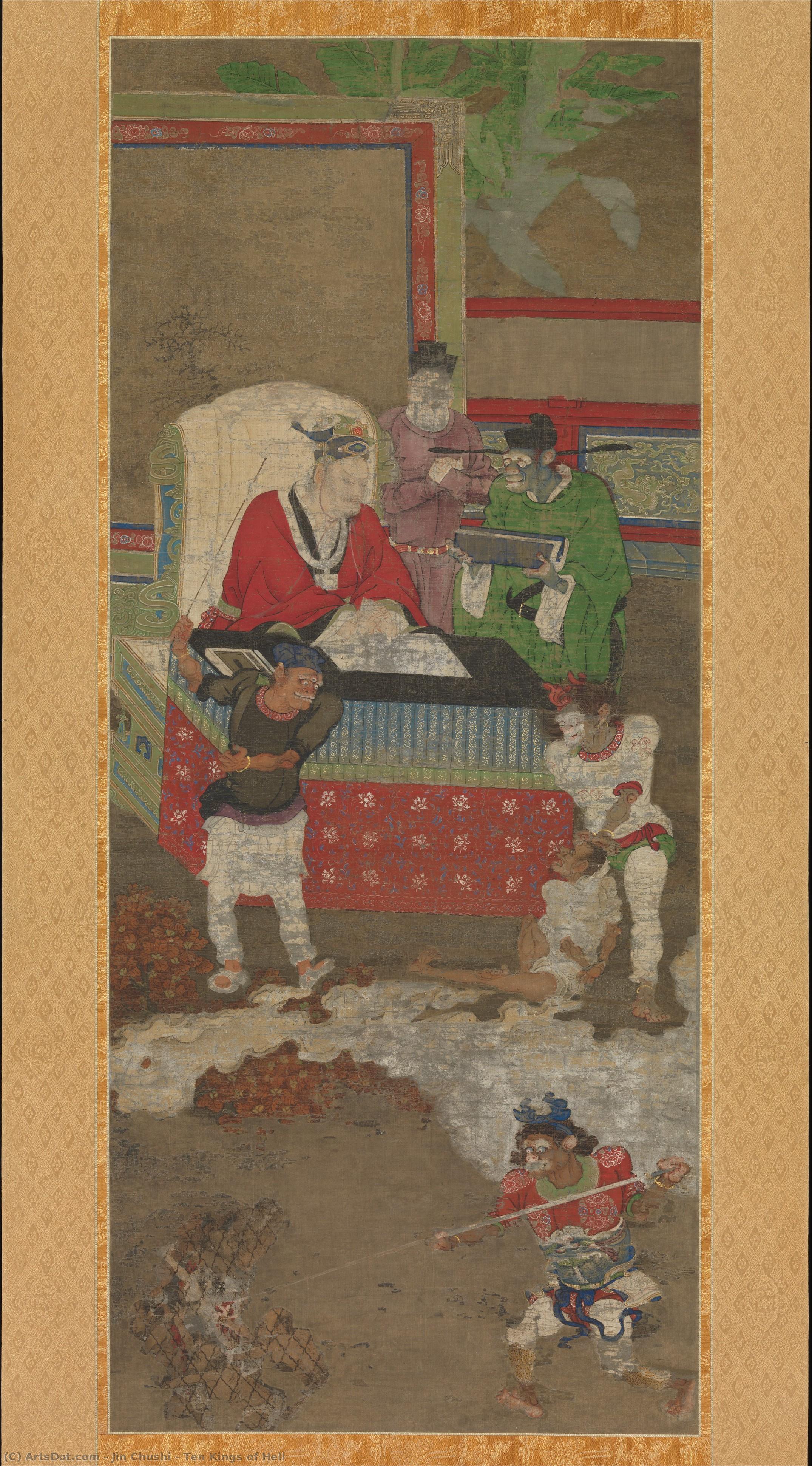
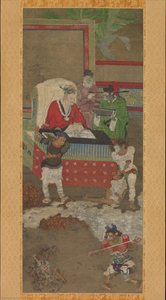
Ten Kings of Hell
 Acrylic On Canvas
- WallArt
- Song Dynasty Buddhism
 1195
1195 130.0 x 50.0 cm
 Metropolitan Museum of Art
 Read More
Hand Made Oil Reproduction
Hand-painted oil on canvas in your size and frame, made to order by our artists. ( Buy Print Buy Image)




P118B $10

P118H $10

P118W $10

P438Z $10

P508JH $12

P508YH $12

P805H $10

P805Z $10

P919BZ $10

P919G $10

P919XJ $10

P959ZH $10

P968JZ $12

W106C $8

W218G $10

W218JH $8

W218Y $10

W307PJ $10

W316G $10

W316PJ $8

W316Y $10

W398PJ $8

W4111J $10

W500HY $15

W500JH $15

W692G $12

W849H $8

W940BG $15

W953PJ $8




Pick from our preset sizes that match the artwork's original proportions.

You may enter your own dimensions to fit a specific frame or space. If your selected size does not match the original image's proportions, we will either crop the artwork or extend the painting with additional hand-painted elements. A digital mockup will be sent for your approval before production begins.
Please note that the on-screen preview does not reflect the actual cropping or extension. Only the mockup will accurately show the final composition.
While custom sizes are available, we recommend selecting a dimension from the predefined list to preserve the original proportions.
After order, ArtsDot.com team will email client for instructions and provide a mockup preview
Worldwide Delivery () in 3/4 weeks instead of standard 5 weeks. (7 September). No compromise on quality.

Free Worldwide Express Shipping

High-Quality Linen Canvas

Full Shipping Insurance

Customs Tax Refund Guarantee

True Color Matching Guarantee

100-Day Return Policy (Defects Only)

100% Money-Back Guarantee

Bulk Discount Offer
 Glass option is only available in size under 110 CM

Ten Kings of Hell
Reproduction Medium
Reproduction Size
-


Total Price
$ 263
A Symphony of Ink and Judgment: Exploring Jin Chushi’s Ten Kings of Hell
This magnificent silk artwork, dating back to 1195 during the Song Dynasty, transcends mere visual representation; it embodies a profound philosophical meditation on mortality and karmic retribution. Created by Jin Chushi, a celebrated Song dynasty artist residing in Mingzhou (modern Ningbo), this monumental scroll exemplifies the artistic fervor of its era while simultaneously delving into complex Buddhist concepts. Its enduring appeal lies not only in its breathtaking aesthetic qualities but also in its masterful articulation of spiritual themes.The Visual Narrative: Composition and Technique
“Ten Kings of Hell” presents a meticulously crafted scene depicting ten kings presiding over a solemn tribunal, tasked with evaluating the souls of deceased individuals. The composition is dominated by a central bed upon which rests a seated figure—presumably Jin Chushi himself—observing the proceedings alongside a scribe diligently recording the judgments rendered. Scattered around are attendants and demons, symbolizing opposing forces battling for dominion over the afterlife. Jin Chushi’s technique showcases exceptional skill in ink wash painting (Suiboku-ga), utilizing vibrant hues of crimson, gold, and azure to imbue the artwork with luminosity and depth. The artist skillfully employs textural variations—smooth surfaces juxtaposed with intricate patterns—to convey both grandeur and psychological nuance.Historical Context: Buddhist Cosmology and Bureaucratic Influence
The artwork’s genesis is firmly rooted in Song Dynasty Buddhism, specifically the concept of “Ten Kings of Hell,” which emerged as a prominent element within Zen meditation practices. This cosmological framework posits that after death, souls undergo a series of trials overseen by ten kings representing different realms of purgatory—each king administering justice based on one's earthly conduct. The scroll’s creation coincided with a period of significant artistic patronage by the Song imperial court, reflecting the dynasty’s commitment to preserving Buddhist traditions and disseminating philosophical ideas. Furthermore, the stylistic similarities between “Ten Kings of Hell” and “The Five Hundred Luohans,” painted concurrently in Ningbo, underscore the shared artistic milieu and intellectual currents shaping Song Dynasty art.Symbolism: Demons and Divine Justice
Beyond its formal composition, "Ten Kings of Hell" is laden with symbolic significance. The demons depicted represent wickedness and transgression—those who lived lives devoid of compassion or righteousness—facing severe punishment for their actions. Conversely, the kings embody divine justice and moral accountability, upholding ethical standards and guiding souls toward enlightenment. The bed symbolizes repose and contemplation, highlighting the importance of inner peace as a prerequisite for achieving liberation from suffering. Each element contributes to a layered narrative that encourages viewers to confront existential questions about life’s purpose and karmic consequences.Emotional Impact: A Reflection on Mortality
The artwork's arresting colors and dramatic imagery evoke a palpable sense of solemnity and contemplation. The artist’s masterful rendering captures the gravity of judgment—the inescapable reality of death and its attendant reckoning—inspiring viewers to reflect upon their own moral compass. “Ten Kings of Hell” serves as a powerful reminder that actions have repercussions beyond earthly existence, urging us to strive for virtue and compassion throughout our lives. Its enduring legacy testifies to the transformative power of art to illuminate profound spiritual truths and resonate across centuries.Related Artworks
Artist Biography
The Ethereal Legacy of Jin Chushi
In the twilight of the 12th century, amidst the flourishing cultural landscape of China's Song Dynasty, the name Jin Chushi (金處士) emerged as a beacon of spiritual and artistic profoundness. Though much of his early life remains shrouded in the mists of history, we know him as a master whose brush breathed life into the complex tapestries of Buddhist cosmology. Operating from the vibrant port city of Mingzhou—known today as Ningbo—Jin Chushi was more than a mere painter; he was a storyteller of the soul, a creator who utilized the delicate medium of ink and color on silk to bridge the gap between the mortal realm and the divine.
The very name Chushi suggests a life lived in quiet contemplation, often associated with the identity of a recluse scholar. This sense of spiritual detachment likely informed his approach to the canvas, where every stroke was an act of devotion. His work flourished during a period when Ningbo served as a vital gateway for Japanese merchants and pilgrims, a fact that explains why much of his most breathtaking legacy survived through preservation in Japan. Through these scrolls, Jin Chulated a visual language that would resonate across borders and centuries.
A Vision of the Afterlife
The pinnacle of Jin Chushi’s artistic achievement lies in the monumental series known as Ten Kings of Hell. This set of hanging scrolls is not merely a collection of paintings but a vivid, terrifying, and beautiful exploration of the Chinese Buddhist conception of judgment. In these works, the artist masterfully transforms the abstract concept of death into a structured, bureaucratic process. Each scroll depicts a different king presiding over the souls of the deceased, surrounded by scribes, officials, and the haunting presence of demons tasked with punishing the wicked.
Technically, these masterpieces are a triumph of the Song Dynasty style. Jin Chushi employed a sophisticated palette of intense colors and fine, detailed linework that captured the intricate textures of silk and the heavy atmosphere of the underworld. While some of his works lean toward a monochromatic elegance, focusing on the subtle interplay of black ink and shadow, the Ten Kings of Hell showcases a more vibrant, narrative intensity. The compositions are dense with symbolism, where every figure and gesture serves to illustrate the moral weight of one's earthly actions, creating an immersive experience that is as much a theological lesson as it is a visual feast.
Artistic Influence and Enduring Significance
The ripples of Jin Chushi’s artistry extended far beyond the borders of the Song Dynasty. His ability to blend meticulous detail with profound allegorical meaning laid the groundwork for subsequent movements in East Asian art. The stylistic hallmarks found in his work—particularly the use of vivid drawing and intense color—can be seen as precursors to the development of Suiboku Ga (ink wash painting) in Japan, where many of his original scrolls were cherished and studied.
Today, the legacy of Jin Chushi is preserved in some of the world's most prestigious institutions, including the Metropolitan Museum of Art. His work remains a vital touchstone for scholars studying the intersection of art, religion, and history. To look upon a painting by Jin Chushi is to witness a moment where the hand of man meets the infinite, reminding us that even in the depiction of the darkest realms, there is an enduring pursuit of order, justice, and artistic transcendence.
jin chushi
China
Quick Facts
- Artistic Movement Or Style: World Goes Pop
- Artists Or Movements Influenced By This Artist: ['Influenced by pop art and contemporary social commentary']
- Artists Who Influenced This Artist: ['Influenced by diverse artists within the World Goes Pop movement']
- Date Of Death: Living
- Notable Artworks: ['Various works featured in The World Goes Pop exhibition']
- Place Of Birth: WahooArt
Related Articles
Ephemeral Expressions: Exploring the Nuances of Ink on Paper Through History & Contemporary Art
Explore the captivating world of ink wash painting – from its ancient origins to contemporary masters. Discover techniques, symbolism & conservation insights with ArtsDot.com.
Ephemeral Lines: Exploring Emotional Resonance in Ink Sketching Traditions
Explore the profound art of ink sketching! Discover techniques to express emotion, master line work, and cultivate artistic sensitivity. Learn from historical masters & unlock your creative potential.

Hokusai's Masterpieces: 25 Iconic Prints & Paintings for Art Lovers | ArtsDot
Journey through Katsushika Hokusai’s 25 most iconic artworks, including *The Great Wave*. Explore the ukiyo-e master's history, style & timeless Japanese woodblock prints. Find museum-quality reproductions for your home at ArtsDot.com.
Pu Xinyu's 'Puru': A Legacy of Literati Painting & Emotional Resonance
Explore the captivating world of Pu Xinyu (Puru), the last great literati painter. Discover his imperial heritage, masterful ink wash techniques & enduring legacy – a valuable addition to any discerning art collection.
Xie Zhiliu: A Legacy of Ink Wash Painting & Modern Chinese Literati Tradition
Explore the legacy of Xie Zhiliu, a master of Chinese ink wash painting & prominent figure in modern art. Discover his techniques, influences, and contributions to literati tradition. A guide for discerning collectors.