 Preview
 Send
Send Share
Share
 Details

 Download
 Similars
 X-Ray
X-Ray Diaporama
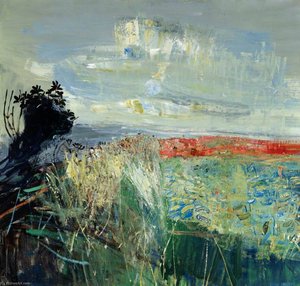
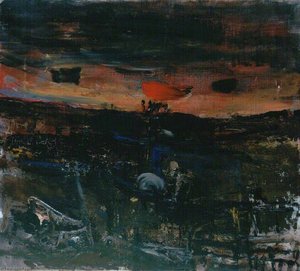
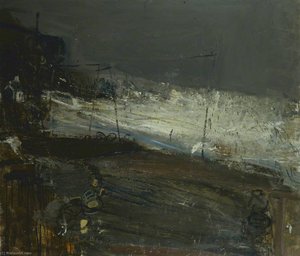
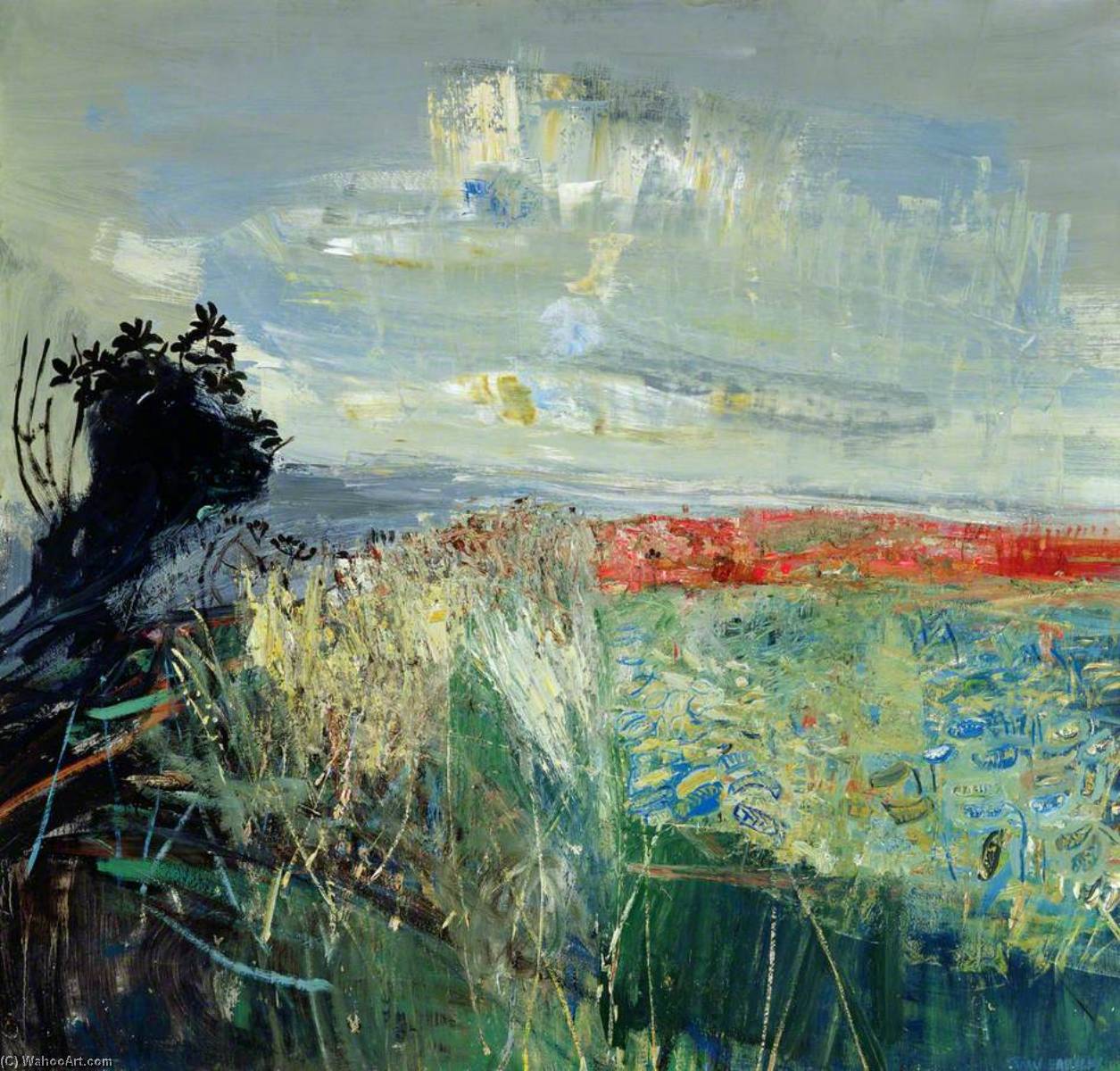
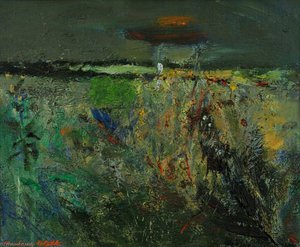
Field of Barley by the Sea
 Acrylic On Canvas
- WallArt
- Impressionism
 107.0 x 111.0 cm
 The Fleming Collection
 Read More
Giclée / Art Print
Museum-quality giclée or canvas print with fast production and flexible finish options. ( Buy Hand Made Painting Buy Image)




P118B $10

P118H $10

P118W $10

P438Z $10

P508JH $12

P508YH $12

P805H $10

P805Z $10

P919BZ $10

P919G $10

P919XJ $10

P959ZH $10

P968JZ $12

W106C $8

W218G $10

W218JH $8

W218Y $10

W307PJ $10

W316G $10

W316PJ $8

W316Y $10

W398PJ $8

W4111J $10

W500HY $15

W500JH $15

W692G $12

W849H $8

W940BG $15

W953PJ $8




Pick from our preset sizes that match the artwork's original proportions.

You may enter your own dimensions to fit a specific frame or space. If your selected size does not match the original image's proportions, we will either crop the artwork or extend the image with a mirrored or solid-fill edge. A digital mockup will be sent for your approval before production begins.
Please note that the on-screen preview does not reflect the actual cropping or extension. Only the mockup will accurately show the final composition.
While custom sizes are available, we recommend selecting a dimension from the predefined list to preserve the original proportions.
Worldwide Delivery () in 2 weeks instead of standard 4/5 weeks. (27 August)

Free Worldwide Express Shipping

High-Quality Linen Canvas

Full Shipping Insurance

Customs Tax Refund Guarantee

True Color Matching Guarantee

60-Day Return Policy (Defects Only)

100% Money-Back Guarantee

Bulk Discount Offer
 Glass option is only available in size under 110 CM

Field of Barley by the Sea
Giclée / Art Print
Reproduction Size
-


Total Price
$ 63
A Landscape Woven with Memory and Light
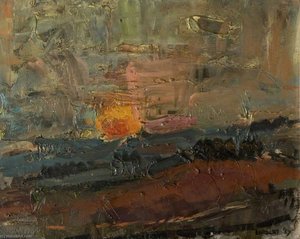
Joan Kathleen Harding Eardley's "Field of Barley by the Sea" isn’t merely a depiction of a rural scene; it’s an immersion into a specific time, place, and emotional landscape. Painted in 1958, this work captures the rugged beauty of the Scottish coastline, yet transcends simple representation to become a poignant meditation on memory, solitude, and the enduring connection between humanity and nature. Eardley, a fiercely independent artist who tragically died young at just 42, possessed an extraordinary ability to distill complex emotions onto canvas – a skill powerfully evident in this evocative piece.
The painting immediately draws the eye with its textured surface, achieved through a deliberate and almost violent application of thick impasto. Each stroke is visible, building up layers of color that create a dynamic, three-dimensional effect. The palette is predominantly cool – muted greens, browns, and greys dominate, punctuated by flashes of red in the distant hills, suggesting both warmth and a hint of melancholy. This restrained use of color contributes to the painting’s overall atmosphere of quiet contemplation. The composition itself feels deliberately loose, eschewing rigid lines and precise detail in favor of capturing the essence of the scene – the feeling of being present within it.
Echoes of Glasgow and the Scottish Colourists
Understanding Eardley’s artistic journey is crucial to appreciating “Field of Barley by the Sea.” Born in Warwick, her early life was marked by instability following the death of her father, a veteran of World War I suffering from shell shock. This experience undoubtedly shaped her empathetic and sensitive approach to art. She found refuge and training at the Glasgow School of Art, where she was profoundly influenced by Hugh Adam Crawford and the legacy of the Scottish Colourists – artists like J.M. Whistler and George Leslie Pearce who championed a vibrant, expressive use of color and light. Eardley’s work reflects this influence, particularly in her bold brushwork and her willingness to prioritize emotional impact over photographic accuracy.
The painting's subject matter – a field of barley bordering the sea – is deeply rooted in Scottish rural life. Barley has long been a staple crop in Scotland, representing fertility, abundance, and the cyclical rhythms of nature. The presence of the sea adds another layer of symbolism: it represents both the vastness of the world and the inherent vulnerability of human existence. Eardley’s choice to depict this scene during a period of post-war austerity further imbues the work with a sense of quiet resilience.
The Intimate Portrait of a Place
Beyond its formal elements, “Field of Barley by the Sea” feels remarkably intimate. Eardley wasn’t simply painting a landscape; she was capturing a specific moment in time and place – a feeling, an atmosphere. The slightly blurred horizon suggests distance and perhaps even a sense of longing. The way she renders the grasses and wildflowers—not with meticulous detail but with confident, expressive strokes—hints at a deep understanding of their texture and form. It’s as if Eardley is inviting us to step into this scene and experience it alongside her.
Further research reveals that Eardley spent much of her later life in Catterline, on the North-East coast of Scotland, where she painted countless landscapes capturing the dramatic beauty of the region. This painting, created during a period when she was establishing herself there, offers a glimpse into her evolving artistic vision – one characterized by both raw emotion and a profound appreciation for the natural world. Reproductions of this work offer a powerful connection to Eardley’s unique perspective and enduring legacy.
Useful Links:
Related Artworks
Artist Biography
A Life Etched in Paint: The World of Joan Eardley
Joan Kathleen Harding Eardley, a name synonymous with the raw beauty of Scotland and the poignant realities of post-war life, remains one of Britain’s most compelling artists. Born in 1921 in Sussex to parents grappling with the lingering shadows of the First World War – her father suffering from shell shock – Eardley's early years were marked by a sense of instability that perhaps fostered within her a deep empathy for those living on the fringes of society. This sensitivity would become a defining characteristic of her artistic vision. Her family’s move to Glasgow in 1939 proved pivotal, leading her to enroll at the Glasgow School of Art, where she honed her skills under Hugh Adam Crawford and absorbed the vibrant legacy of the Scottish Colourists. Though briefly diverted into teacher training, Eardley's spirit yearned for creative expression, finding a temporary outlet as a joiner’s apprentice – a practical pursuit that nonetheless allowed space for artistic exploration.From Italian Renaissance to Glasgow Streets
Eardley’s artistic journey was one of constant evolution, shaped by diverse influences and a restless spirit. A scholarship in 1948 provided the opportunity to travel through Italy, an experience that profoundly impacted her understanding of form and humanity. Immersed in the works of Renaissance masters like Giotto and Masaccio, she developed a fascination with sculptural figures and a humanist approach to portraying the human condition. This foundation would later inform her groundbreaking depictions of Glasgow’s Townhead district. Returning to Scotland, Eardley turned her attention to the lives of children living in poverty, capturing their resilience and vulnerability with an unflinching honesty that was both compassionate and remarkably direct. These weren't sentimental portrayals; they were powerful statements about social realities, rendered in charcoal and paint with a visceral energy. Her work during this period stands as a significant contribution to British social realism, offering a glimpse into a world often overlooked or ignored.The Call of Catterline: A Landscape Transformed
In the late 1950s, Eardley’s artistic focus shifted dramatically with her move to Catterline, a small fishing village on Scotland's northeast coast. This marked a turning point towards landscapes and seascapes, where she sought to capture the untamed beauty of the coastal environment. The change wasn’t merely geographical; it was stylistic as well. Eardley embraced bolder techniques, experimenting with impasto – applying paint thickly to create texture – and incorporating natural materials like sand and newspaper directly into her compositions. This tactile approach reflected a desire to connect more deeply with the physical world, imbuing her canvases with a sense of immediacy and raw energy. Her later works demonstrate an increasing abstraction, yet they remained firmly grounded in observation, conveying not just what she *saw*, but how it *felt* to be present in that landscape. The sea became a recurring motif, its power and unpredictability mirroring the emotional intensity of her work.Legacy and Enduring Influence
Tragically, Joan Eardley’s artistic career was cut short by breast cancer in 1963 at the age of just forty-two. Despite her relatively brief life, she left behind a substantial body of work that continues to resonate with audiences today. Her portraits of Glasgow street children are particularly valued for their unflinching portrayal of poverty and resilience, offering a powerful social commentary that remains relevant even now. She is rightfully recognized as one of Scotland’s most important 20th-century artists, bridging the gap between realism and abstraction while capturing the spirit of her time with unparalleled sensitivity and skill. Her influence can be seen in subsequent generations of Scottish painters who have sought to explore themes of social justice and the beauty of the natural world. Her work has been widely exhibited across the UK and internationally, solidifying her place in art history as a visionary artist whose voice continues to speak volumes long after her passing. Eardley’s legacy is not simply one of artistic achievement; it's a testament to the power of empathy, observation, and the enduring human spirit.Key Influences & Artistic Style
- Scottish Colourists: The vibrant palette and expressive brushwork of artists like Samuel John Peploe and Francis Cadell provided an early foundation for Eardley’s artistic development.
- Italian Renaissance Art: Her travels to Italy exposed her to the humanist ideals and sculptural qualities found in works by Giotto and Masaccio, impacting her portrayal of figures.
- European Abstract Expressionism & Tachisme: While resisting complete abstraction, Eardley was aware of contemporary European art movements like Tachisme, which influenced her bolder use of color and texture.
- Style: Eardley’s style is characterized by a blend of realism and expressionism. She captured the essence of her subjects—whether children or landscapes—with an immediacy and emotional depth that transcended mere representation. Her later works show a move towards greater abstraction, but always grounded in observation.
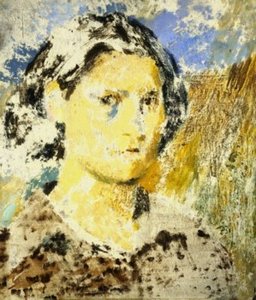
Joan Kathleen Harding Eardley
1921 - 1963 , United Kingdom
Quick Facts
- Artistic Movement Or Style: Social Realism, Expressionism
- Artists Or Movements Influenced By This Artist: ['European Abstract Expressionism']
- Artists Who Influenced This Artist:
- Giotto
- Masaccio
- Scottish Colourists
- Date Of Birth: 1921
- Date Of Death: 1963
- Full Name: Joan Kathleen Harding Eardley
- Nationality: British
- Notable Artworks:
- Bagged Potatoes
- Village, Evening, Catterline
- January Flow Tide
- Place Of Birth: Warwick, United Kingdom
Related Articles
Joan Miró's Masterpieces: 25 Iconic Paintings for Art Lovers & Home Decor
Explore 25 iconic Joan Miró paintings! Discover the stories behind his Surrealist masterpieces, vibrant colors & unique style. Find museum-quality Miro reproductions and elevate your home decor with ArtsDot.com. Explore the full collection online.

John Constable's Masterpieces: Explore 25 Iconic Landscapes for Your Home
Journey through John Constable's 25 most celebrated landscapes. Explore Romanticism, Dedham Vale & his masterful use of light in iconic paintings like 'Hay Wain'. Find museum-quality art reproductions and elevate your home decor on ArtsDot.com.
Alexander Nasmyth: Picturing Scotland's Romantic Landscape – Innovation & Identity
Explore the life & art of Alexander Nasmyth, a pivotal figure in Scottish Romantic landscape painting. Discover his iconic works, including portraits of Robert Burns, and learn about his lasting influence on national identity. Fine art reproductions available.
Cultivating Visions: A Historical Journey Through Rural Landscapes in Art
Explore the rich history of rural landscape painting with ArtsDot. Discover Impressionist masterpieces, key artists & movements. Find your perfect serene artwork and bring nature's beauty home.

Romantic Landscapes: 10 Masterpieces for Your Home | ArtsDot
Journey through 10 Romantic landscape masterpieces by Friedrich, Turner & Cole. Explore emotional art, sublime nature scenes & iconic 19th-century paintings. Find museum-quality reproductions for your home at ArtsDot.com – discover the full collection online!