 Preview
 Send
Send Share
Share
 Details

 Download
 Similars
 X-Ray
X-Ray Diaporama
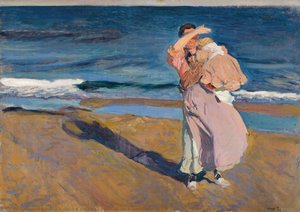
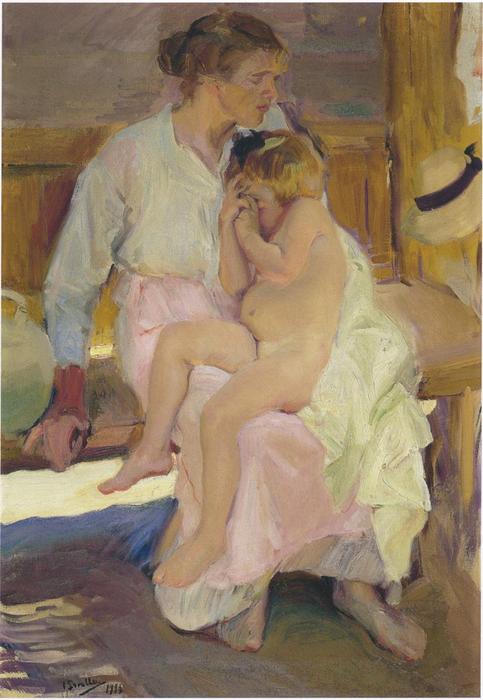
Mother and Daughter, Valencia Beach
 Acrylic On Canvas
- WallArt
- Spanish Impressionism
 1916
1916- 19th Century
 100.0 x 70.0 cm
 Read More
Hand Made Oil Reproduction
Hand-painted oil on canvas in your size and frame, made to order by our artists. ( Buy Print Buy Image)




P118B $10

P118H $10

P118W $10

P438Z $10

P508JH $12

P508YH $12

P805H $10

P805Z $10

P919BZ $10

P919G $10

P919XJ $10

P959ZH $10

P968JZ $12

W106C $8

W218G $10

W218JH $8

W218Y $10

W307PJ $10

W316G $10

W316PJ $8

W316Y $10

W398PJ $8

W4111J $10

W500HY $15

W500JH $15

W692G $12

W849H $8

W940BG $15

W953PJ $8




Pick from our preset sizes that match the artwork's original proportions.

You may enter your own dimensions to fit a specific frame or space. If your selected size does not match the original image's proportions, we will either crop the artwork or extend the painting with additional hand-painted elements. A digital mockup will be sent for your approval before production begins.
Please note that the on-screen preview does not reflect the actual cropping or extension. Only the mockup will accurately show the final composition.
While custom sizes are available, we recommend selecting a dimension from the predefined list to preserve the original proportions.
After order, ArtsDot.com team will email client for instructions and provide a mockup preview
Worldwide Delivery () in 3/4 weeks instead of standard 5 weeks. (17 August). No compromise on quality.

Free Worldwide Express Shipping

High-Quality Linen Canvas

Full Shipping Insurance

Customs Tax Refund Guarantee

True Color Matching Guarantee

60-Day Return Policy (Defects Only)

100% Money-Back Guarantee

Bulk Discount Offer
 Glass option is only available in size under 110 CM

Mother and Daughter, Valencia Beach
Reproduction Medium
Reproduction Size
-


Total Price
$ 263
Artwork Description
A Moment Captured in Valencia’s Golden Light
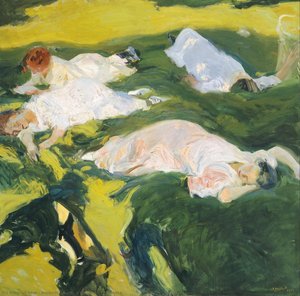
Joaquín Sorolla's "Mother and Daughter, Valencia Beach," painted in 1916, is more than just a depiction of a familial scene; it’s an embodiment of the Spanish artist’s signature style – a masterful orchestration of light, color, and emotion. Born in Valencia in 1863, Sorolla's life was profoundly shaped by early loss, a formative experience that imbued his work with a poignant awareness of beauty's fragility. This painting, created during his peak creative period, exemplifies this sensitivity, capturing a tender moment between a mother and child against the backdrop of the vibrant Valencian coastline. The scene unfolds with an immediacy that draws the viewer into the warmth of the afternoon sun, a hallmark of Sorolla’s technique – he sought to translate the feeling of light itself onto canvas.
- Subject Matter: A quintessential domestic tableau, focusing on the intimate connection between a mother and her child.
- Setting: Valencia Beach, a location deeply resonant with Sorolla’s identity and artistic inspiration.
The Brilliance of Sorolla's Technique
Sorolla was renowned for his rapid brushwork and his ability to capture the fleeting effects of sunlight. He employed a technique he termed “alla prima,” meaning "at first go," working directly onto the canvas with loose, confident strokes. This approach resulted in a shimmering quality, particularly evident in the play of light on the woman’s skin, the child's hair, and the surrounding beach elements. The use of thin glazes layered over a white ground created a luminous effect, intensifying the colors and contributing to the painting’s overall vibrancy. Notice the way he builds up the forms with broken color, creating an impressionistic depth that belies the subject's apparent simplicity.
Historical Context & Symbolism
"Mother and Daughter, Valencia Beach" was painted during a period of significant artistic innovation in Spain. Sorolla’s work aligned with the burgeoning Spanish Impressionist movement, yet he retained a distinctly Spanish sensibility, rooted in his Valencian heritage. The inclusion of the vases and bowl adds to the scene's realism, grounding the idyllic moment within a domestic setting. These objects are not merely decorative; they subtly reinforce the theme of nurturing and care. The beach itself represents freedom, joy, and connection with nature – values central to Sorolla’s worldview.
Emotional Resonance & Artistic Legacy
The painting's enduring appeal lies in its ability to evoke a profound sense of warmth, tenderness, and nostalgia. It is a celebration of family bonds and the simple pleasures of life. Sorolla’s work continues to resonate with viewers today because it captures something universal – the unconditional love between a mother and child. This reproduction offers an exceptional opportunity to own a piece of art history, bringing the brilliance of Sorolla's vision into your home or office. The 100 x 70 cm size is ideal for creating a focal point in any space, allowing the light-filled scene to radiate its captivating beauty.
Related Artworks
Artist Biography
A Life Bathed in Light: The World of Joaquín Sorolla
Joaquín Sorolla y Bastida, a name synonymous with the radiant light and vibrant energy of Spain, was more than just a painter; he was a chronicler of his nation’s soul. Born in Valencia in 1863, Sorolla's early life was marked by tragedy. Orphaned at the tender age of two following a cholera epidemic that claimed both parents, young Joaquín and his sister were raised by their maternal aunt and uncle. This early experience with loss perhaps instilled within him a profound appreciation for the fleeting beauty of life – a sentiment that would permeate his art. Though hardship shadowed his beginnings, it did not dim the spark of artistic talent that quickly became apparent. He received initial instruction in Valencia, demonstrating an aptitude that led to studies under established artists like Cayetano Capuz and José Benlliure, eventually culminating in a four-year grant to study in Rome. It was there, amidst the classical grandeur of Italy, that Sorolla began to forge his unique artistic path, absorbing influences while simultaneously developing a style distinctly his own.From Historical Narratives to Sun-Drenched Realism
Sorolla’s early work reflected the prevailing academic trends of the time – large-scale historical and mythological scenes. However, a pivotal shift occurred as he returned to Spain and began to truly observe the world around him. He found himself captivated by the everyday lives of his countrymen, particularly those along the Valencian coast. The intense Mediterranean sunlight, the shimmering sea, and the vibrant energy of the people became his primary subjects. This transition wasn’t immediate; Sorolla continued to explore social realism with works like Sad Inheritance (1899), a powerful depiction of children afflicted by polio bathing in the sea – a painting that garnered significant acclaim but also revealed a darker, more compassionate side to his artistic vision. Sad Inheritance, exhibited at the Universal Exhibition in Paris, brought him widespread recognition and cemented his position as a leading figure in Spanish art. Yet, it was his increasingly focused exploration of light and color, inspired by Impressionism though never fully embracing its tenets, that would define his legacy. He wasn’t merely *depicting* light; he was attempting to *capture* its very essence, the way it danced on water, illuminated skin, and transformed ordinary moments into scenes of extraordinary beauty.Master of Luminism: A Unique Artistic Voice
Sorolla's technique became instantly recognizable – a bravura display of brushwork, characterized by loose, energetic strokes that conveyed movement and atmosphere. He worked *en plein air* whenever possible, directly confronting the challenges of capturing fleeting light conditions. This dedication to painting outdoors resulted in canvases brimming with life and immediacy. His beach scenes, perhaps his most iconic works, are not simply picturesque representations of leisure; they are studies in luminosity, reflections, and the joyful interaction between people and their environment. Paintings like Children on the Seashore and Sewing the Sail exemplify this mastery – figures bathed in golden light, rendered with a remarkable sense of spontaneity and vitality. He wasn’t interested in meticulous detail; rather, he sought to convey the *impression* of reality, prioritizing atmosphere and emotion over precise representation. This approach earned him comparisons to Impressionists like Monet and Renoir, but Sorolla's work possessed a unique Spanish character – a warmth, intensity, and emotional depth that set it apart.Legacy and Enduring Influence
By the early 20th century, Joaquín Sorolla was internationally renowned. He exhibited widely throughout Europe and the United States, receiving numerous accolades and commissions. His most ambitious undertaking, Vision of Spain, a series of fourteen monumental murals commissioned by the Hispanic Society of America, remains a testament to his artistic vision and technical skill. Though he suffered a stroke in 1920 that curtailed his painting activity, Sorolla’s influence continued to grow after his death in 1923. His work inspired generations of artists, not only in Spain but around the world. Today, his paintings are held in major museums globally, including the Museo Sorolla in Madrid – a former home transformed into a dedicated space for showcasing his art. Sorolla’s legacy extends beyond his technical brilliance; he captured a specific moment in Spanish history and culture, immortalizing the beauty of its landscapes and the spirit of its people. He remains a master of light, color, and emotion—a painter whose work continues to resonate with audiences today, reminding us of the power of art to illuminate our world.Key Achievements & Recognition
- 1892: Gold medal at the National Exhibition in Madrid for Another Marguerite.
- 1894: Acclaimed for The Return from Fishing: Hauling the Boat, acquired by the Musée du Luxembourg.
- 1899: Grand Prix and medal of honor at the Universal Exhibition in Paris for Sad Inheritance.
- 1900-1923: Extensive exhibitions throughout Europe and the United States, establishing international recognition.
- 1912-1928: Commissioned to create Vision of Spain for the Hispanic Society of America (completed posthumously).
- Present Day: Works held in major museums worldwide, including the Museo Sorolla in Madrid.
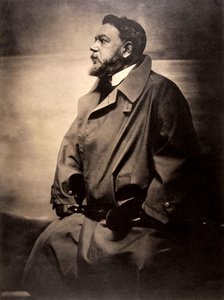
Joaquín Sorolla y Bastida
1863 - 1923 , Spain
Quick Facts
- Artistic Movement Or Style: Realism, Luminism, Impressionism
- Artists Who Influenced This Artist:
- Francisco Pradilla
- Jules Bastien-Lepage
- Adolph von Menzel
- Date Of Birth: February 27, 1863
- Date Of Death: August 10, 1923
- Full Name: Joaquín Sorolla y Bastida
- Nationality: Spanish
- Notable Artworks:
- Italian Girl with Flowers
- Bathing Time
- White Slave Trade
- Typical Sorianos
- Children on the Seashore
- Sewing the Sail
- Place Of Birth: Valencia, Spain
Related Articles
Joaquín Sorolla: Capturing Spanish Light & Life – A Legacy of Impressionism
Explore the luminous world of Joaquín Sorolla, Spanish master of Impressionism. Discover his life, techniques & legacy – a guide for art collectors and enthusiasts. Invest in timeless beauty.

Giclée Prints: Archival Quality & Aesthetic Nuances for the Discerning Collector
Explore the world of giclée prints with ArtsDot. Learn about archival quality, aesthetic nuances & investment potential. Expert guidance for discerning art collectors seeking museum-quality reproductions and lasting value.

The Enduring Legacy of Fine Art Prints: Technique, History & Aesthetic Impact
Explore the rich history & techniques of fine art prints. Discover investment potential, assess authenticity, and learn how to preserve your collection with expert guidance. Trusted insights for discerning collectors.

Echoes of Time: Exploring the Enduring Appeal & Historical Context of Vintage Art Prints
Explore the captivating world of vintage art prints! Discover their history, collecting tips & enduring appeal. Expert insights on chromolithography and building a legacy collection with ArtsDot.
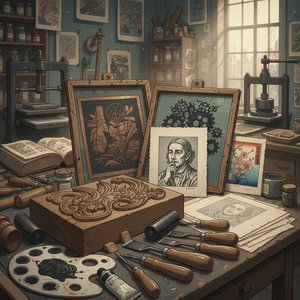
The Enduring Legacy of Printmaking: Techniques, Themes & Artistic Innovation Across Centuries
Explore the rich history of printmaking with ArtsDot. Discover techniques from intaglio to lithography, learn about collecting valuable prints & find museum-quality reproductions. Expert insights for art enthusiasts and collectors.