 Preview
 Send
Send Share
Share
 Details

 Download
 Similars
 X-Ray
X-Ray Diaporama
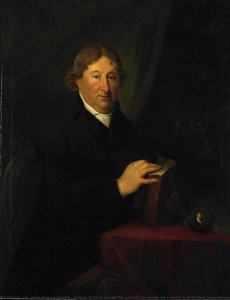
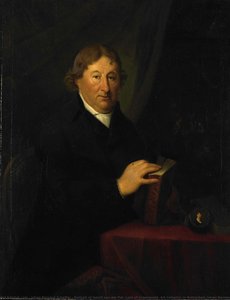
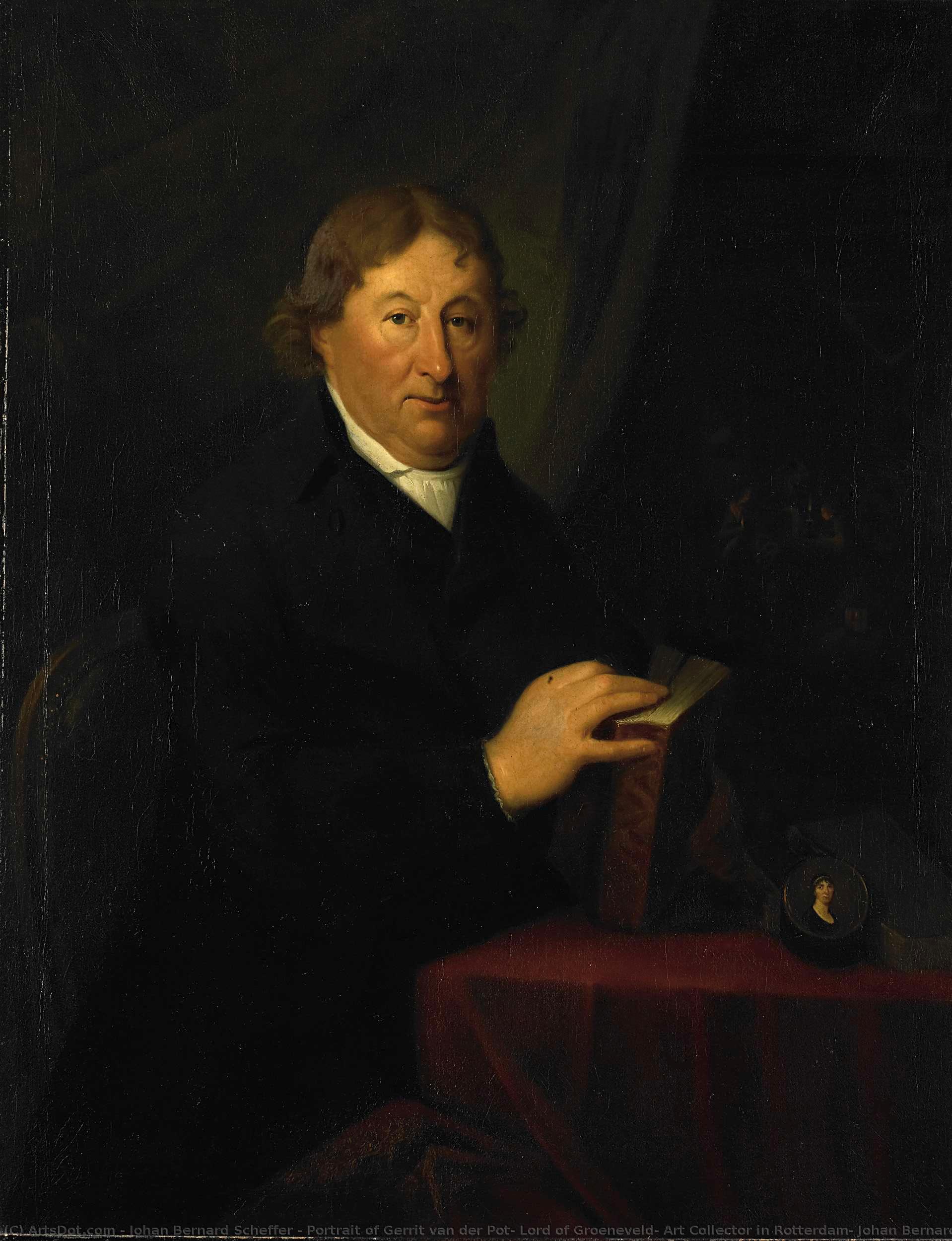
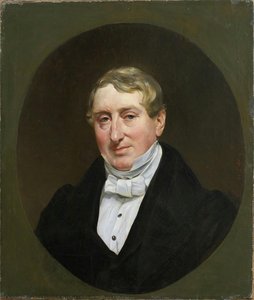
Portrait of Gerrit van der Pot, Lord of Groeneveld, Art Collector in Rotterdam, Johan Bernard Scheffer, 1800 - 1807
 1807
1807 108.0 x 84.0 cm
 Read More
Hand Made Oil Reproduction
Hand-painted oil on canvas in your size and frame, made to order by our artists. ( Buy Print Buy Image)




































Pick from our preset sizes that match the artwork's original proportions.

You may enter your own dimensions to fit a specific frame or space. If your selected size does not match the original image's proportions, we will either crop the artwork or extend the painting with additional hand-painted elements. A digital mockup will be sent for your approval before production begins.
Please note that the on-screen preview does not reflect the actual cropping or extension. Only the mockup will accurately show the final composition.
While custom sizes are available, we recommend selecting a dimension from the predefined list to preserve the original proportions.
After order, ArtsDot.com team will email client for instructions and provide a mockup preview
Worldwide Delivery () in 3/4 weeks instead of standard 5 weeks. (1 September). No compromise on quality.

Free Worldwide Express Shipping

High-Quality Linen Canvas

Full Shipping Insurance

Customs Tax Refund Guarantee

True Color Matching Guarantee

60-Day Return Policy (Defects Only)

100% Money-Back Guarantee

Bulk Discount Offer
 Glass option is only available in size under 110 CM

Portrait of Gerrit van der Pot, Lord of Groeneveld, Art Collector in Rotterdam, Johan Bernard Scheffer, 1800 - 1807
Reproduction Medium
Reproduction Size
-


Total Price
$ 263
Related Artworks









Artist Biography
The Legacy of Johan Bernard Scheffer
In the tapestry of late eighteenth and early nineteenth-century European art, few figures possess a lineage as artistically profound as Johan Bernard Scheffer. Born in 1764 in Homberg, Hesse-Kassel, this German-born painter and etcher carried with him a refined sensibility that would eventually flourish within the vibrant cultural landscapes of the Netherlands. A pupil of the esteemed Johann Friedrich August Tischbein, Scheffer’s early training instilled in him a technical precision that served as the foundation for a career defined by both grace and historical weight. His journey through the artistic hubs of Utrecht and Dordrecht was not merely a personal migration but a movement toward the heart of Dutch creative life, where he would eventually establish himself as a master of his craft.
The narrative of Scheffer’s life is inextricably linked to the intimate connections he forged within the art world. In 1794, he married the talented miniature painter Cornelia Lamme, a union that merged two distinct yet complementary artistic traditions. This partnership was more than romantic; it was a convergence of skill, as Cornelia brought with her the delicate nuances of portrait miniature work, a legacy inherited from her father, the landscape painter Arie Lamme. Together, they navigated the shifting political tides of Europe, moving through The Hague, Rotterdam, and Amsterdam, leaving behind a trail of works that captured the essence of their era.
Artistic Mastery and Courtly Recognition
Scheffer’s oeuvre is characterized by a remarkable versatility, ranging from the meticulous detail of etching to the grand scale of historical compositions. He possessed a rare ability to capture the dignity of his subjects, whether they were private citizens or figures of immense political importance. His talent for portraiture reached its zenith in 1808 when he was appointed as the court painter to Louis Bonaparte, the King of Holland, in Amsterdam. This prestigious appointment placed him at the very center of European power, allowing him to document the faces and the grandeur of a fleeting monarchical era.
Beyond the intimate confines of portraiture, Scheffer sought to engage with the broader currents of history. His large-scale historical works demonstrated an ambition to transcend mere likeness, aiming instead for a narrative depth that resonated with the burgeoning Romantic sentiments of his time. Through his etchings and paintings, he explored themes of identity, status, and the weight of the past, utilizing light and shadow to imbue his subjects with a sense of enduring presence. His work serves as a vital visual record of the transition from the structured elegance of the late Enlightenment to the more emotive and dramatic impulses of the early nineteenth century.
A Lasting Artistic Lineage
Though his life was tragically short, ending in 1809 at the age of forty-four, Johan Bernard Scheffer’s influence extended far beyond his own brushstrokes. His most enduring contribution to the art world may well be the artistic brilliance he passed on to his descendants. He was the father of the renowned Dutch-French Romantic painter Ary Scheffer, a man whose works based on literature and religious subjects would go on to define an entire movement in Paris. The technical rigor and emotional depth found in Johan Bernard’s work provided the essential bedrock upon which Ary built his international reputation.
The significance of Scheffer lies not only in his individual achievements but in his role as a bridge between generations and nations. He brought German training to Dutch soil, enriched it with the traditions of his wife's lineage, and ultimately fathered one of the most important painters of the Romantic era. To study the works of Johan Bernard Scheffer is to witness the quiet, powerful pulse of an artist who, while operating in the shadows of history, helped shape the very trajectory of European painting.