 Preview
 Send
Send Share
Share
 Details

 Download
 Similars
 X-Ray
X-Ray Diaporama
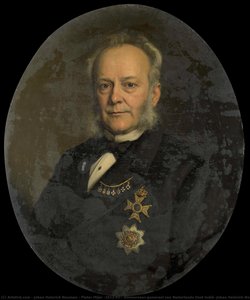
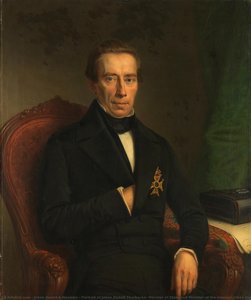
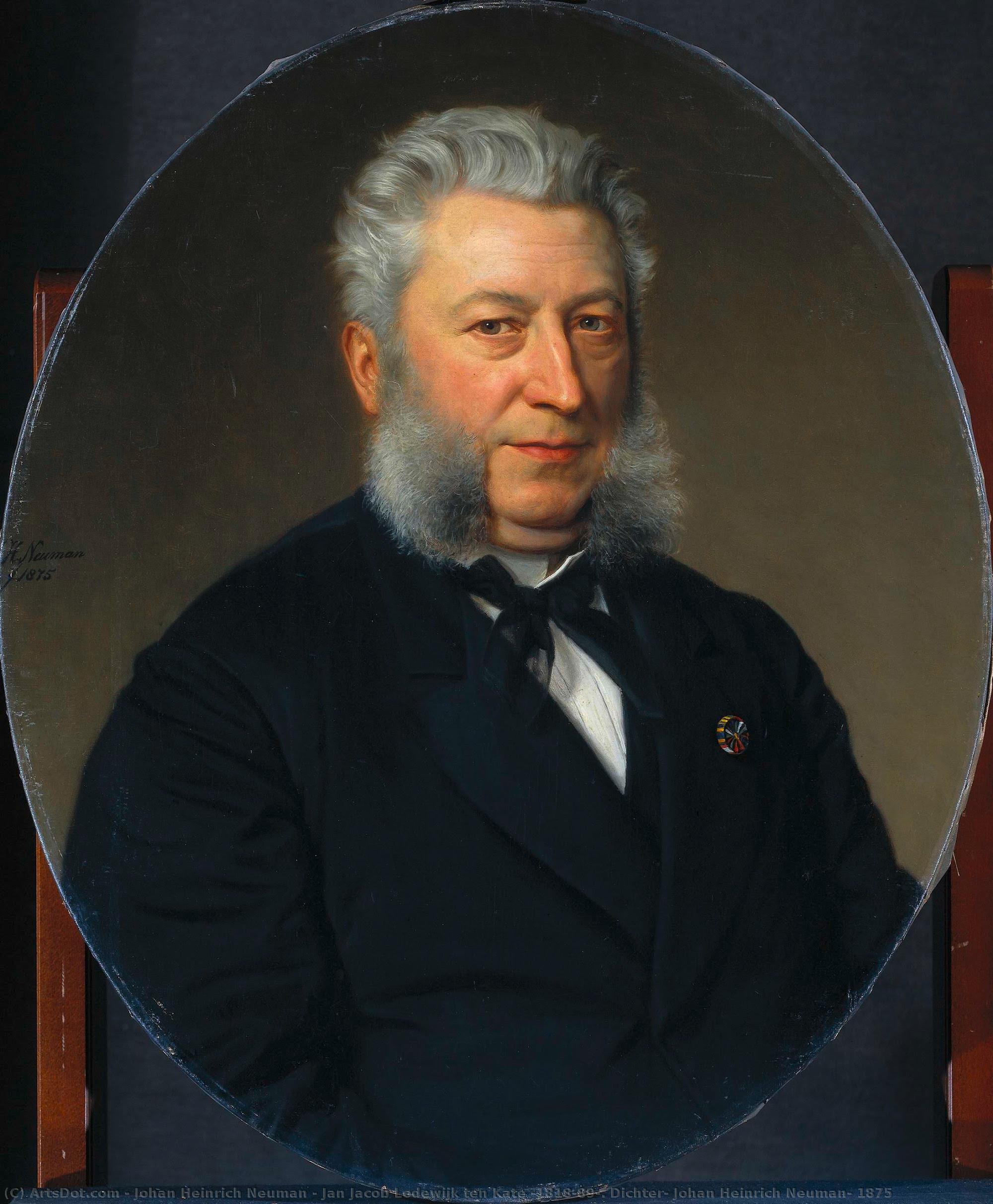
Jan Jacob Lodewijk ten Kate (1818-89). Dichter, Johan Heinrich Neuman, 1875
 1875
1875 76.0 x 63.0 cm
 Read More
Giclée / Art Print
Museum-quality giclée or canvas print with fast production and flexible finish options. ( Buy Hand Made Painting Buy Image)




































Pick from our preset sizes that match the artwork's original proportions.

You may enter your own dimensions to fit a specific frame or space. If your selected size does not match the original image's proportions, we will either crop the artwork or extend the image with a mirrored or solid-fill edge. A digital mockup will be sent for your approval before production begins.
Please note that the on-screen preview does not reflect the actual cropping or extension. Only the mockup will accurately show the final composition.
While custom sizes are available, we recommend selecting a dimension from the predefined list to preserve the original proportions.
Worldwide Delivery () in 2 weeks instead of standard 4/5 weeks. (26 August)

Free Worldwide Express Shipping

High-Quality Linen Canvas

Full Shipping Insurance

Customs Tax Refund Guarantee

True Color Matching Guarantee

60-Day Return Policy (Defects Only)

100% Money-Back Guarantee

Bulk Discount Offer
 Glass option is only available in size under 110 CM

Jan Jacob Lodewijk ten Kate (1818-89). Dichter, Johan Heinrich Neuman, 1875
Giclée / Art Print
Reproduction Size
-


Total Price
$ 63
Collectible Description
Related Artworks







Artist Biography
A Master of Dutch Portraiture: The Life and Art of Johan Heinrich Neuman
Johan Heinrich Neuman, born in Cologne in 1819 and passing away in 1898, was a prominent figure in the landscape of 19th-century Dutch painting. While perhaps not as widely celebrated today as some of his contemporaries, Neuman’s meticulous portraits offer a fascinating glimpse into the social and political currents of his time, revealing a skilled artist deeply attuned to both the formal demands of his craft and the character of his sitters. His life unfolded during a period of significant change in Dutch society—the transition from monarchy to constitutional rule—and his work reflects this evolving world, capturing the dignity and gravitas of those who shaped it. Neuman’s early life was steeped in artistic tradition; he was the son of Gerrit Neuman, a merchant, and Henriette Cornelia Nahuijs, and received his foundational training at the Royal Academy in Amsterdam. Here, he studied under esteemed artists like Louis Henri de Fontenay, Jan Adam Kruseman, and Nicolaas Pieneman, absorbing techniques that would define his signature style.Formative Years and Artistic Development
Neuman’s artistic journey was marked by a dedication to realism and an ability to capture subtle nuances of personality. He wasn't merely replicating likenesses; he sought to convey the inner life of those he painted. His early works, often genre scenes alongside his portraiture, demonstrate a keen eye for detail and composition. However, it was in the realm of portraiture that Neuman truly excelled. He married Aletta Catharina Petronella Elisabeth Theunisz in 1850, and their union brought forth Clasine Neuman, who herself became a painter, continuing the family’s artistic legacy. Throughout his career, Neuman remained connected to the artistic community through his membership in Arti et Amicitiae, participating in exhibitions of Living Masters and further solidifying his position within Dutch art circles. His portraits were often based on photographs, a relatively new technology at the time, which allowed for an unprecedented level of accuracy. While this commitment to realism was admired, some critics noted that his works could sometimes lack a certain warmth or emotional depth, prioritizing precision over expressive vitality.Capturing the Pillars of Dutch Society
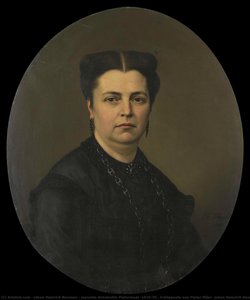
Neuman’s clientele included prominent figures from across the political and social spectrum. He is particularly remembered for his portraits of individuals involved in the shaping of modern Netherlands. One notable example is his 1875 portrait of Pieter Mijer, then Governor-General of the Dutch East Indies. This painting exemplifies Neuman's formal style—dignified and precise, showcasing medals and rich detail that underscored Mijer’s authority and position. Equally compelling is his 1876 portrait of Jeanette Antoinette Pietermaat, Mijer’s wife. Here, Neuman demonstrates a mastery of oil-on-canvas technique, blending realism with romanticism to create an image of elegant composure. Perhaps one of his most historically significant works is the 1852 portrait of Johan Rudolph Thorbecke, the statesman credited with drafting the revised Constitution of the Netherlands in 1848. This portrait captures Thorbecke as a thoughtful and resolute leader—a visual testament to the man who laid the foundations for the country’s modern political system.Influences and Legacy
Neuman's artistic influences were diverse, reflecting his broad education and exposure to various styles. His early training instilled in him a respect for classical traditions, while his travels through Germany introduced him to the currents of historism and Romanticism. He absorbed elements from Venetian painting, particularly in his handling of light and color, evident in works like *Portrait of a Young Woman in a White Dress*. However, Neuman ultimately forged his own path, developing a distinctive style characterized by meticulous detail, formal composure, and a commitment to realism. While he may not have been an innovator in the same vein as some of his contemporaries, his portraits provide invaluable insights into the lives and personalities of those who shaped 19th-century Netherlands. His work serves as a visual record of a pivotal era—a time of political transformation and social change.- Technical Skill: Neuman’s mastery of oil painting techniques, particularly his attention to detail and use of glazing, ensured the longevity and quality of his works.
- Historical Documentation: His portraits offer a valuable glimpse into the appearance and character of prominent Dutch figures during a period of significant political change.
- Formal Composition: Neuman’s compositions are often characterized by their dignity, balance, and attention to symbolic detail.
A Lasting Impression
Though perhaps less celebrated in the broader art historical narrative, Johan Heinrich Neuman remains a significant figure in Dutch painting. His portraits stand as testaments to his technical skill, his keen eye for character, and his ability to capture the spirit of an era. His work continues to be studied and admired by scholars and collectors alike, offering a window into the lives and personalities of those who shaped the modern Netherlands. The enduring appeal of Neuman’s art lies in its quiet dignity, its meticulous detail, and its unwavering commitment to realism—qualities that continue to resonate with audiences today.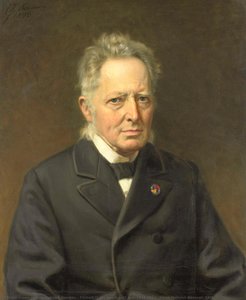
Quick Facts
- Artistic Movement Or Style: Genre scenes, portraits
- Artists Who Influenced This Artist:
- Louis Henri de Fontenay
- Jan Adam Kruseman
- Nicolaas Pieneman
- Date Of Birth: 1819
- Date Of Death: Living
- Full Name: Johan Heinrich Neuman
- Nationality: Dutch
- Notable Artworks:
- Pieter Mijer (1875)
- Jeanette Pietermaat (1876)
- Thorbecke portrait (1852)
- Place Of Birth: Cologne, Germany