 Preview
 Send
Send Share
Share
 Details

 Download
 Similars
 X-Ray
X-Ray Diaporama
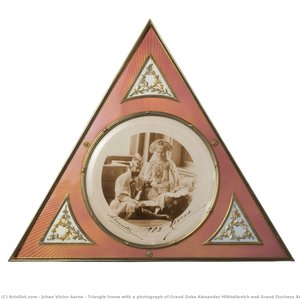
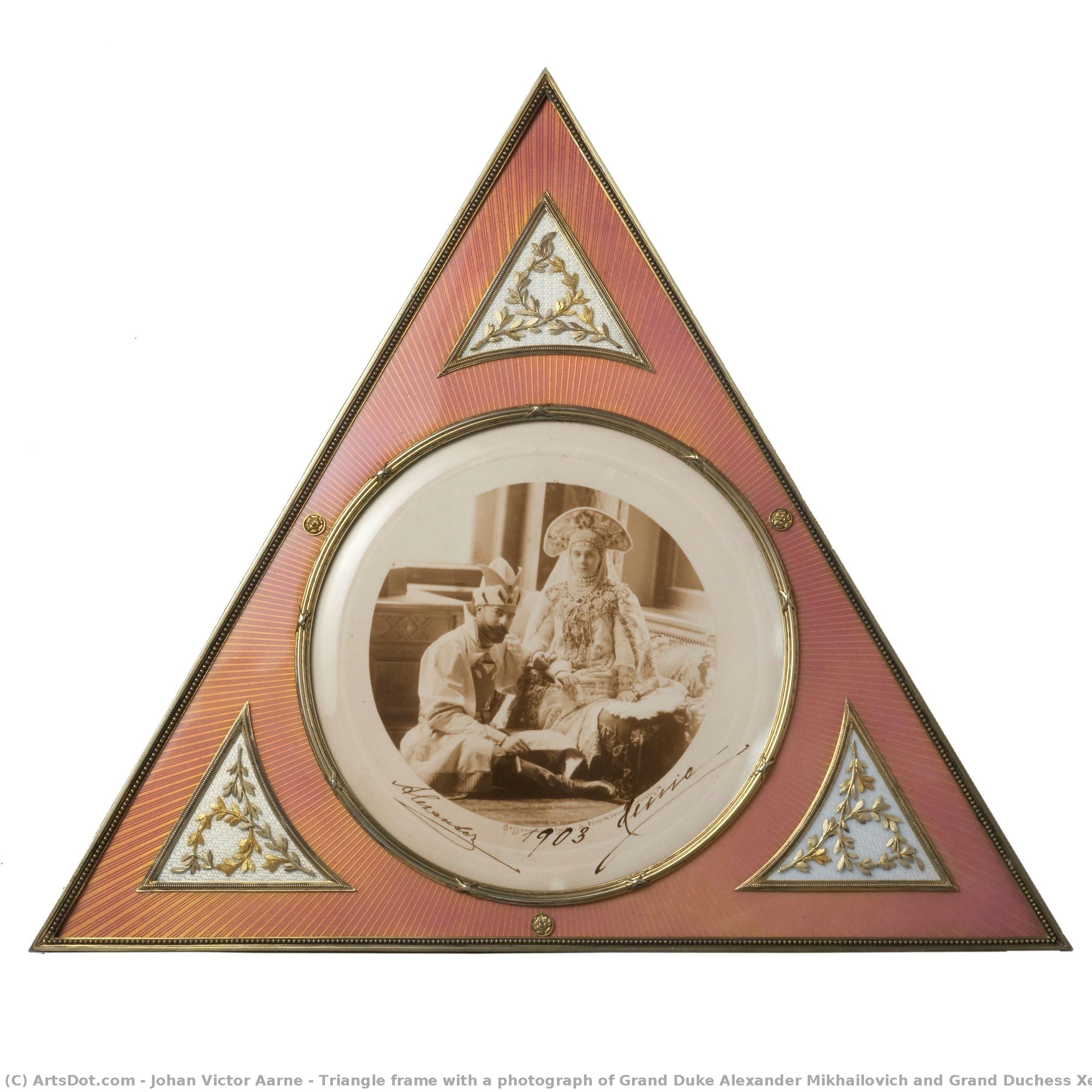
Triangle frame with a photograph of Grand Duke Alexander Mikhailovich and Grand Duchess Xenia Alexandrovna


 Read More
Hand Made Oil Reproduction
Hand-painted oil on canvas in your size and frame, made to order by our artists. ( Buy Print Buy Image)




P118B $10

P118H $10

P118W $10

P438Z $10

P508JH $12

P508YH $12

P805H $10

P805Z $10

P919BZ $10

P919G $10

P919XJ $10

P959ZH $10

P968JZ $12

W106C $8

W218G $10

W218JH $8

W218Y $10

W307PJ $10

W316G $10

W316PJ $8

W316Y $10

W398PJ $8

W4111J $10

W500HY $15

W500JH $15

W692G $12

W849H $8

W940BG $15

W953PJ $8




Pick from our preset sizes that match the artwork's original proportions.

You may enter your own dimensions to fit a specific frame or space. If your selected size does not match the original image's proportions, we will either crop the artwork or extend the painting with additional hand-painted elements. A digital mockup will be sent for your approval before production begins.
Please note that the on-screen preview does not reflect the actual cropping or extension. Only the mockup will accurately show the final composition.
While custom sizes are available, we recommend selecting a dimension from the predefined list to preserve the original proportions.
After order, ArtsDot.com team will email client for instructions and provide a mockup preview
Worldwide Delivery () in 3/4 weeks instead of standard 5 weeks. (16 August). No compromise on quality.

Free Worldwide Express Shipping

High-Quality Linen Canvas

Full Shipping Insurance

Customs Tax Refund Guarantee

True Color Matching Guarantee

60-Day Return Policy (Defects Only)

100% Money-Back Guarantee

Bulk Discount Offer
 Glass option is only available in size under 110 CM

Triangle frame with a photograph of Grand Duke Alexander Mikhailovich and Grand Duchess Xenia Alexandrovna
Reproduction Medium
Reproduction Size
-


Total Price
$ 288
Artwork Description
Triangle Frame with Grand Duke Alexander Mikhailovich and Grand Duchess Xenia Alexandrovna – A Portrait of Melancholy Majesty
The artwork, titled “Triangle Frame with Grand Duke Alexander Mikhailovich and Grand Duchess Xenia Alexandrovna,” embodies a poignant blend of geometric precision and emotive vulnerability—a hallmark of Symbolist art informed by the anxieties of its time. Created by Johan Victor Aarne in 1903, this piece transcends mere representation; it delves into the psychological landscape of its subjects and speaks to universal themes of sorrow and remembrance.A Geometric Vessel for Emotion
The frame itself is constructed from wood and meticulously adorned with gold leaf, demonstrating a masterful blend of craftsmanship and artistic vision. Its triangular form—a deliberate choice—creates an arresting visual rhythm that draws the eye inward towards the central photograph. The gradient color scheme employed in the gold leaf detailing – transitioning from a deep reddish-orange at the base to a lighter orange hue – subtly underscores the emotional depth of the artwork, mirroring the shifting moods experienced by those contemplating its beauty. Floral motifs intricately etched into the frame’s surface contribute to an overall sense of elegance and refinement while simultaneously hinting at the ephemeral nature of life and beauty.The Photograph: A Moment Frozen in Time
Within the triangular frame resides a black and white photograph depicting Grand Duke Alexander Mikhailovich and Grand Duchess Xenia Alexandrovna seated together. The image captures a formal pose, reflecting the rigid social conventions of the Edwardian era. However, beneath the veneer of regal composure lies an undeniable air of melancholy—a palpable sense of sadness conveyed through subtle facial expressions and posture. The photograph’s grainy texture lends it an immediacy that contrasts sharply with the polished surface of the gold frame, highlighting the artist's intention to capture not just a likeness but also the essence of human emotion.Symbolism Rooted in Suffering
The triangular frame is more than simply a structural element; it functions as a powerful symbol—representing stability and aspiration juxtaposed against the inevitable decline inherent in existence. The choice of gold leaf, traditionally associated with divinity and immortality, elevates the artwork’s spiritual dimension, suggesting that even amidst sorrow, there exists an enduring yearning for transcendence. Furthermore, the floral motifs interwoven throughout the frame serve as emblems of beauty and fragility—a reminder that all things must eventually pass away.Technique: Photographic Printing Combined with Handcrafted Ornamentation
Aarne skillfully combines photographic printing techniques with painstaking handcraftsmanship to achieve his artistic goals. The photograph itself is produced using silver gelatin print, a process favored during the period for its ability to reproduce tonal nuances with remarkable accuracy. Simultaneously, the frame’s gold leaf detailing represents hours of meticulous labor—a testament to the artist's dedication and skill. This dual approach underscores Aarne’s commitment to capturing both visual fidelity and emotional resonance—creating an artwork that is simultaneously intellectually stimulating and emotionally captivating.Concluding Reflections
“Triangle Frame with Grand Duke Alexander Mikhailovich and Grand Duchess Xenia Alexandrovna” stands as a poignant meditation on human experience, encapsulating the anxieties of its time within a framework of geometric elegance and symbolic richness. Its enduring appeal lies in its ability to evoke profound emotions—reminding us that beauty can coexist with sorrow and that art possesses the capacity to illuminate the deepest recesses of our souls. It remains an exquisite example of Symbolist artistry – a timeless portrait of melancholy majesty destined to inspire contemplation for generations to come.Related Artworks
Artist Biography
Edvard Munch: A Soul Exposed
Edvard Munch (December 12, 1863 – January 23, 1944) stands as one of the most profoundly influential and emotionally resonant figures in modern art. Born in Løten, Norway, his life was marked by a relentless struggle with illness, loss, and an acute awareness of human suffering—experiences that became the very bedrock of his artistic vision. More than simply depicting scenes, Munch sought to externalize inner turmoil, capturing the anxieties and spiritual anguish of the modern individual through a uniquely expressive style that would profoundly impact both Symbolism and Expressionism. His legacy endures not just in the iconic imagery of *The Scream*, but in the raw honesty and vulnerability he brought to portraying the darkest corners of the human psyche.Early Life and Influences: A Shadowed Childhood
Munch’s childhood was far from idyllic. He endured a series of devastating losses, including the deaths of his mother and two siblings from tuberculosis when he was just five years old. His father, a devout Christian minister, instilled in him a deep sense of guilt and mortality, while his brother Andreas succumbed to mental illness, further fueling Munch’s preoccupation with death and disease. These formative experiences profoundly shaped his artistic sensibility, leading him to explore themes of sickness, grief, and the fragility of life. Initially studying at the Kristiania Art School, he quickly rejected the prevailing naturalistic trends, seeking instead a means of expressing his own subjective emotional reality. Influenced by figures like Paul Gauguin and Vincent van Gogh—artists who prioritized personal expression over objective representation—Munch began to experiment with bold colors, distorted forms, and unsettling imagery. The bohemian circles of Kristiania provided an environment where unconventional ideas were embraced, fostering Munch’s exploration of psychological themes and his rejection of bourgeois norms.The Development of a Distinctive Style: Symbolism and Beyond
Munch's artistic style evolved dramatically over the course of his career, moving through various phases influenced by contemporary movements. Initially drawn to Symbolist aesthetics—characterized by evocative imagery and an emphasis on subjective experience—he developed a highly personal visual language rooted in emotional intensity. His early works, such as *Madonna* (1893-94) and *The Vampire* (1893-95), demonstrate this shift towards exploring psychological states through symbolic representation. However, Munch’s style quickly transcended the limitations of Symbolism, anticipating the tenets of Expressionism with its focus on conveying raw emotion and distorted reality. The pivotal work, *The Scream* (originally titled *Der Schrei der Natur*, or “The Cry of Nature”), created in 1893, perfectly encapsulates this evolution. Born from a personal experience—Munch described hearing an "enormous, infinite scream" while walking at sunset—the painting depicts a figure overwhelmed by existential dread, rendered through swirling lines, jarring colors, and a profoundly unsettling composition. Later works like *Death* (1894) and *The Celibacy* (1895) continued to explore themes of mortality, isolation, and psychological torment, solidifying Munch’s reputation as a master of emotional expression.Major Works and Lasting Legacy
Beyond *The Scream*, Munch produced an extensive body of work encompassing paintings, prints, drawings, and sculptures. His series *Frieze of Life* (1893-1900), depicting stages of love, anxiety, jealousy, and death, remains a powerful testament to his exploration of the human condition. His lithographs, particularly those based on *The Blood Sacrifice*, are renowned for their haunting beauty and psychological depth. Munch’s influence extends far beyond the realm of painting; his work has resonated deeply with audiences across generations, becoming a symbol of modern anxiety and existential angst. His unflinching portrayal of inner turmoil paved the way for subsequent Expressionist artists, including Ernst Ludwig Kirchner and Emil Nolde, while his exploration of color and form continues to inspire contemporary artists today. The Munch Museum in Oslo houses an extensive collection of his works, offering visitors a profound opportunity to engage with the artist’s intensely personal and profoundly moving vision.A Complex Figure: Death and Recognition
Edvard Munch died on January 23, 1944, at the age of 80, in Ekely, near Oslo. Despite his growing fame during his lifetime, particularly after *The Scream* achieved international recognition, Munch struggled with personal insecurities and a persistent sense of isolation. His later years were marked by periods of mental instability, culminating in a brief hospitalization in 1908. Remarkably, despite the restrictions placed on his work during Nazi occupation, many of his paintings survived World War II, ensuring that his legacy would endure. Today, Edvard Munch is universally recognized as one of the most important and influential artists of the modern era—a visionary who dared to expose the darkest recesses of the human soul with unparalleled honesty and emotional power.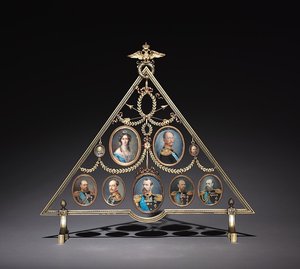
johan victor aarne
1863 - 1934 , Finland
Quick Facts
- Artistic Movement Or Style: Expressionism, Symbolism
- Artists Or Movements Influenced By This Artist: ['German Expressionism']
- Artists Who Influenced This Artist:
- Paul Gauguin
- Vincent van Gogh
- Date Of Birth: December 12, 1863
- Date Of Death: January 23, 1944
- Full Name: Edvard Munch
- Nationality: Norwegian
- Notable Artworks:
- The Scream
- Madonna
- Place Of Birth: Løten, Norway
Related Articles
The Frame as Argument: An Expert Guide to Selecting the Perfect Frame for Your Art
Master the art of presentation with our expert guide on choosing the perfect frame. Learn how to enhance your artwork's value, complement your interior design, and ensure long-term preservation through professional framing techniques for collectors and enthusiasts alike.
Framing Perception: A Comprehensive Guide to Selecting Frames that Enhance Interior Styles and Artwork Value
Elevate your space with expert art framing guidance! Discover how to choose frames that enhance artwork & interior design, protect valuable pieces, and create stunning displays. Trusted advice for designers & collectors.
Enhancing Art with Framing: A Guide to Selection & Aesthetic Integration
Elevate your artwork with expert framing advice. This guide covers styles, materials, preservation techniques & client consultation for stunning results. Enhance value & protect your investment.
Beyond the Canvas: Framing as a Catalyst for Value & Aesthetic Impact in Luxury Art Reproduction
Discover how expert framing elevates your art investment & interior design. Explore museum-quality options, bespoke sizing, and preservation techniques for discerning collectors. Enhance value & aesthetic impact with ArtsDot.
Beyond Ornamentation: The Psychological Impact of Framing on Aesthetic Perception & Artistic Value
Explore the profound psychological impact of framing on art perception & value. Discover how color, composition, and historical context influence aesthetic judgment. Expert insights for collectors.