 Preview
 Send
Send Share
Share
 Details

 Download
 Similars
 X-Ray
X-Ray Diaporama
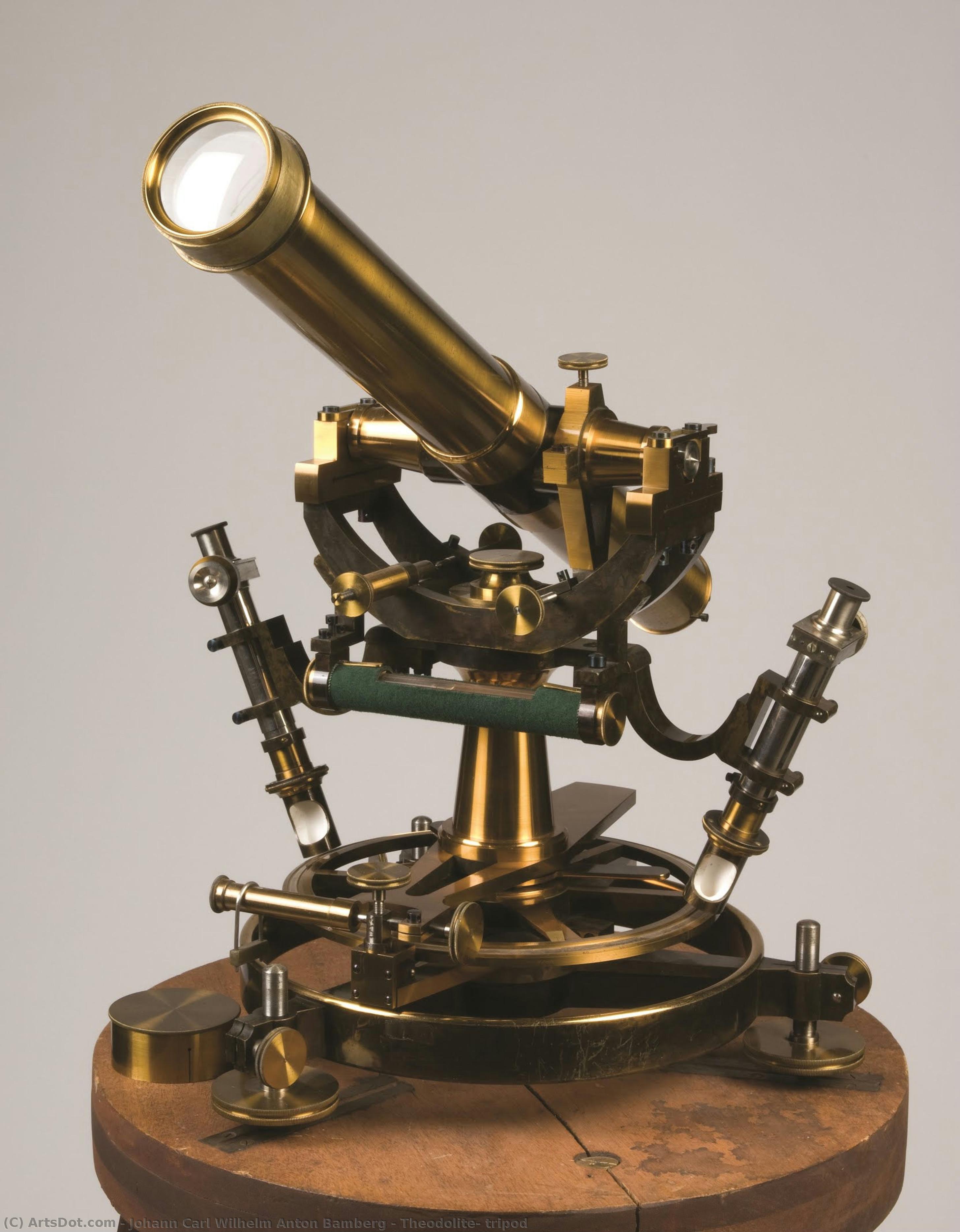
Theodolite, tripod
 335.0 x 55.0 cm
 Canberra Museum and Gallery
 Read More
Hand Made Oil Reproduction
Hand-painted oil on canvas in your size and frame, made to order by our artists. ( Buy Print Buy Image)




































Pick from our preset sizes that match the artwork's original proportions.

You may enter your own dimensions to fit a specific frame or space. If your selected size does not match the original image's proportions, we will either crop the artwork or extend the painting with additional hand-painted elements. A digital mockup will be sent for your approval before production begins.
Please note that the on-screen preview does not reflect the actual cropping or extension. Only the mockup will accurately show the final composition.
While custom sizes are available, we recommend selecting a dimension from the predefined list to preserve the original proportions.
After order, ArtsDot.com team will email client for instructions and provide a mockup preview
Worldwide Delivery () in 3/4 weeks instead of standard 5 weeks. (23 August). No compromise on quality.

Free Worldwide Express Shipping

High-Quality Linen Canvas

Full Shipping Insurance

Customs Tax Refund Guarantee

True Color Matching Guarantee

60-Day Return Policy (Defects Only)

100% Money-Back Guarantee

Bulk Discount Offer
 Glass option is only available in size under 110 CM

Theodolite, tripod
Reproduction Medium
Reproduction Size
-


Total Price
$ 263
Artwork Description
Related Artworks




Artist Biography
Albert Pinkham Ryder: A Visionary of American Isolation
Born in New Bedford, Massachusetts, on March 19, 1847, Albert Pinkham Ryder remains one of the most enigmatic and intensely private figures in American art. His life was a tapestry woven with self-imposed exile, obsessive dedication to his craft, and an unwavering pursuit of capturing the essence of solitude and memory through his paintings. While he achieved some recognition during his lifetime, Ryder’s work remained largely misunderstood until relatively recently, lauded now for its unique blend of tonalism, symbolism, and a profound exploration of the human psyche.
Ryder's early life offered little indication of the artist he would become. He received minimal formal training, initially studying at the National Academy of Design in New York City but finding it stifling. He briefly worked as a clerk for his brother’s hotel, the Hotel Albert, a bustling Greenwich Village establishment that provided him with a constant stream of subjects and a degree of anonymity. This period fostered a detachment from conventional society, a characteristic that would define much of his later life.
- Early Influences: Ryder's artistic development was profoundly shaped by his exposure to European art during several trips to France and Belgium between 1877 and 1889. He particularly admired the works of the Barbizon School painters, known for their atmospheric landscapes and emphasis on capturing light and mood. Similarly, he found inspiration in the Dutch Masters, especially their use of muted colors and subtle tonal variations.
- A Reclusive Existence: Ryder deliberately cultivated a life of isolation, moving frequently between New York City, Boston, and later, to rural areas like Connecticut and Pennsylvania. He rarely exhibited his work publicly and shunned social gatherings, preferring the company of his paintings and the solitude of nature. This deliberate withdrawal contributed to the mystique surrounding his art.
- Unique Style: Ryder’s distinctive style is characterized by a remarkable sensitivity to light and color, often employing a limited palette of muted tones—grays, browns, blues, and greens—to create atmospheric effects. His compositions frequently feature solitary figures or objects within ambiguous settings, evoking feelings of loneliness, nostalgia, and introspection. He was particularly known for his depictions of interiors, seascapes, and dreamlike visions.
The Language of Dreams: Symbolism in Ryder’s Work
Ryder's paintings are rich in symbolism, though he rarely offered explicit explanations of their meaning. Many scholars believe that his works represent a series of interconnected dreams or memories, filtered through the lens of his own psychological landscape. Recurring motifs—such as windows, mirrors, and solitary figures—suggest themes of confinement, reflection, and the search for identity.
- Windows and Mirrors: These elements frequently appear in Ryder’s paintings, symbolizing both a desire to escape and an inability to fully break free from one's own self. They represent portals to other worlds or reflections of inner states.
- Solitary Figures: The presence of lone figures—often depicted in dimly lit interiors or desolate landscapes—underscores the theme of isolation and introspection. These figures seem lost in thought, grappling with their own experiences and emotions.
- Color as Emotion: Ryder’s use of color is not merely descriptive but deeply expressive. Cool blues and greens often convey feelings of melancholy and loneliness, while warmer tones suggest fleeting moments of hope or memory.
Despite his reclusive nature, Ryder achieved some commercial success during his lifetime, selling paintings to prominent collectors like J. Alden Weir. However, it was only after his death in 1917 that his work began to receive serious critical attention and recognition as a significant contribution to American art.
Legacy and Recognition
Today, Albert Pinkham Ryder is increasingly celebrated for his unique vision and emotional depth. His paintings are prized for their atmospheric qualities, evocative symbolism, and the profound sense of solitude they convey. Ryder’s work has been exhibited in major museums around the world, including the Metropolitan Museum of Art, the National Gallery of Art, and the Art Institute of Chicago.
- Critical Reassessment: In the mid-20th century, Ryder's art was largely overlooked by mainstream critics. However, starting in the 1970s, a renewed interest in tonalism and American Symbolist painters led to a reassessment of his work’s significance.
- Influence on Modern Art: Scholars now recognize Ryder as a precursor to modernism, anticipating certain trends in abstraction and psychological exploration that would emerge decades later. His emphasis on subjective experience and the power of color paved the way for future generations of American artists.
Albert Pinkham Ryder’s life and work remain shrouded in mystery, but his paintings continue to resonate with viewers who are drawn to their haunting beauty and profound emotional intensity. He stands as a testament to the transformative power of solitude and the enduring allure of dreams.
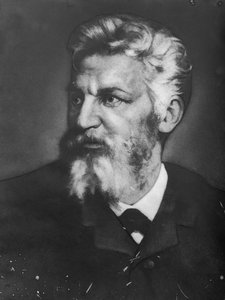
johann carl wilhelm anton bamberg
1847 - 1892 , Germany
Quick Facts
- Artistic Movement Or Style: Tonalism, Symbolism
- Artists Or Movements Influenced By This Artist: ['Modernism']
- Artists Who Influenced This Artist:
- William Morris
- J. Alden Weir
- Date Of Birth: March 19, 1847
- Date Of Death: March 28, 1917
- Full Name: Albert Pinkham Ryder
- Nationality: American
- Notable Artworks:
- The Music-Master
- The Dives of Pompeii
- The Fisherman's Friends
- The Old Man Painting a Sunburst
- Place Of Birth: New Bedford, Massachusetts