 Preview
 Send
Send Share
Share
 Details

 Download
 Similars
 X-Ray
X-Ray Diaporama
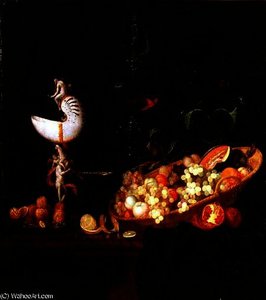
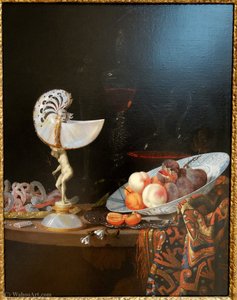
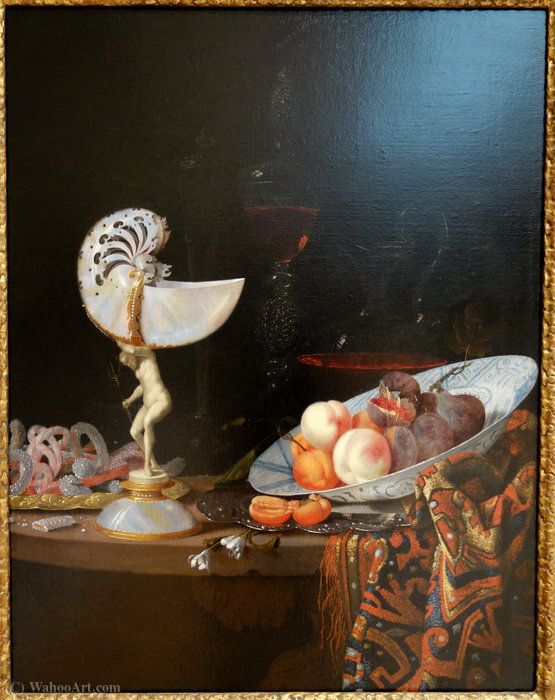
Still Life with Nautilus Cup and Fruit
 Read More
Hand Made Oil Reproduction
Hand-painted oil on canvas in your size and frame, made to order by our artists. ( Buy Print Buy Image)




































Pick from our preset sizes that match the artwork's original proportions.

You may enter your own dimensions to fit a specific frame or space. If your selected size does not match the original image's proportions, we will either crop the artwork or extend the painting with additional hand-painted elements. A digital mockup will be sent for your approval before production begins.
Please note that the on-screen preview does not reflect the actual cropping or extension. Only the mockup will accurately show the final composition.
While custom sizes are available, we recommend selecting a dimension from the predefined list to preserve the original proportions.
After order, ArtsDot.com team will email client for instructions and provide a mockup preview
Worldwide Delivery () in 3/4 weeks instead of standard 5 weeks. (21 August). No compromise on quality.

Free Worldwide Express Shipping

High-Quality Linen Canvas

Full Shipping Insurance

Customs Tax Refund Guarantee

True Color Matching Guarantee

60-Day Return Policy (Defects Only)

100% Money-Back Guarantee

Bulk Discount Offer
 Glass option is only available in size under 110 CM

Still Life with Nautilus Cup and Fruit
Reproduction Medium
Reproduction Size
-


Total Price
$ 263
Related Artworks
Artist Biography
Johann Georg Hinz: A Master of Baroque Still Life
Johann Georg Hinz (1630 – 1688) stands as a singular figure in the landscape of German Baroque art, celebrated primarily for his exquisitely rendered still lifes that captured the essence of both opulent aristocratic interiors and the meticulous observation of natural subjects. Though overshadowed by contemporaries like Rembrandt and Rubens, Hinz’s oeuvre possesses a quiet elegance and profound psychological insight that continues to fascinate scholars and collectors alike.Early Life and Training
Born in Düsseldorf, Hinz's formative years were steeped in the artistic traditions of Rhineland. His father, Johann Christoph Hinz, was a painter and engraver who instilled in his son a passion for visual representation from an early age. While biographical details surrounding Hinz’s life remain scarce – largely due to incomplete archival records – evidence suggests he received formal training under Valentin Leberecht Petelko, a prominent Düsseldorf artist known for his landscapes and portraits. This exposure to diverse artistic styles undoubtedly shaped Hinz's developing aesthetic sensibilities.The Düsseldorf Workshop and Artistic Style
Hinz established his own workshop in Düsseldorf around 1658, attracting students eager to hone their skills under his tutelage. His studio quickly became a hub of artistic activity, fostering a distinctive Düsseldorf school style characterized by meticulous detail, luminous color palettes, and an emphasis on capturing the subtle nuances of texture and light. Unlike many artists of his time who sought grand commissions or theatrical spectacle, Hinz focused primarily on producing intimate paintings – often depicting fruit arrangements, flowers, insects, and curiosities—that reflected a humanist preoccupation with beauty and observation.Influences and Artistic Techniques
Hinz’s artistic vision was undeniably influenced by the prevailing stylistic currents of the Baroque period, particularly the Dutch Masters' masterful handling of chiaroscuro (light and shadow). Artists like Johannes Vermeer and Frans Hals served as models for Hinz’s meticulous attention to realism and his ability to convey emotion through subtle gestures and expressions. However, Hinz transcended mere imitation; he infused his paintings with a distinctly German sensibility—a sensitivity to the natural world combined with an intellectual engagement with humanist ideals. He skillfully employed glazing techniques – applying thin layers of translucent paint over opaque colors – to achieve remarkable luminosity and depth, creating surfaces that shimmered with reflected light. Furthermore, Hinz’s meticulous preparatory sketches demonstrate his dedication to capturing precise anatomical details and accurately portraying the textures of various materials.Notable Works and Legacy
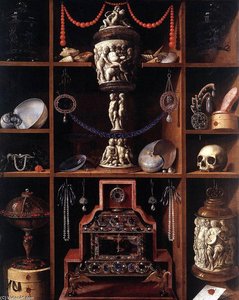
Among Hinz's most celebrated paintings are “Still Life with Fruit,” “Floral Still Life,” and “Insect Cabinet,” each showcasing his unparalleled mastery of technique and artistic vision. These works exemplify the Düsseldorf school’s hallmark qualities: exquisite detail, harmonious color palettes, and a profound understanding of visual perception. Although Hinz’s output was modest compared to some of his contemporaries, his paintings endure as testament to the enduring power of Baroque art—particularly its ability to convey beauty, contemplation, and intellectual curiosity. His legacy resides not merely in the surviving artworks themselves but also in the influence he exerted on subsequent generations of Düsseldorf artists who continued to explore the expressive potential of still life painting. Today, Hinz’s paintings are housed in museums across Europe and North America, ensuring that his contribution to Baroque art history will continue to inspire admiration for centuries to come.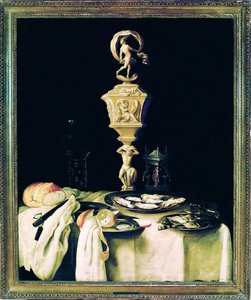
johann georg hinz
1630 - 1688
Quick Facts
- Artistic Movement Or Style: Baroque Painting
- Artists Or Movements Influenced By This Artist: ['Dutch Masters']
- Artists Who Influenced This Artist: ['Peter Paul Rubens']
- Date Of Death: 1688
- Full Name: Johann Georg Hinz
- Nationality: German
- Notable Artworks: ['Still Life with Fruit and Flowers']
- Place Of Birth: Germany