 Preview
 Send
Send Share
Share
 Details

 Download
 Similars
 X-Ray
X-Ray Diaporama
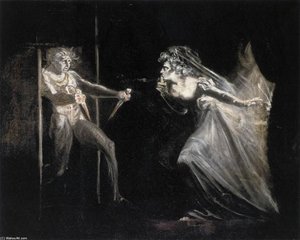
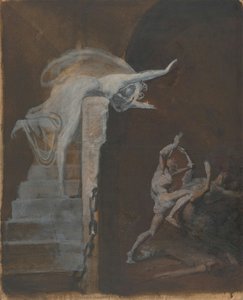
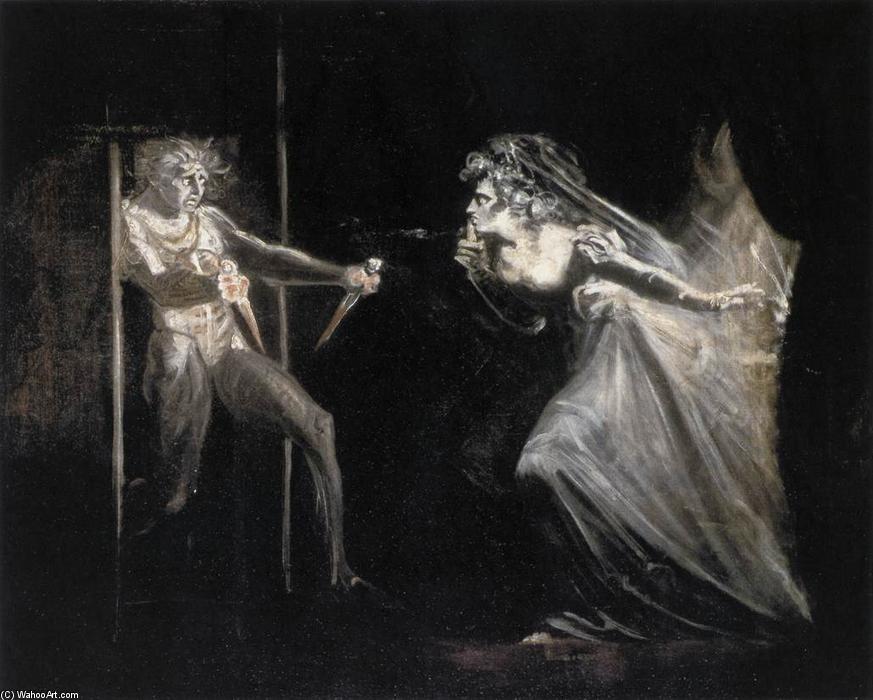
Lady Macbeth with the Daggers
 Oil On Canvas
- WallArt
- Romanticism
 1812
1812- 19th Century
 101.0 x 127.0 cm
 Tate Gallery
 Read More
Hand Made Oil Reproduction
Hand-painted oil on canvas in your size and frame, made to order by our artists. ( Buy Print Buy Image)




P118B $10

P118H $10

P118W $10

P438Z $10

P508JH $12

P508YH $12

P805H $10

P805Z $10

P919BZ $10

P919G $10

P919XJ $10

P959ZH $10

P968JZ $12

W106C $8

W218G $10

W218JH $8

W218Y $10

W307PJ $10

W316G $10

W316PJ $8

W316Y $10

W398PJ $8

W4111J $10

W500HY $15

W500JH $15

W692G $12

W849H $8

W940BG $15

W953PJ $8




Pick from our preset sizes that match the artwork's original proportions.

You may enter your own dimensions to fit a specific frame or space. If your selected size does not match the original image's proportions, we will either crop the artwork or extend the painting with additional hand-painted elements. A digital mockup will be sent for your approval before production begins.
Please note that the on-screen preview does not reflect the actual cropping or extension. Only the mockup will accurately show the final composition.
While custom sizes are available, we recommend selecting a dimension from the predefined list to preserve the original proportions.
After order, ArtsDot.com team will email client for instructions and provide a mockup preview
Worldwide Delivery () in 3/4 weeks instead of standard 5 weeks. (16 August). No compromise on quality.

Free Worldwide Express Shipping

High-Quality Linen Canvas

Full Shipping Insurance

Customs Tax Refund Guarantee

True Color Matching Guarantee

60-Day Return Policy (Defects Only)

100% Money-Back Guarantee

Bulk Discount Offer
 Glass option is only available in size under 110 CM

Lady Macbeth with the Daggers
Reproduction Medium
Reproduction Size
-


Total Price
$ 288
Artwork Description
A Descent into Psychological Darkness: Lady Macbeth with the Daggers
To stand before this depiction of Lady Macbeth is to confront the very precipice of human ambition curdled by guilt. Johann Heinrich Friesli’s masterful rendering captures not merely a scene from Shakespeare, but the suffocating aftermath of moral transgression. The air in the painting feels thick, heavy with unspoken secrets and the metallic tang of spilled blood. It is an intensely dramatic tableau, steeped in the Romantic fascination with the sublime terror lurking beneath civilized veneers. The composition itself seems to press inward, trapping the viewer within the claustrophobic drama unfolding between the figures.
Mastery of Shadow and Light: Technique and Atmosphere
Friesli employs a breathtaking command of chiaroscuro, a technique that elevates this work beyond mere portraiture into the realm of psychological landscape. A single, dramatic light source carves Lady Macbeth from the surrounding gloom, illuminating her face and hands with an almost accusatory brilliance. This stark contrast between blinding highlights and impenetrable shadow is central to the painting's emotional resonance. Observe the brushwork: it is loose, gestural, particularly in the background where indistinct strokes suggest a fading reality or perhaps a fevered hallucination. The interplay of angular lines from the architecture—the staircase seeming to spiral into instability—against the flowing, ethereal drapery of her gown creates a palpable tension. This technical brilliance allows the viewer to feel the very tremor of shock that grips the central figure.
Symbolism and the Weight of Guilt
The symbolism woven throughout this piece is profound and deeply unsettling. The daggers are not just props; they are potent emblems of violence, betrayal, and irreversible action. Lady Macbeth’s expression—a complex tapestry of horror, shock, and perhaps nascent remorse—speaks volumes without uttering a single word. The overwhelming darkness that envelops the scene functions as a visual metaphor for the moral abyss she has willingly entered. It speaks to the consuming nature of unchecked ambition, suggesting that the greatest terror is not external, but the corruption festering within the soul itself.
A Touchstone of Romantic Drama
Dating from 1812, this work sits perfectly within the height of the Romantic movement, an era obsessed with intense emotion, the supernatural, and the depths of the individual psyche. Friesli’s background in depicting supernatural experiences lends an otherworldly quality to the scene; it feels less like a historical moment and more like a shared nightmare. For collectors and those seeking art that speaks directly to the visceral human condition, this piece offers unparalleled depth. Reproducing such a work allows one to bring home not just a painting, but a potent meditation on consequence, making it a dramatic focal point for any richly decorated interior.
Related Artworks


Artist Biography
early life and education
johann heinrich füssli, a swiss painter, draughtsman, and writer on art, was born on february 7, 1741, in zürich, switzerland. he was the second of 18 children to johann caspar füssli, a portrait painter. füssli received a classical education at the collegium carolinum in zürich.artistic career
füssli's artistic career began with his move to london in 1764, where he met sir joshua reynolds, who encouraged him to devote himself to painting. he then spent eight years in italy, studying antique art and the works of titian, caravaggio, and mannerists.supernatural experiences
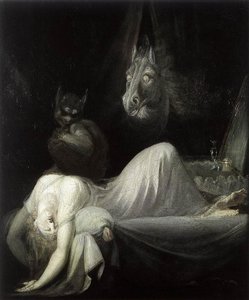
füssli's paintings often depicted supernatural experiences, such as the nightmare, which showcased his unique style. he also created a series of paintings based on john milton's works, with the intention of forming a milton gallery comparable to boydell's shakespeare gallery.notable works and associations
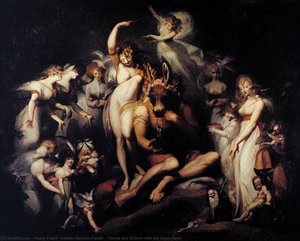
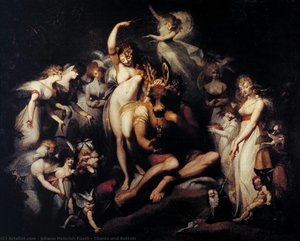
- titania, bottom and the fairies, a painting showcasing füssli's use of fairy-tale scenes from shakespeare as motifs.
- association with the royal academy, where he held the posts of professor of painting and keeper.
- influence on younger british artists, including william blake.
museums and collections
füssli's works can be found in various museums, including:- kunsthaus zürich, switzerland, which features a wide range of füssli's paintings, including the nightmare.
- albertina, vienna, austria, which houses füssli's watercolor piece, teiresias foretells the future to odysseus.
legacy
füssli's style had a considerable influence on many younger british artists, and his supernatural themes continue to fascinate art lovers. his legacy can be explored further through his numerous works, which can be found in various museums and collections. recommended reading:- titania, bottom and the fairies by johann heinrich füssli
- henry fuseli - wikipedia
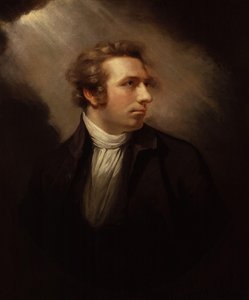
johann heinrich füssli
1741 - 1825 , Switzerland
Quick Facts
- Artistic Movement Or Style: Romanticism, Neoclassicism
- Artists Or Movements Influenced By This Artist: ['William Blake']
- Artists Who Influenced This Artist:
- Titian
- Caravaggio
- Date Of Birth: Feb 7, 1741
- Date Of Death: 1825
- Full Name: Johann Heinrich Füssli
- Nationality: Swiss
- Notable Artworks:
- The Nightmare
- Titania, Bottom & Fairies
- Place Of Birth: Zurich, Switzerland
Related Articles

Giclée Prints: Archival Quality & Aesthetic Nuances for the Discerning Collector
Explore the world of giclée prints with ArtsDot. Learn about archival quality, aesthetic nuances & investment potential. Expert guidance for discerning art collectors seeking museum-quality reproductions and lasting value.

Echoes of Time: Exploring the Enduring Appeal & Historical Context of Vintage Art Prints
Explore the captivating world of vintage art prints! Discover their history, collecting tips & enduring appeal. Expert insights on chromolithography and building a legacy collection with ArtsDot.

The Enduring Legacy of Fine Art Prints: Technique, History & Aesthetic Impact
Explore the rich history & techniques of fine art prints. Discover investment potential, assess authenticity, and learn how to preserve your collection with expert guidance. Trusted insights for discerning collectors.
Romantic Realism's Finest: 10 Masterpieces for Your Home | ArtsDot
Explore 10 defining masterpieces of Romantic Realism! Discover Courbet, Millet & Daumier's powerful paintings—capturing emotion and social realities. Find museum-quality reproductions for your home at ArtsDot.com.

Romantic Landscapes: 10 Masterpieces for Your Home | ArtsDot
Journey through 10 Romantic landscape masterpieces by Friedrich, Turner & Cole. Explore emotional art, sublime nature scenes & iconic 19th-century paintings. Find museum-quality reproductions for your home at ArtsDot.com – discover the full collection online!