

 Preview
 Send
Send Share
Share
 Details

 Download
 Similars
 X-Ray
X-Ray Diaporama
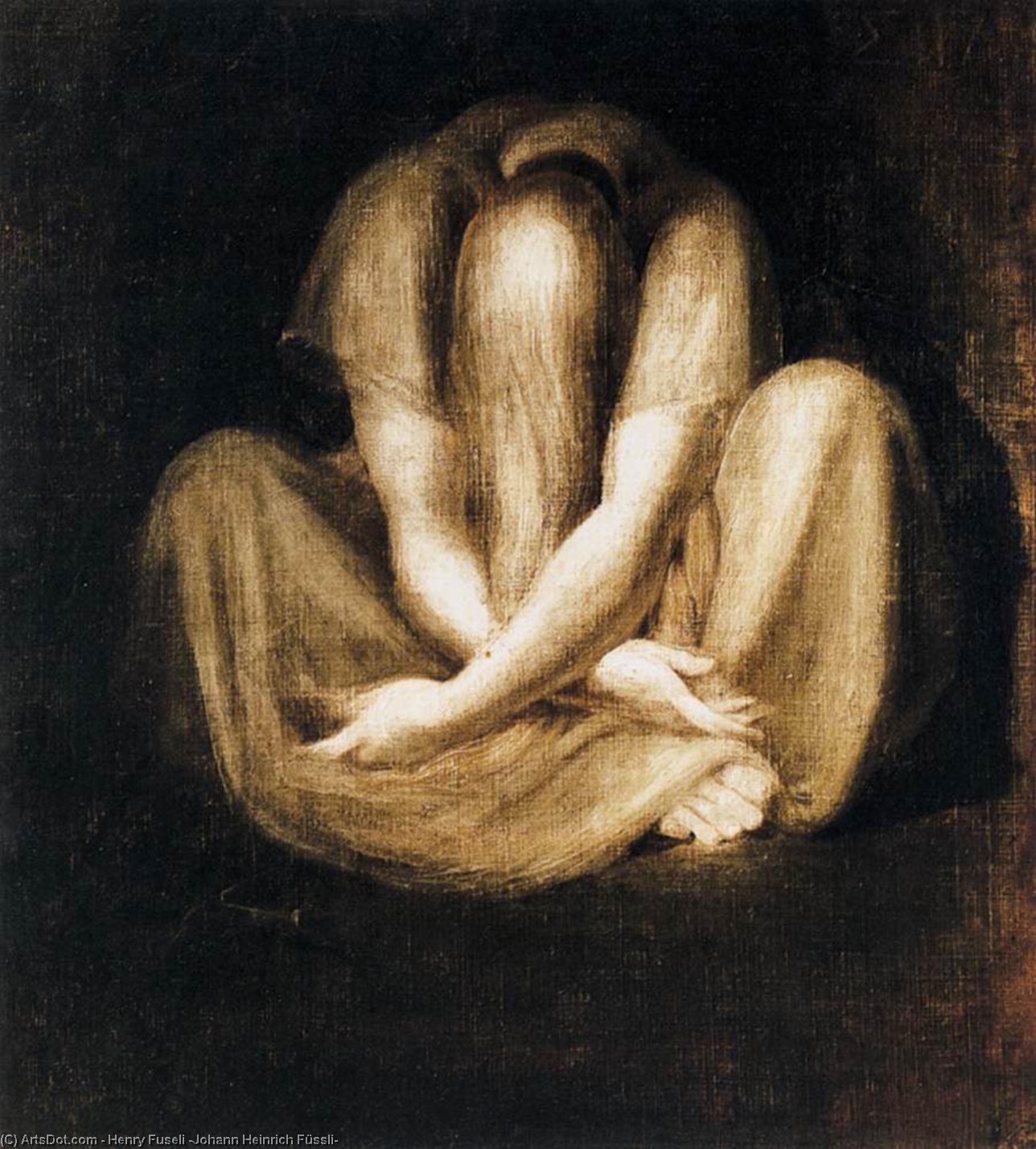
Silence
 Acrylic On Canvas
- WallArt
- Romanticism
 1799
1799 63.0 x 51.0 cm
 Kunsthaus Zürich
 Read More
Purchase a high-resolution, enhanced digital image, far superior to the online preview.
Each file is meticulously prepared by our in-house specialists using advanced tools and expert manual retouching. We ensure every image has exceptional clarity, precise color accuracy, and fine detail.
The final file is delivered via email within 72 hours, optimized for immediate use in professional, editorial, and print environments. This is the same quality trusted by top-tier design studios, publishers, and galleries.
Digital Image
Download a high-resolution file for personal display, printing, and creative projects. ( Buy Print Buy Hand Made Painting)
Included in Every Digital Image Order
Expert Digital Delivery, Guaranteed
When you choose ArtsDot.com, you're not just getting an image - you're receiving a professionally enhanced digital artwork, crafted with precision and backed by a satisfaction guarantee. Here's everything that comes with your order, automatically:

Fast Email Delivery
Your high-resolution digital image file will be emailed to you within 72 hours of ordering - ready for immediate use.

AI-Enhanced Digital File
Your artwork is professionally optimized using advanced AI tools and manual editing, ensuring maximum detail, clarity, and color accuracy.

Free Lifetime Re-Delivery
Accidentally deleted or lost your file? No worries - we'll resend it to you anytime, free of charge.

No Import Fees - Ever
Enjoy your artwork instantly with zero customs, duties, or delivery fees - digital downloads are always tax-free.

Color Accuracy Guarantee
We ensure your digital image reflects the original colors as closely as possible using professional tools and color management.

60-Day Satisfaction Guarantee
If you're not satisfied with your digital image, we'll revise it or refund 100% within 60 days - no questions asked.

100% Money-Back Guarantee
Not satisfied? Get a full refund within 60 days of receiving your digital file - no questions asked.

Bulk Order Discounts
Buy 3 images, save 10% - Buy 5, save 15% - Buy 10+, save 20%. Great for creative projects, galleries, and agencies.
Collectible Description
A Moment Frozen in Time: Exploring Henry Fuseli’s “Silence”
Henry Fuseli's "Silence," painted in 1799, isn’t merely a depiction of a seated figure; it’s an invitation to confront the unsettling depths of introspection and the profound mysteries of the human psyche. This oil on canvas, currently residing within the Kunsthaus Zürich, transcends its modest dimensions (63 x 51 cm) to become a haunting meditation on solitude, fear, and the unseen forces that shape our inner worlds. Fuseli, a pivotal figure in the Romantic movement, masterfully employed muted colors and carefully orchestrated composition to create an atmosphere of palpable unease—a feeling that lingers long after viewing.
The central figure, draped in a simple white gown, is positioned on the floor, hands clasped before them in a gesture both vulnerable and resolute. Their face remains obscured by flowing hair, adding to the sense of anonymity and intensifying the viewer’s own engagement with the scene. The two shadowy figures lurking in the background—one standing behind, the other receding into darkness—suggest an intrusion, a disturbance of this private contemplation. They aren't explicitly threatening, but their presence amplifies the feeling that the figure is trapped within a realm of personal torment. Fuseli’s skill lies not just in rendering these details, but in conveying the *feeling* of being observed, of existing on the precipice of something unknown.
The Romantic Palette and Dramatic Composition
Fuseli's artistic style during this period leaned heavily into the tenets of Romanticism—a reaction against the Enlightenment’s emphasis on reason. He sought to capture intense emotion, explore the supernatural, and delve into the darker aspects of human experience. “Silence” exemplifies this perfectly through its dramatic lighting and carefully constructed space. The use of cool, desaturated colors – predominantly browns, grays, and muted blues – contributes significantly to the painting’s somber mood. These tones aren't vibrant or celebratory; instead, they evoke a sense of melancholy and confinement. The composition itself is deliberately unsettling, utilizing strong diagonals and receding planes to draw the viewer into the figure’s isolated world. The placement of the figures in the background creates an illusion of depth, suggesting that this internal struggle extends beyond the immediate scene.
Symbolism and Historical Context
“Silence” resonates deeply with the anxieties and philosophical currents of its time. Painted during a period marked by burgeoning interest in the occult, folklore, and the subconscious mind, the painting can be interpreted as an exploration of the hidden terrors that lie beneath the surface of everyday life. Fuseli himself was fascinated by tales of nightmares, demons, and the supernatural—themes frequently explored in his other works. The figure’s posture and obscured face suggest a confrontation with one's own fears and anxieties, a common motif within Romantic art. Furthermore, the painting aligns with the broader intellectual climate of the late 18th century, which saw a growing interest in psychology and the exploration of inner states—ideas that would later become central to Freud’s psychoanalytic theory.
A Legacy of Introspection
“Silence” continues to captivate viewers today not only for its technical brilliance but also for its enduring relevance. It's a powerful reminder of the importance of introspection and the often-uncomfortable truths we confront within ourselves. The painting’s ambiguity—the lack of explicit narrative, the enigmatic expressions—invites multiple interpretations, allowing each viewer to project their own experiences and emotions onto the scene. It stands as a testament to Fuseli's ability to capture not just a visual image but also a profound psychological state. Reproductions of this iconic work offer an accessible way to engage with this complex and emotionally resonant masterpiece, bringing its haunting atmosphere into any space.
Related Artworks
Artist Biography
early life and education
johann heinrich füssli, a swiss painter, draughtsman, and writer on art, was born on february 7, 1741, in zürich, switzerland. he was the second of 18 children to johann caspar füssli, a portrait painter. füssli received a classical education at the collegium carolinum in zürich.artistic career
füssli's artistic career began with his move to london in 1764, where he met sir joshua reynolds, who encouraged him to devote himself to painting. he then spent eight years in italy, studying antique art and the works of titian, caravaggio, and mannerists.supernatural experiences
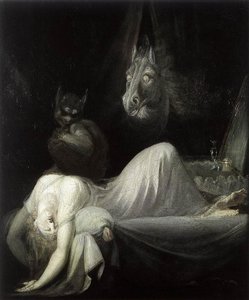
füssli's paintings often depicted supernatural experiences, such as the nightmare, which showcased his unique style. he also created a series of paintings based on john milton's works, with the intention of forming a milton gallery comparable to boydell's shakespeare gallery.notable works and associations
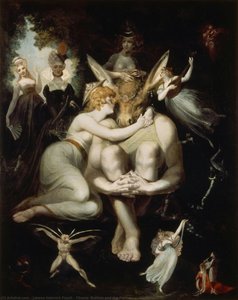
- titania, bottom and the fairies, a painting showcasing füssli's use of fairy-tale scenes from shakespeare as motifs.
- association with the royal academy, where he held the posts of professor of painting and keeper.
- influence on younger british artists, including william blake.
museums and collections
füssli's works can be found in various museums, including:- kunsthaus zürich, switzerland, which features a wide range of füssli's paintings, including the nightmare.
- albertina, vienna, austria, which houses füssli's watercolor piece, teiresias foretells the future to odysseus.
legacy
füssli's style had a considerable influence on many younger british artists, and his supernatural themes continue to fascinate art lovers. his legacy can be explored further through his numerous works, which can be found in various museums and collections. recommended reading:- titania, bottom and the fairies by johann heinrich füssli
- henry fuseli - wikipedia
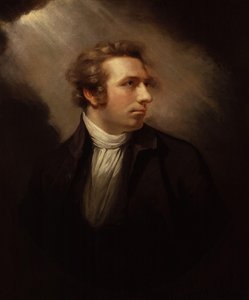
johann heinrich füssli
1741 - 1825 , Switzerland
Quick Facts
- Artistic Movement Or Style: Romanticism, Neoclassicism
- Artists Or Movements Influenced By This Artist: ['William Blake']
- Artists Who Influenced This Artist:
- Titian
- Caravaggio
- Date Of Birth: Feb 7, 1741
- Date Of Death: 1825
- Full Name: Johann Heinrich Füssli
- Nationality: Swiss
- Notable Artworks:
- The Nightmare
- Titania, Bottom & Fairies
- Place Of Birth: Zurich, Switzerland

