 Send
Send Share
Share
 Details

 Download
 Similars
 Diaporama
Portrait Relief of Arnout Vosmaer (1720-1799)


 Read More
Giclée / Art Print
Museum-quality giclée or canvas print with fast production and flexible finish options. ( Buy Hand Made Painting Buy Image)




































Pick from our preset sizes that match the artwork's original proportions.

You may enter your own dimensions to fit a specific frame or space. If your selected size does not match the original image's proportions, we will either crop the artwork or extend the image with a mirrored or solid-fill edge. A digital mockup will be sent for your approval before production begins.
Please note that the on-screen preview does not reflect the actual cropping or extension. Only the mockup will accurately show the final composition.
While custom sizes are available, we recommend selecting a dimension from the predefined list to preserve the original proportions.
Worldwide Delivery () in 2 weeks instead of standard 4/5 weeks. (3 September)

Free Worldwide Express Shipping

High-Quality Linen Canvas

Full Shipping Insurance

Customs Tax Refund Guarantee

True Color Matching Guarantee

60-Day Return Policy (Defects Only)

100% Money-Back Guarantee

Bulk Discount Offer
 Glass option is only available in size under 110 CM

Portrait Relief of Arnout Vosmaer (1720-1799)
Giclée / Art Print
Reproduction Size
-


Total Price
$ 63
A Glimpse into Dutch Aristocracy: The Portrait Relief of Arnout Vosmaer
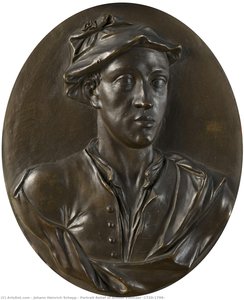
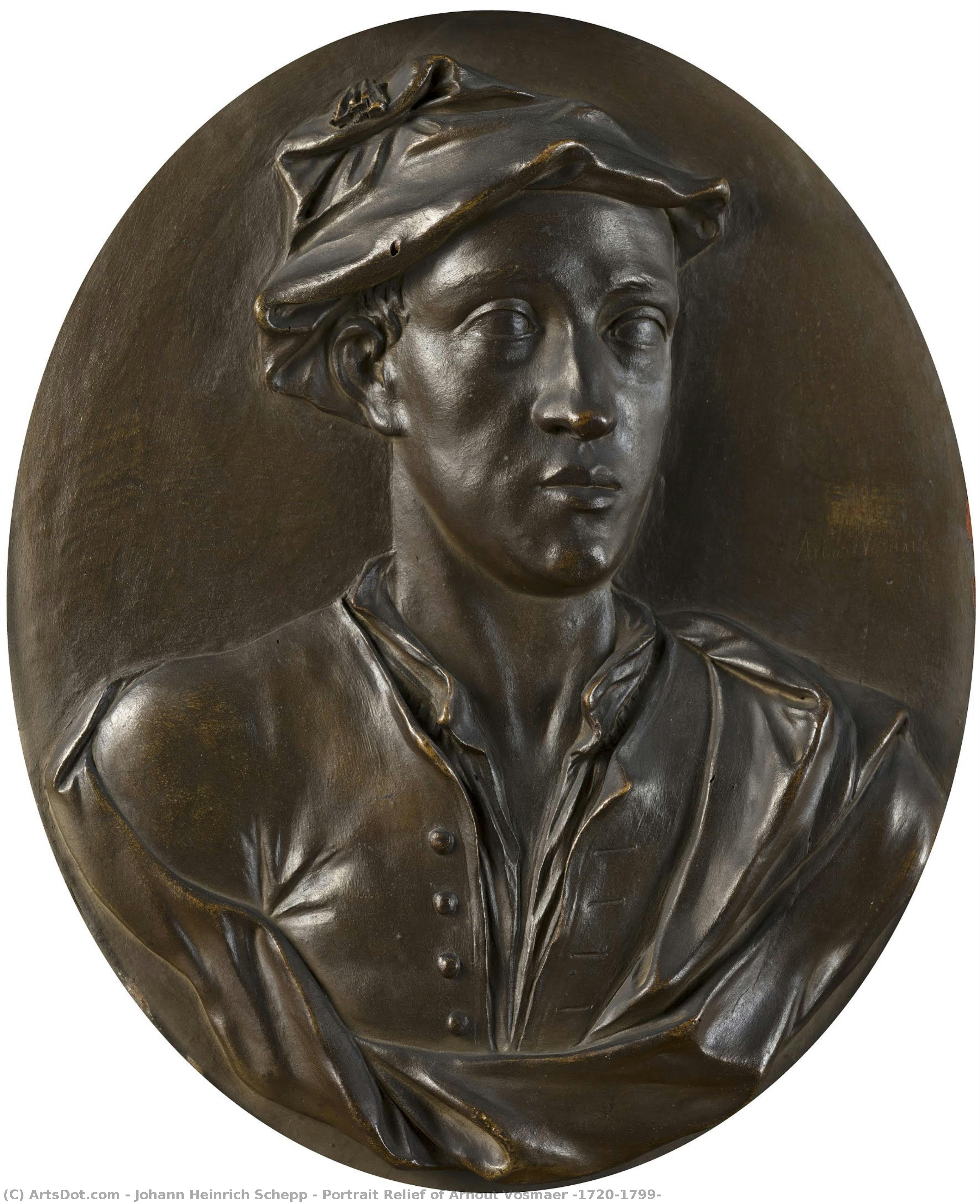
Johann Heinrich Schepp’s “Portrait Relief of Arnout Vosmaer (1720-1799),” created in 1772, offers a compelling window into the world of 18th-century Dutch aristocracy. More than just a likeness, this remarkable terracotta relief captures the essence of a man – Arnout Vosmaer – a figure of considerable standing within his society. Housed within the esteemed Mauritshuis in The Hague, Netherlands, the work stands as a testament to Schepp’s skill and the enduring power of portraiture. It's a piece that invites contemplation on notions of status, character, and the artistry of capturing human presence in three dimensions.The Artist and His Craft: Johann Heinrich Schepp
Born in Hamburg in 1702, Johann Heinrich Schepp emerged as a prominent German sculptor whose career flourished throughout the 18th century. While perhaps not as universally recognized today as some of his contemporaries, Schepp’s contributions to German art are significant, particularly his ability to imbue portraiture with both realism and psychological depth. His work reflects the artistic sensibilities of the era – a period characterized by a growing interest in individual expression and a move away from purely formal representations. Schepp's skill is evident not only in this relief but also in other notable works such as those found at the Museum Monastery Church in Ettal, Germany, demonstrating his versatility across various sculptural forms. He possessed a keen eye for detail, translating it into tangible form with remarkable precision. The portrait of Vosmaer exemplifies this talent; every line etched on the man’s face, every fold in his clothing, speaks to Schepp's meticulous approach and dedication to capturing a true likeness.A Portrait of Character: Arnout Vosmaer and His Time
Arnout Vosmaer (1720-1799) was a prominent figure within Dutch society, and this portrait relief serves as a visual record of his presence. The man depicted exudes an air of quiet authority; his gaze is direct, almost stern, suggesting intelligence and perhaps a certain reserve. He wears a hat and clothing typical of the period, indicative of his social standing. The choice to render him in relief—a three-dimensional form projecting from a background—adds weight and gravitas to the portrait. This technique was often employed for commemorating important individuals, elevating their image beyond a simple two-dimensional representation. The historical context is crucial: 1772 falls within a period of relative stability and prosperity for the Dutch Republic, though political tensions were brewing that would eventually lead to significant changes in the coming decades. Vosmaer’s portrait reflects this era of measured confidence and established social hierarchies.The Art of Relief Sculpture and its Emotional Resonance
Schepp's choice of terracotta as his medium further enhances the work's character. The warm, earthy tones of the clay lend a sense of timelessness to the piece, evoking a feeling of antiquity. Relief sculpture, unlike fully three-dimensional statues, requires a unique mastery of light and shadow to create depth and form. Schepp skillfully manipulates these elements, using subtle gradations to define Vosmaer’s features and clothing. The result is a portrait that feels both tangible and imbued with an inner life. The emotional impact lies in the quiet dignity conveyed by Vosmaer's expression and posture. It’s not a flamboyant or overtly expressive portrayal; rather, it’s a study of character—a glimpse into the soul of a man who occupied a position of influence within his community. The relief invites viewers to contemplate not only Vosmaer himself but also the values and aspirations of the society he represented.Related Artworks


Artist Biography
early life and career
johann heinrich schepp, a prominent german sculptor, was born in hamburg in 1702 and passed away in 1776. his life's work is a testament to his mastery of sculpture, which defined the artistic landscape of 18th century germany.notable works
one of schepp's most notable works is the portrait relief of arnout vosmaer (1720-1799), created in 1772. this piece showcases his skill in capturing the essence of his subjects, much like anselm feuerbach's works featured at schackgalerie in munich, germany (discovering the art of late romanticism at schackgalerie, munich).contribution to german art
schepp's contributions to german art are undeniable. his sculptures, like the museum monastery church (ettal, germany), not only reflect his technical prowess but also provide a glimpse into the cultural and historical context of 18th century germany (the museum monastery church (ettal, germany)).legacy
- his work has been featured in various museums, including the mauritshuis in the hague, netherlands (johann heinrich schepp: portrait relief of arnout vosmaer (1720-1799), sculpture, view on ArtsDot).
- his influence can be seen in the works of other german sculptors, such as franz bernhard schuller (franz bernhard schuller, view on ArtsDot).
- schepp's legacy continues to inspire artists and art enthusiasts alike, with his work remaining a vital part of german art history.
conclusion
johann heinrich schepp's impact on the world of sculpture is undeniable. through his works, he has provided a window into 18th century germany, showcasing his mastery of the craft. as an integral part of german art history, his legacy will continue to inspire and influence artists for generations to come.- view more of johann heinrich schepp's work on ArtsDot: johann heinrich schepp | ArtsDot
- explore german art and its history: german art on wikipedia
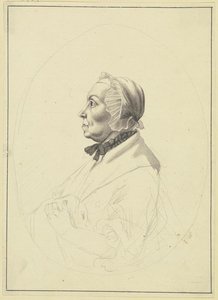
johann heinrich schepp
1702 - 1776 , Germany
Quick Facts
- Artistic Movement Or Style: Orientalism, Pastel, Rococo
- Artists Or Movements Influenced By This Artist:
- Francesco Zuccarelli
- Samuel Scott
- Artists Who Influenced This Artist:
- Daniel Gardelle
- Jean-Baptiste Massé
- Date Of Birth: December 22, 1702
- Date Of Death: June 12, 1789
- Full Name: Jean-Étienne Liotard
- Nationality: Swiss/French
- Notable Artworks:
- Cadmus Killing Dragon
- Portrait of Voltaire
- Finding Moses
- Place Of Birth: Geneva, Switzerland
Related Articles

Bronze Sculptures That Defined Art History | ArtsDot
Journey through art history with our Top 10 bronze sculptures! Explore masterpieces by Rodin, Michelangelo & more. Discover stories behind iconic statues and find museum-quality reproductions for your home decor at ArtsDot.com.

The Enduring Form: Exploring Themes & Techniques in Sculpture Across Historical Periods
Explore the rich history of sculpture from ancient masterpieces to contemporary innovations. Discover key techniques, influential artists & investment potential for discerning art collectors.

Bronze Age to Modern Masters: 10 Sculptures That Redefined Art | ArtsDot
Journey through art history with 10 legendary bronze sculptures – from Michelangelo's David to Rodin’s Thinker. Explore the stories, techniques & timeless beauty of these masterpieces. Find museum-quality reproductions & elevate your home decor on ArtsDot.com.

The Enduring Form: Sculpture Across History, Technique & Emotional Resonance
Explore the rich history of sculpture with ArtsDot. Discover key techniques, influential artists & investment potential for discerning collectors. Expert insights into valuing and collecting timeless masterpieces.
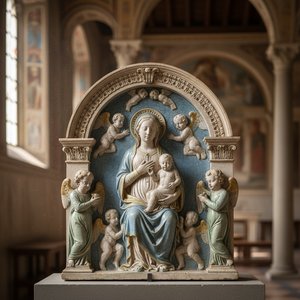
Luca della Robbia: Renaissance Sculpture & the Innovation of Terracotta Glazing
Discover the innovative terracotta glazing techniques of Luca della Robbia, a Renaissance master sculptor. Explore his iconic works, legacy, and collecting tips with ArtsDot.