 Preview
 Send
Send Share
Share
 Details

 Download
 Similars
 X-Ray
X-Ray Diaporama
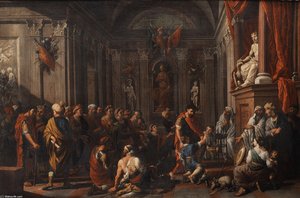
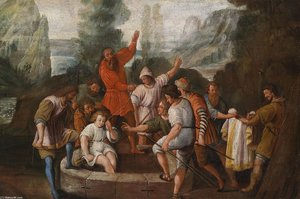
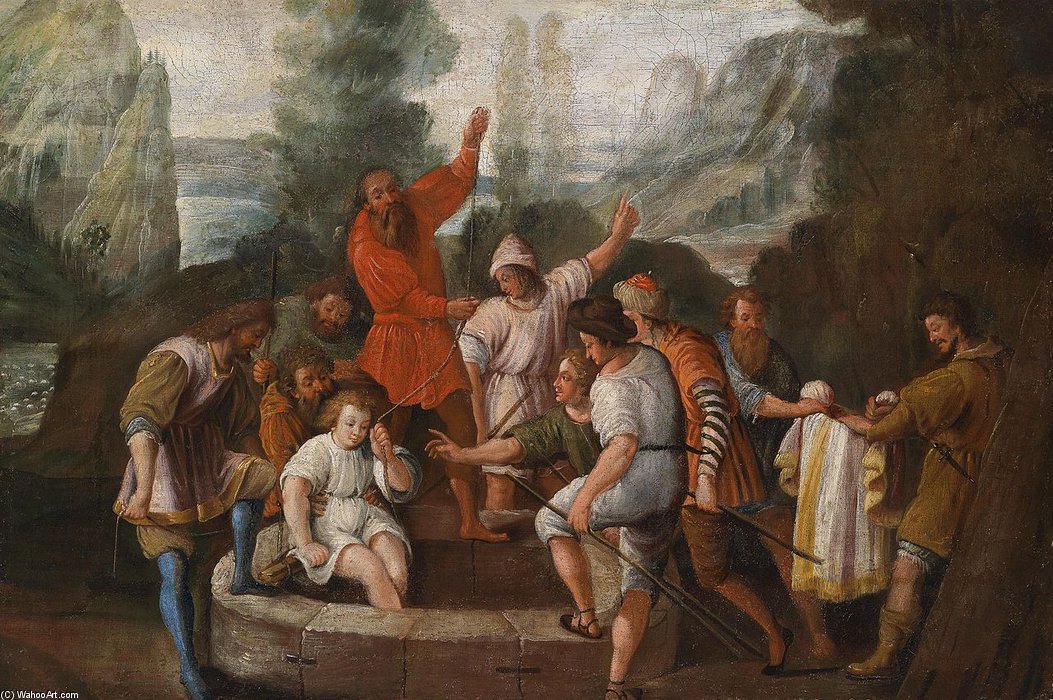
Joseph Wird Von Seinen Brudern In Den Brunnen Geworfen
 Read More
Hand Made Oil Reproduction
Hand-painted oil on canvas in your size and frame, made to order by our artists. ( Buy Print Buy Image)




































Pick from our preset sizes that match the artwork's original proportions.

You may enter your own dimensions to fit a specific frame or space. If your selected size does not match the original image's proportions, we will either crop the artwork or extend the painting with additional hand-painted elements. A digital mockup will be sent for your approval before production begins.
Please note that the on-screen preview does not reflect the actual cropping or extension. Only the mockup will accurately show the final composition.
While custom sizes are available, we recommend selecting a dimension from the predefined list to preserve the original proportions.
After order, ArtsDot.com team will email client for instructions and provide a mockup preview
Worldwide Delivery () in 3/4 weeks instead of standard 5 weeks. (16 August). No compromise on quality.

Free Worldwide Express Shipping

High-Quality Linen Canvas

Full Shipping Insurance

Customs Tax Refund Guarantee

True Color Matching Guarantee

60-Day Return Policy (Defects Only)

100% Money-Back Guarantee

Bulk Discount Offer
 Glass option is only available in size under 110 CM

Joseph Wird Von Seinen Brudern In Den Brunnen Geworfen
Reproduction Medium
Reproduction Size
-


Total Price
$ 263
Related Artworks
Artist Biography
Johann Heiss: A Baroque Visionary Rooted in Leipzig’s Artistic Legacy
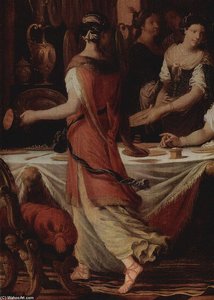
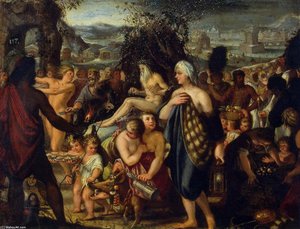
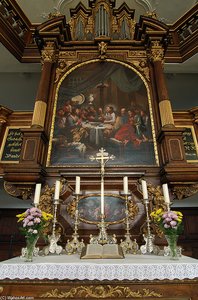
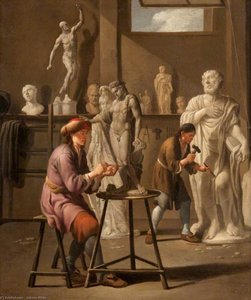
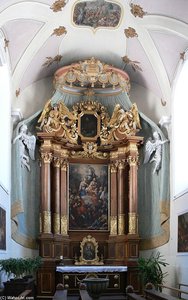
Johann Heiss (1640 – 1704) stands as a significant figure within the German Baroque artistic landscape, particularly remembered for his evocative depictions of biblical narratives and mythological themes. Born in Memmingen, Bavaria, he benefited from an influential artistic upbringing under the tutelage of Hans Conrad Sichelbein and Johann Sichelbein, brothers renowned for their contributions to Augsburg’s vibrant art scene. This formative period instilled in him a deep understanding of Baroque stylistic conventions – dramatic chiaroscuro, meticulous detail, and a fervent belief in conveying emotion through visual representation—elements that would characterize his entire oeuvre. His early career saw service with Eberhard III, Duke of Württemberg, where he honed his skills and gained invaluable experience working within the ducal court’s artistic patronage system. This exposure undoubtedly broadened his artistic horizons and solidified his reputation as a respected painter. However, Heiss's most enduring legacy resides in his work for Leipzig’s St. Thomas Church, specifically the monumental altarpiece commissioned in 1683. This ambitious project—a collaborative effort with Johann Georg Wolffram—demonstrates Heiss’s mastery of composition and color theory as he skillfully captured the grandeur and solemnity of Christian iconography. The painting itself is a testament to the artistic fervor of Leipzig during Bach's time, reflecting the intellectual and spiritual currents that shaped the city’s cultural identity. Heiss’s artistic style evolved throughout his career, demonstrating an impressive adaptability to diverse commissions and stylistic trends. While initially influenced by Augsburg’s Baroque tradition—evident in works like “Gastmahl Der Ester”—he embraced a more expressive approach as he matured, incorporating elements of Mannerism into his compositions. This stylistic blend speaks volumes about the artistic dialogues occurring across Europe during this period. Notably, Heiss's meticulous attention to detail and masterful use of light and shadow – techniques honed through observation and experimentation—are hallmarks of his distinctive visual language. Furthermore, Heiss’s connection to Leipzig extends beyond his monumental altarpiece; he was a member of the Städtisches Kunstgewerbe und Druckhaus Leipzig, an institution dedicated to fostering artistic innovation and disseminating knowledge about art history. This involvement underscores Hisss's commitment to intellectual pursuits alongside his artistic endeavors. The influence of Joachim von Sand, a prominent art historian who championed Heiss’s work and promoted his reputation as a skilled painter, solidified Hisss' place in the annals of German Baroque art. Ultimately, Johann Heiss remains an artist whose output continues to inspire admiration for its beauty and technical prowess. His paintings—such as “Familie Mit Johannes Dem Täufer” and “Das Altarbild Ist Ein Gemälde Des Augsburger Barockmalers Johann Heiß”—offer invaluable insights into the artistic sensibilities of 17th-century Germany, reminding us of the enduring power of visual storytelling and the profound impact of artists like Heiss on the cultural heritage of Leipzig and beyond.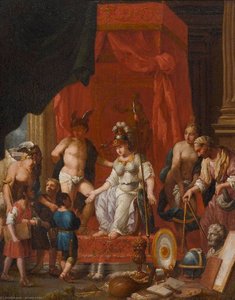
johann heiss
1640 - 1704 , Germany
Quick Facts
- Artistic Movement Or Style: Baroque
- Artists Who Influenced This Artist:
- Hans Conrad Sichelbein
- Johann Sichelbein
- Date Of Birth: 1640 Memmingen Germany
- Date Of Death: 1704
- Full Name: Johann Heiss
- Nationality: German
- Notable Artworks:
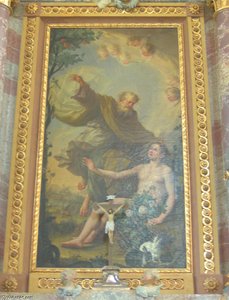
- Das Altarbild Ist Ein Gemälde Des Augsburger Barockmalers Johann Heiß
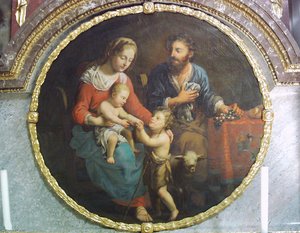
- Familie Mit Johannes Dem Täufer
- Gastmahl Der Ester
- Place Of Birth: Memmingen Germany